|
 |
 |
 |
 |
 |
Moving movements, History of modern painting, 1860-1880
Honoré Daumier, Une ronde d'enfants, 1850-53, oil and charcoal on panel
Honoré Daumier, Les buveurs de bière, ca1860, oil on panel
Honoré Daumier, La blanchisseuse, ca1863
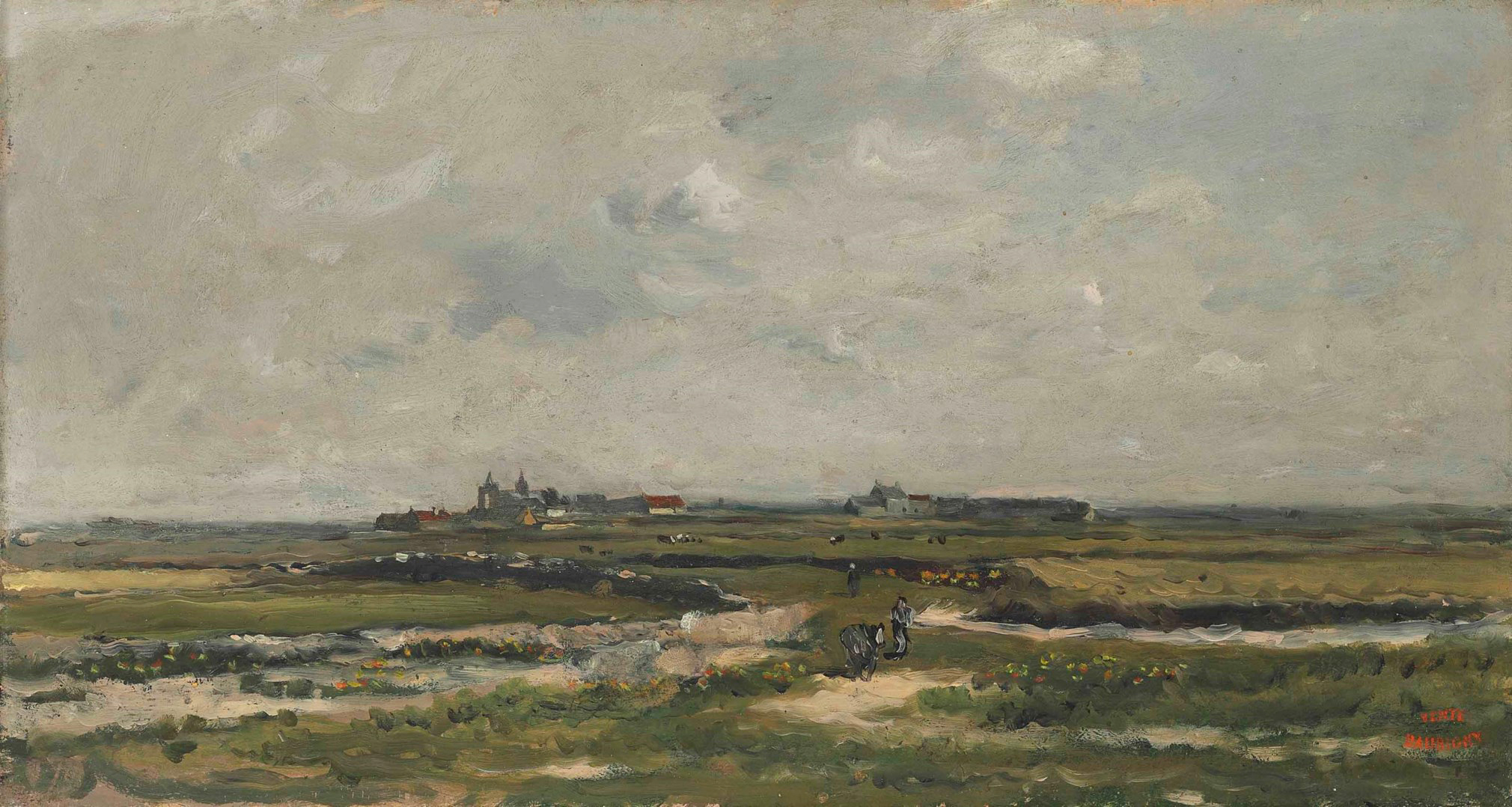
Charles-François Daubigny, Kérity, la plaine, 1864, oil on panel
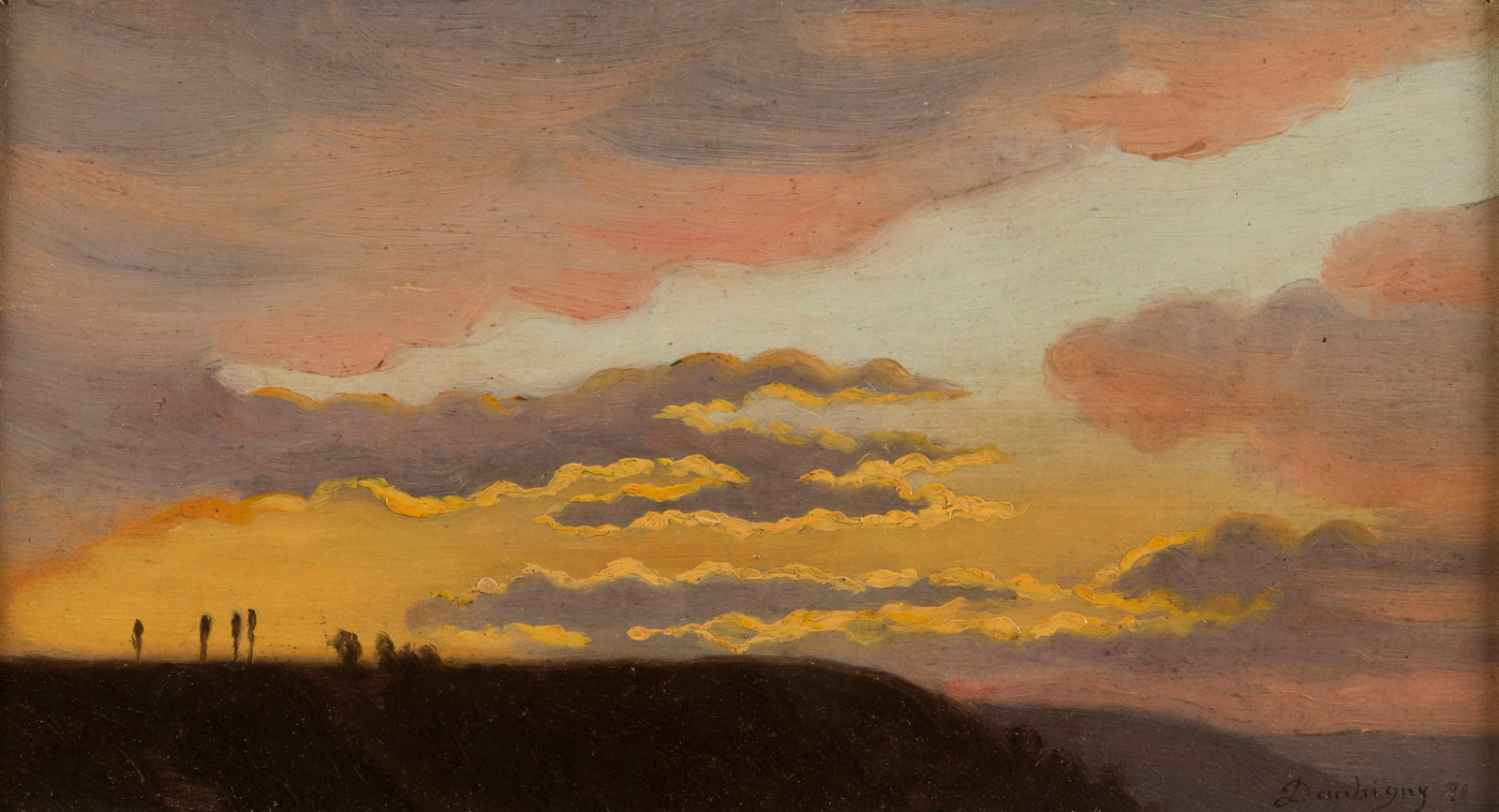
Charles-François Daubigny, Coucher de soleil, 1878, oil on paper
Charles-François Daubigny, Coastal view at Villerville, ca1858, oil on panel
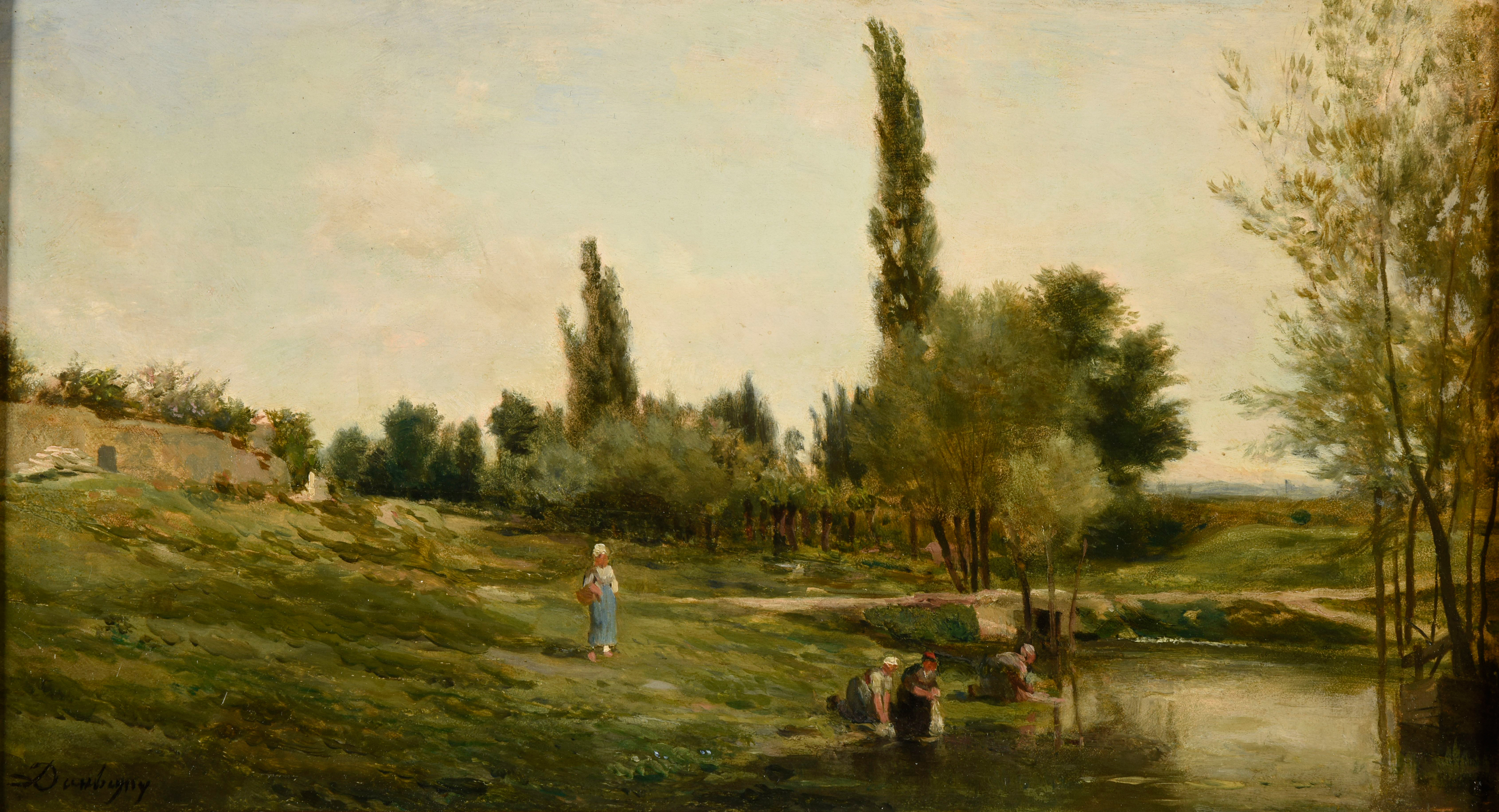
Charles-François Daubigny, Paysage avec laveuses, oil on panel
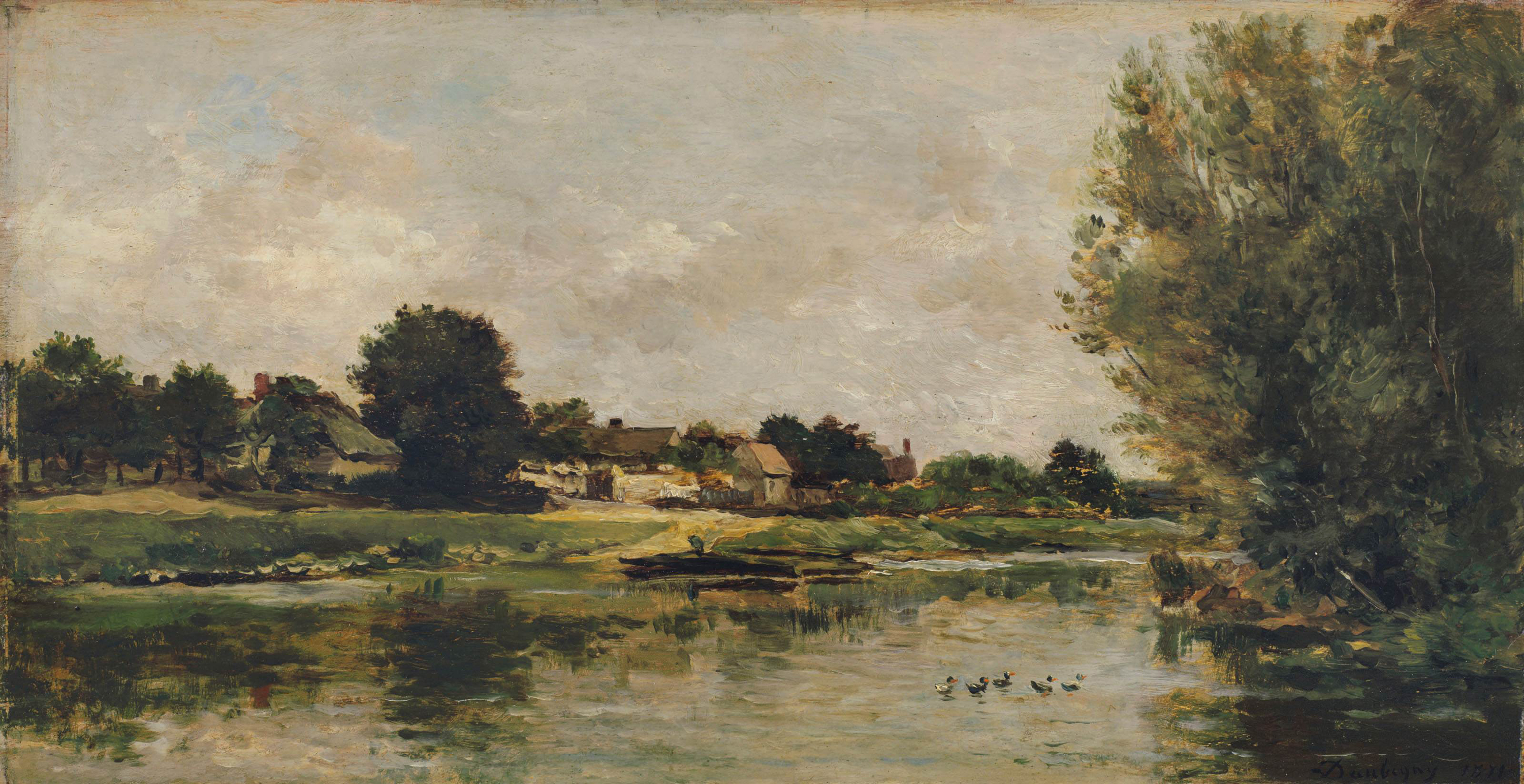
Charles-François Daubigny, Les bords de Loise
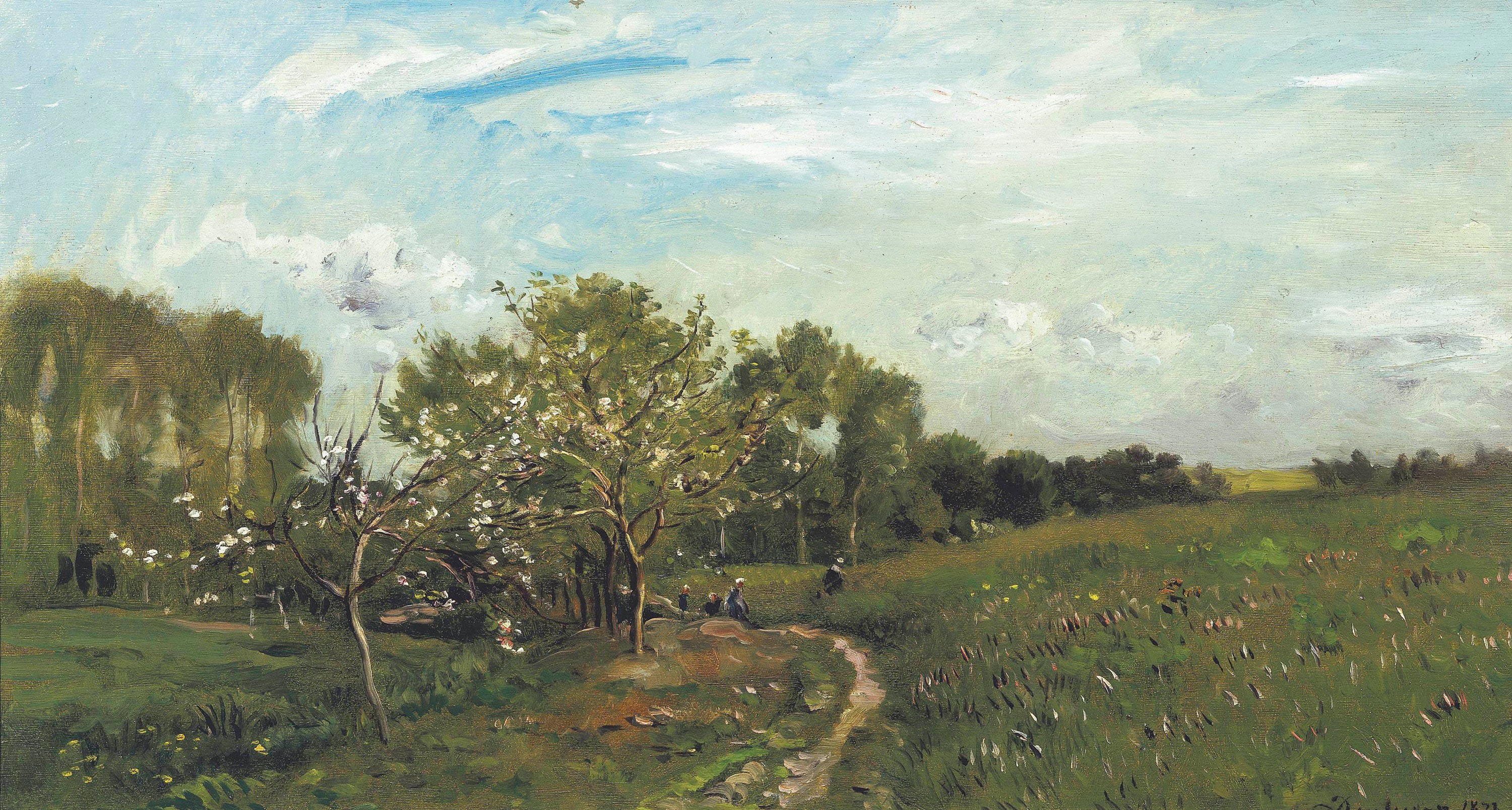
Charles-François Daubigny, Les pommiers en fleur, 1873, oil on panel
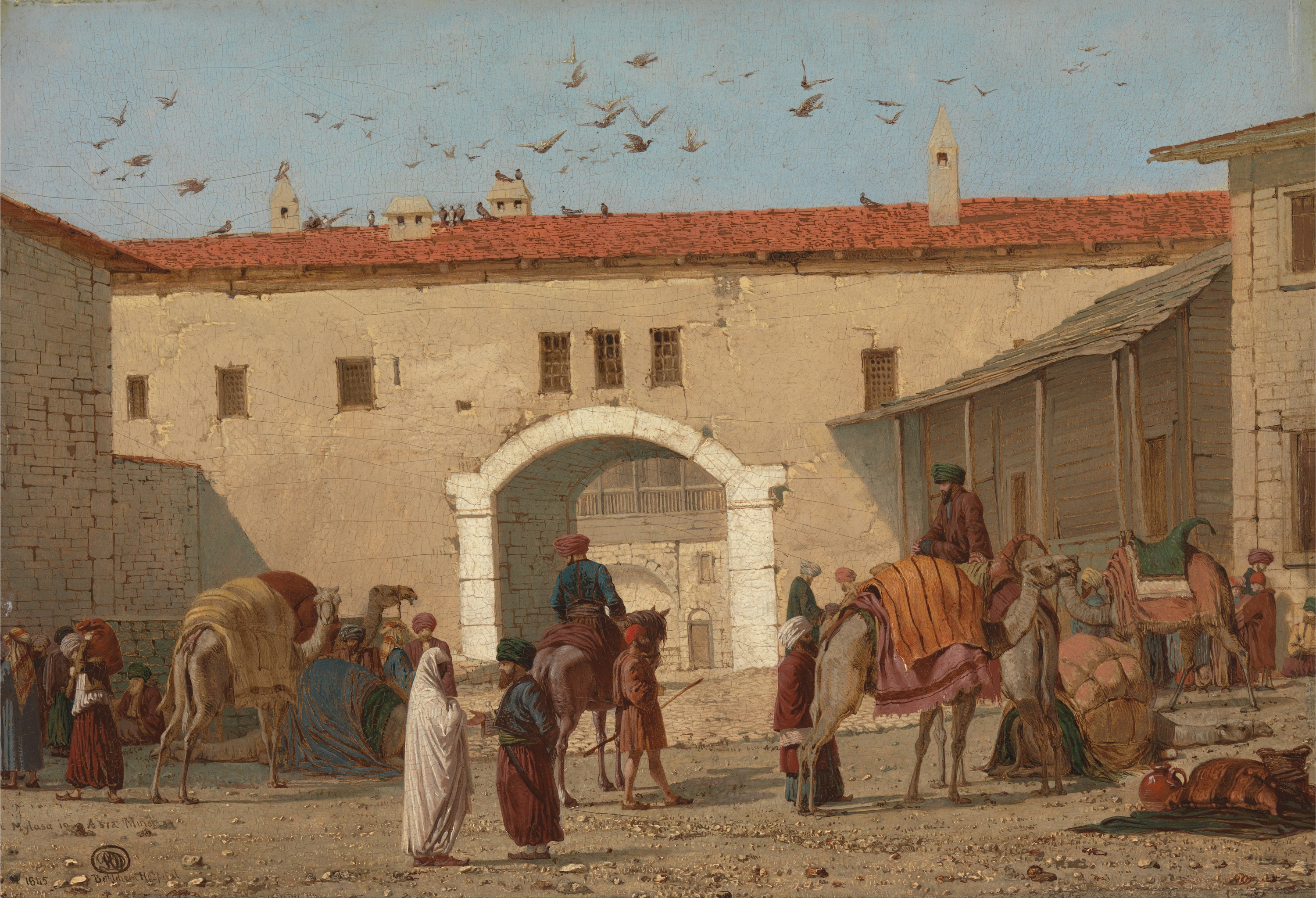
Richard Dadd, Caravanserai at Mylasa in Asia Minor, 1845, oil on panel
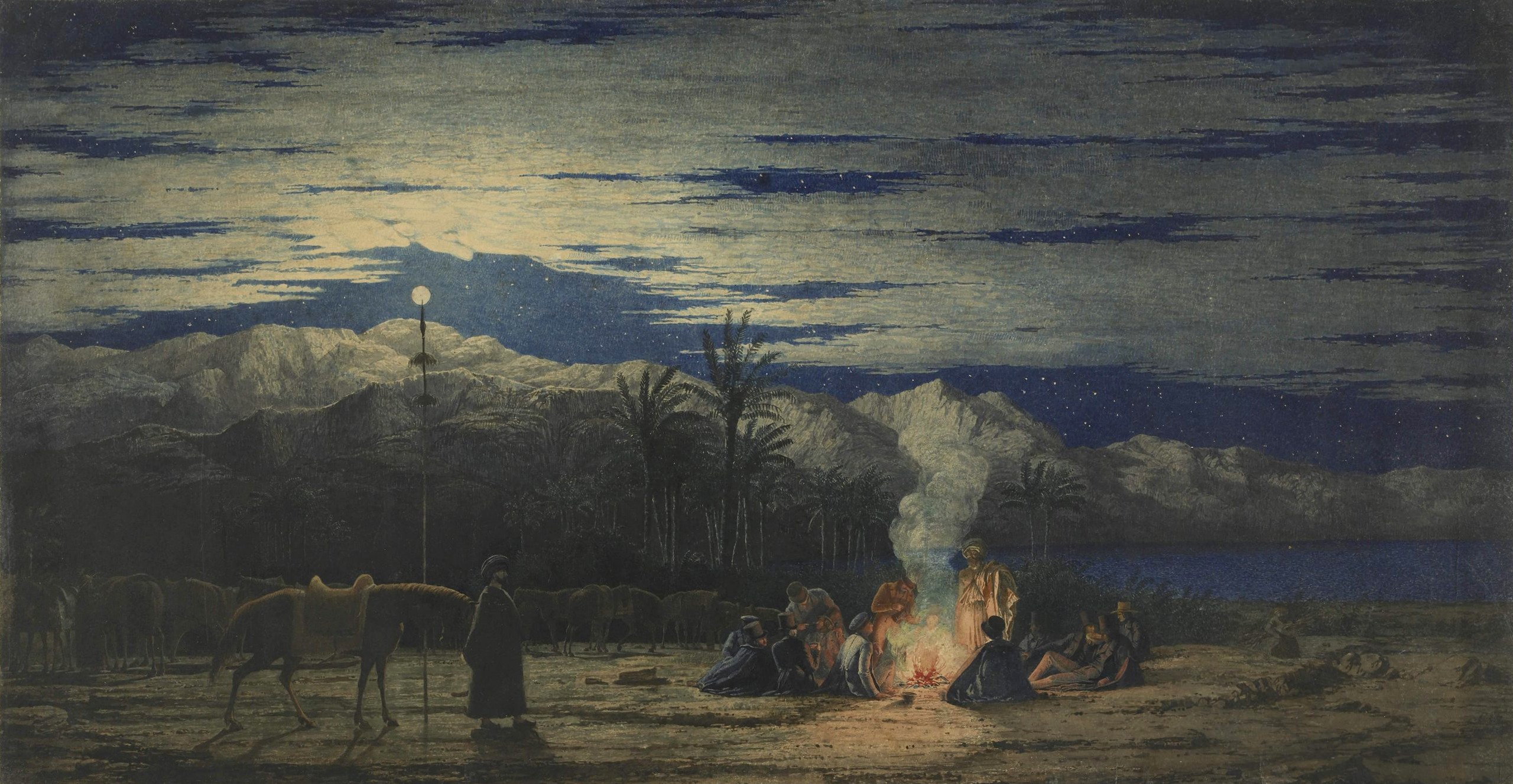
Richard Dadd, The halt in the desert, 1842-45
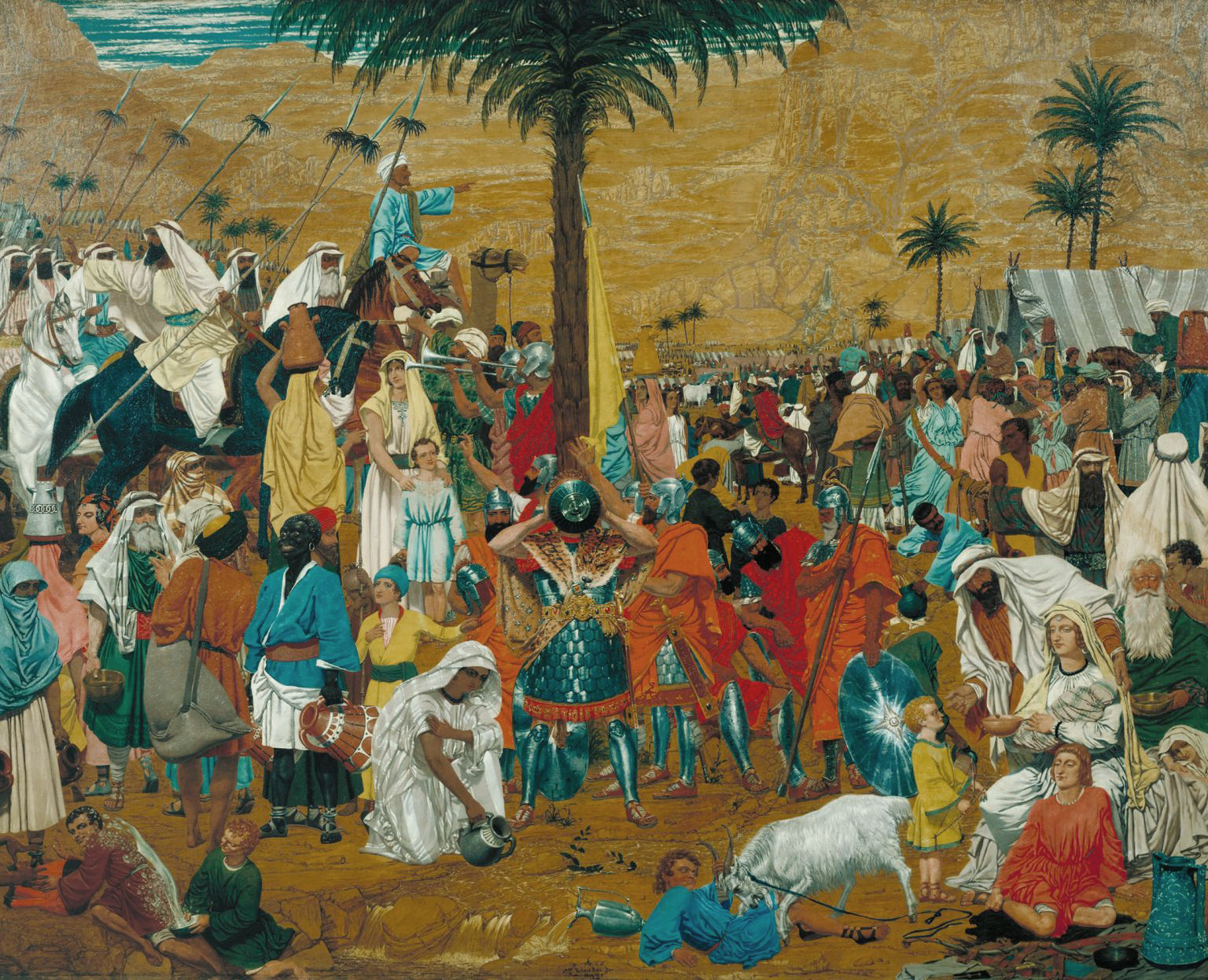
Richard Dadd, The flight out of Egypt, 1849-50
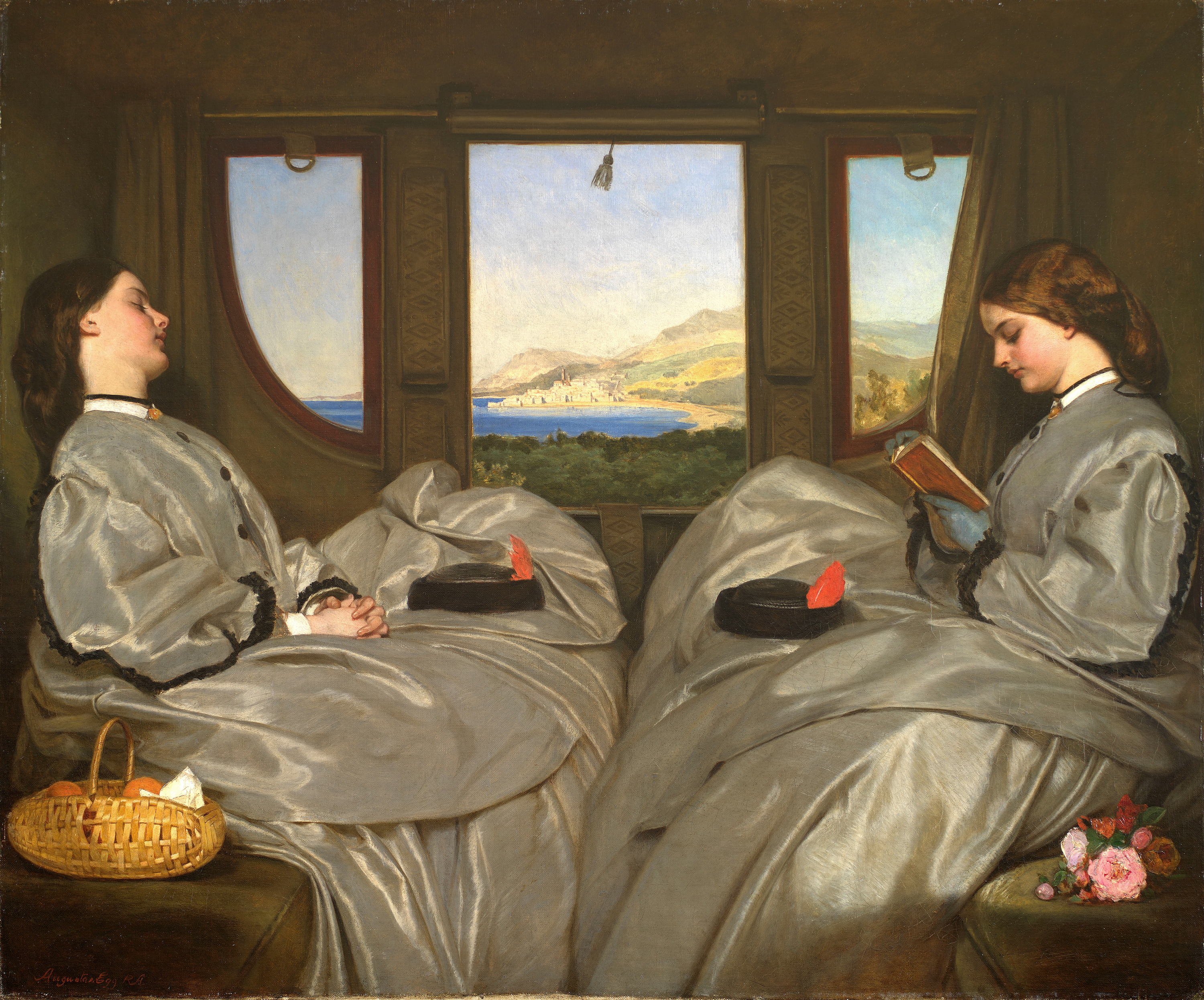
Augustus Leopold Egg, The travelling compagnons,
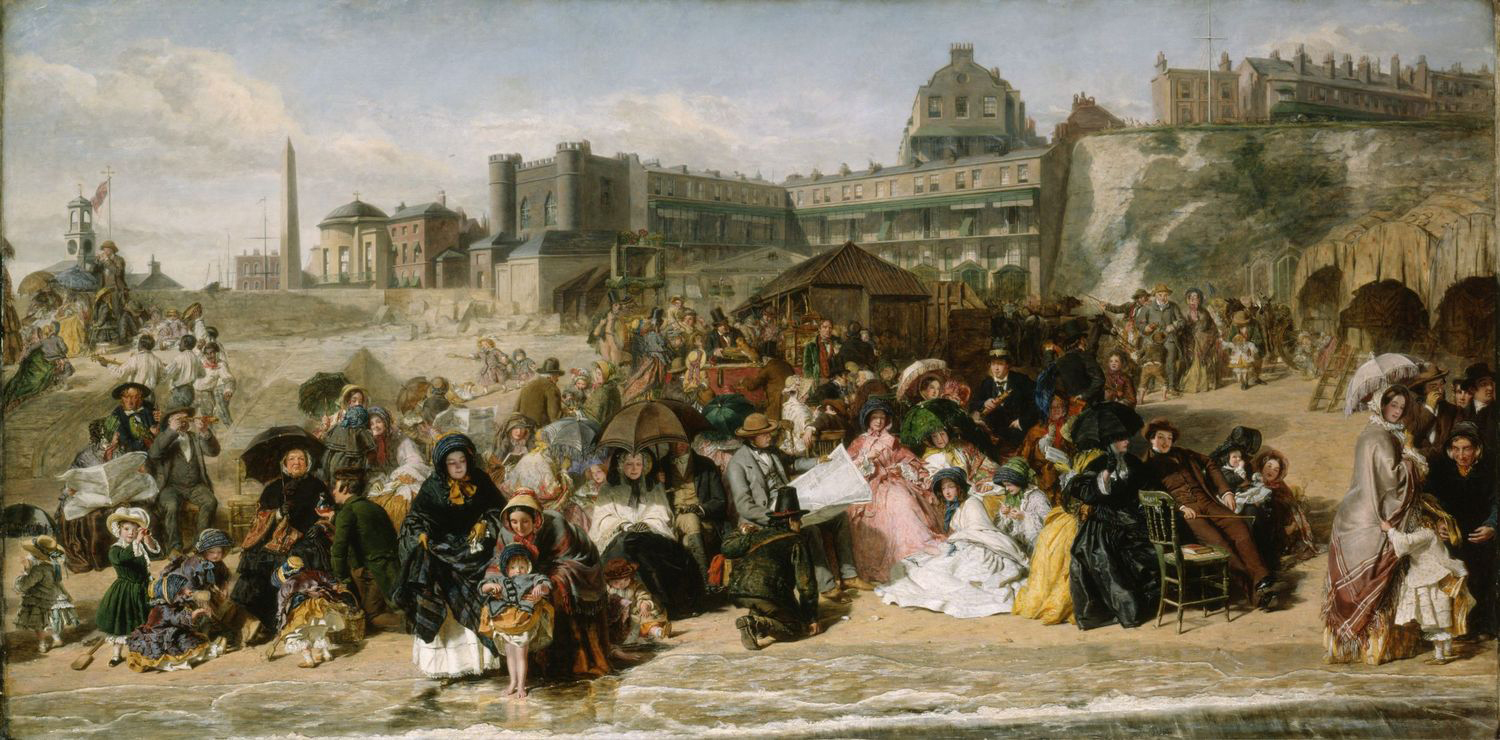
Wiliam Powell Frith, 1819-1909, Ramsgate Sands, 1854
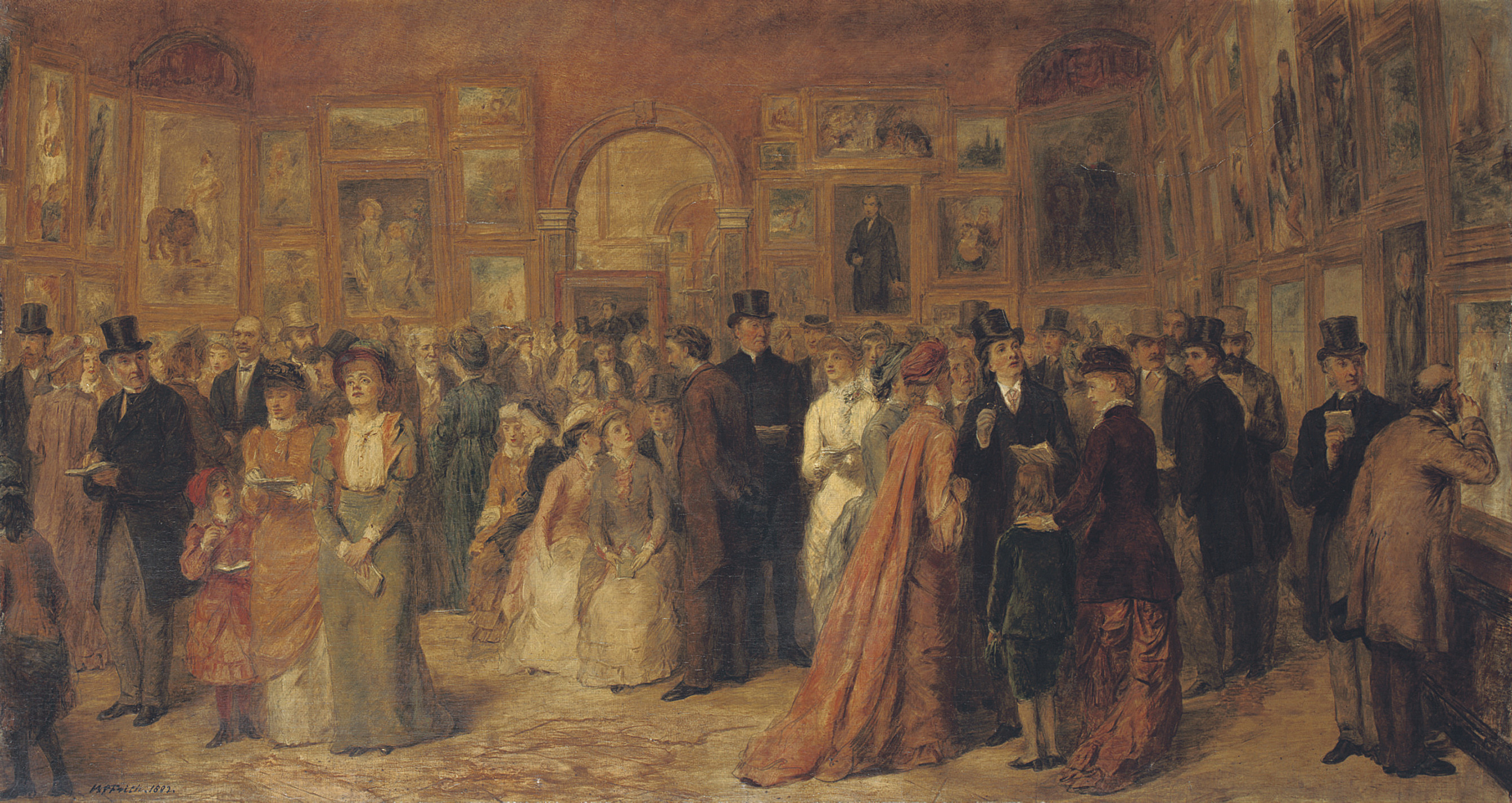
Wiliam Powell Frith, 1819-1909, The private view, 1882, oil on canvas
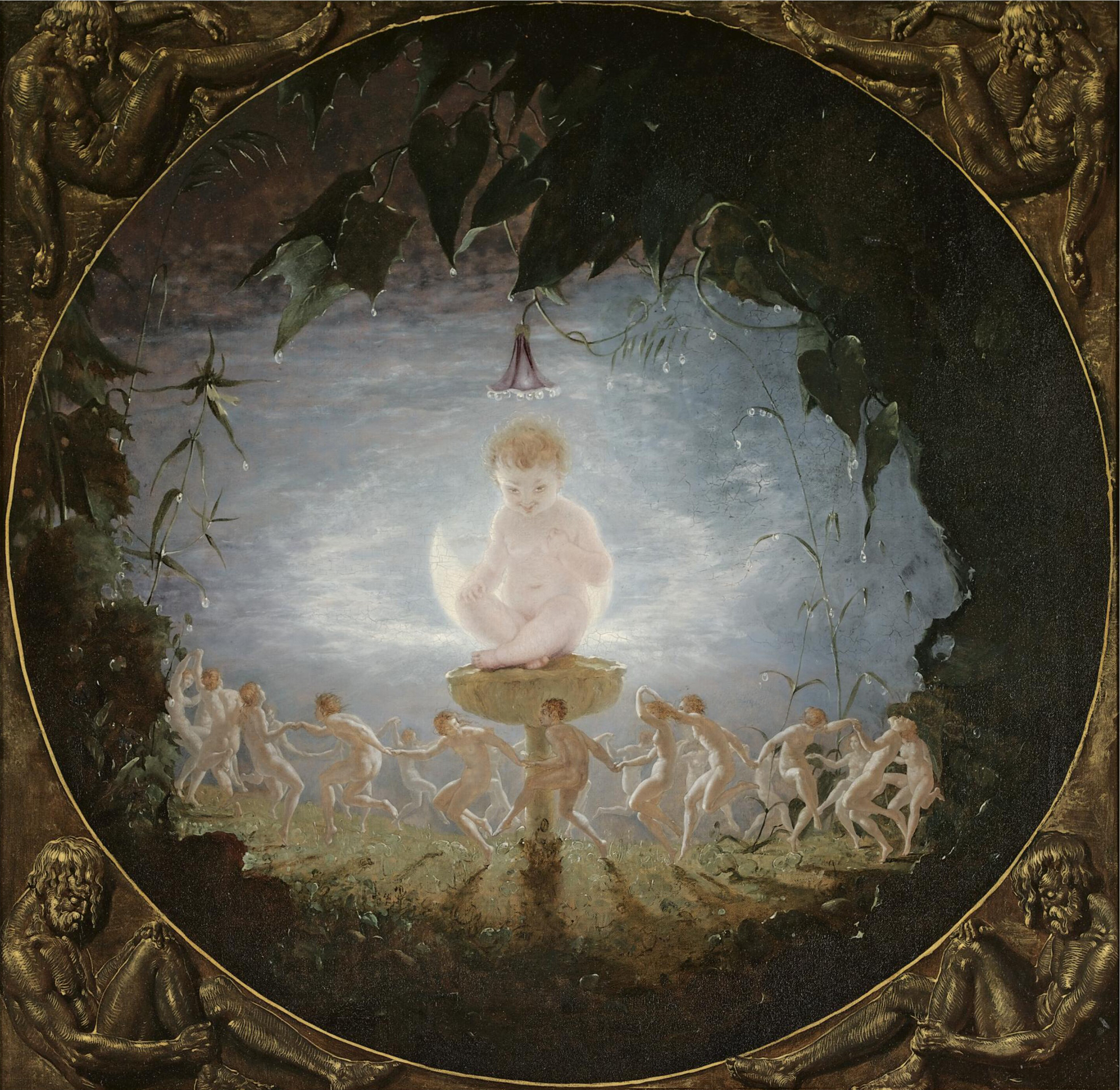
Richard Dadd, Puck, 1841, oil on canvas
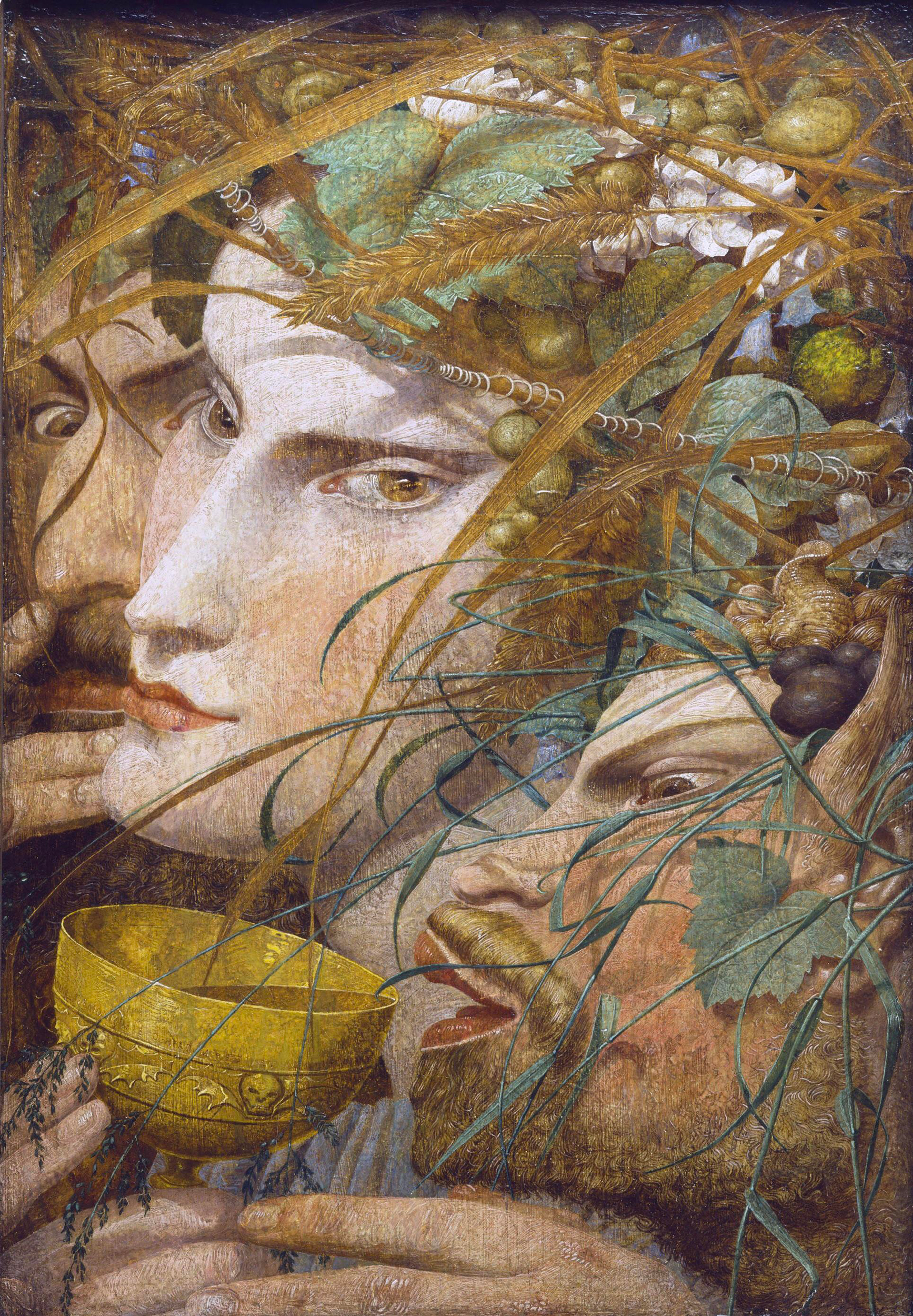
Richard Dadd, Bacchanalian scene, 1862
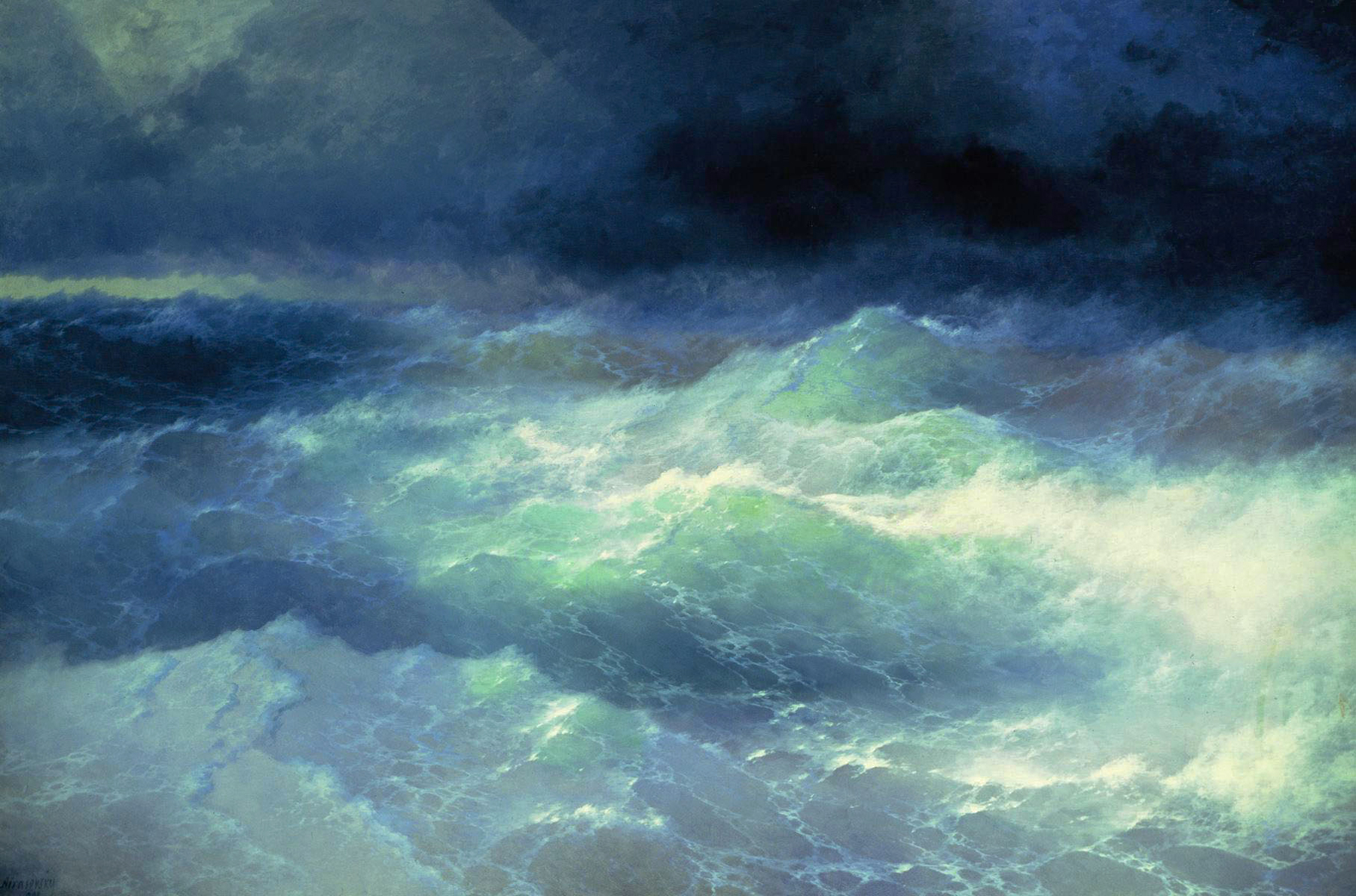
Ivan Aivazovsky, Among the waves, 1898, oil on canvas
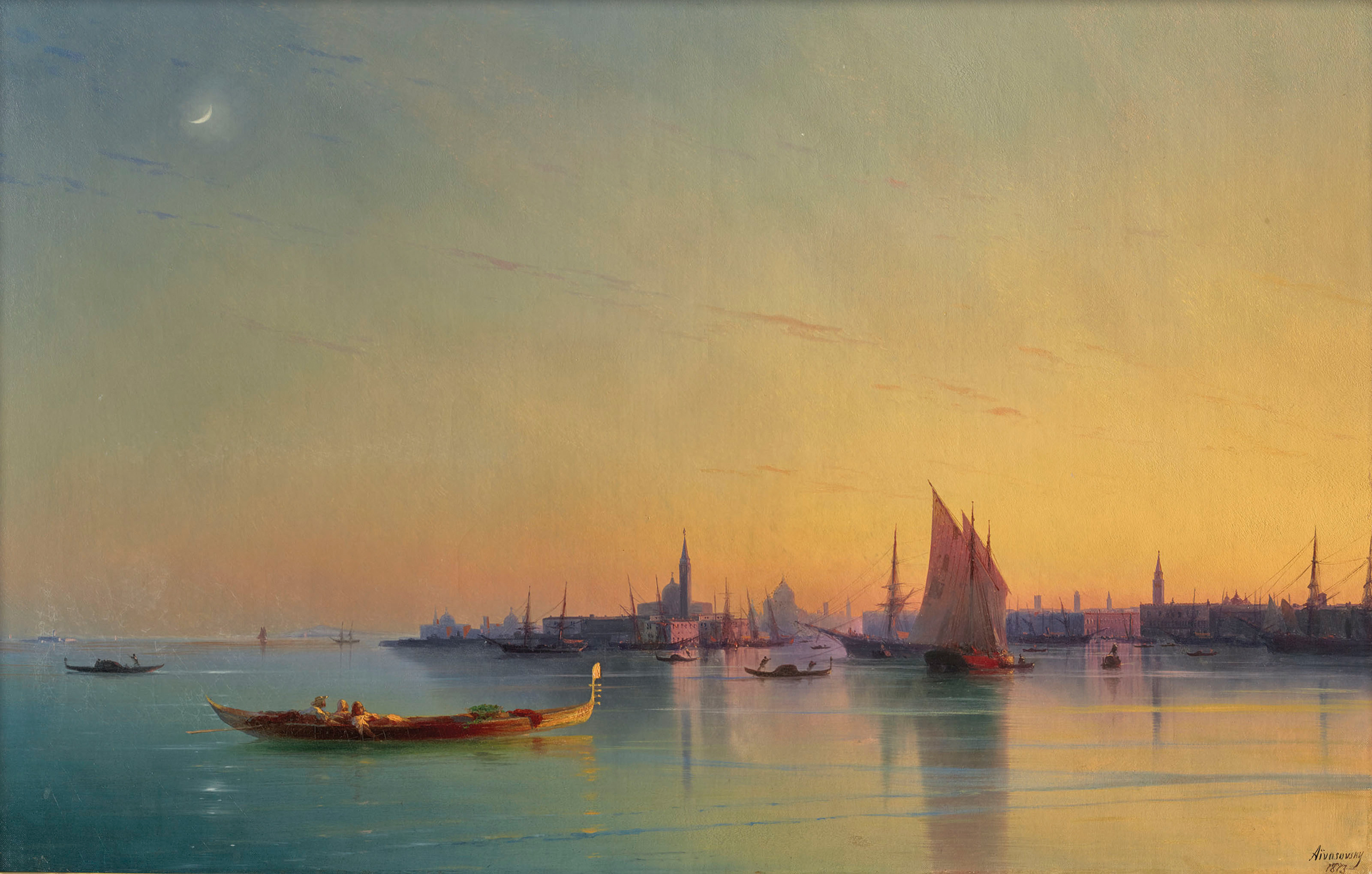
Ivan Aivazovsky, Venise at sunset, 1873, oil on canvas
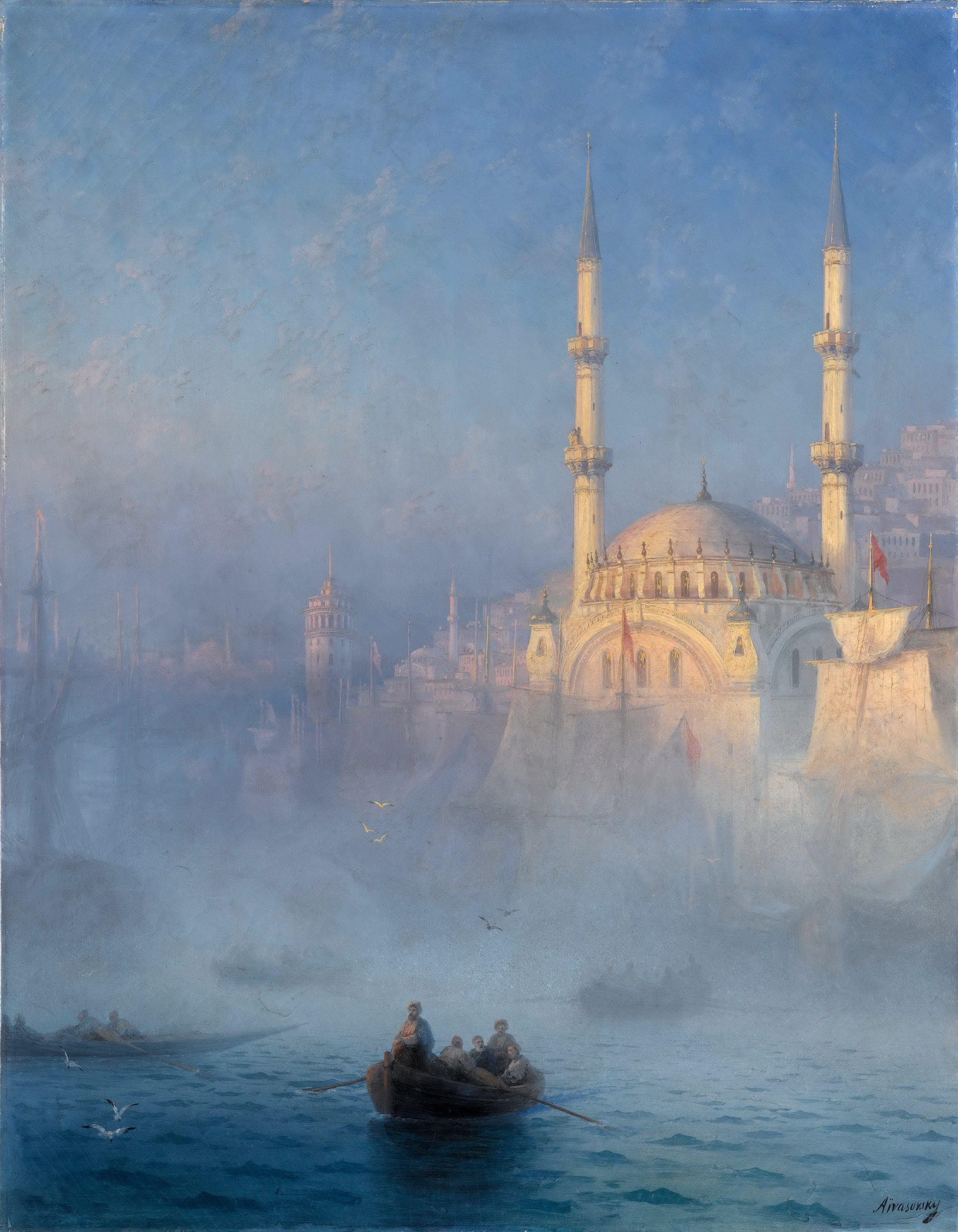
Ivan Aivazovsky, Constantinople, oil on canvas
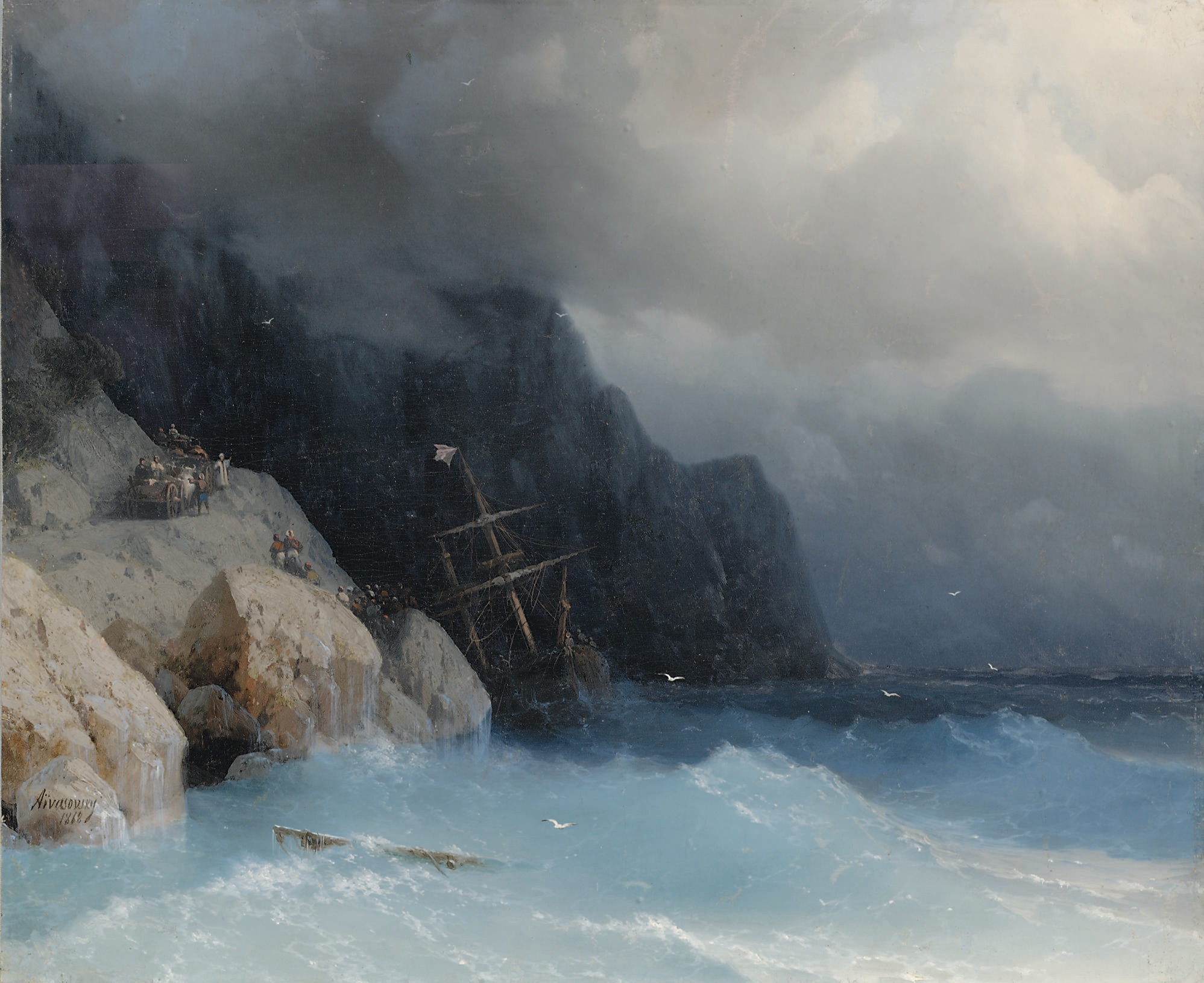
Ivan Aivazovsky, Survivors of a shipwreck on a rocky path, 1868, oil on canvas
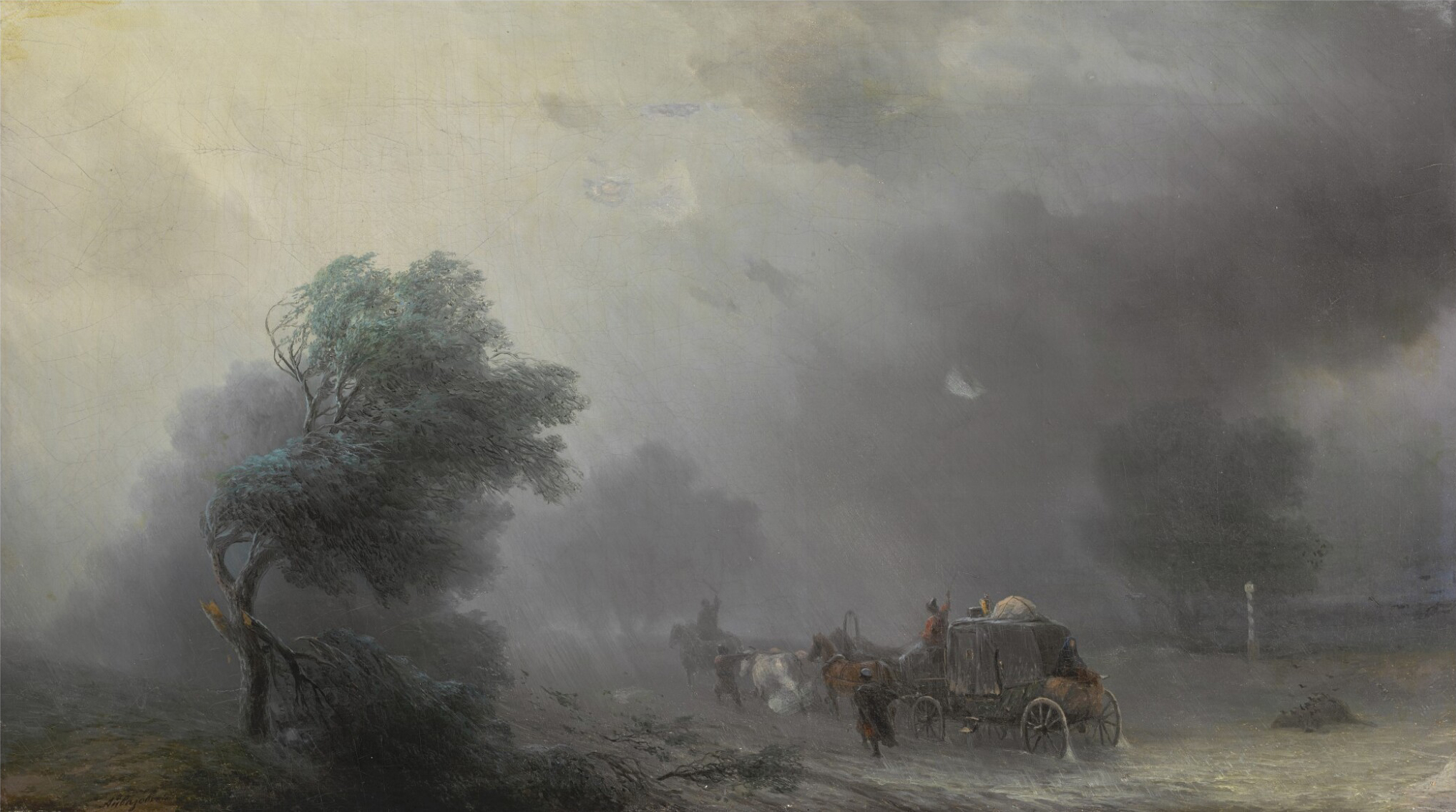
Ivan Aivazovsky, Carriage in a storm, oil on canvas
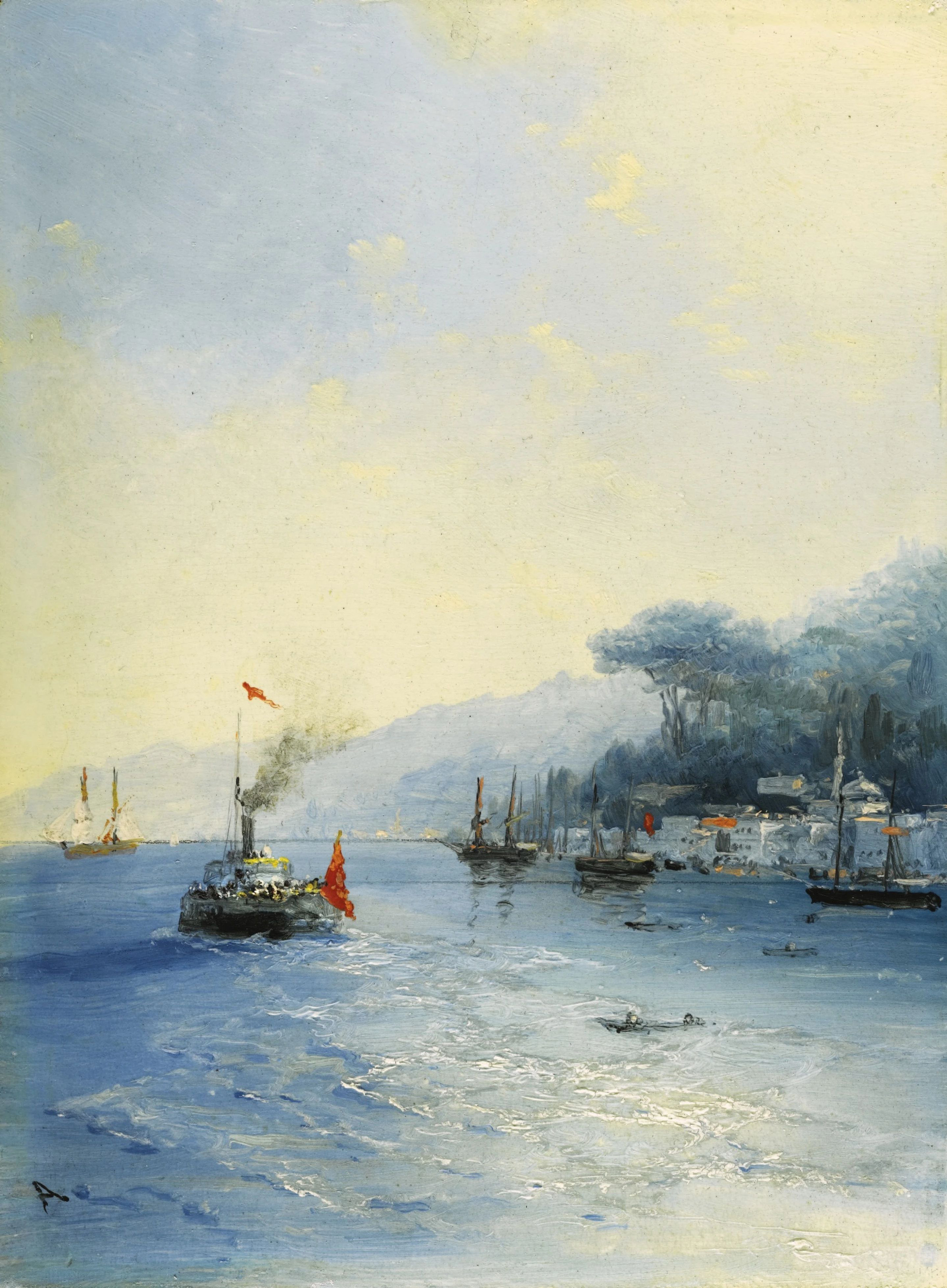
Ivan Aivazovsky, Shipping on the Bosphorus, Constantinople, 1900, oil on panel
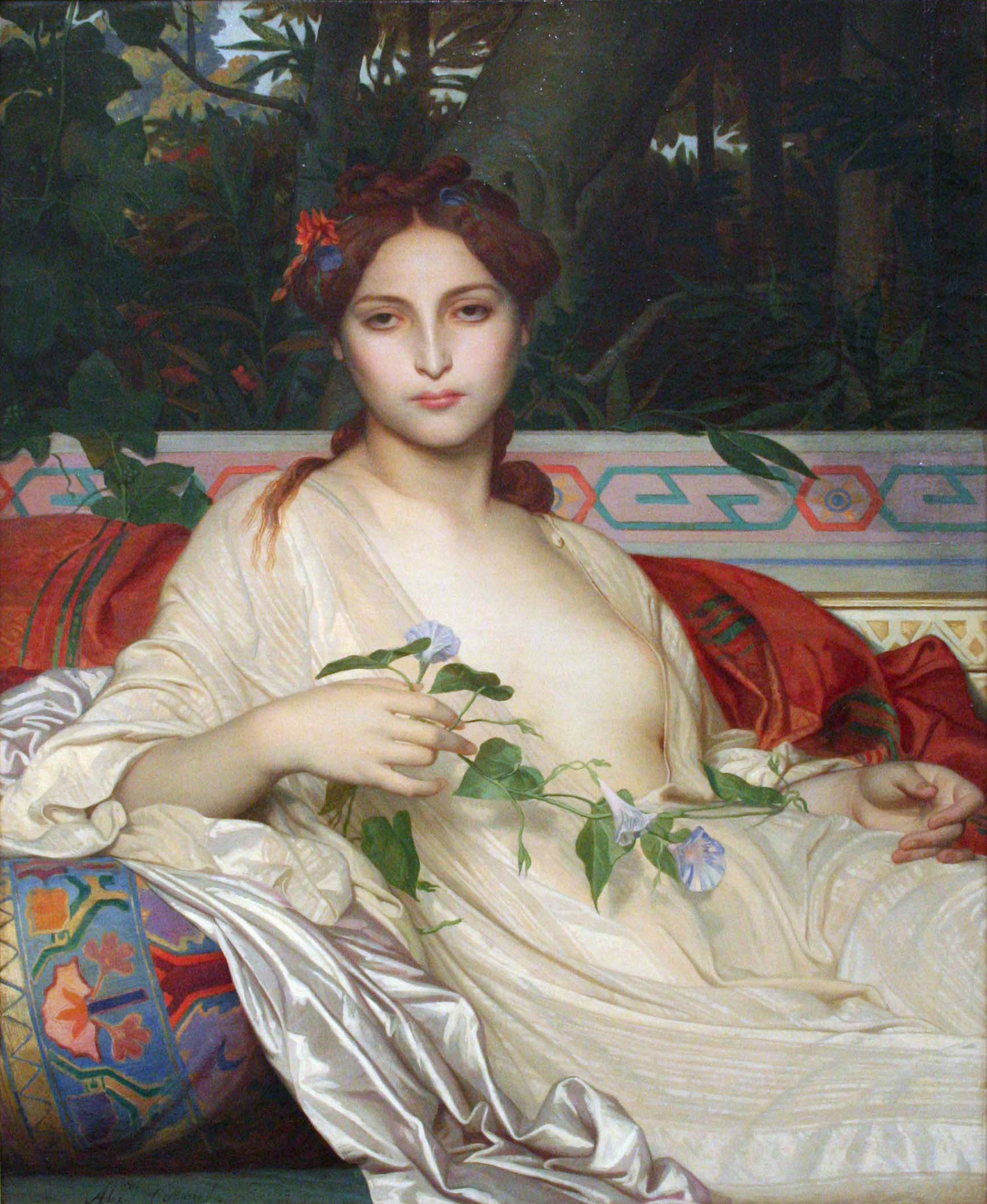
Alexandre Cabanel, Albaydé, 1848, oil on canvas
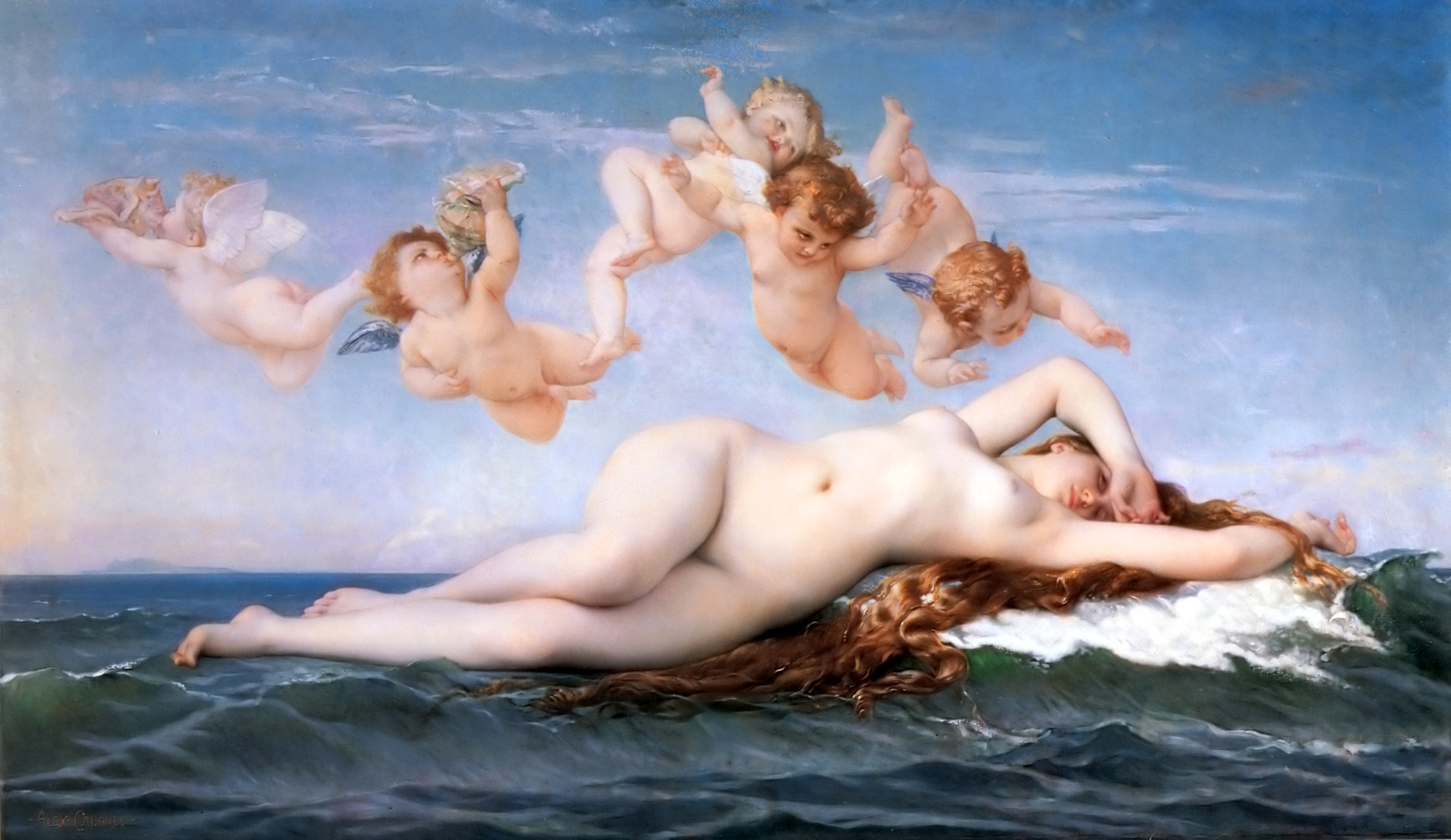
Alexandre Cabanel, Naissance de Vénus, 1863, oil on cavas
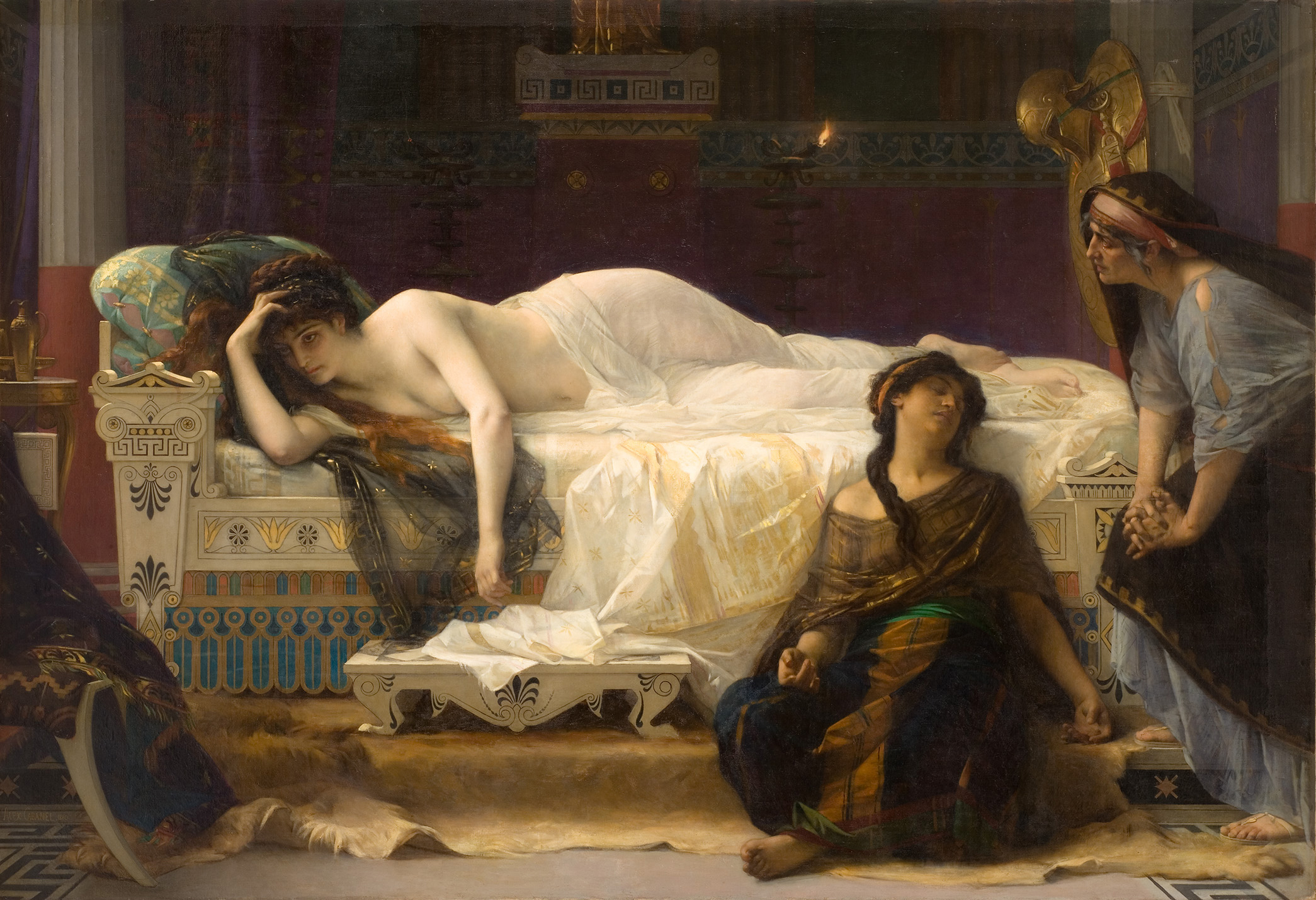
Alexandre Cabanel, Phèdre, 1880, oil on canvas
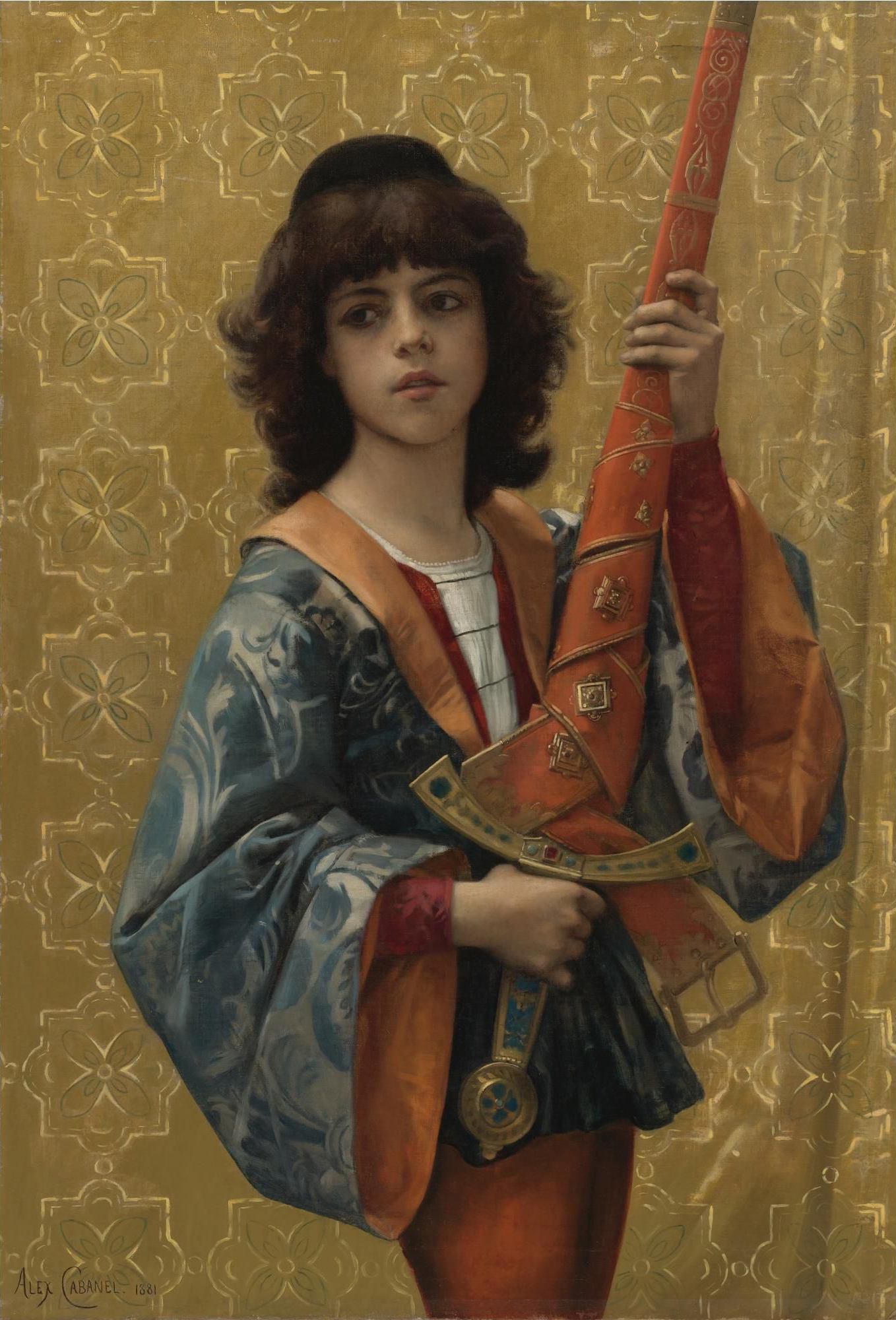
Alexandre Cabanel, A page, oil on canvas
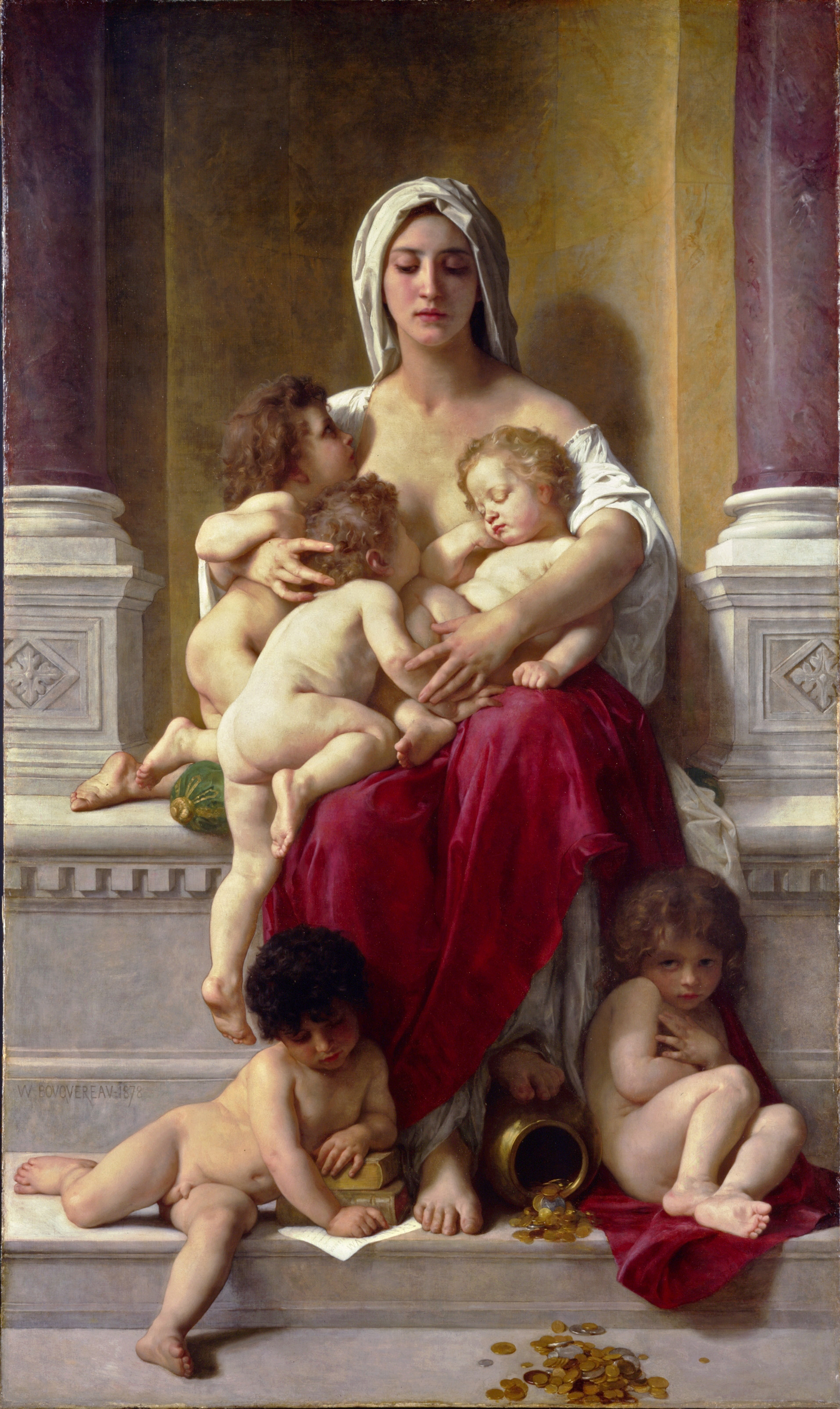
William Bouguereau, Charity, 1878, oil on canvas
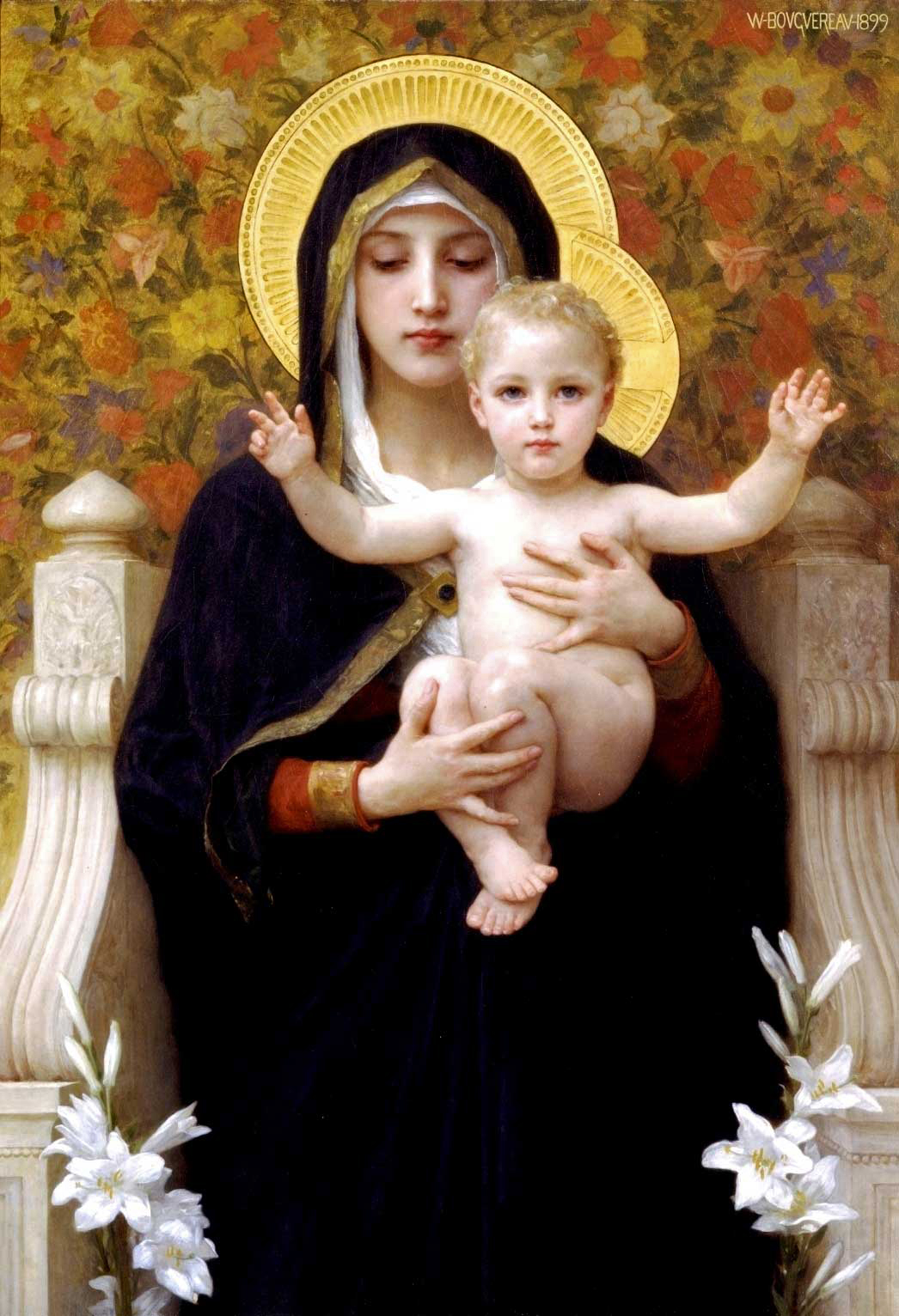
William Bouguereau, The Virgin of the lilies, 1899, oil on canvas
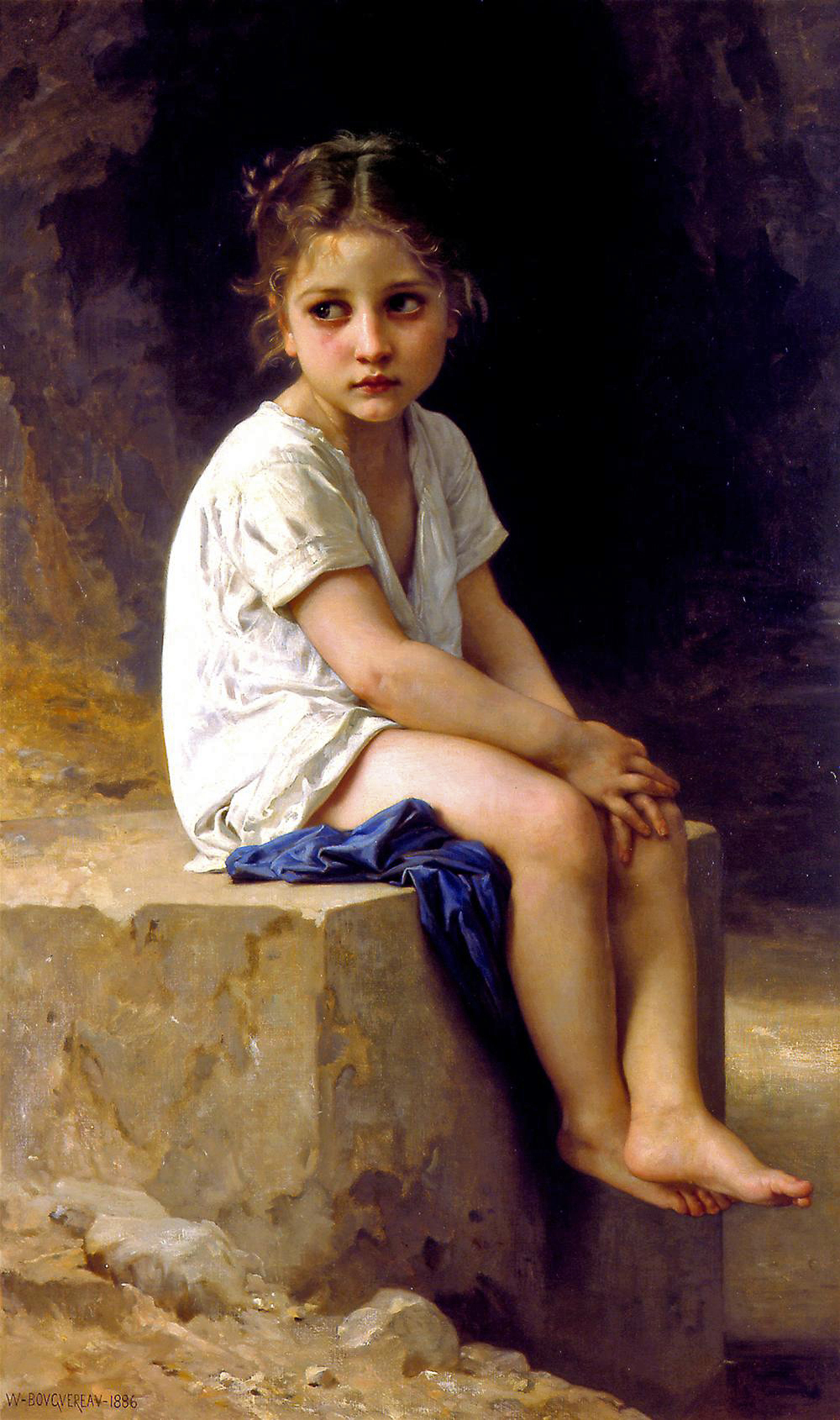
William Bouguereau, At the foot of the cliff, 1886, oil on canvas
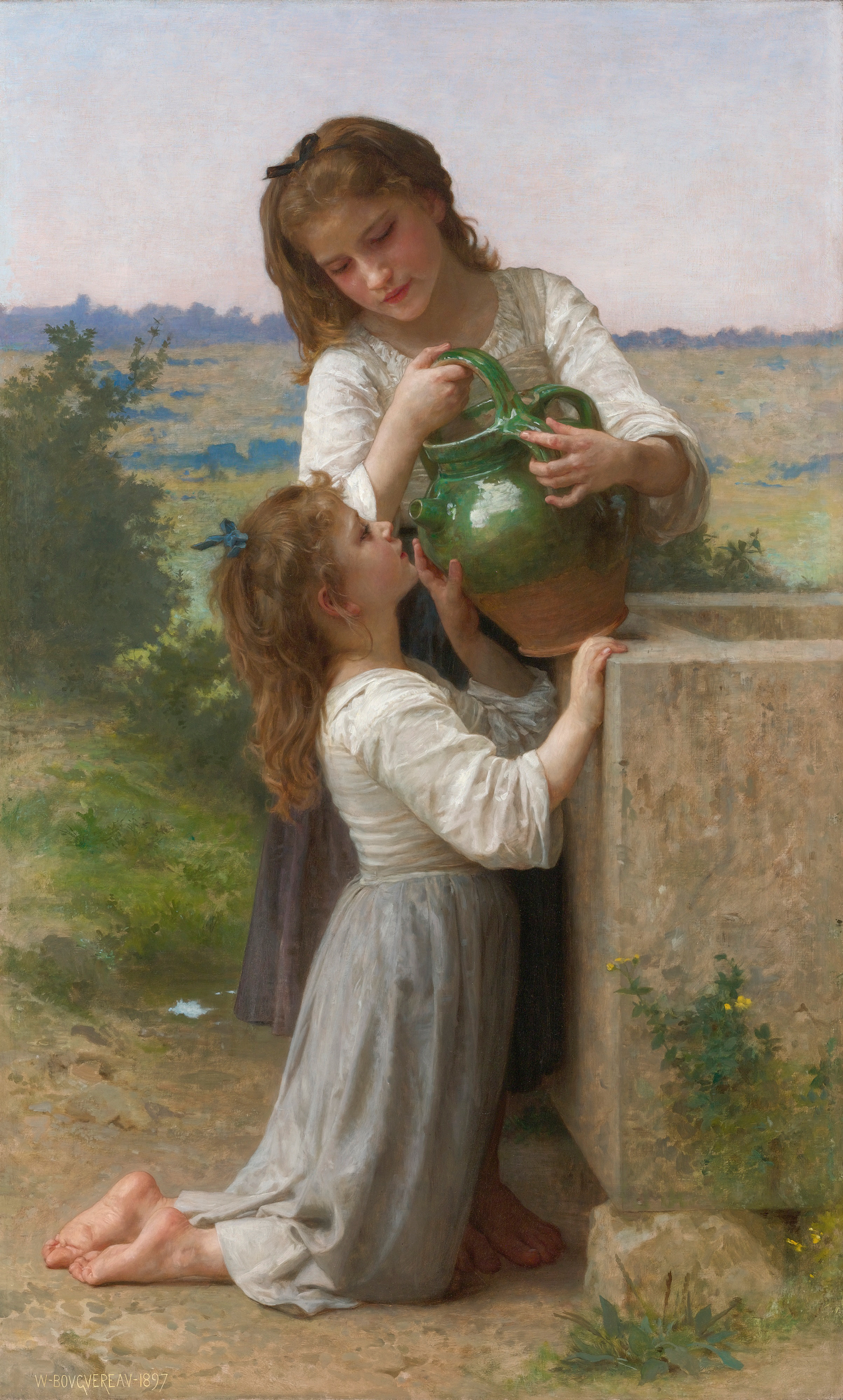
William Bouguereau, At the fountain, 1897, oil on canvas
William Bouguereau, Jeune mère contemplant son enfant, 1871, oil on canvas
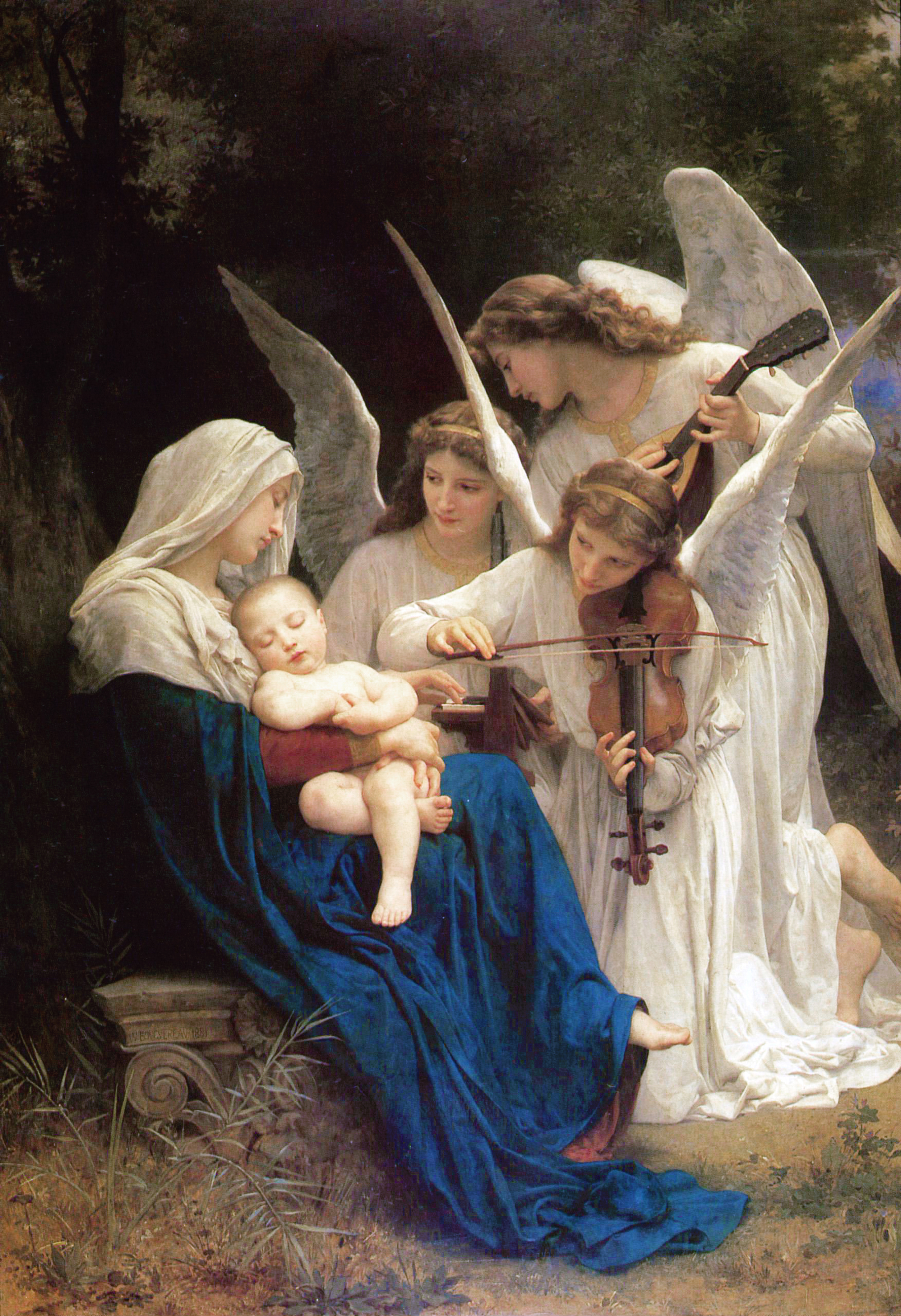
William Bouguereau, The Virgin of the angels, 1881, oil
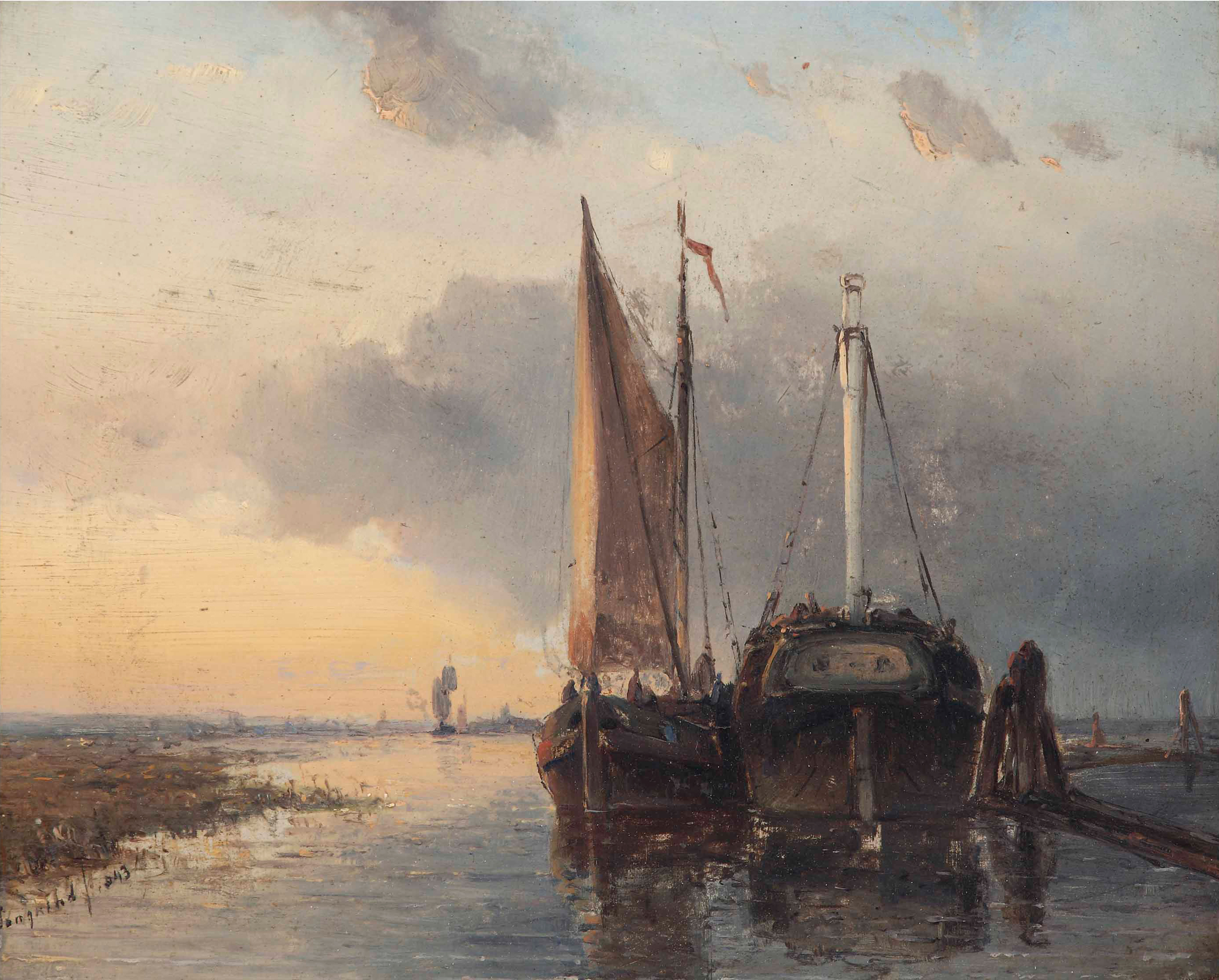
Johan Jongkind, Moured vessels at sunset, 1843
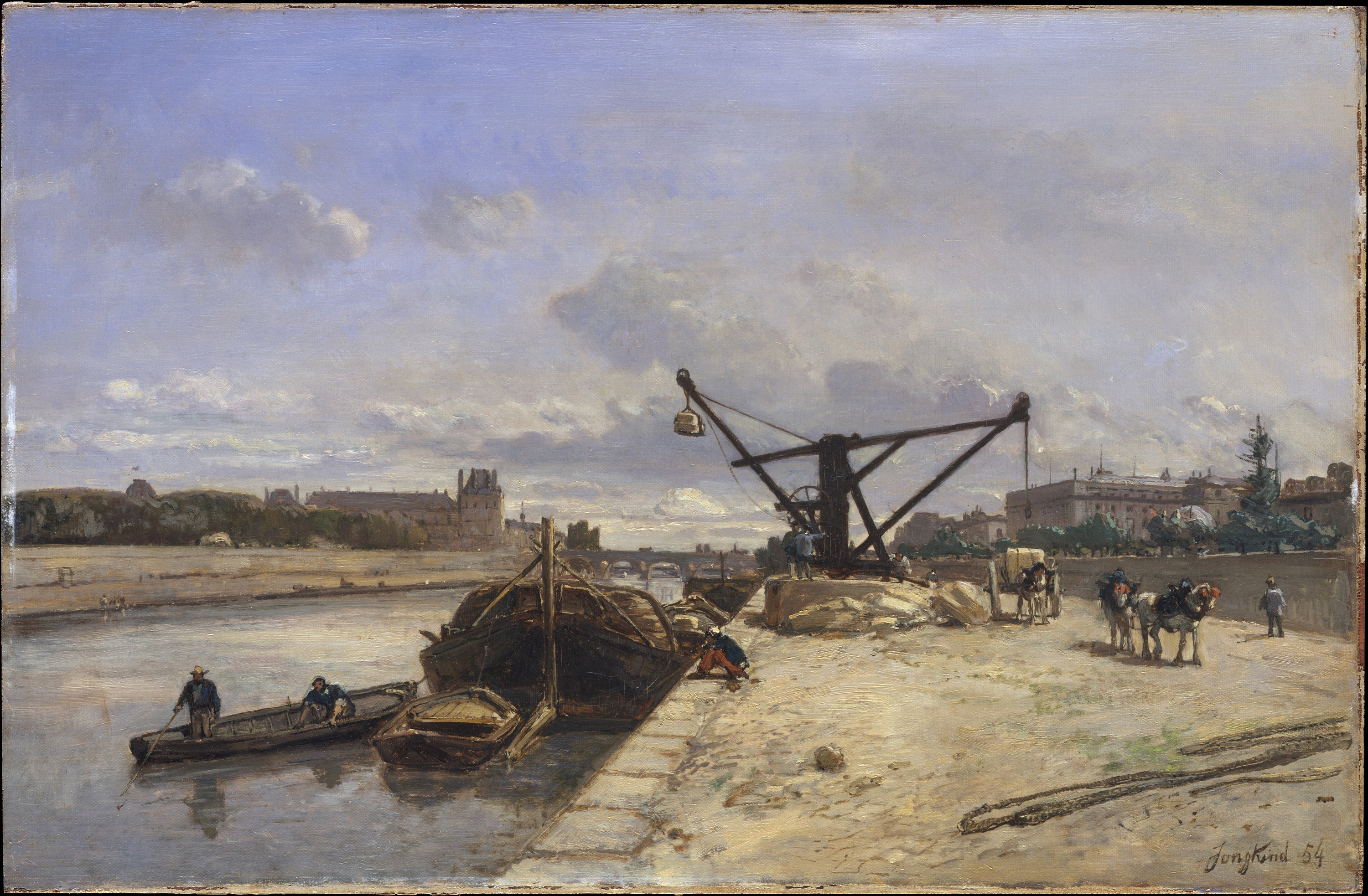
Johan Jongkind, View from the Quai d'Orsay, 1954, oil on canvas
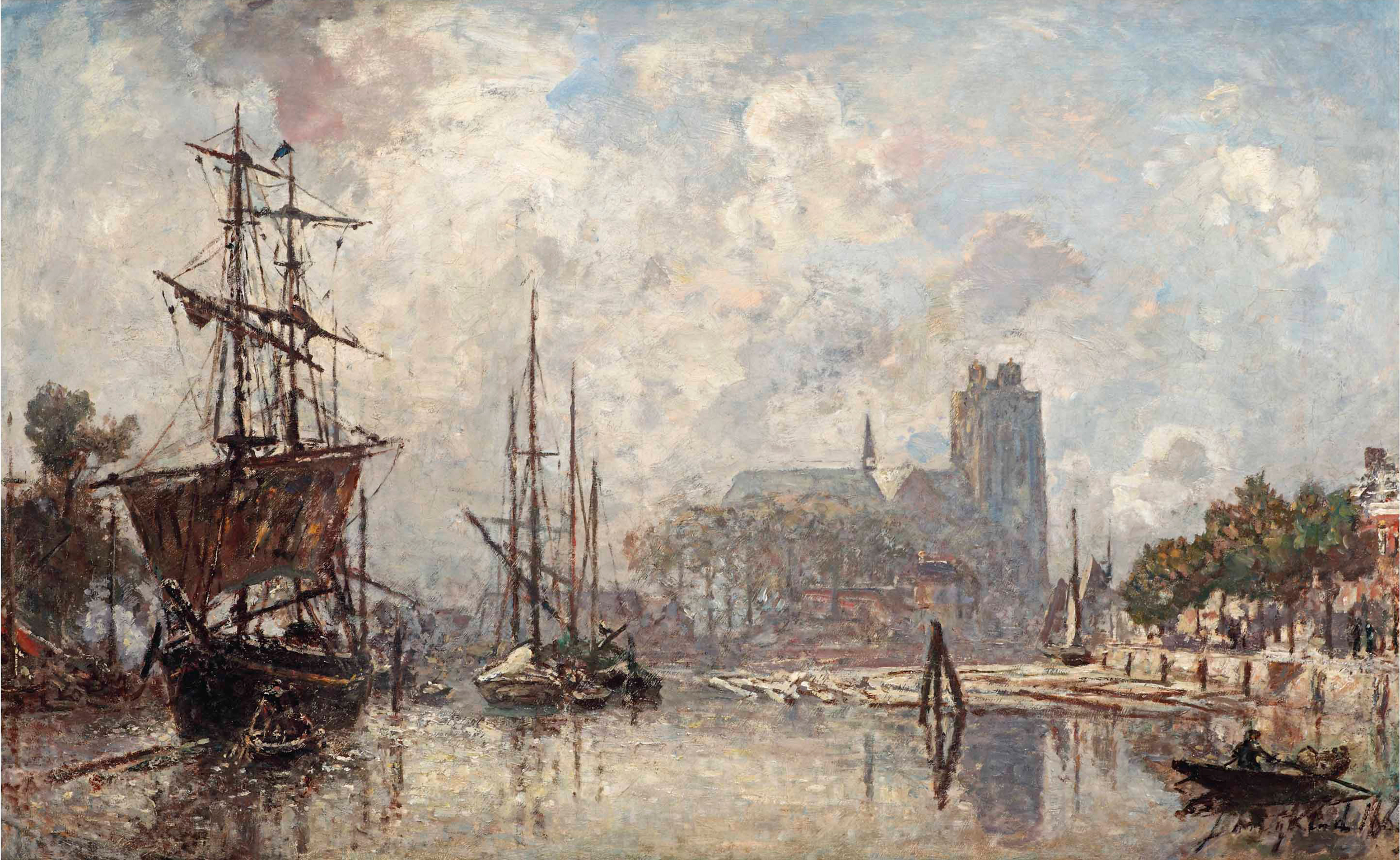
Johan Jongkind, Le port de Dordrecht, temps brumeux, 1869, oil on canvas
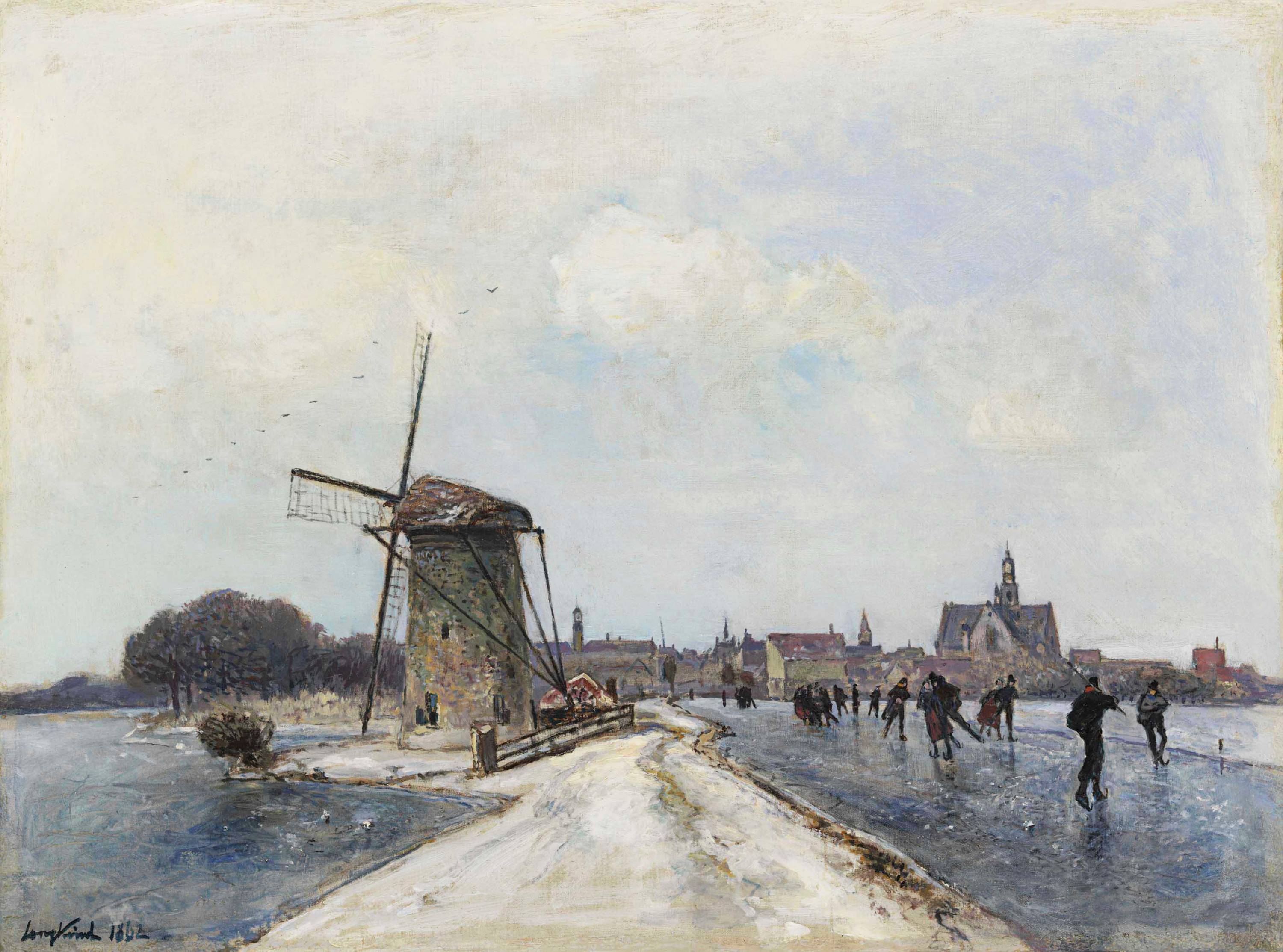
Johan Jongkind, Patineurs à Maassluis, 1862, oil on canvas
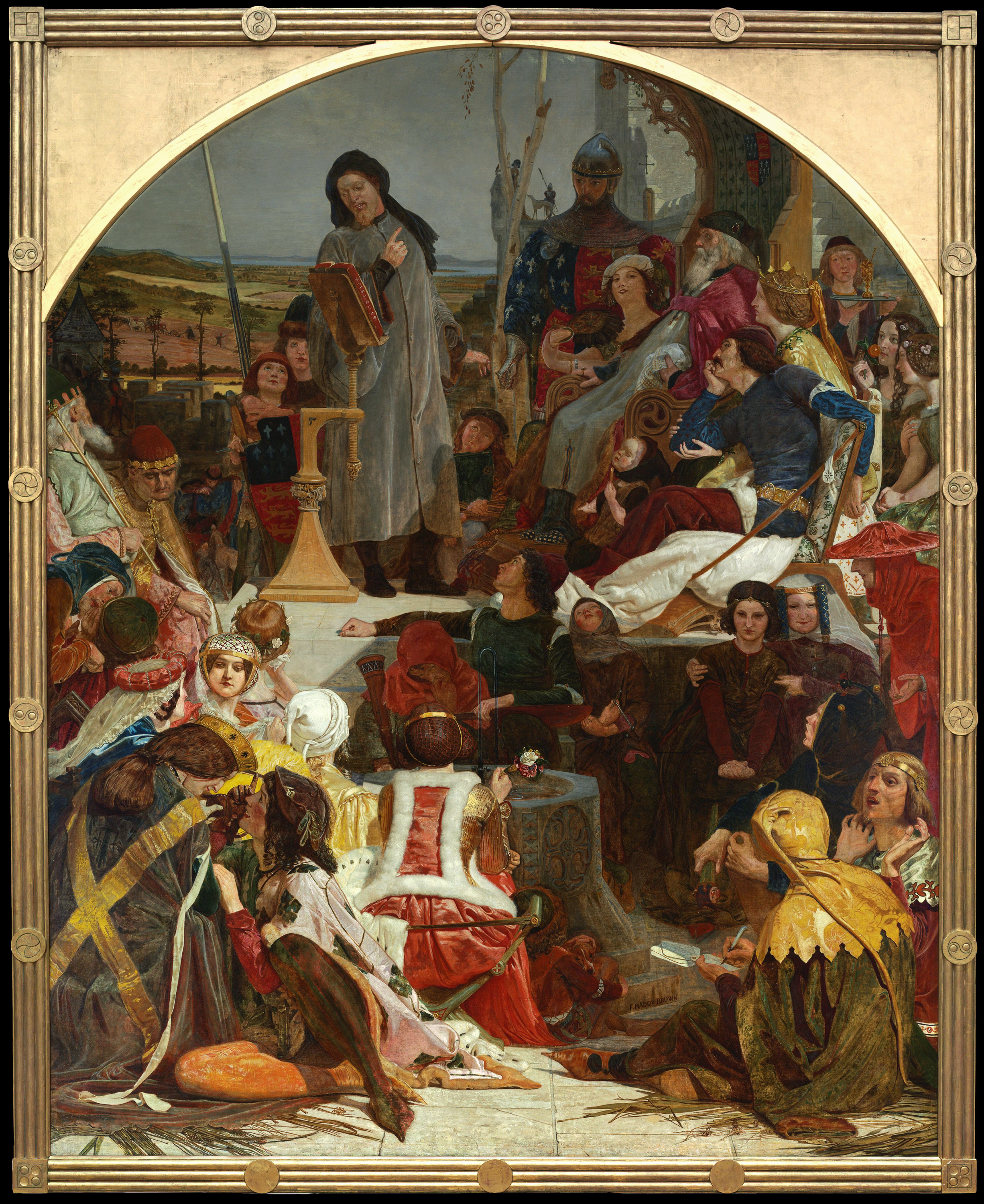
Ford Madox Brown, Chaucer at the court of Edward III, 1847-51, oil on canvas
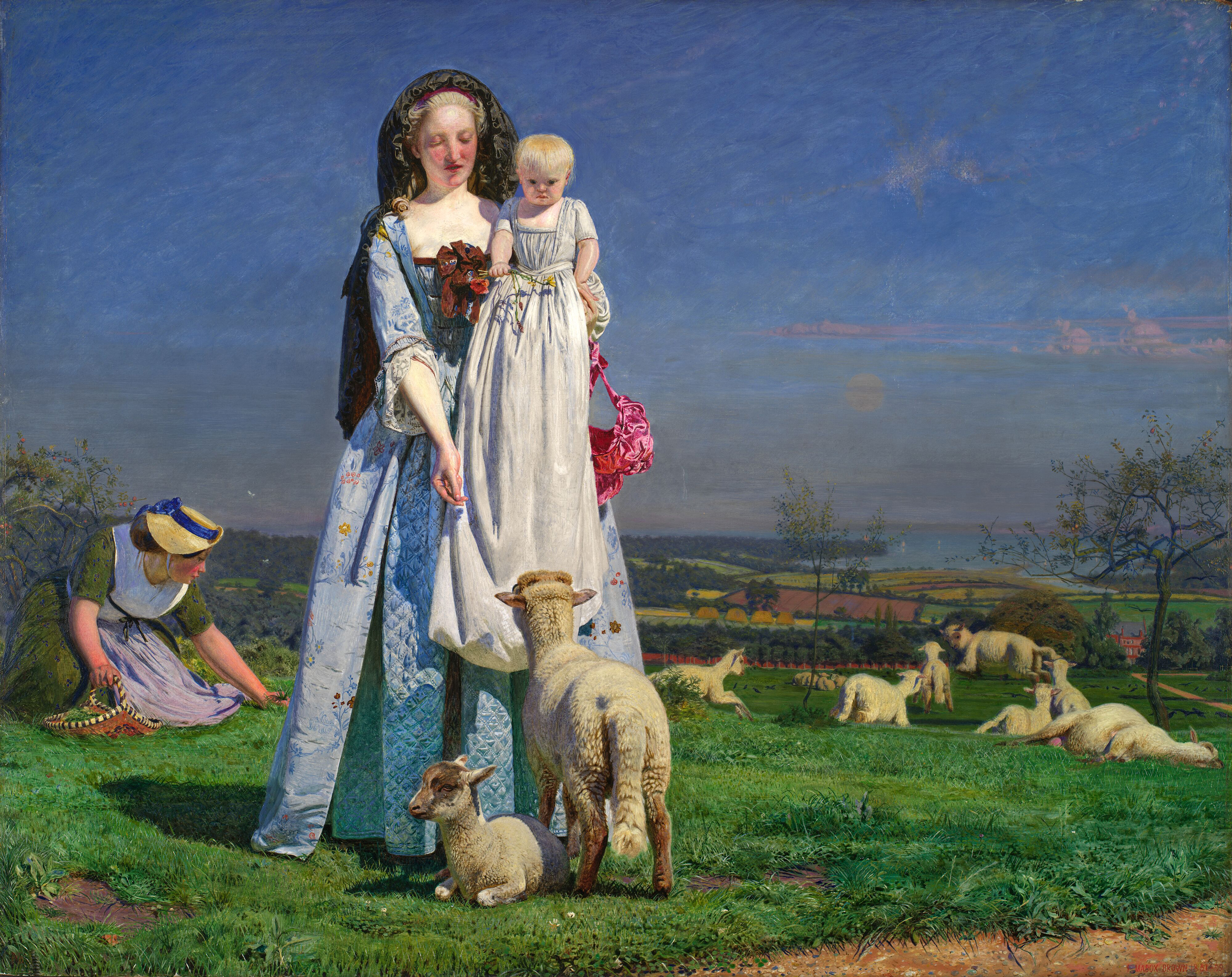
Ford Madox Brown, Pretty baa-lambs, 1851-29, oil on panel
Ford Madox Brown, An English Autumn afternoon, 1852-53, oil
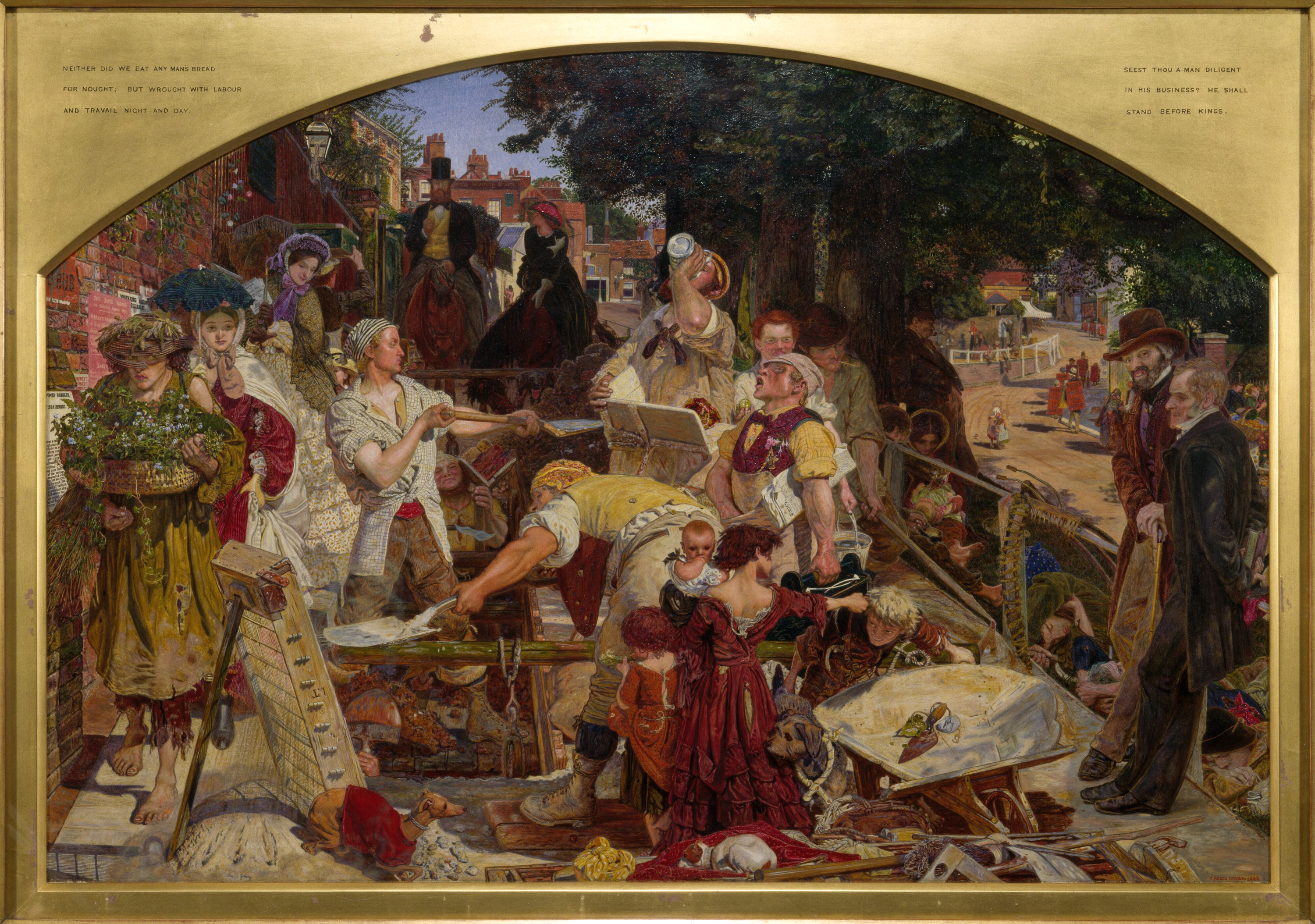
Ford Madox Brown, Work, 1863, oil on canvas
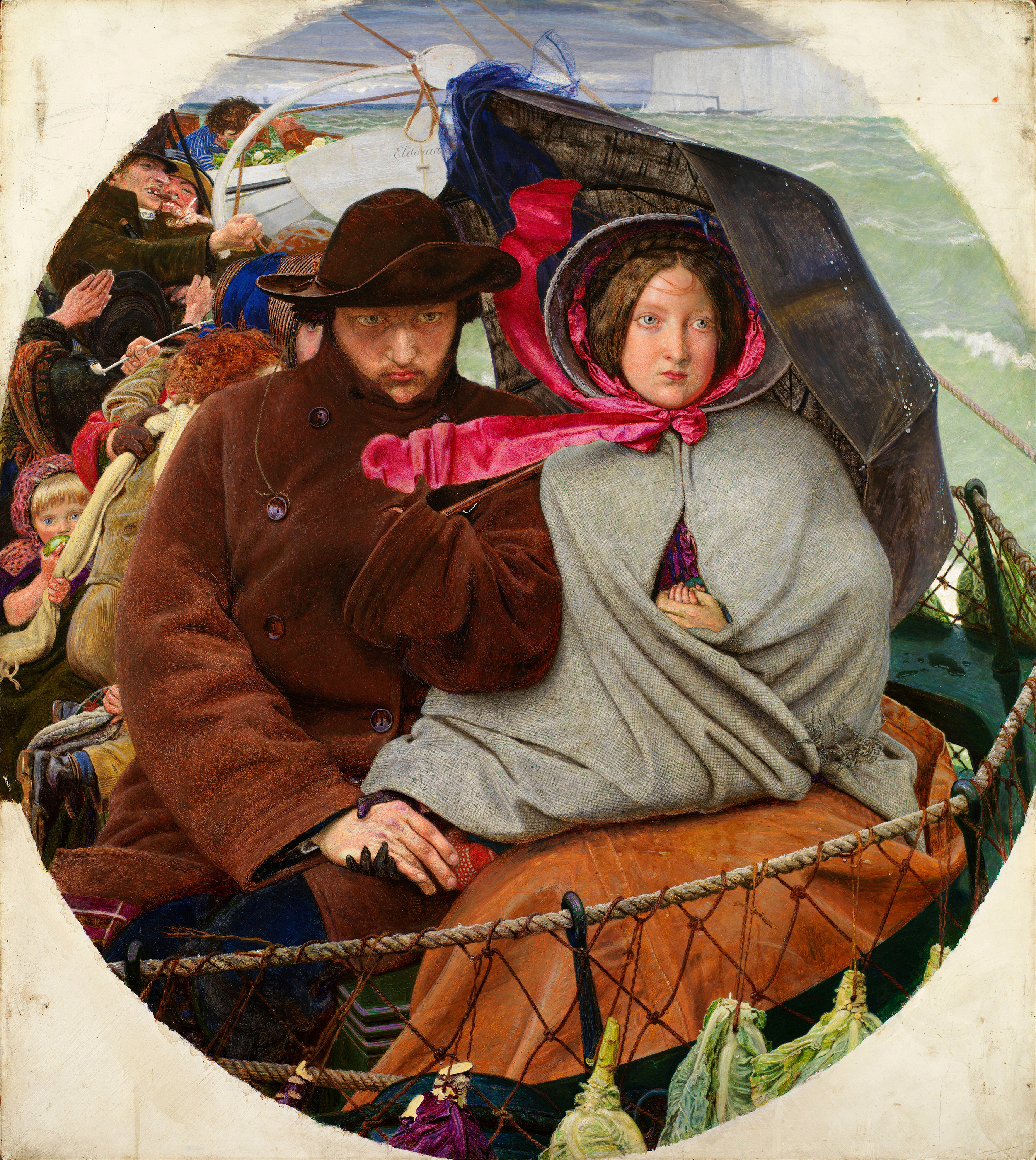
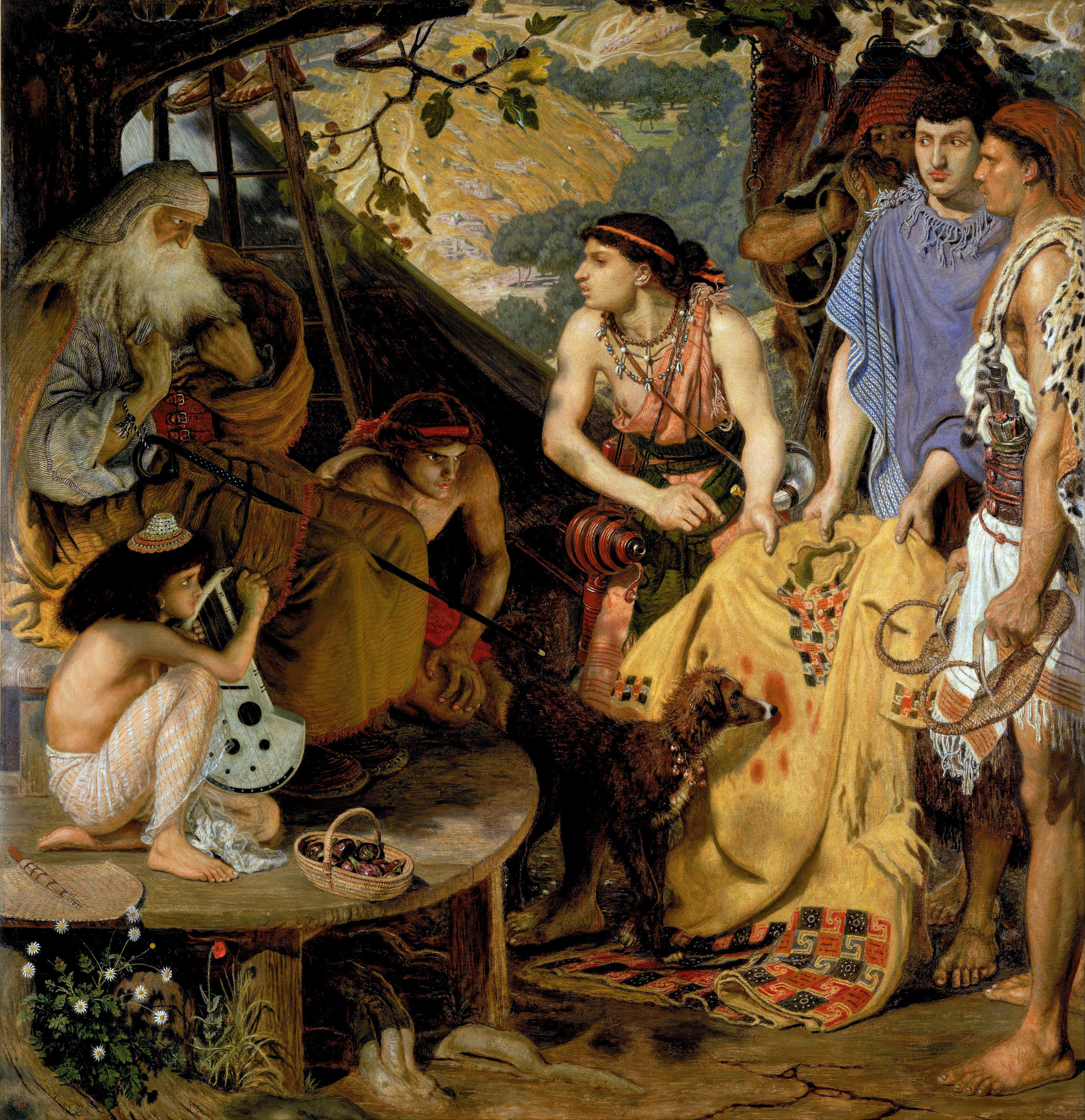
Ford Madox Brown, The last of England Ford Madox Brown, The coat of many colours, 1864-66, oil on canvas
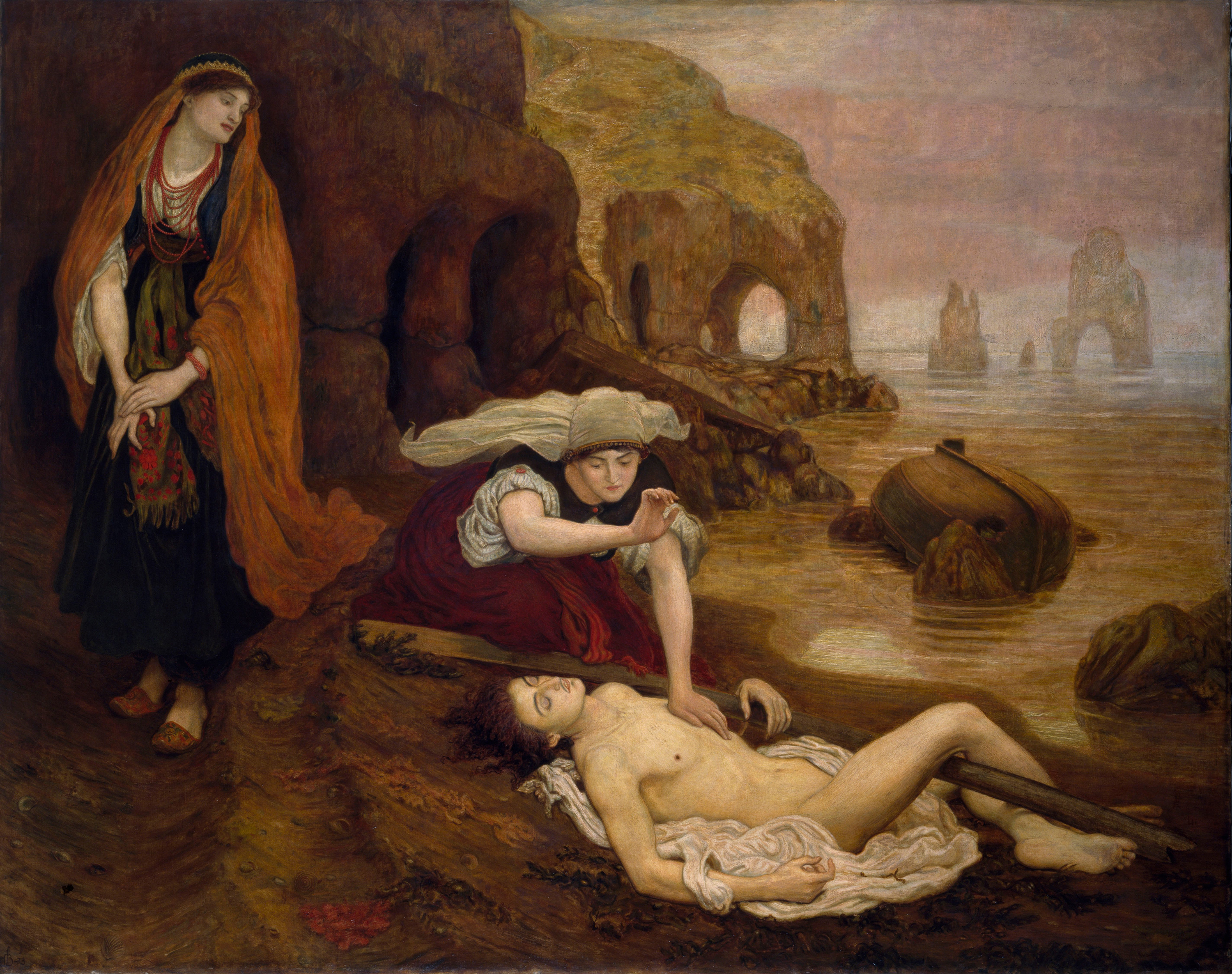
Ford Madox Brown, Finding of Don Juan by Haidee, 1873, oil on panel
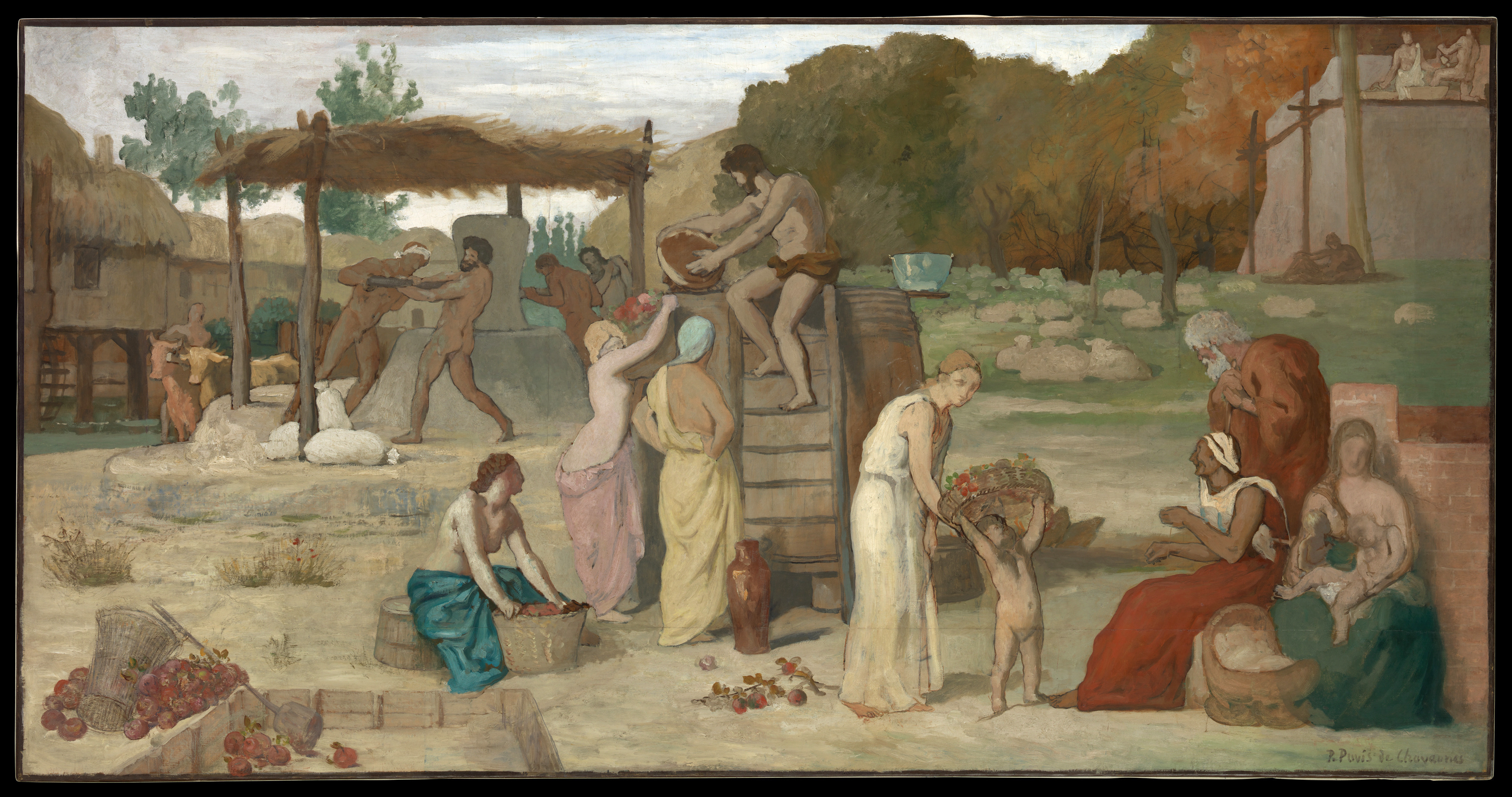
Pierre Puvis de Chavannes, Cider, ca 1864, mural
Pierre Puvis de Chavannes, Hope, 1872, oil on canvas
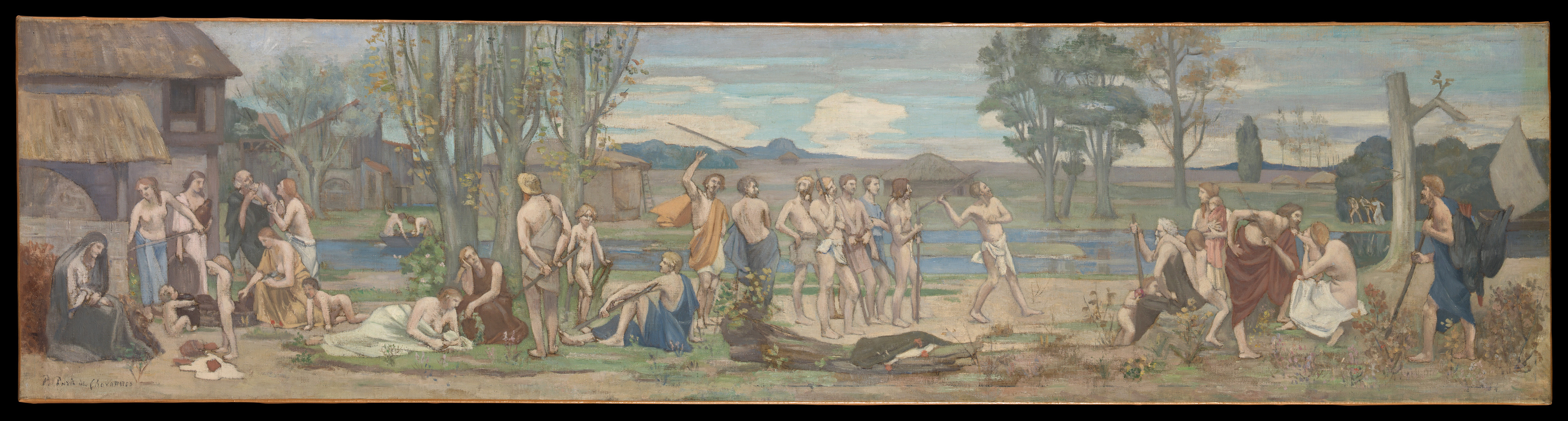
Pierre Puvis de Chavannes, Ludus pro patria, replica, ca 1883-89,
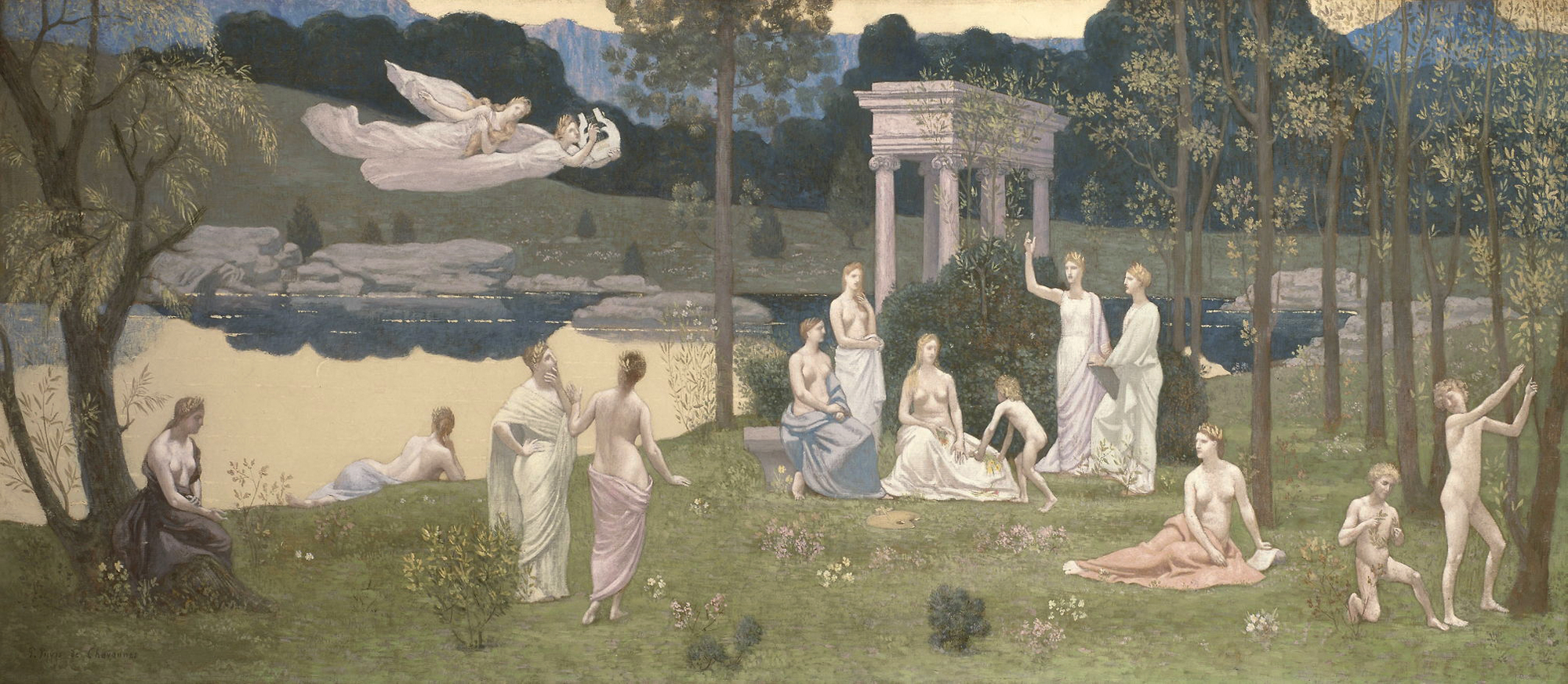
Pierre Puvis de Chavannes, The sacred grove, beloved of the arts and the muses, 1884-89, oil on canvas
Pierre Puvis de Chavannes, Inter artes et naturam, 1890-95
Pierre Puvis de Chavannes, Le bois sacré (Sorbonne), 1889
Pierre Puvis de Chavannes, The shepherd's song, 1891, oil on canvas
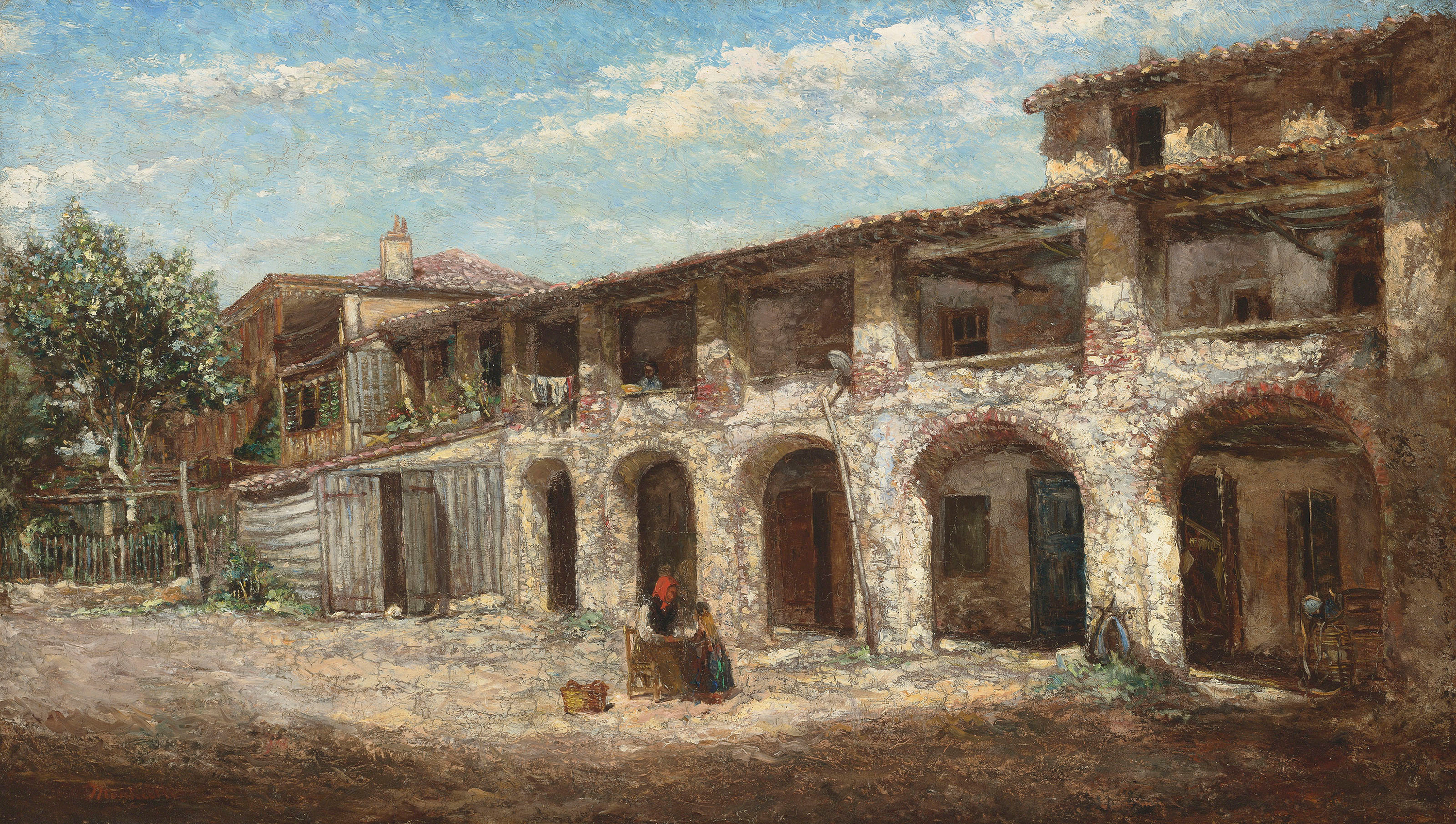
Adolphe Monticelli, La ferme aux arcades, oil on canvas
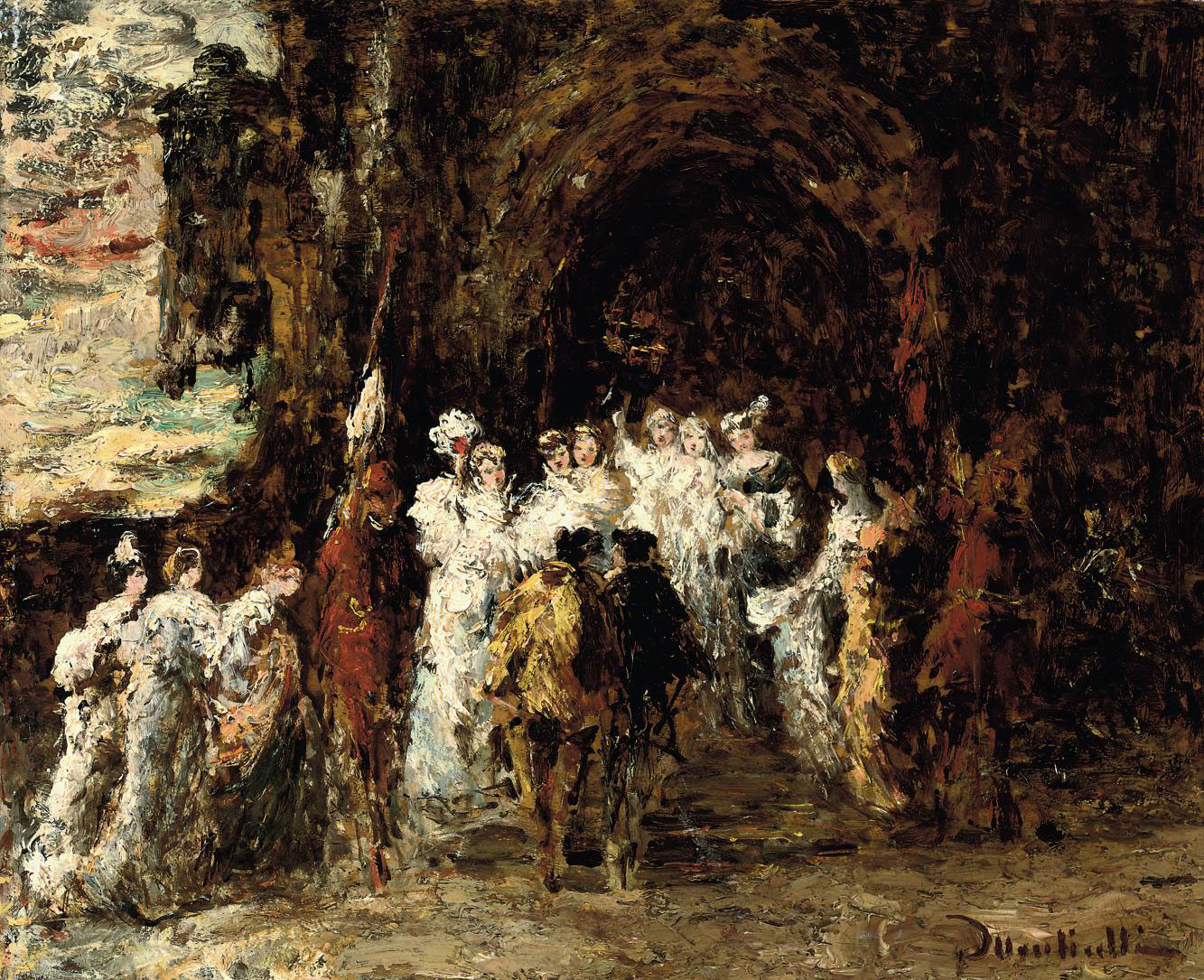
Adolphe Monticelli, The empress Eugénie and her attendants, oil on canvas
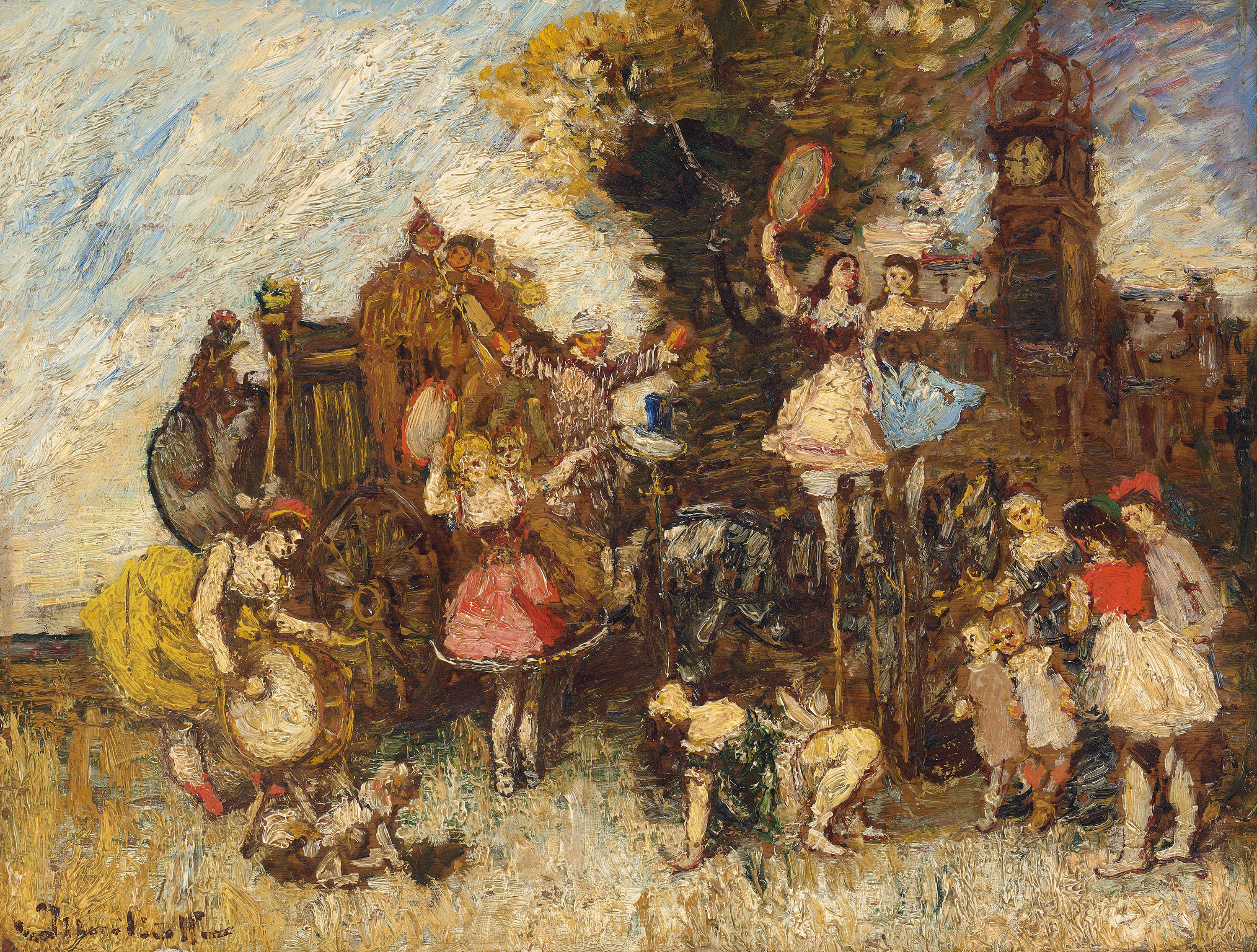
Adolphe Monticelli, Parade de saltimbanques, oil on panel
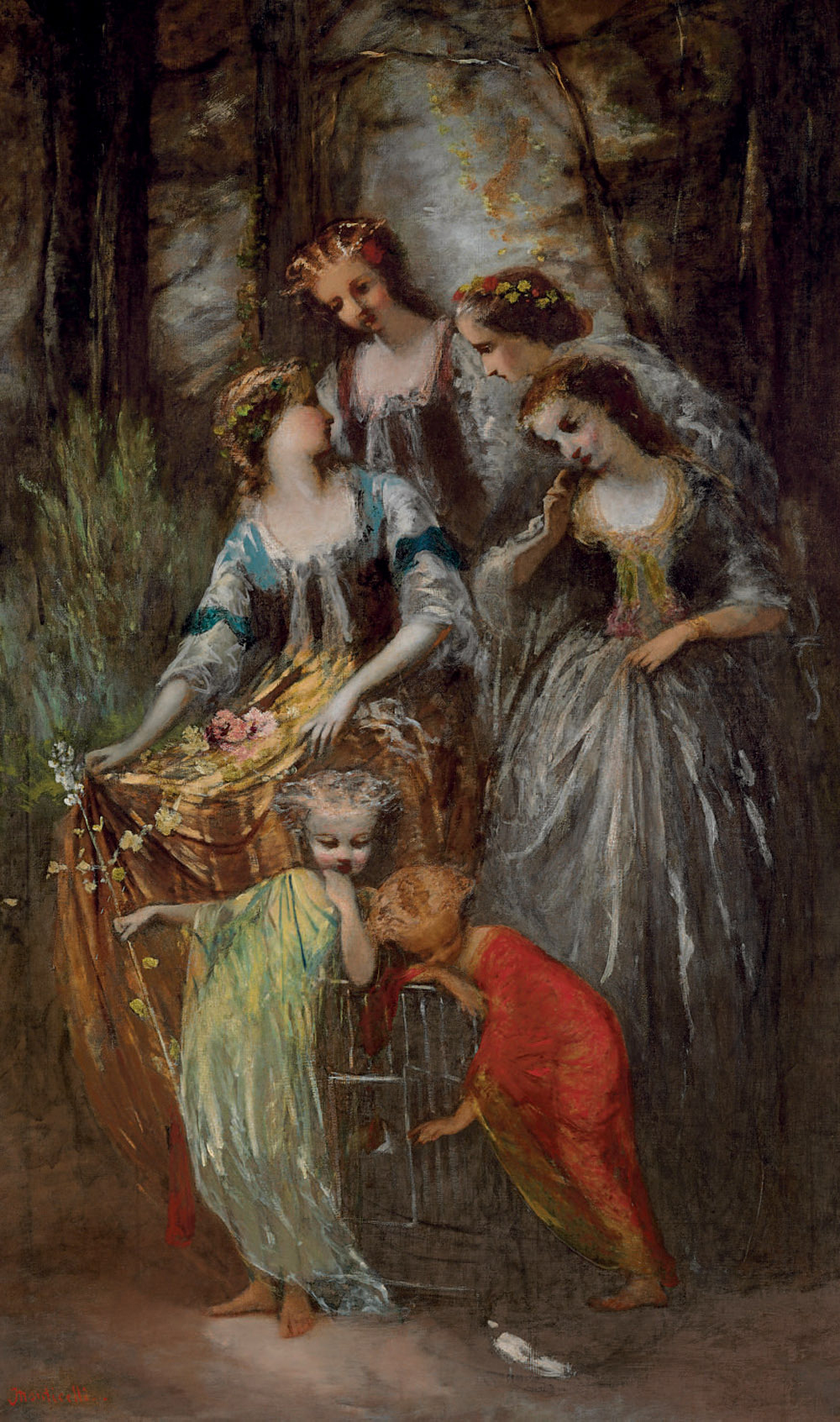
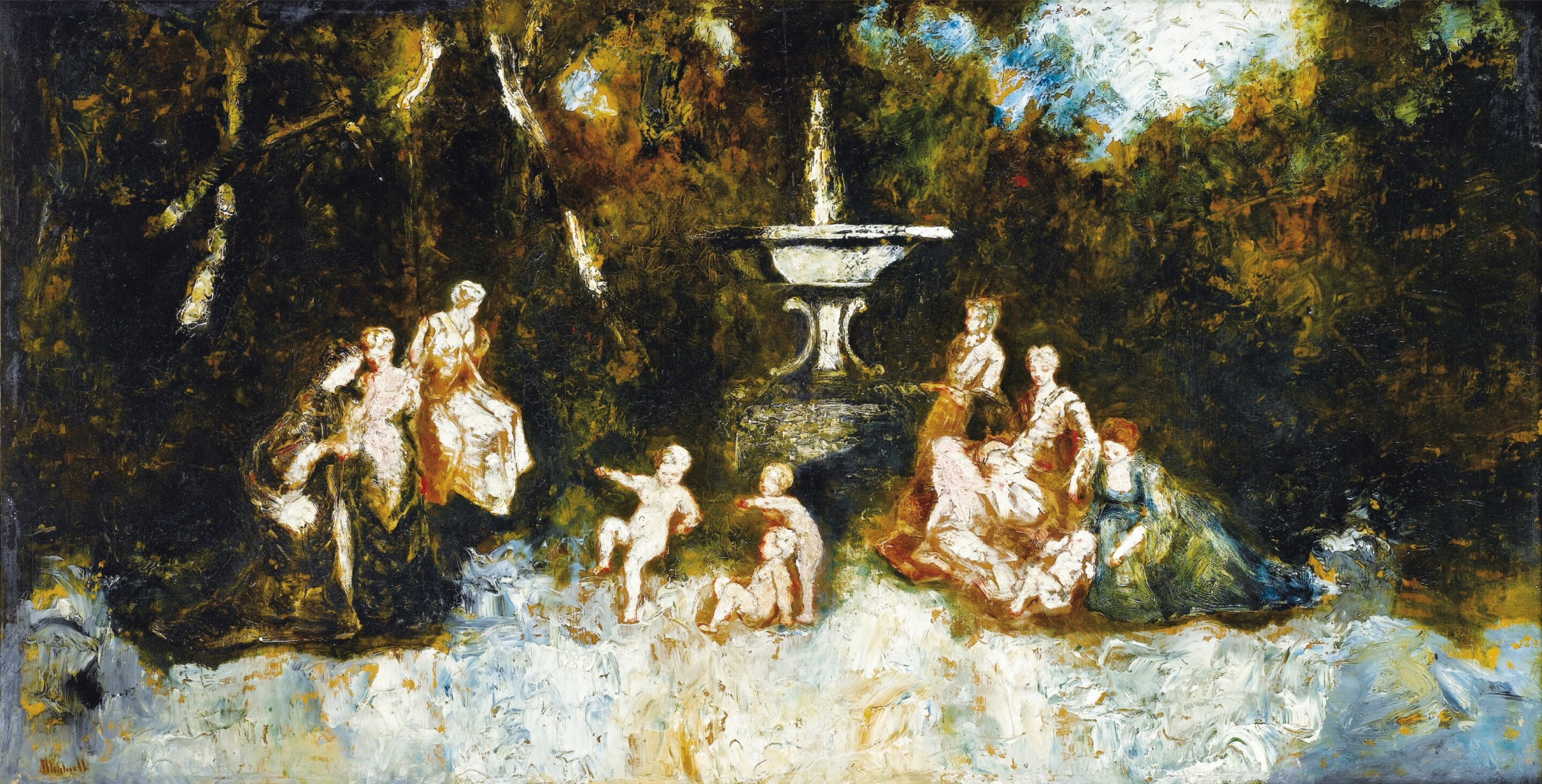
Adolphe Monticelli, Amours jouant devant une fontaine, oil on panel
Adolphe Monticelli, The wedding, oil on panel
Adolphe Monticelli, La leçon, oil on panel
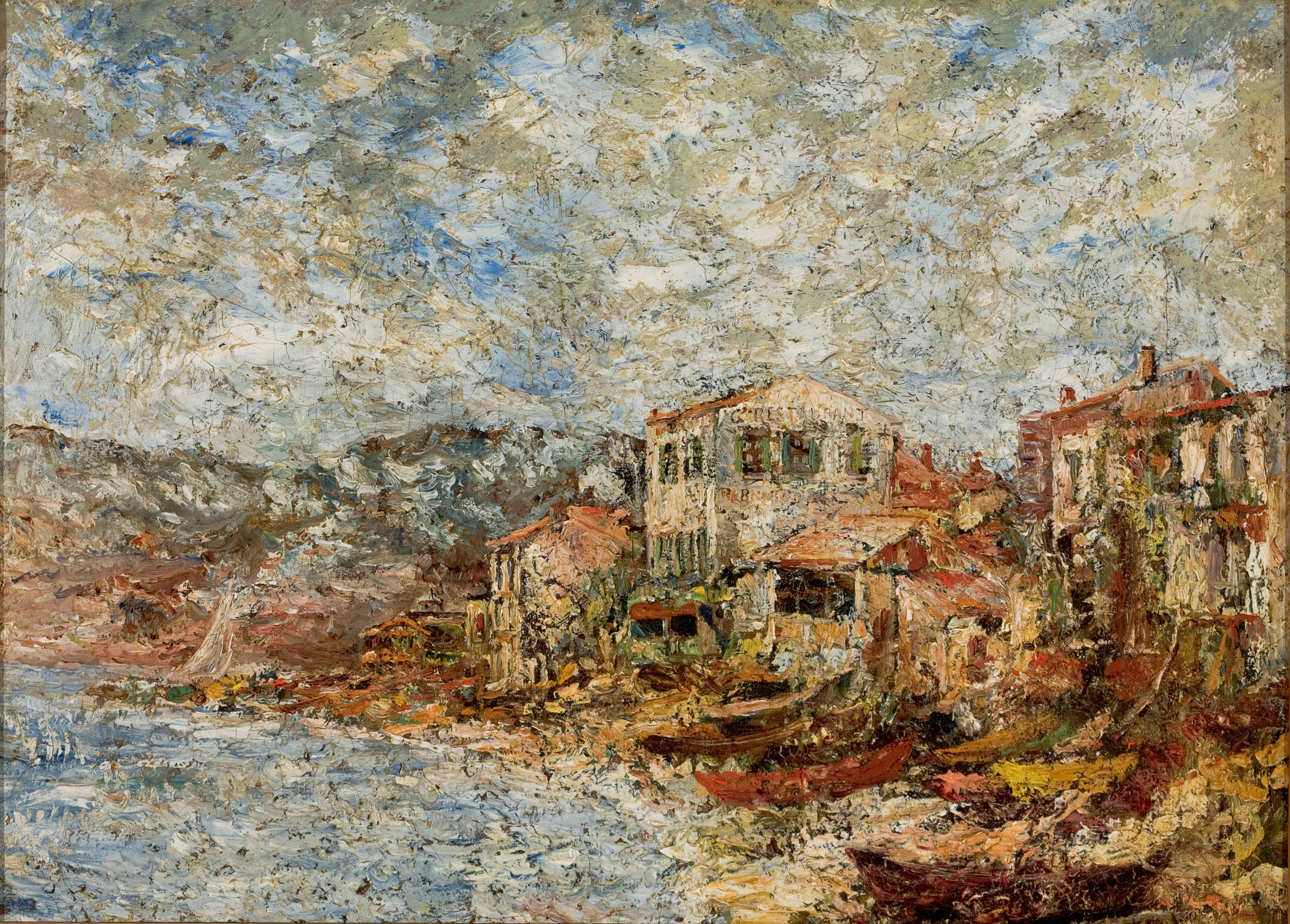
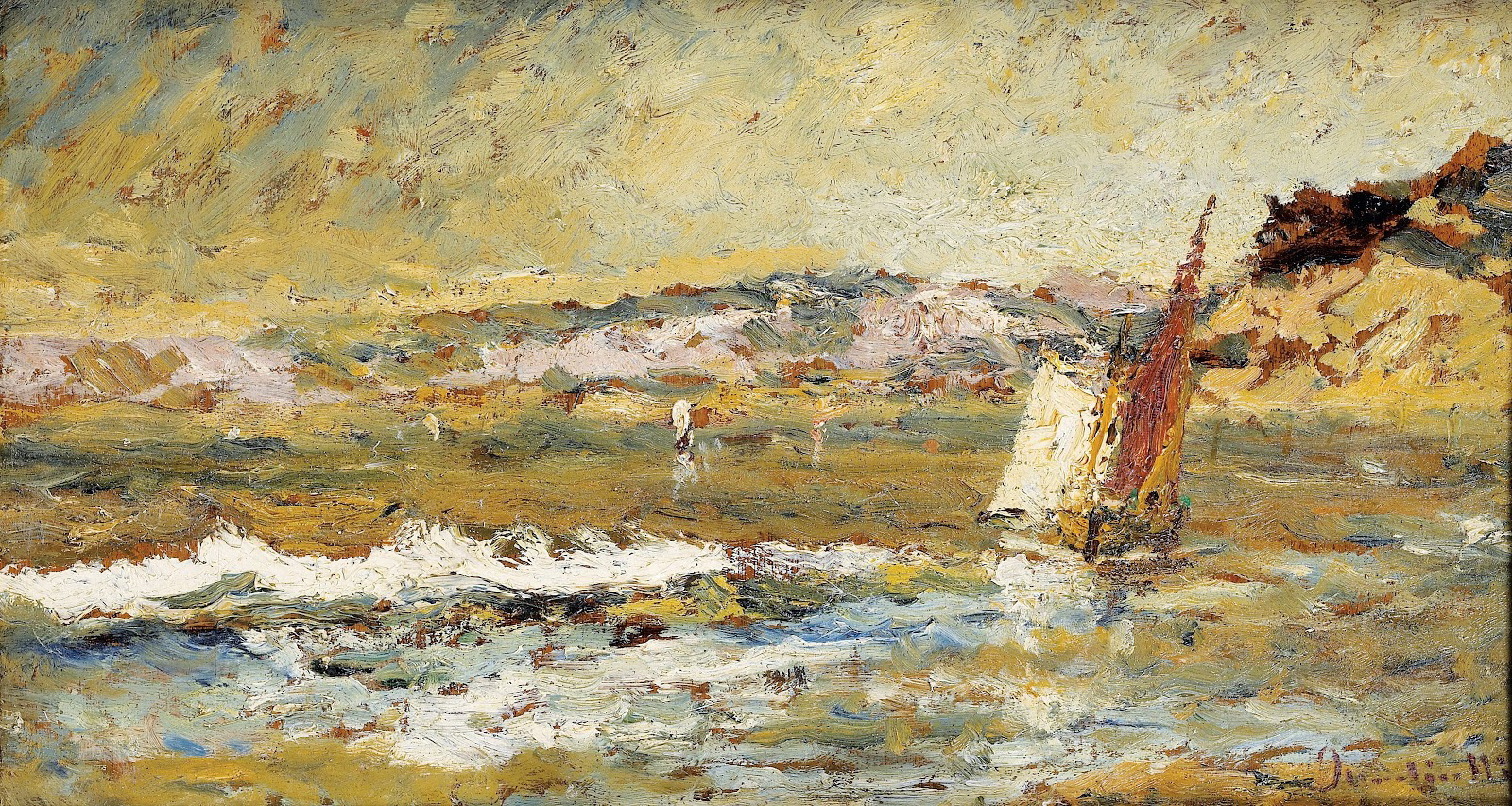
Adolphe Monticelli, Seascape near Marseille, ca 1880-84, oil on canvas
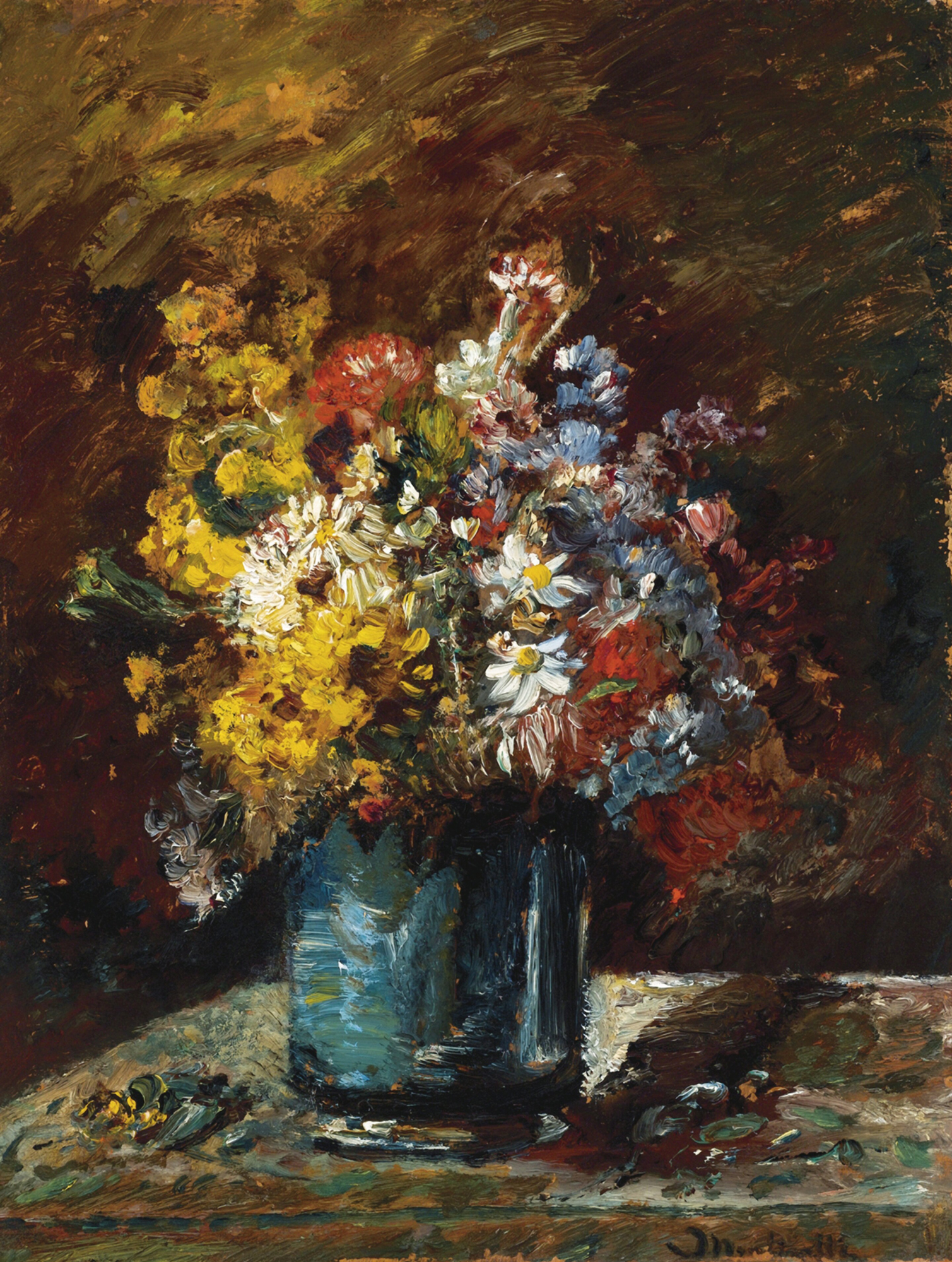
Adolphe Monticelli, Fleurs divers, oil on panel
Adolphe Monticelli, Le mer à Cassis, oil on panel
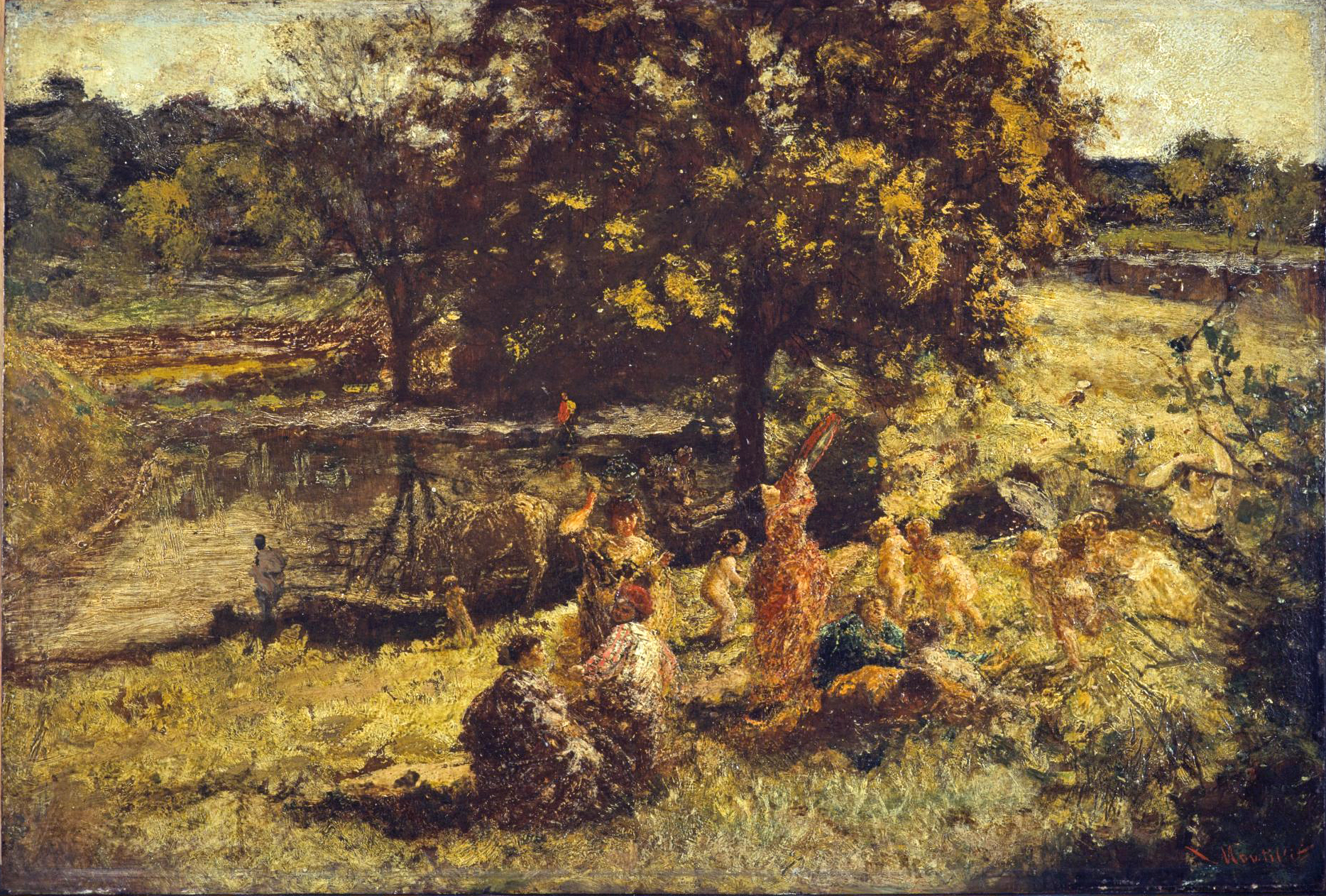
Adolphe Monticelli, Fêtre champetre, oil on panel
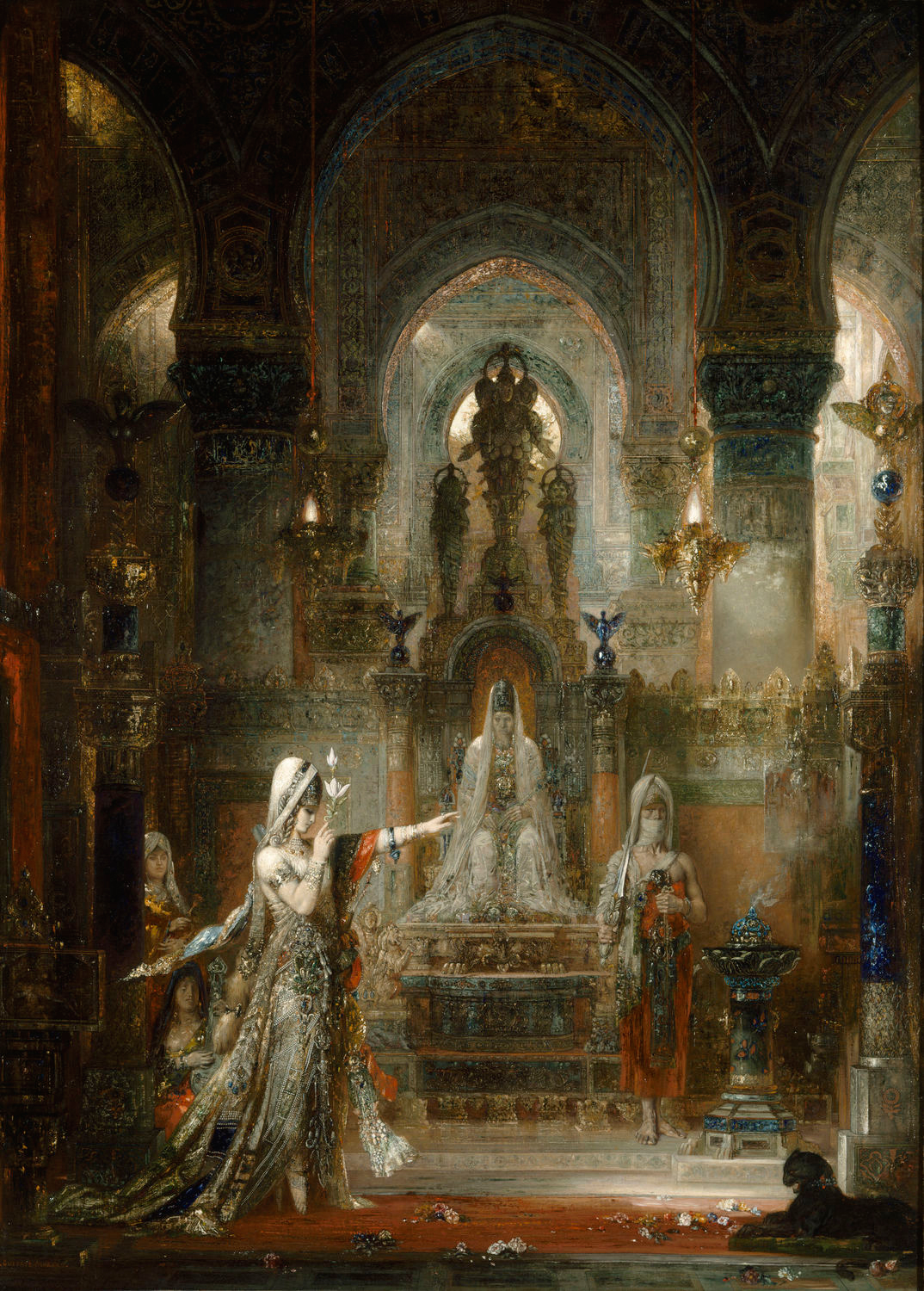
Gustave Moreau, Salome dancing before Herod, 1876, oil on canvas
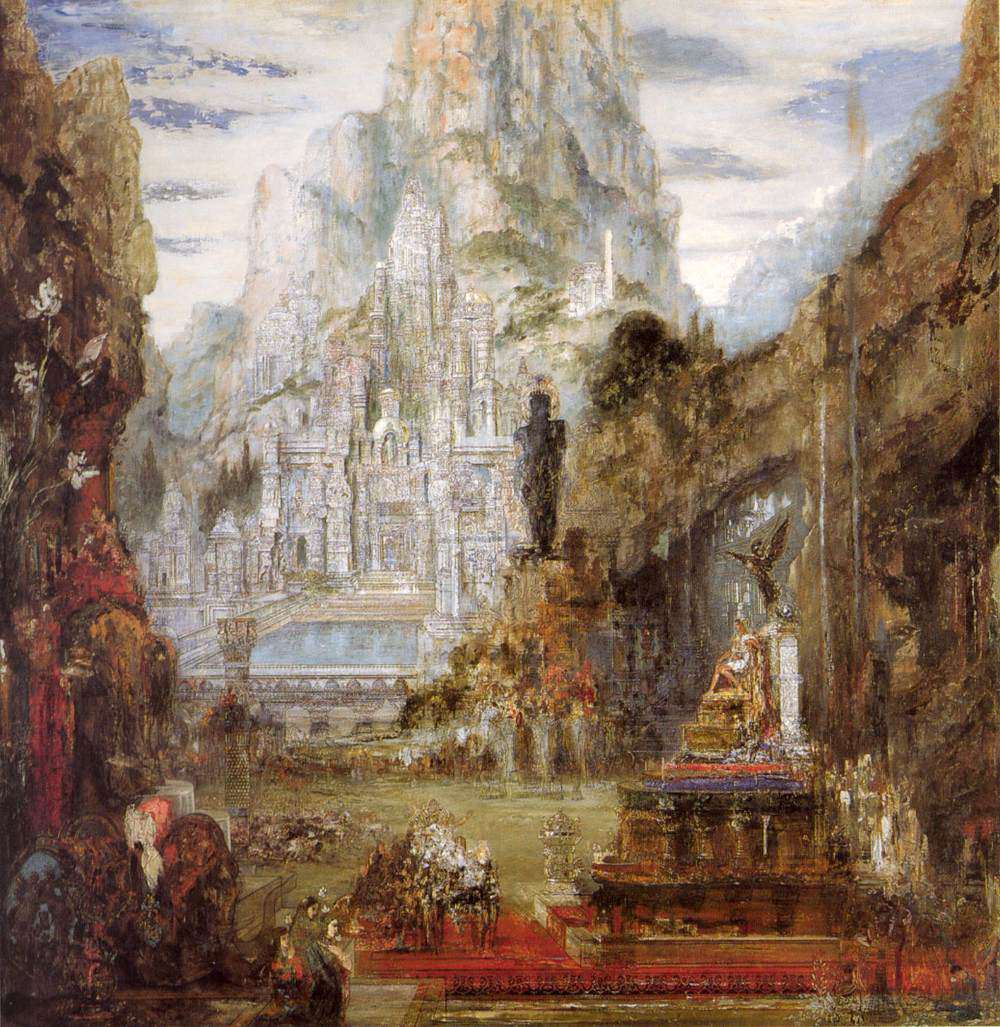
Gustave Moreau, The triumph of Alexander the Great, ca1873-90, oil on canvas
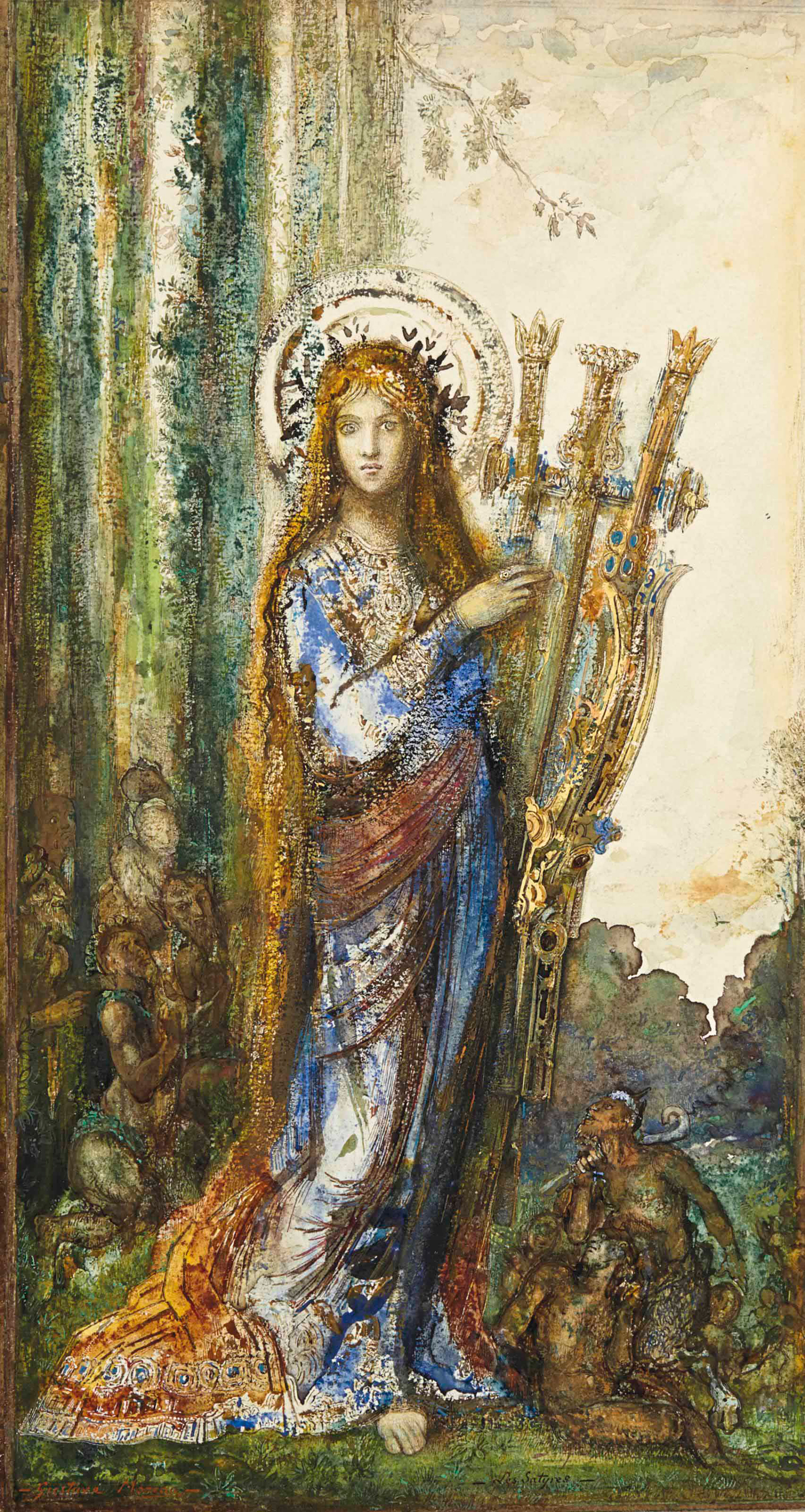
Gustave Moreau, Les satyres, aquarel en gouache op papier
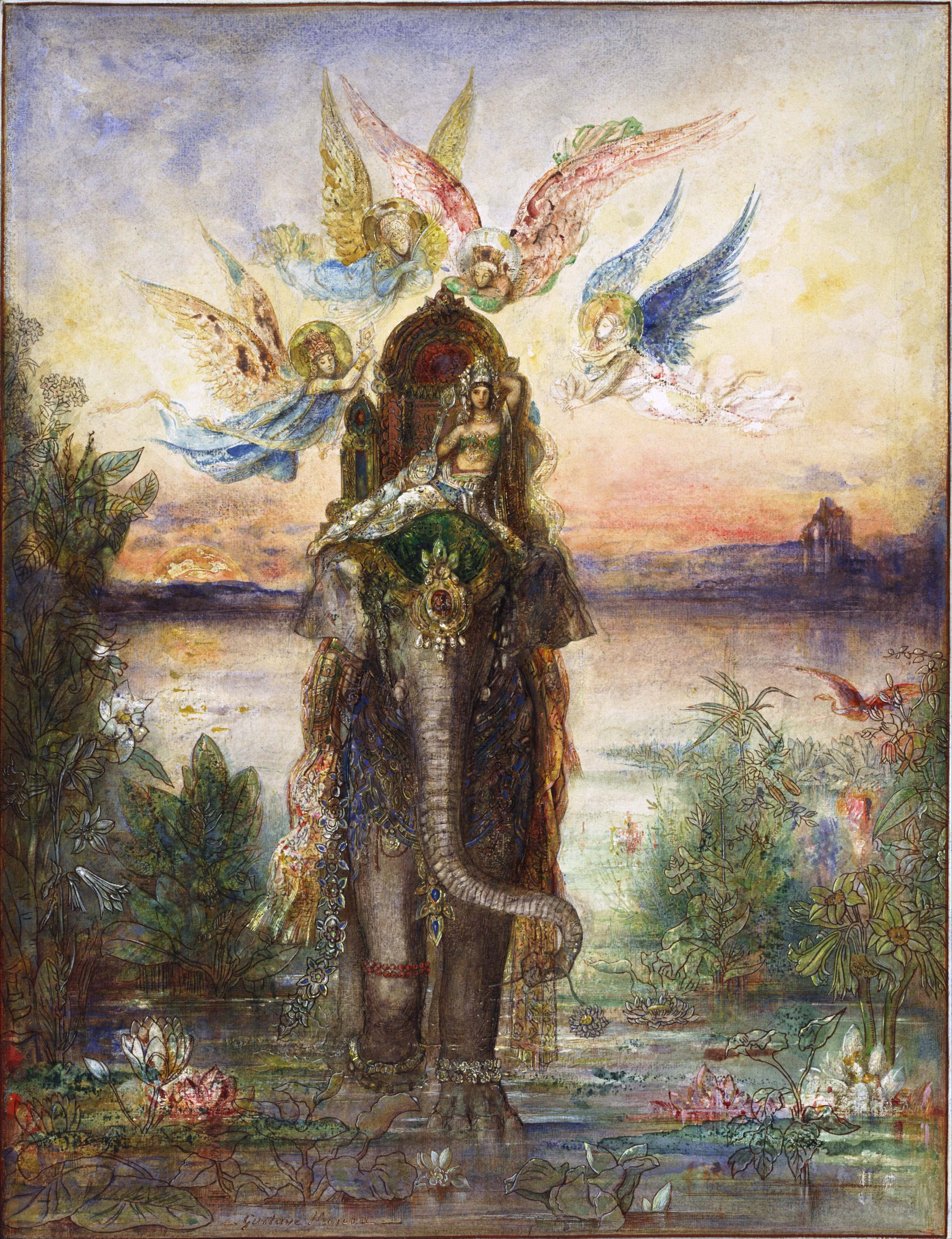
Gustave Moreau, The sacred elephant (Péri), 1882, watercolour and gouache on paper
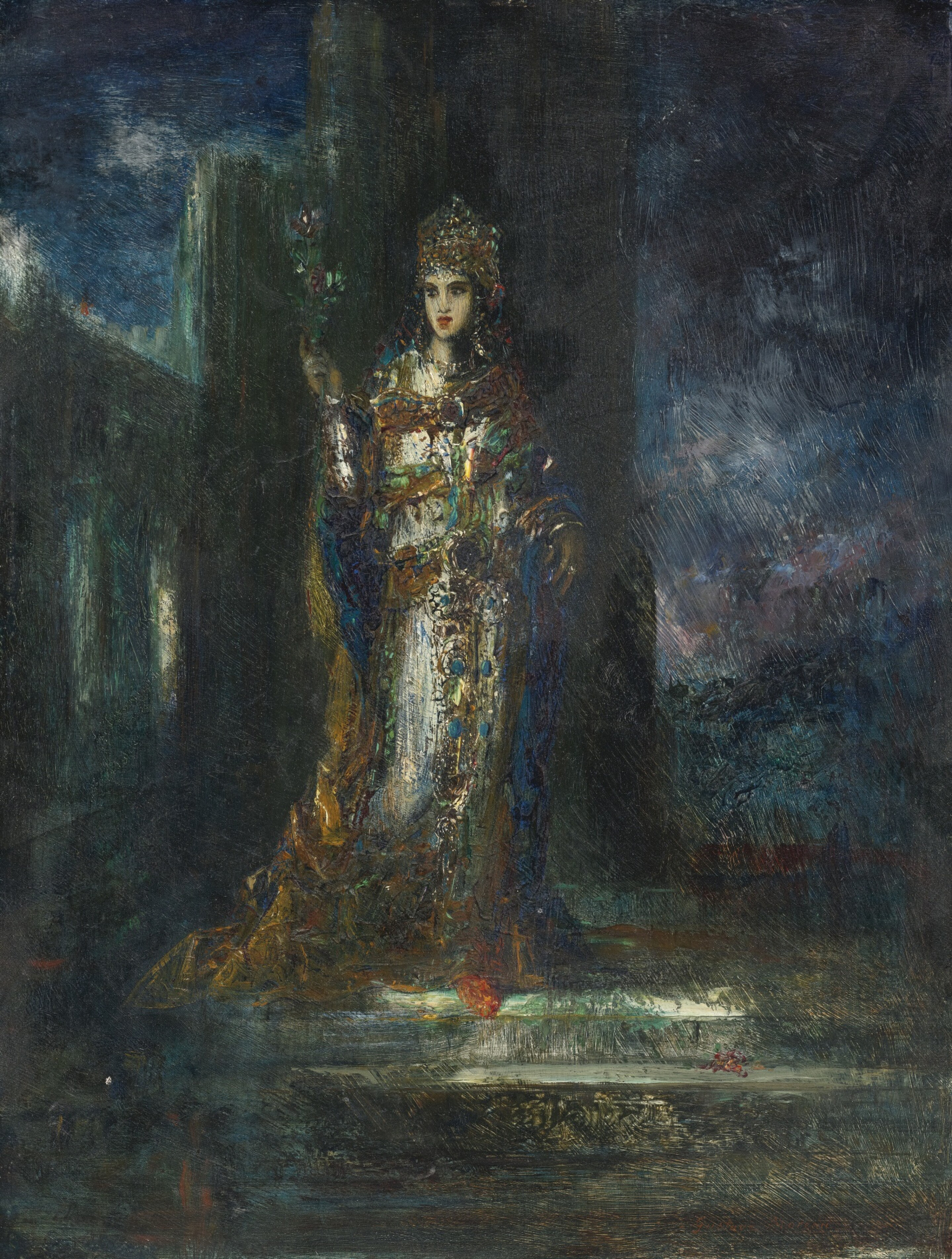
Gustave Moreau, La fiancée de la nuit, oil on panel
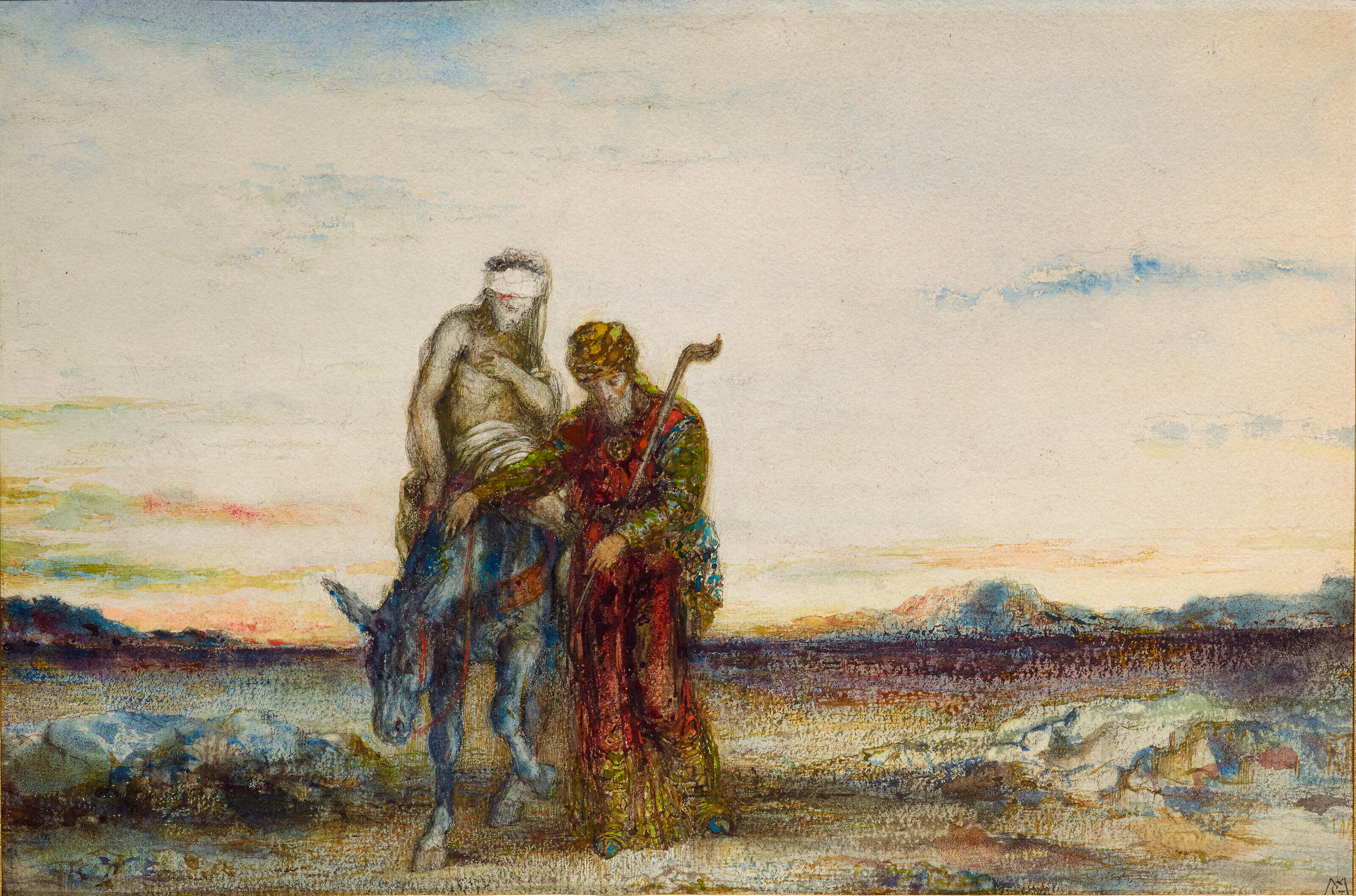
Gustave Moreau, Le bon Samaritain, graphie, watercolour & gouache
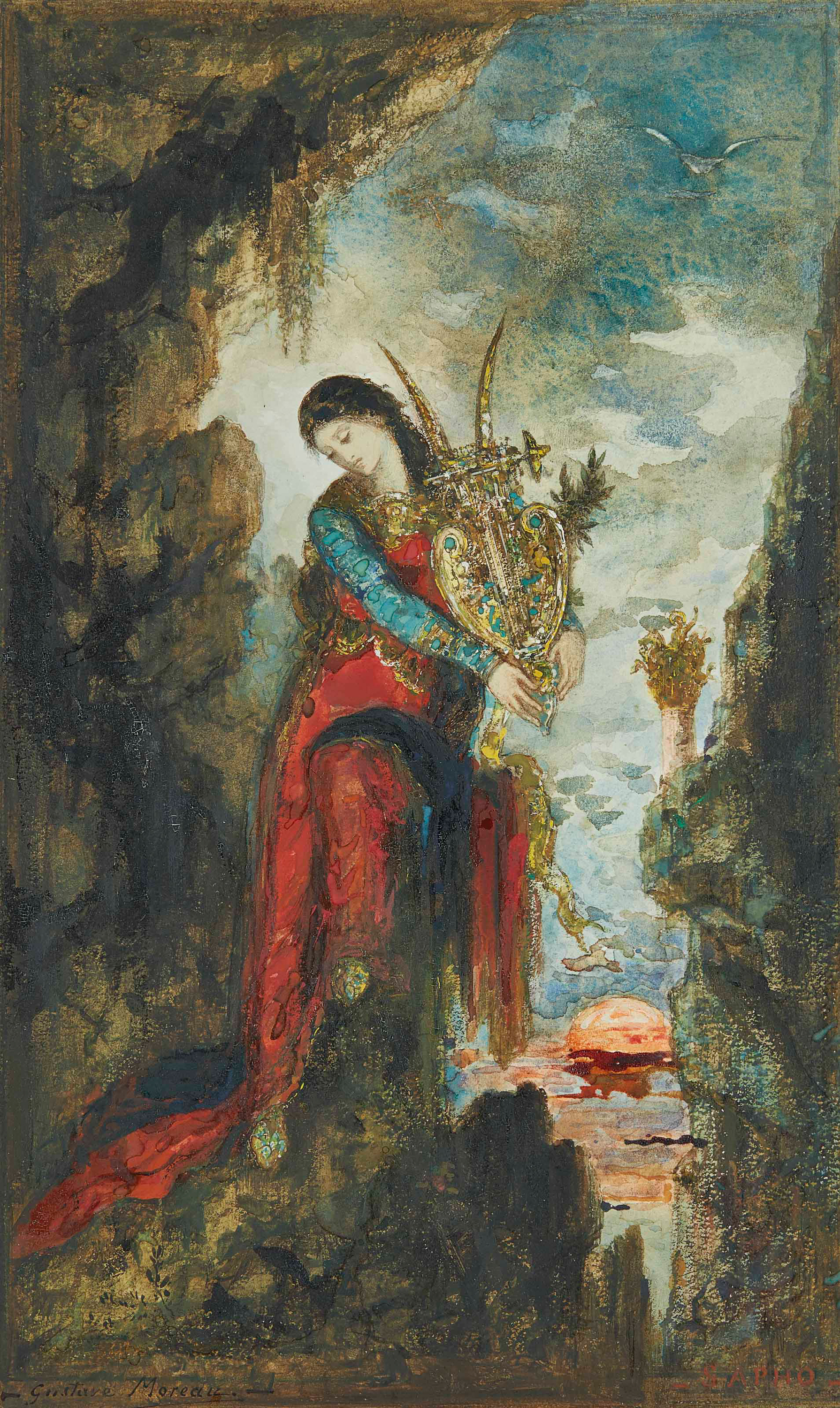
Gustave Moreau, Sappho, watercolour, gouache, gum arabic
Arnold Böcklin, Die Lebensinsel, 1888, oil on mahohany wood
Arnold Böcklin, Heiliger Hein, 1882, oil on canvas
Arnold Böcklin, Die verlassene Venus, ca1860, oil on canvas
Arnold Böcklin, Villa by the sea III, ca1871-74, oil on canvas
Arnold Böcklin, Pan im Kinderreigen, ca1884, mixed media on mahohany wood
Arnold Böcklin, Ruine am Meer, 1881, oil on canvas
Arnold Böcklin, Der Sommertag, 1881, oil on panel
Arnold Böcklin, Destroyed house near Kehl, 1870, oil on canvas
Arnold Böcklin, Love Spring, 1868, oil on canvas
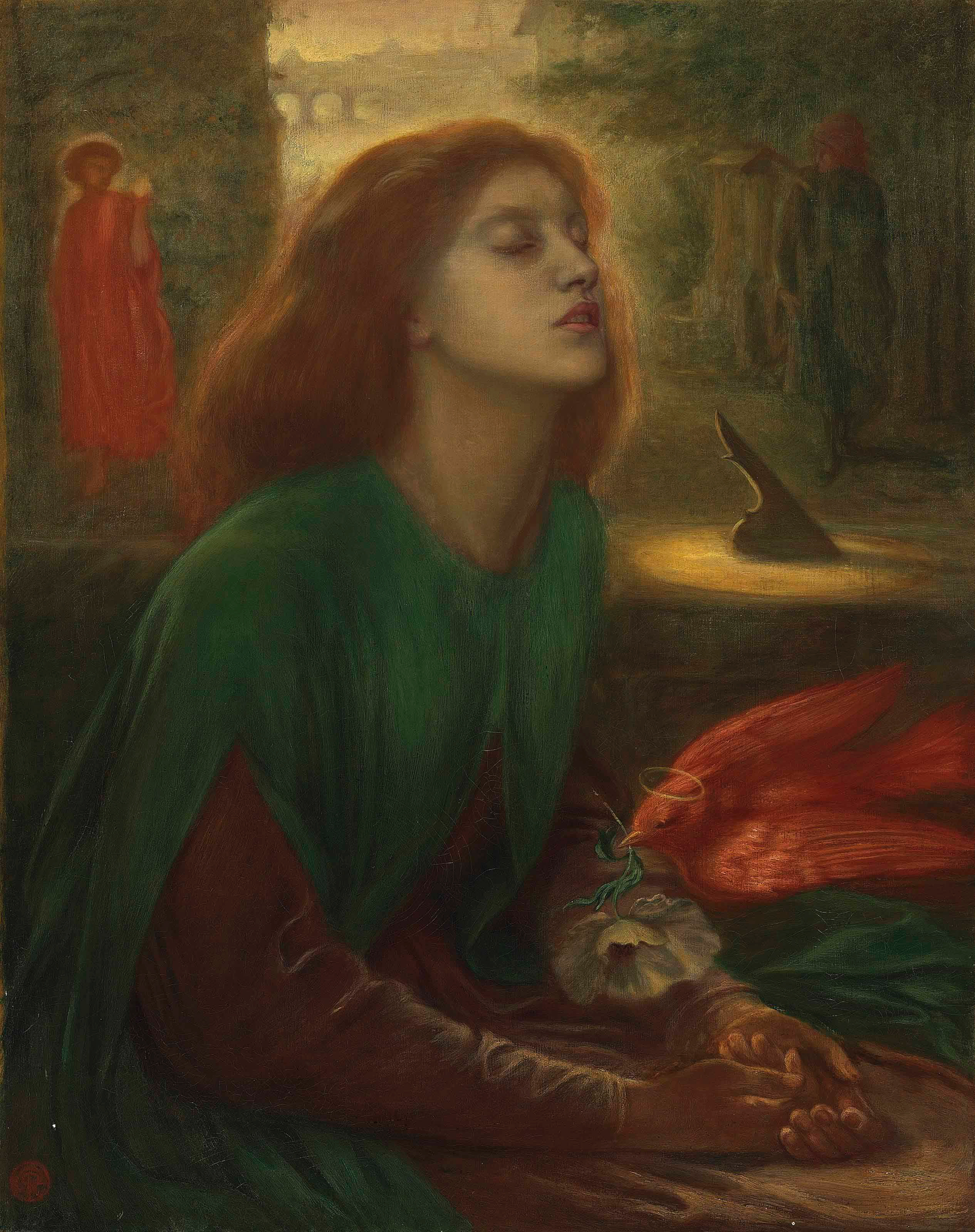
Circle of Dante Gabriel Rossetti, Beata Beatrix, oil on canvas
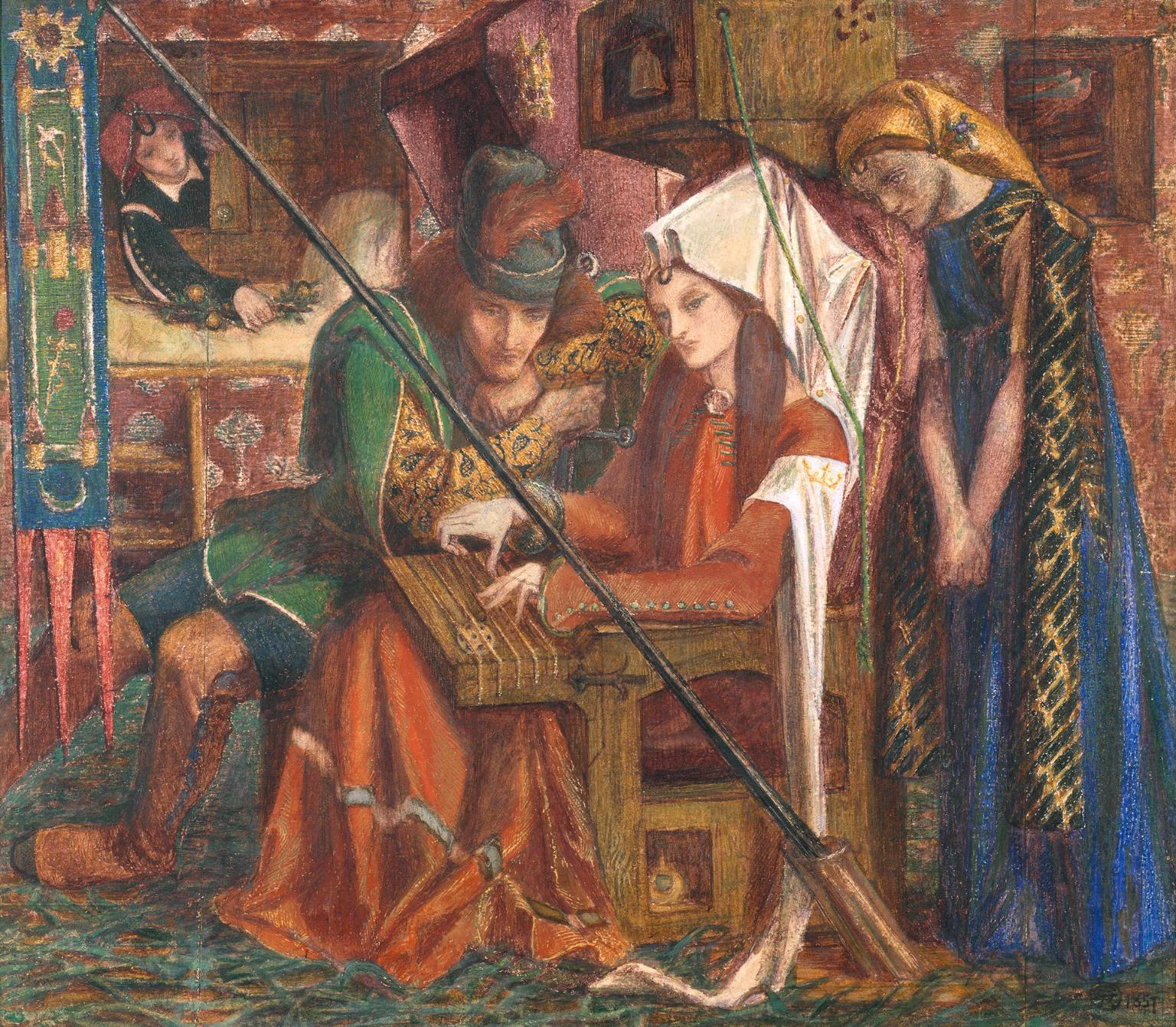
Dante Gabriel Rossetti, The tune of seven towers, 1857, watercoolor on paper
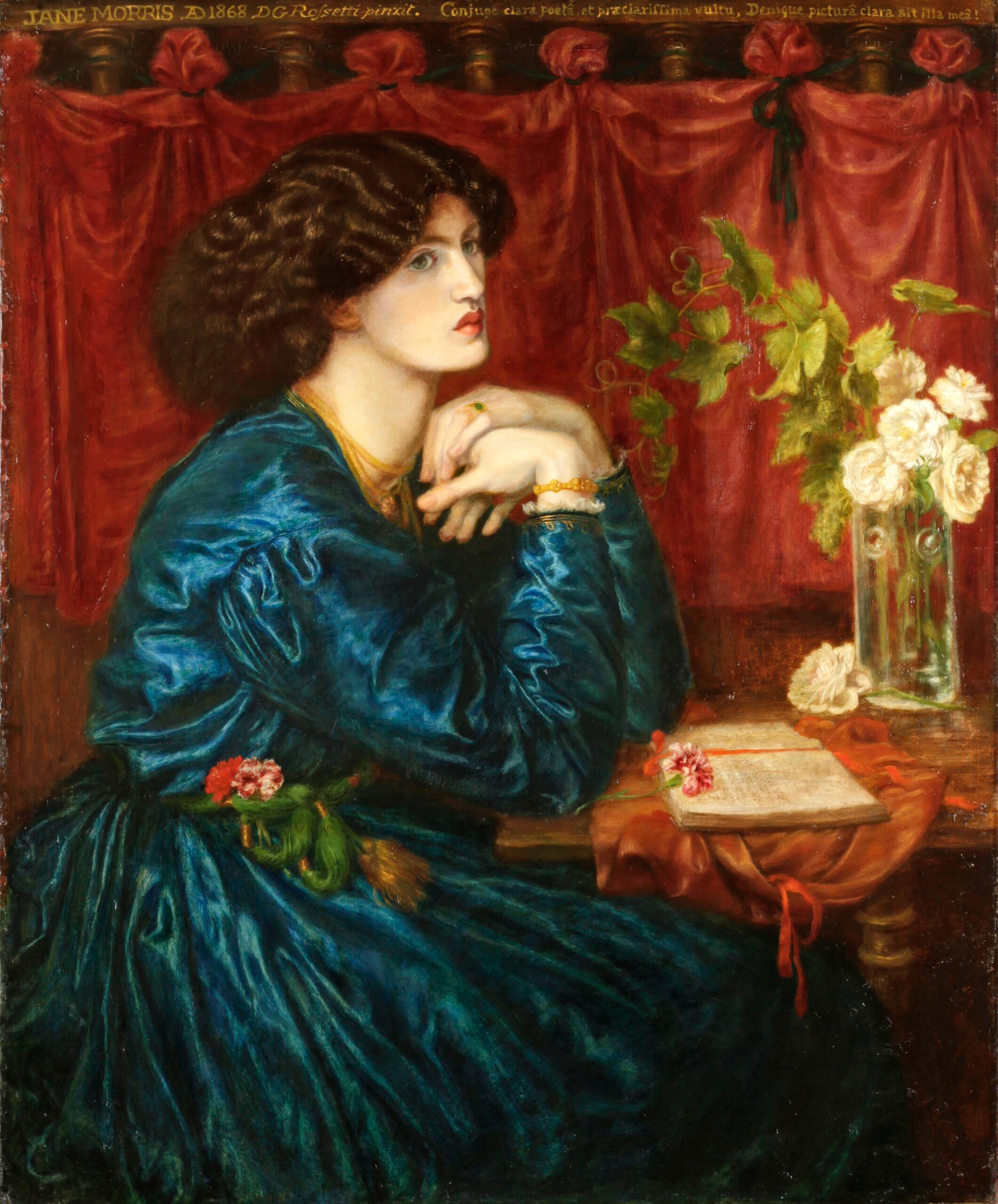
Dante Gabriel Rossetti, Jane Morris (The blue silk dress), 1868, oil on canvas
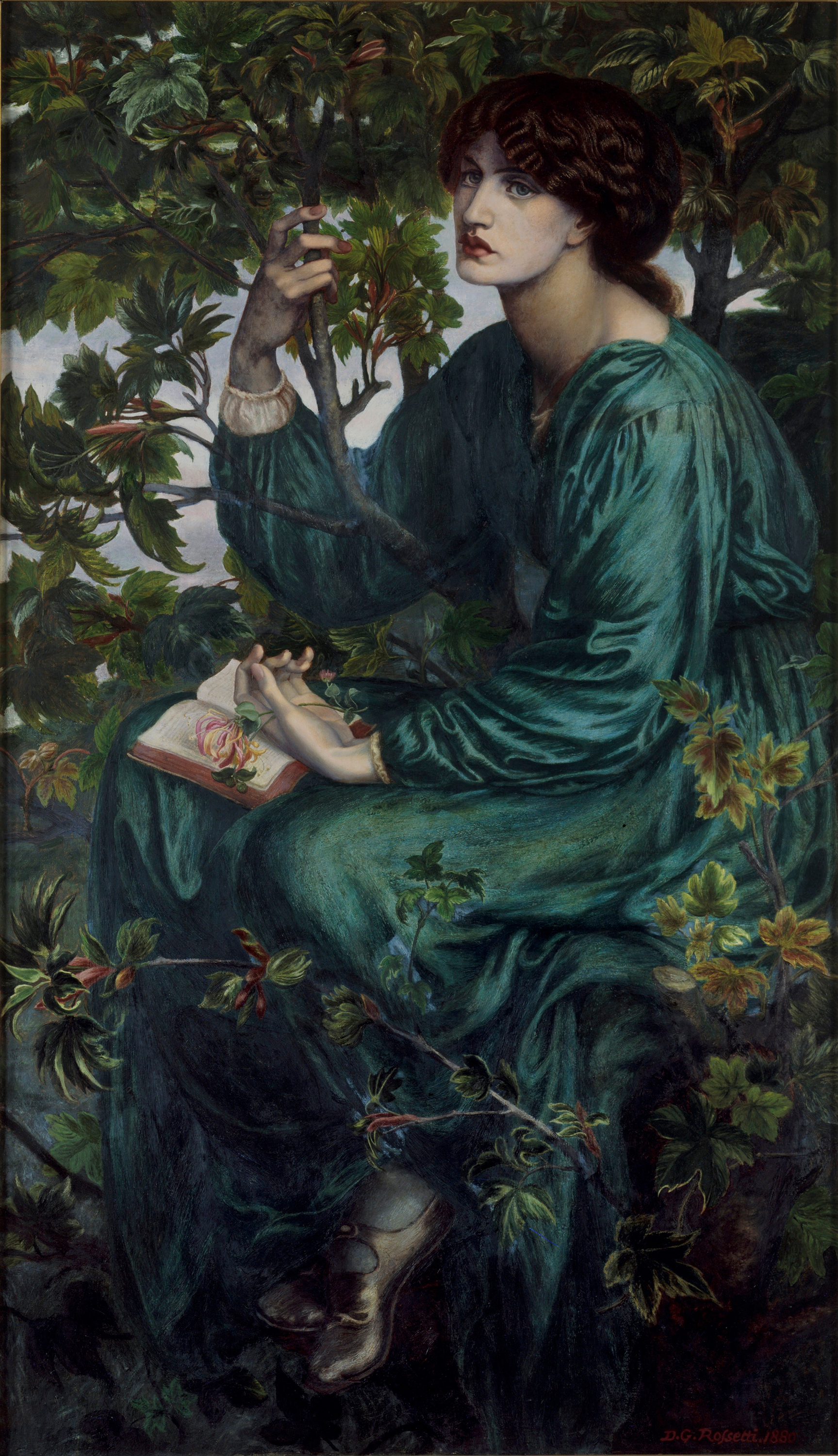
Dante Gabriel Rossetti, The day dream, 1880, oil on canvas
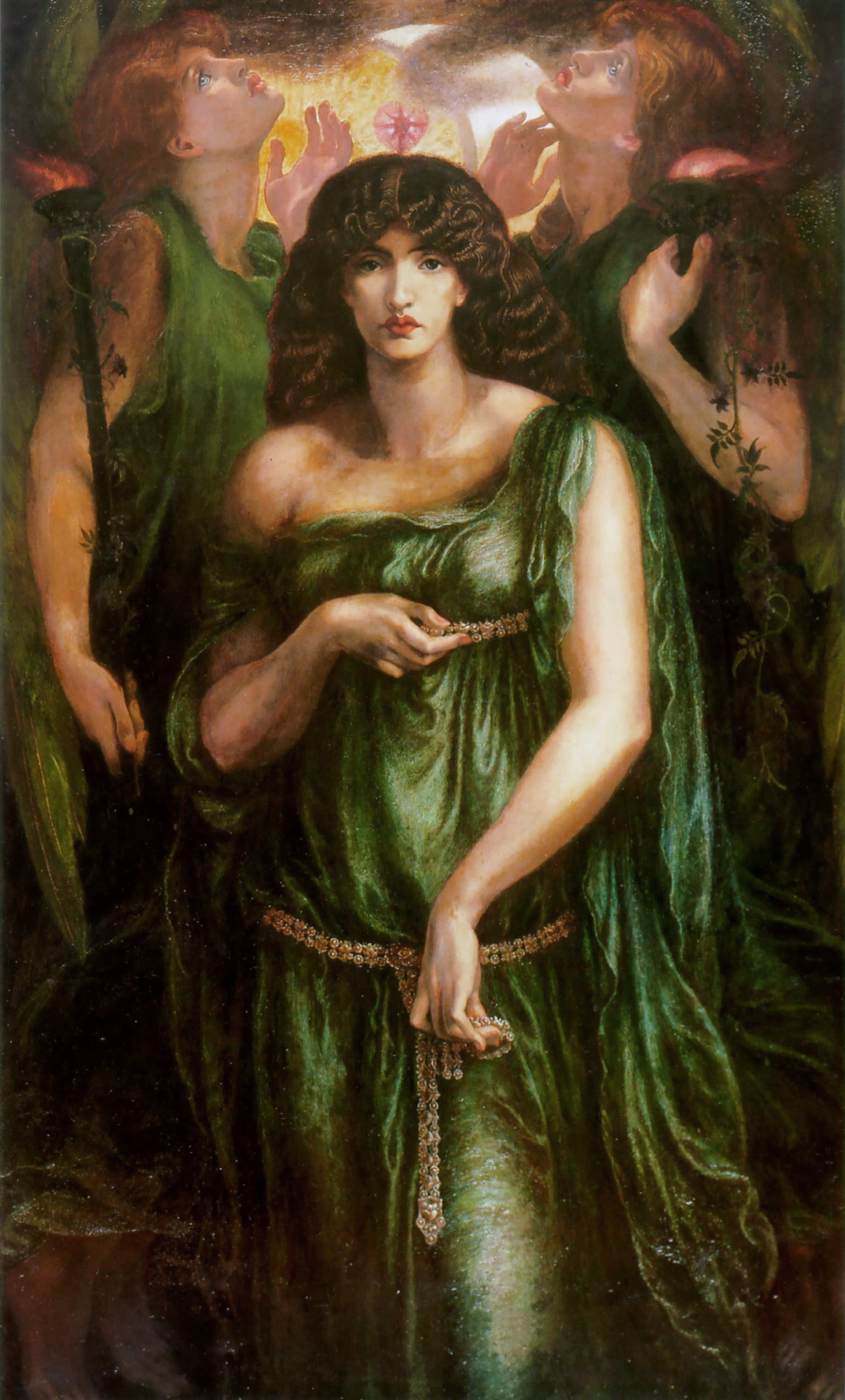
Dante Gabriel Rossetti, Astarte Syriaca, 1877, oil on canvas
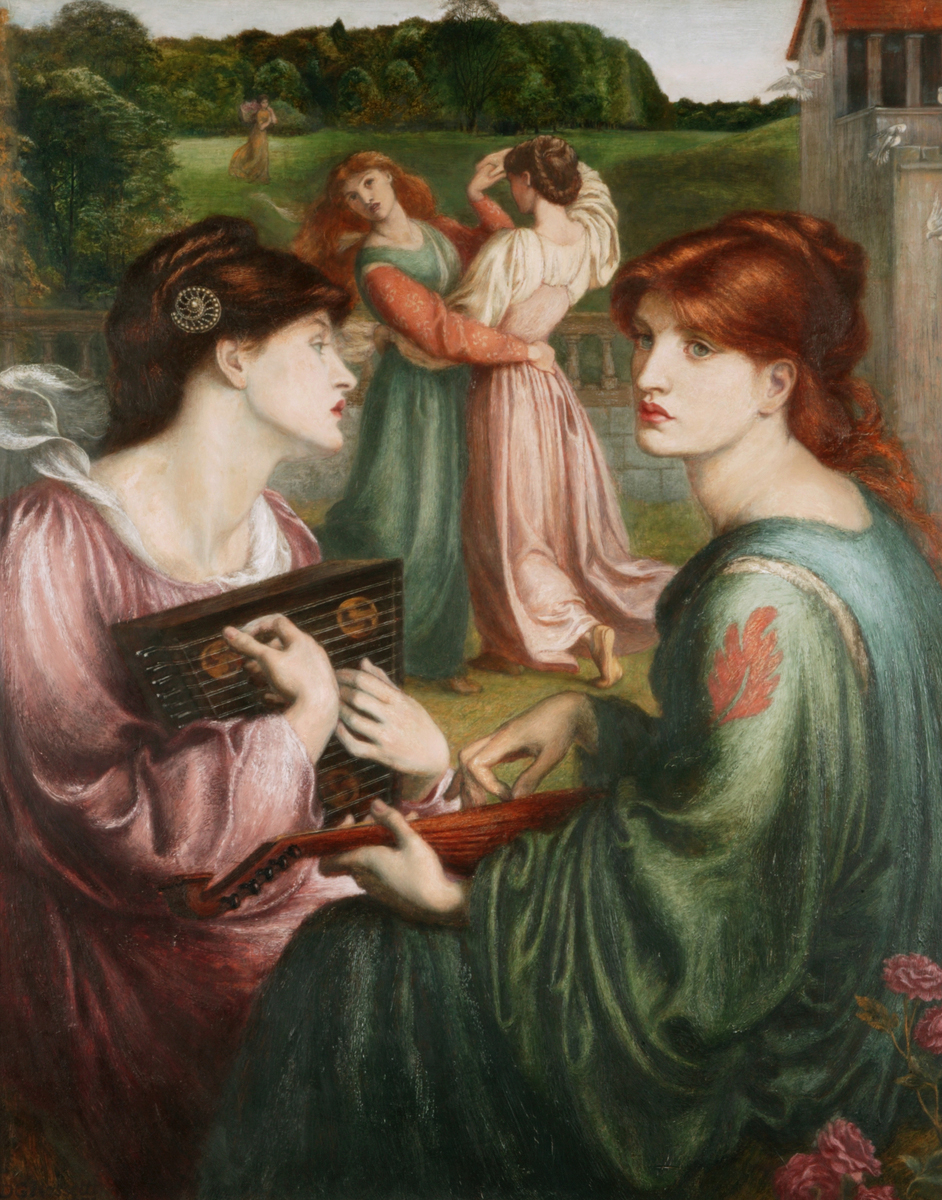
Dante Gabriel Rossetti, The bower meadow, 1872, oil on canvas
Dante Gabriel Rossetti, The loving cup, 1867
William Holman Hunt, Our English coasts (The strayed sheep), 1852, oil on canvas
William Holman Hunt, The scapegoat, 1854
William Holman Hunt, Bianca,
William Holman Hunt, The lady of Shalot, 1890-1905
William Holman Hunt, Isabella and the pot of basil, 1867, oil on canvas
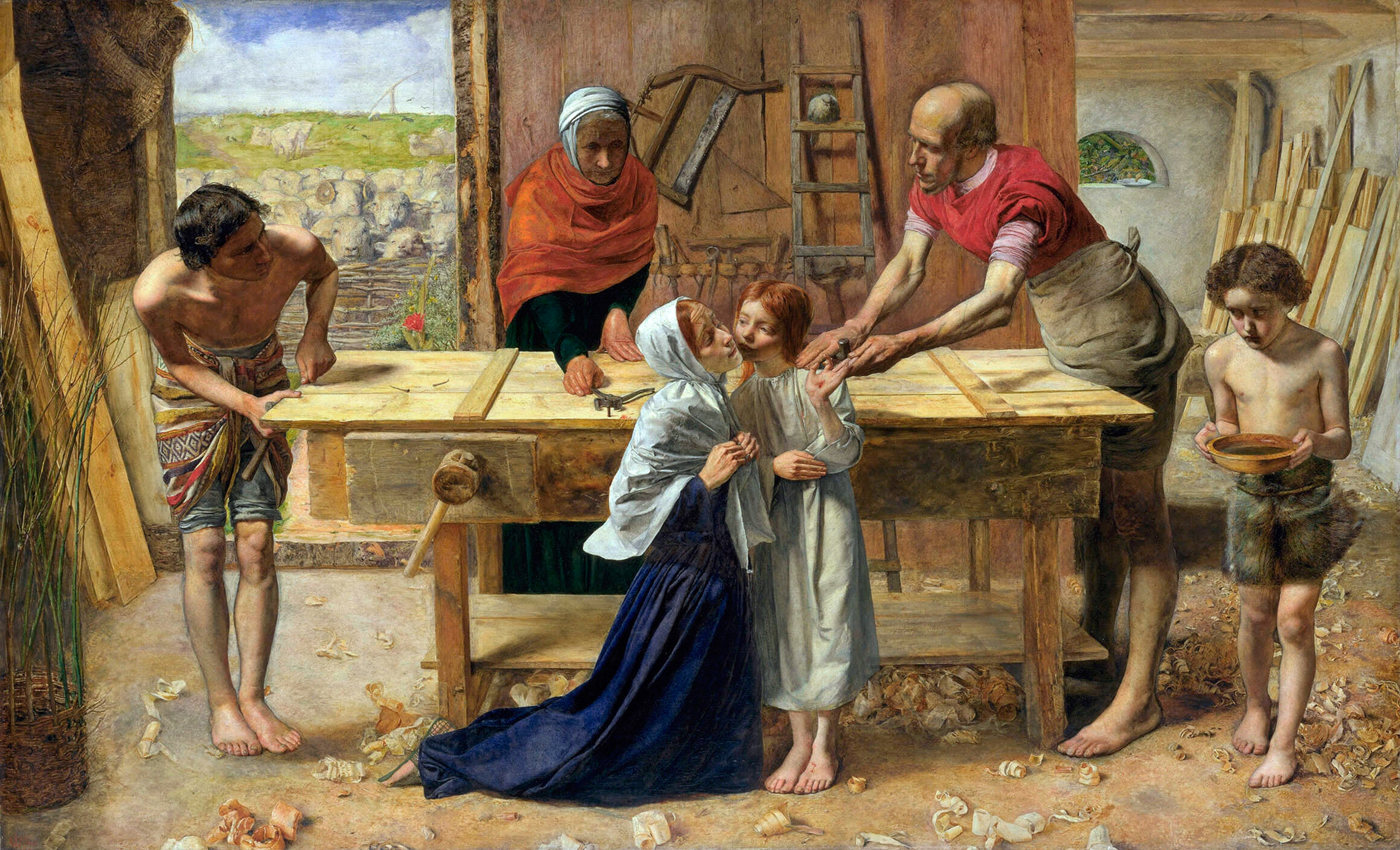
John Everett Millais, Christ in the house of his parents (The carpenters shop), 1850, oil on canvas
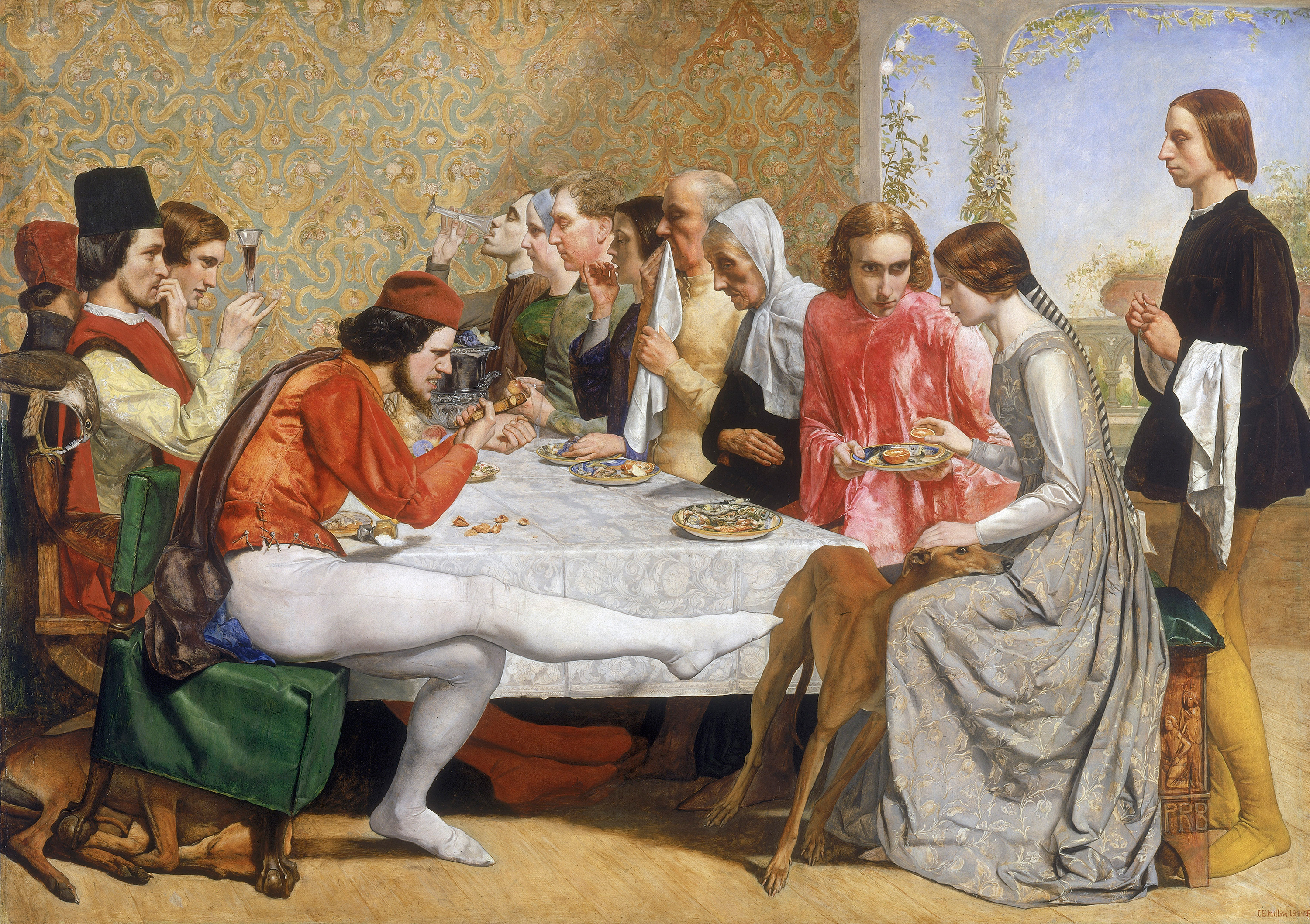
John Everett Millais, Isabella, 1949
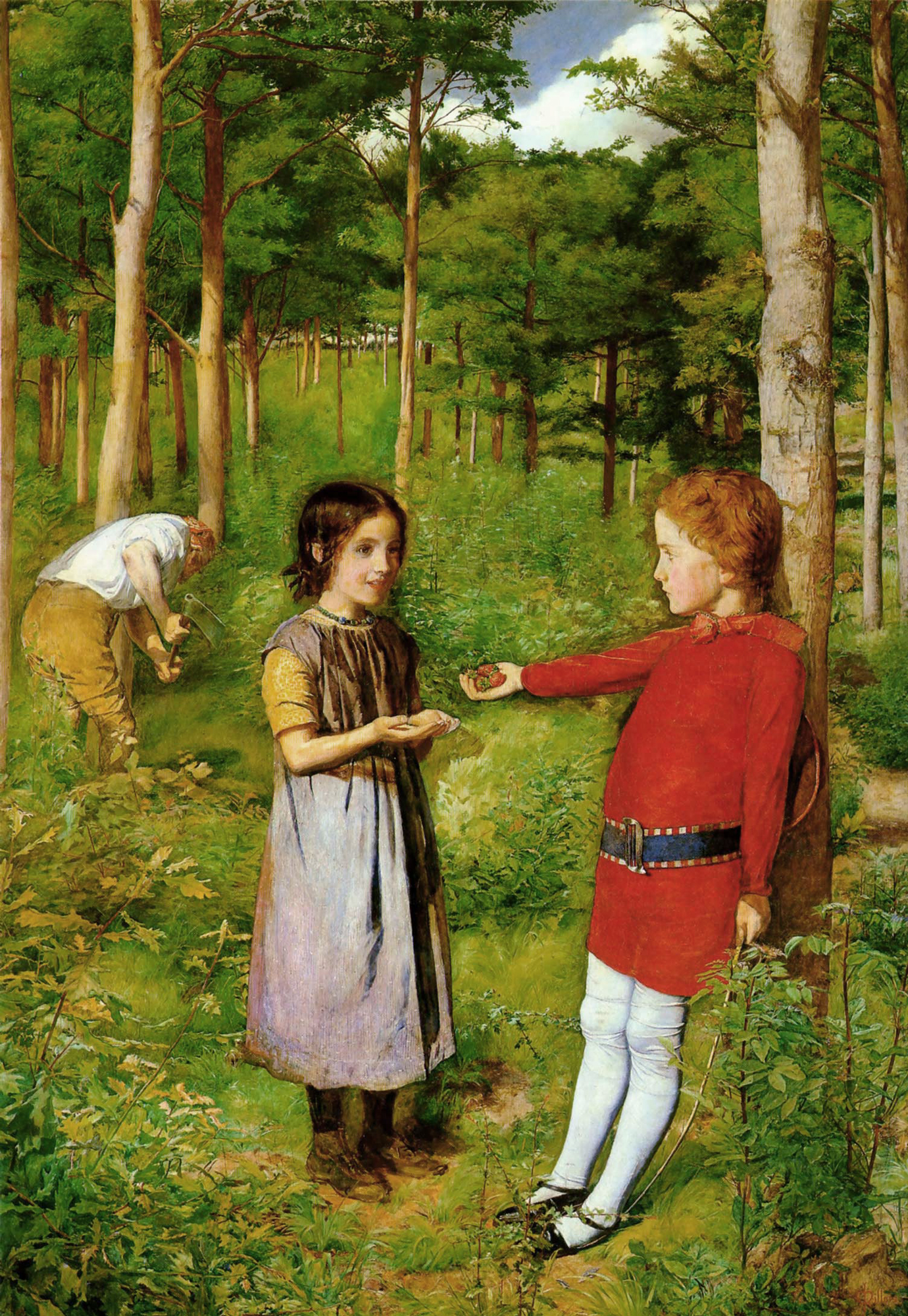
John Everett Millais, The woodman's daughter, 1851,
John Everett Millais, The blind girl, 1856,
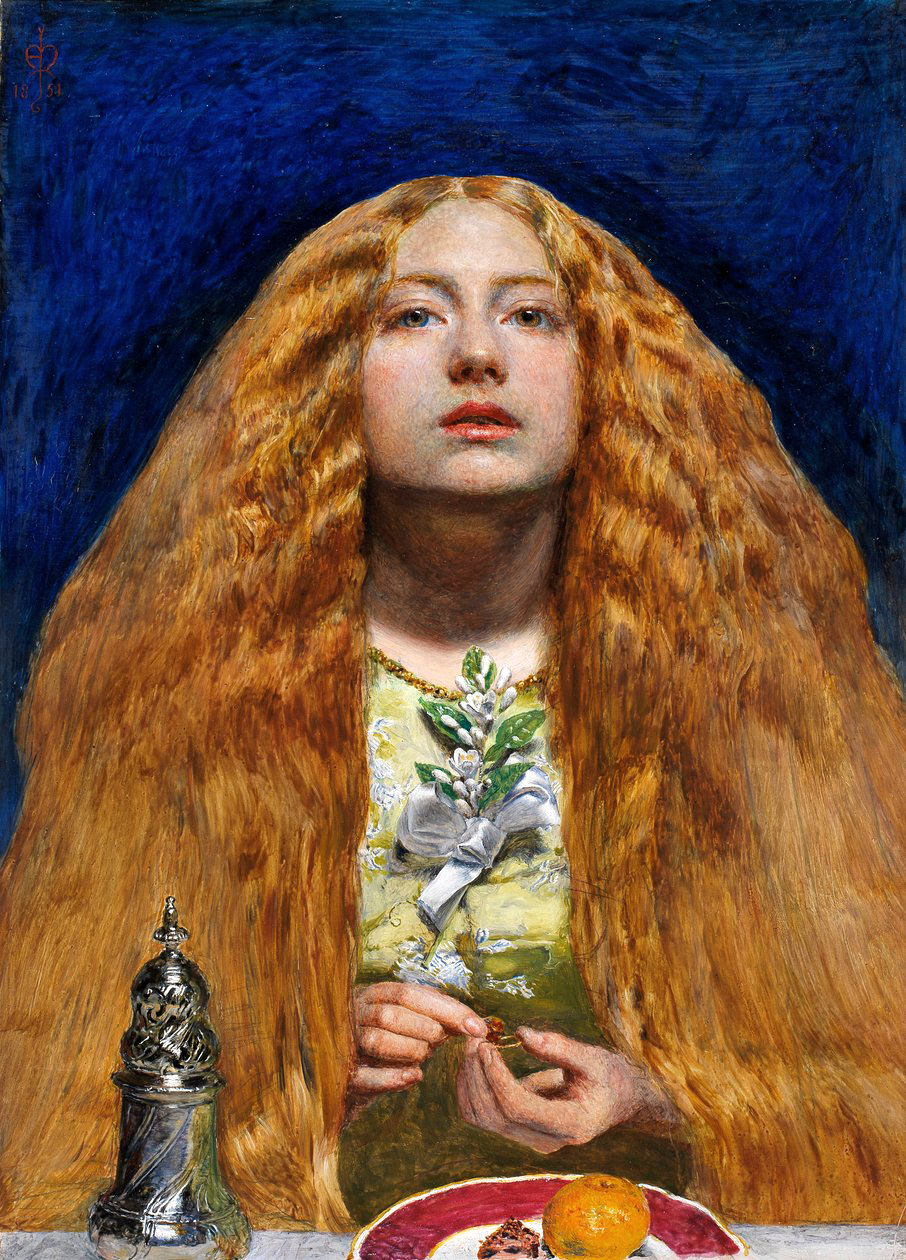
John Everett Millais, The bridesmaid, 1851, oil on panel
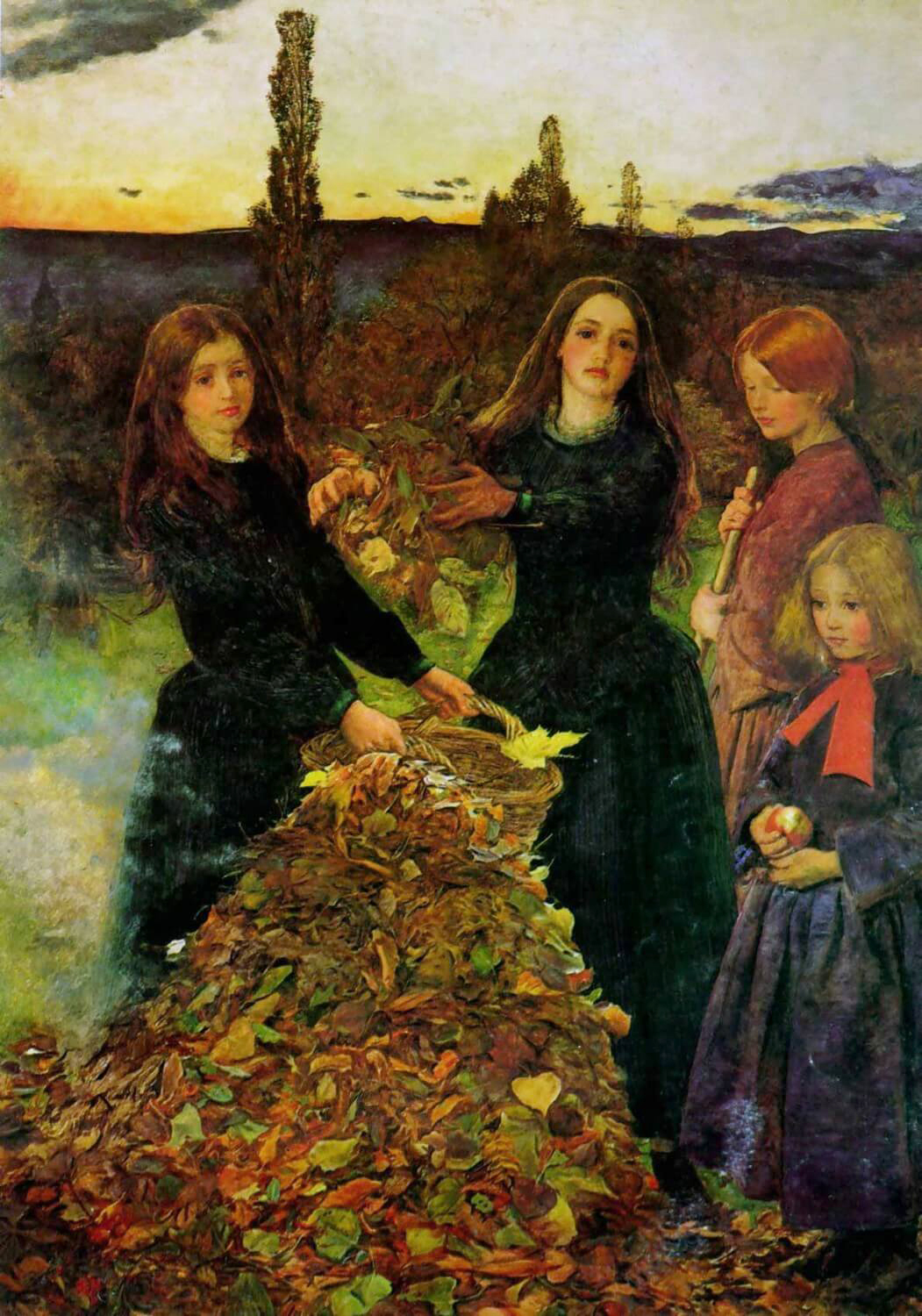
John Everett Millais, Autumn leaves
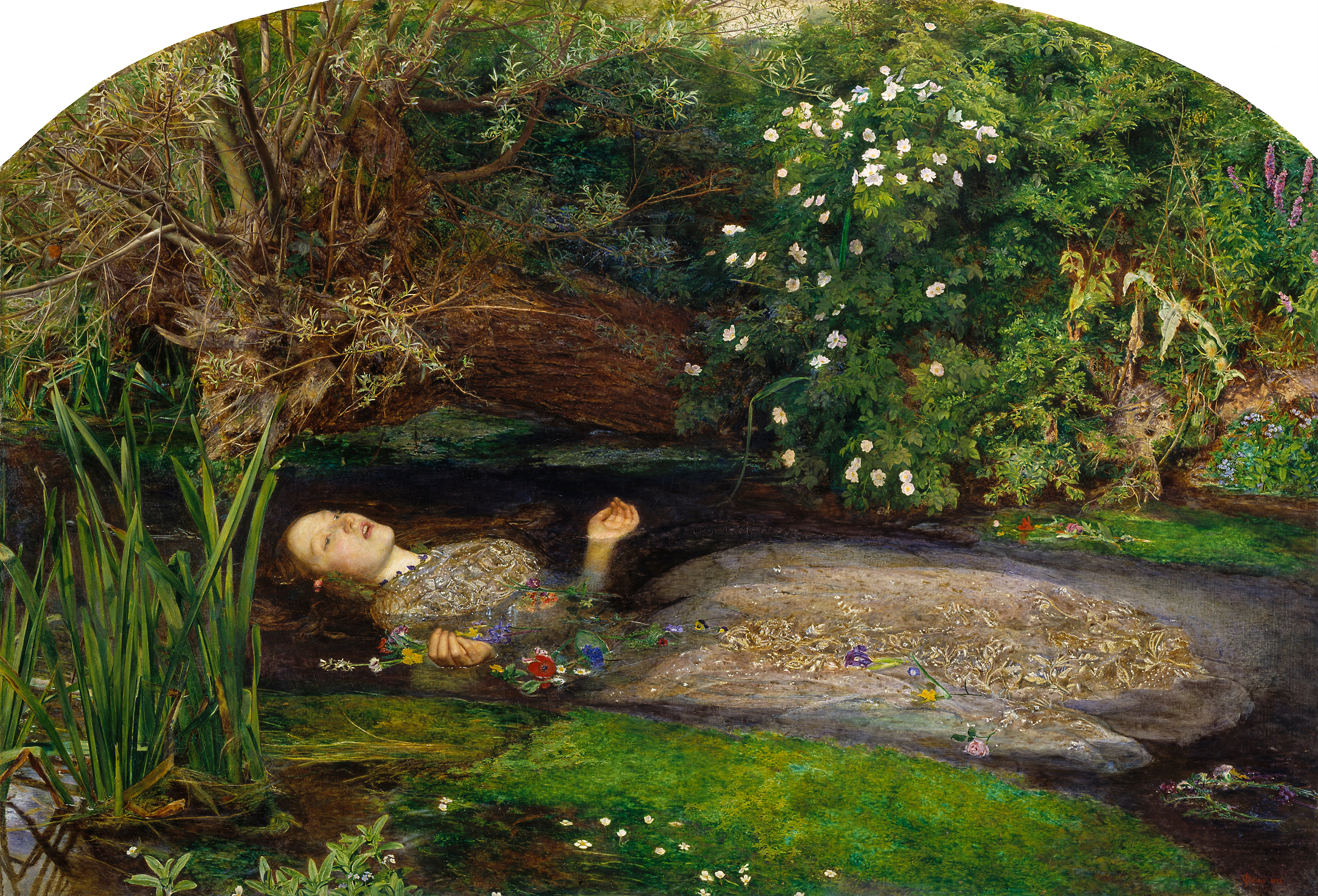
John Everett Millais, Ophelia, ca 1851, oil on canvas
John Everett Millais, Bright eyes, 1877, oil on canvas
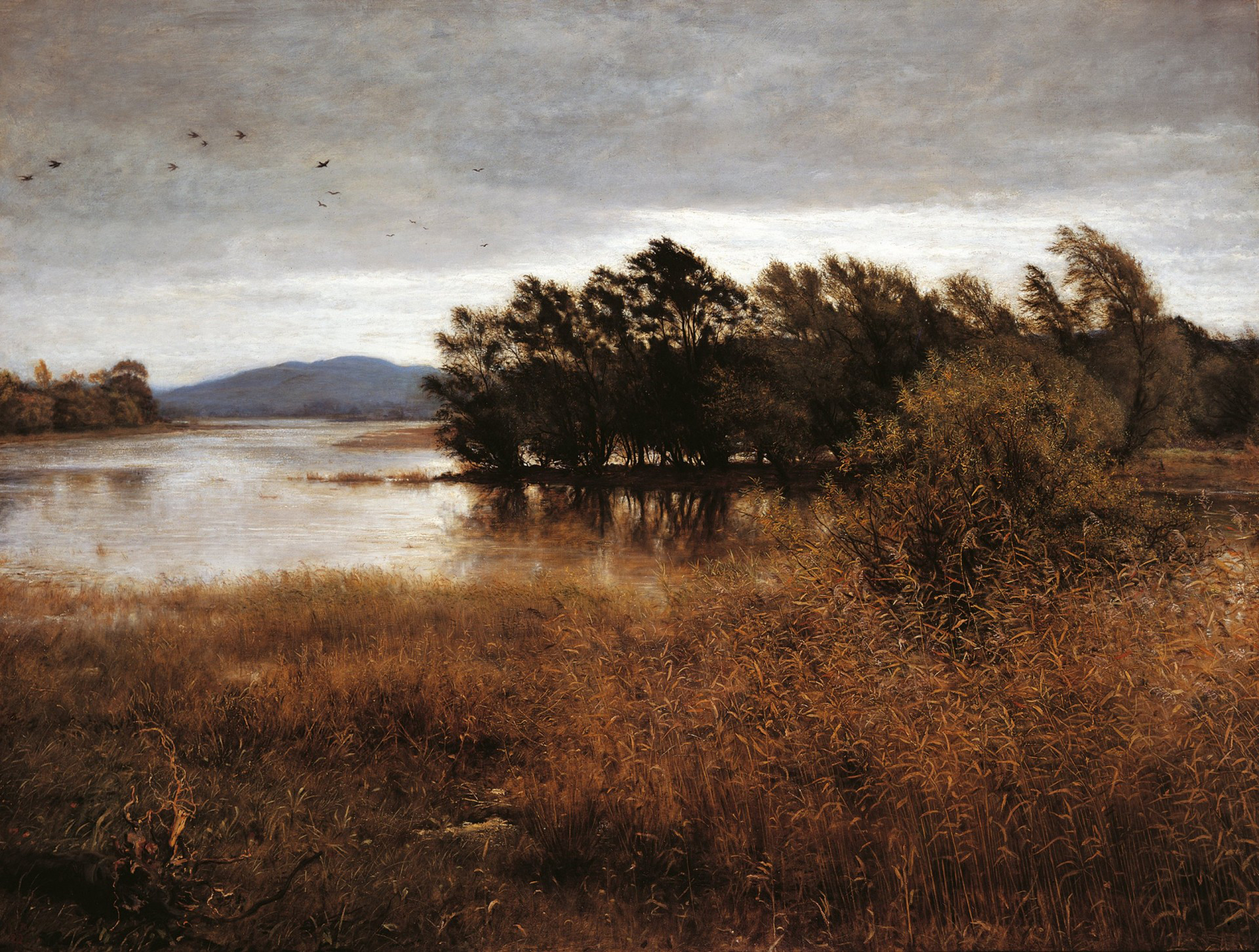
John Everett Millais, Chill October, 1870
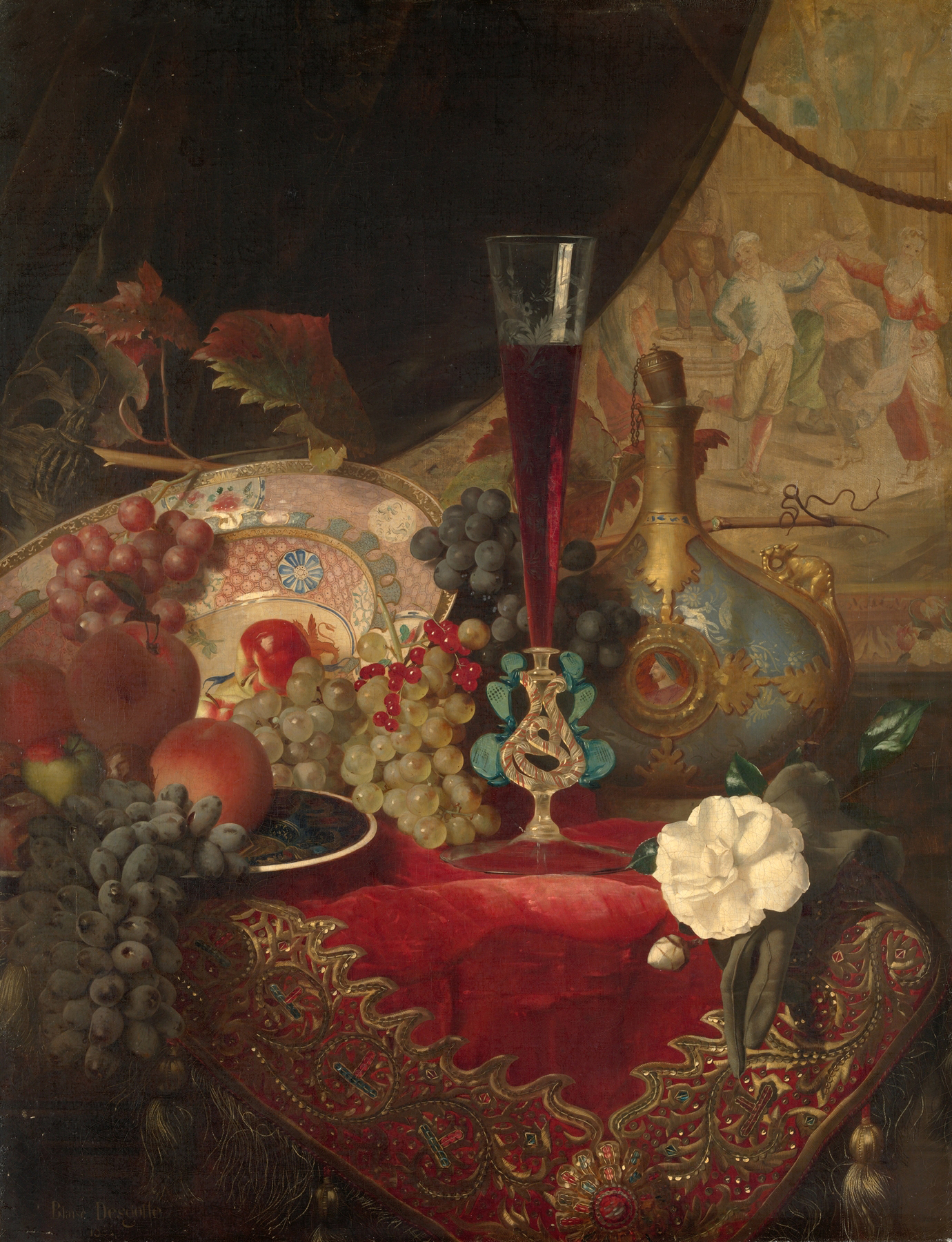
Blaise Desgoffe, Fruit still life, 1866
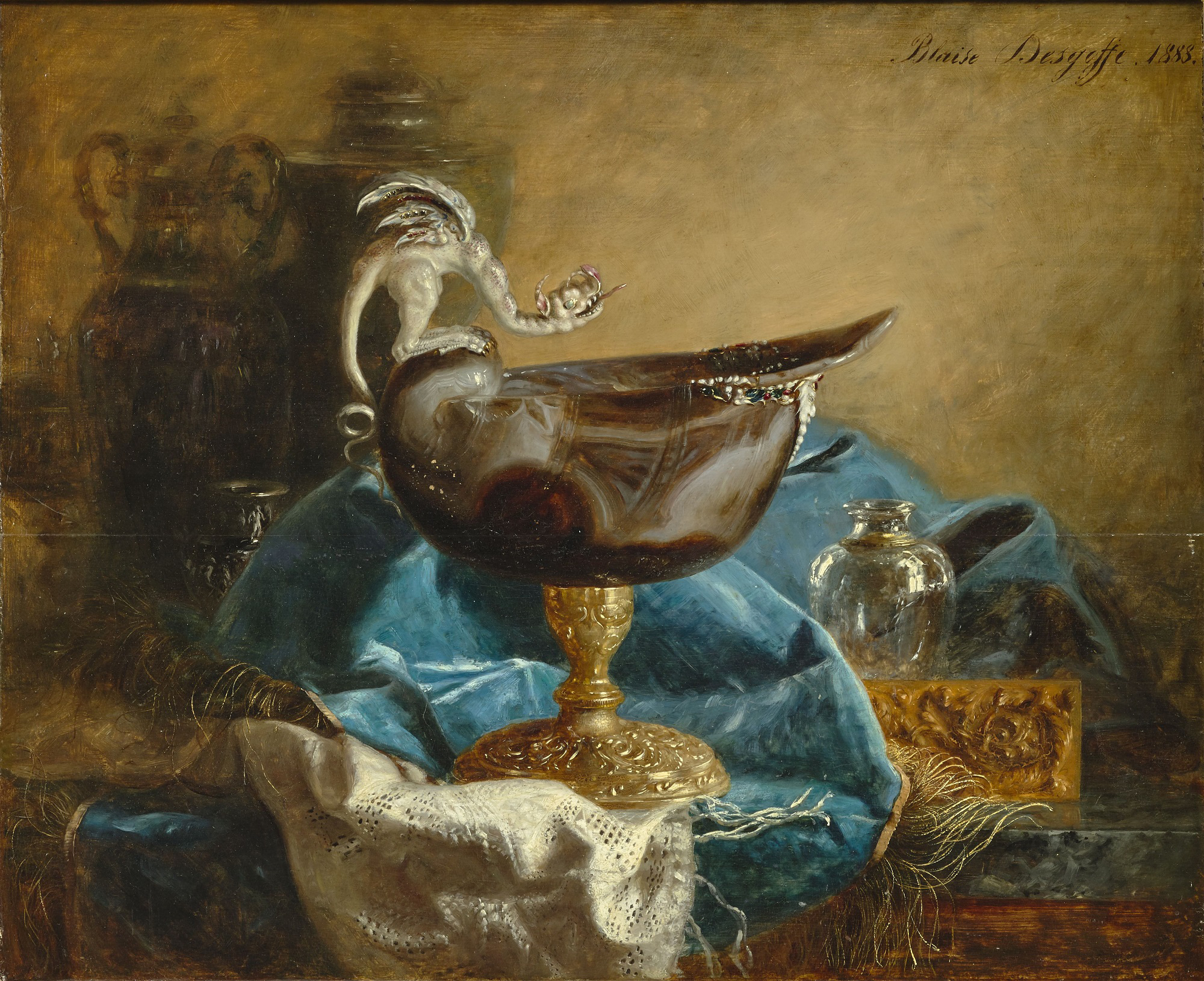
Blaise Desgoffe, Nature morte à la coupede sardoine et à l'étoffe bleue, 1888, oil on wood
Blaise Desgoffe
Blaise Desgoffe, At the Louvre, 1868, oil on panel
Blaise Desgoffe
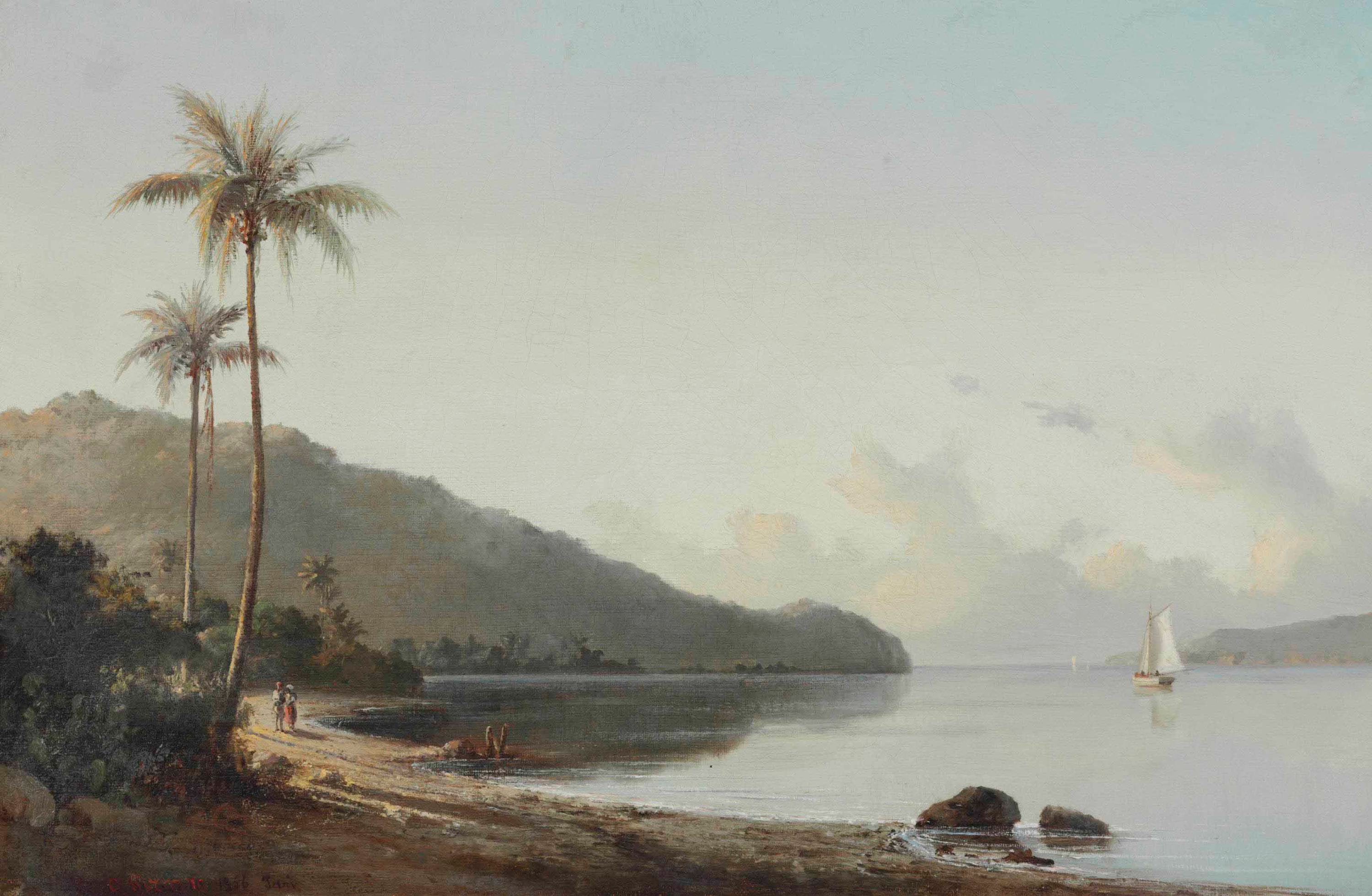
Camille Pissarro, Crique au voilier, 1856, oil on canvas
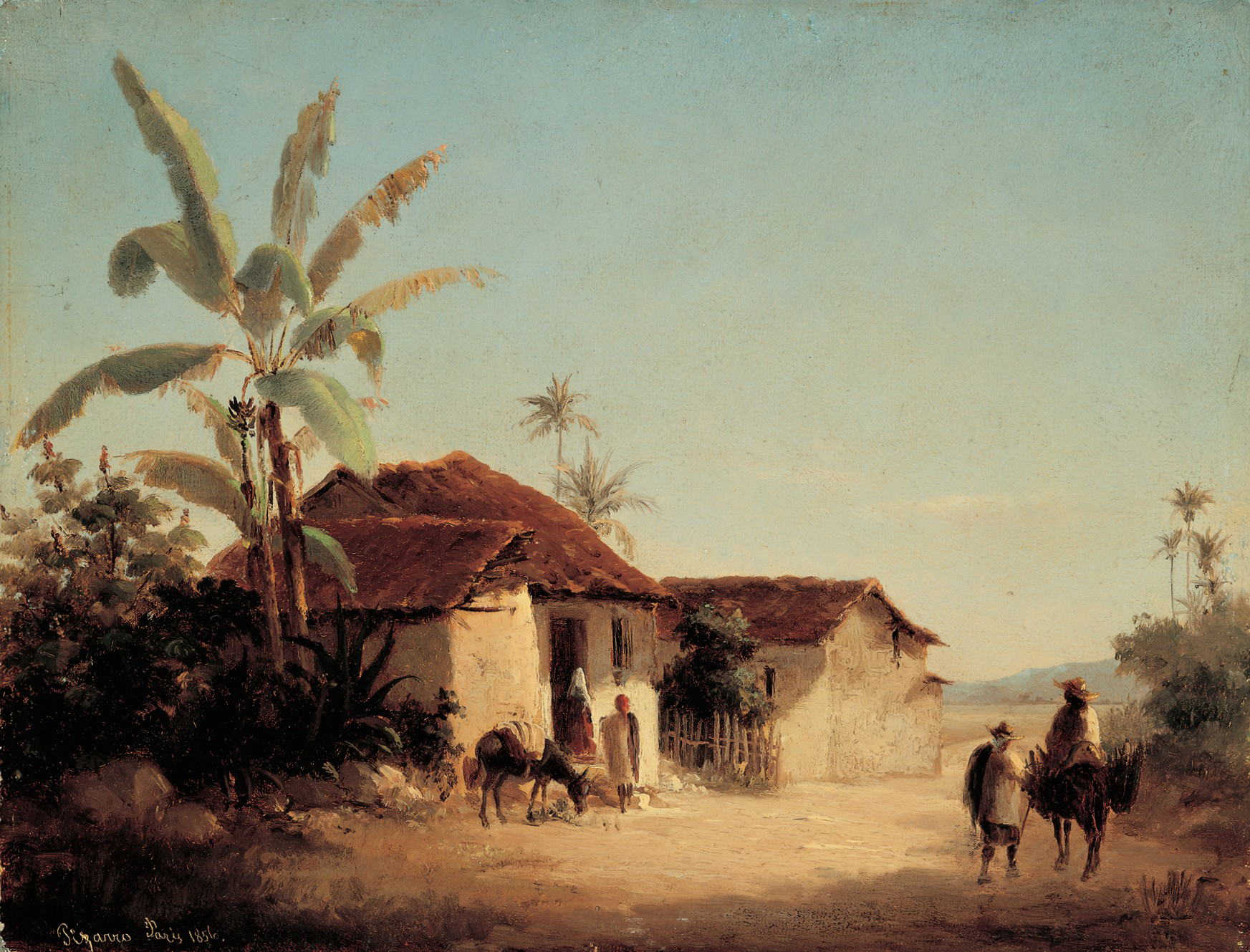
Camille Pissarro, Paysage tropical avec masureset palmiers, 1856, oil on cardboard
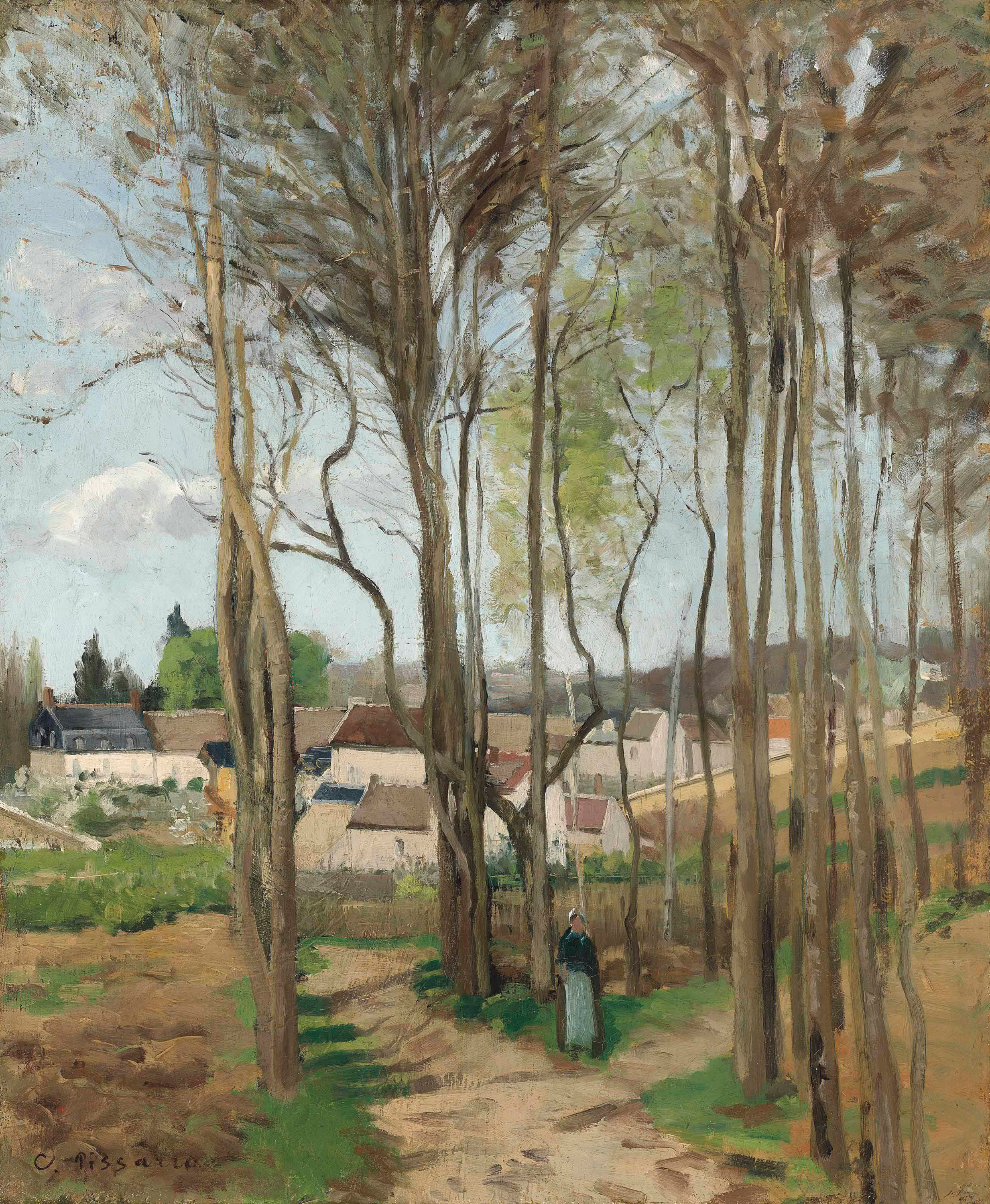
Camille Pissarro, Le village à travers les arbres, 1869, oil on canvas
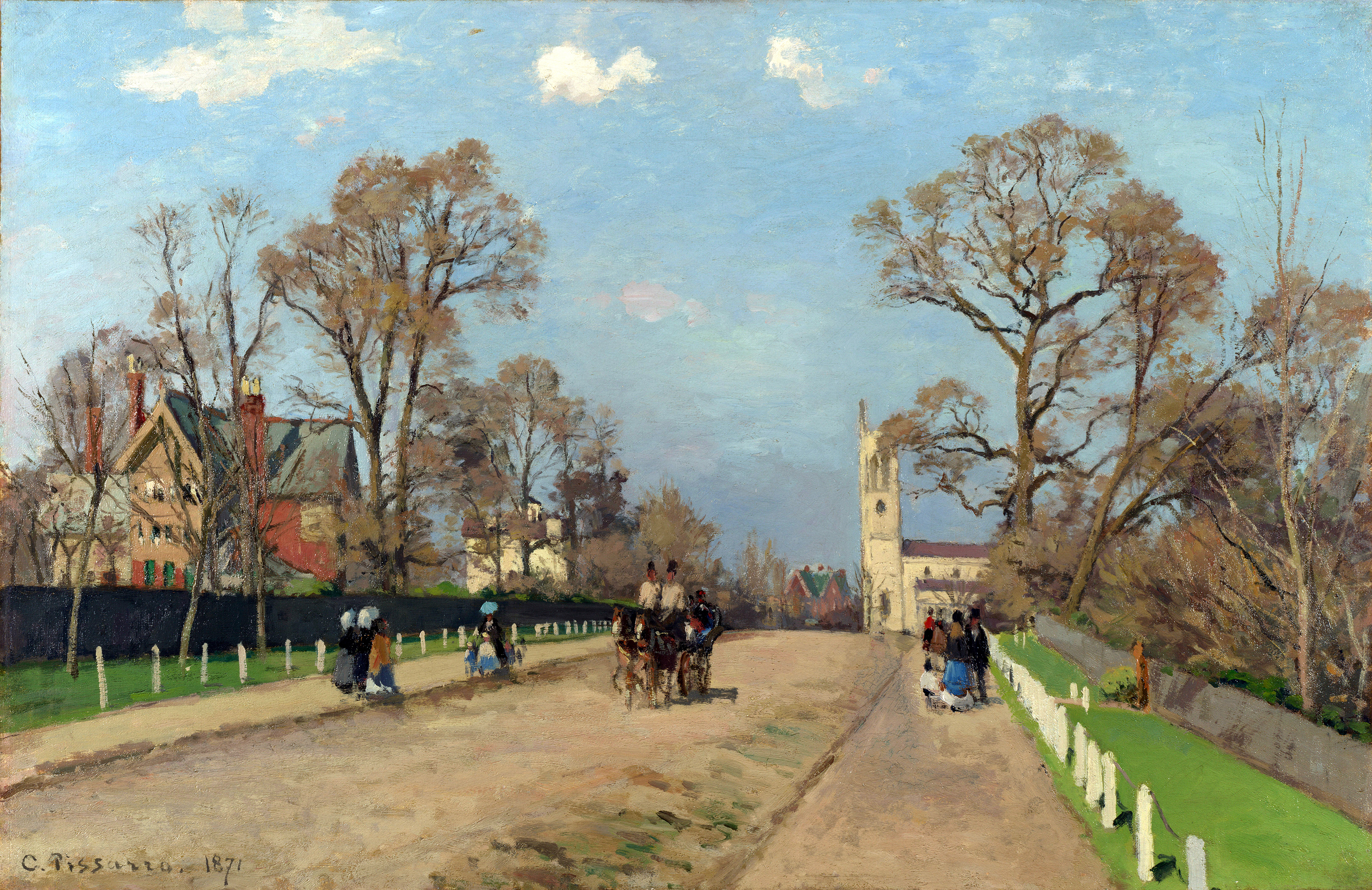
Camille Pissarro, The avenue, Sydenham, 1871, oil on canvas
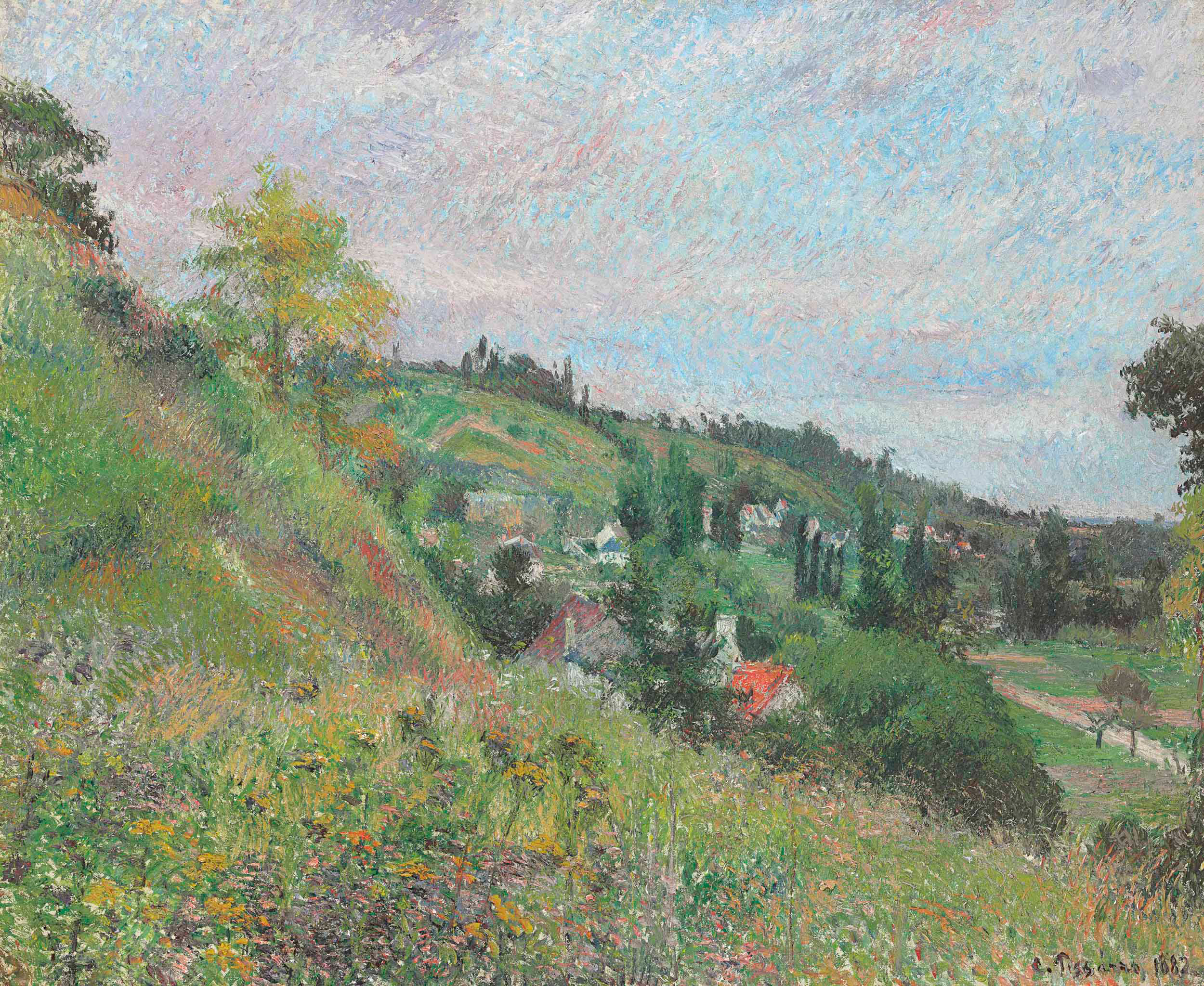
Camille Pissarro, Les coteaus de Chou, Pontoise, 1882, oil on canvas
Camille Pissarro, La batterie à Montfoucault, 1883, oil on canvas
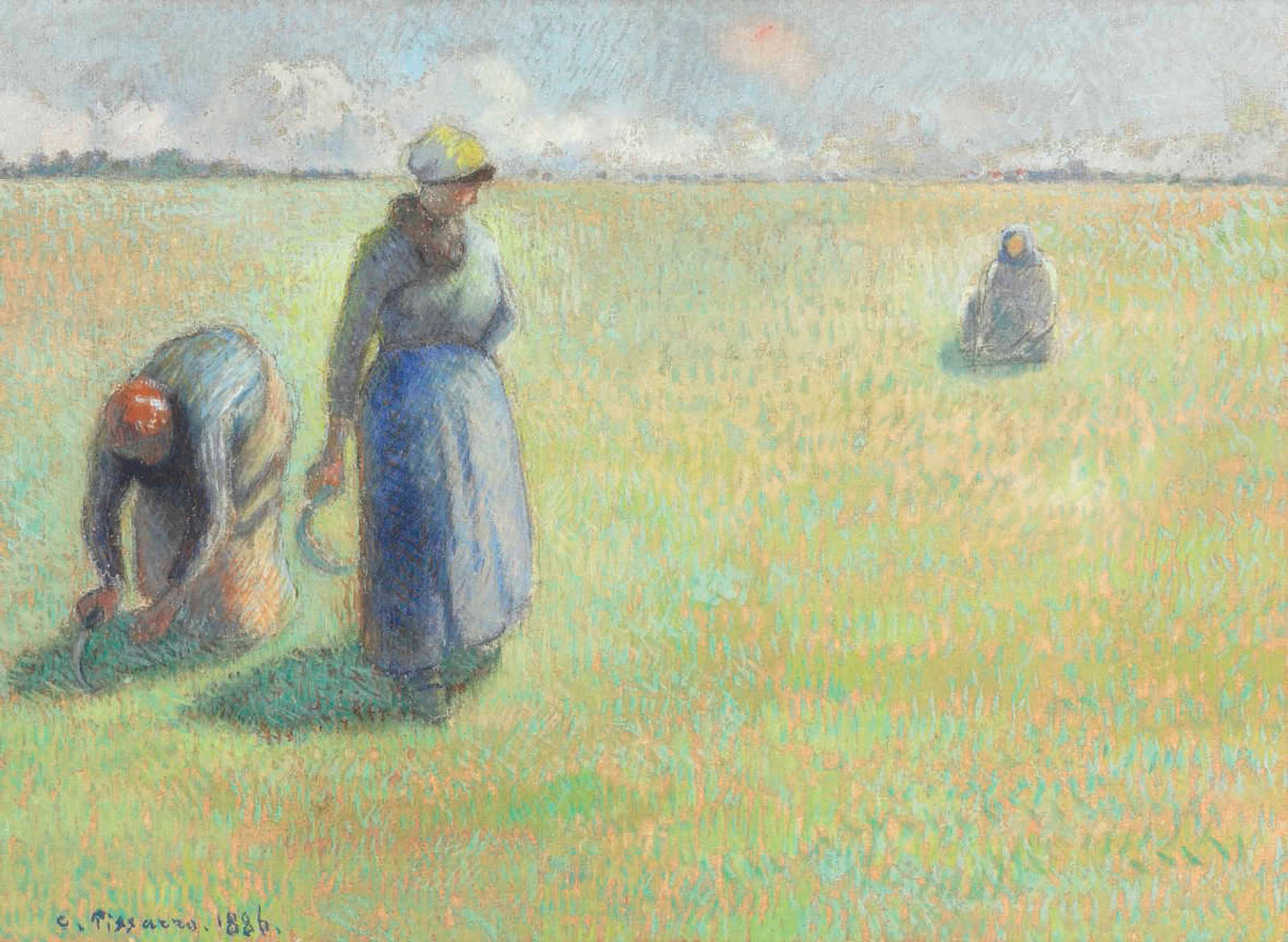
Camille Pissarro, Trois femmes cueillant de l'herbe, 1886, gouache & pencil on silk
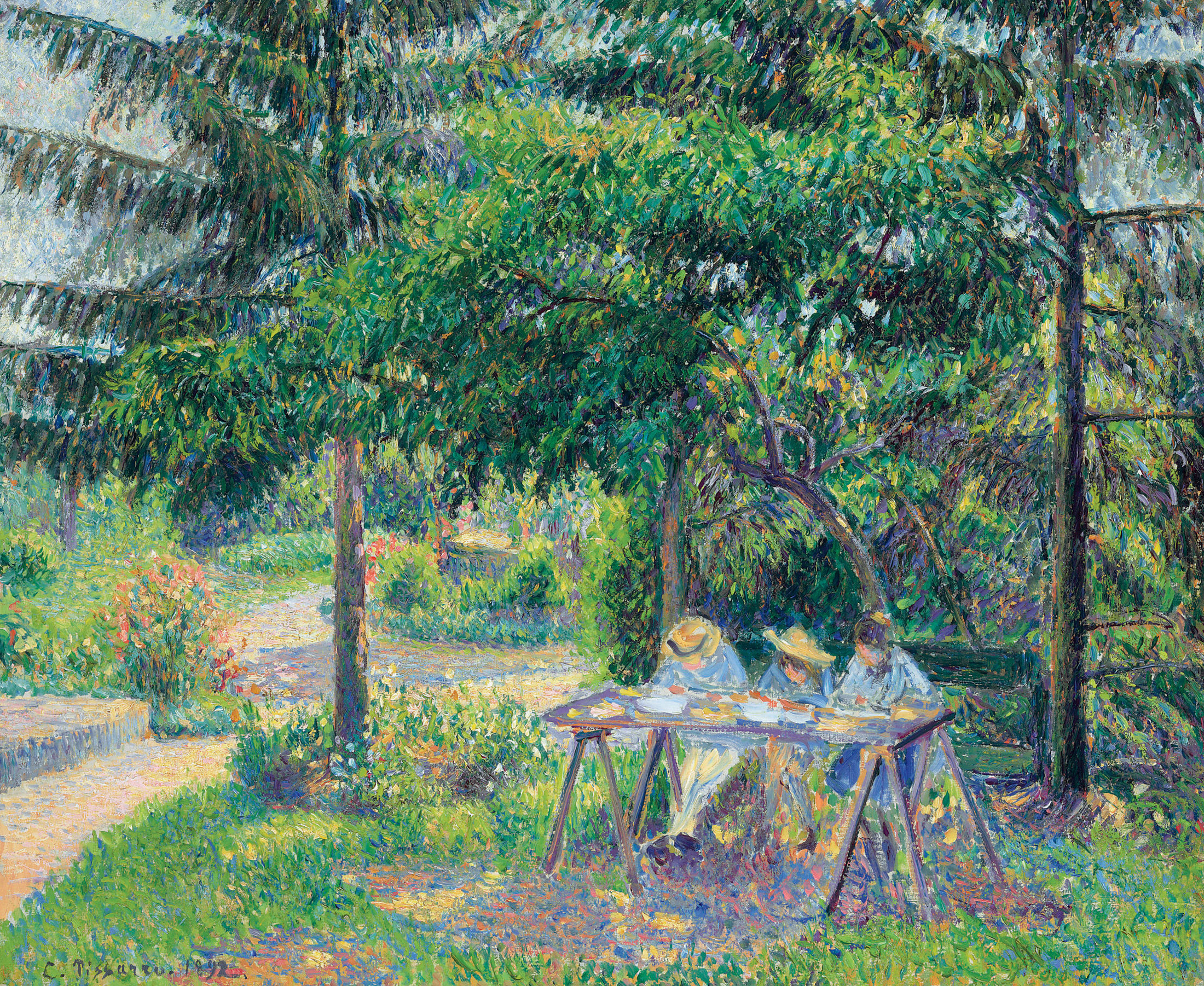
Camille Pissarro, Enfants attablés dans le jardin à Eragny, 1892, oil on canvas
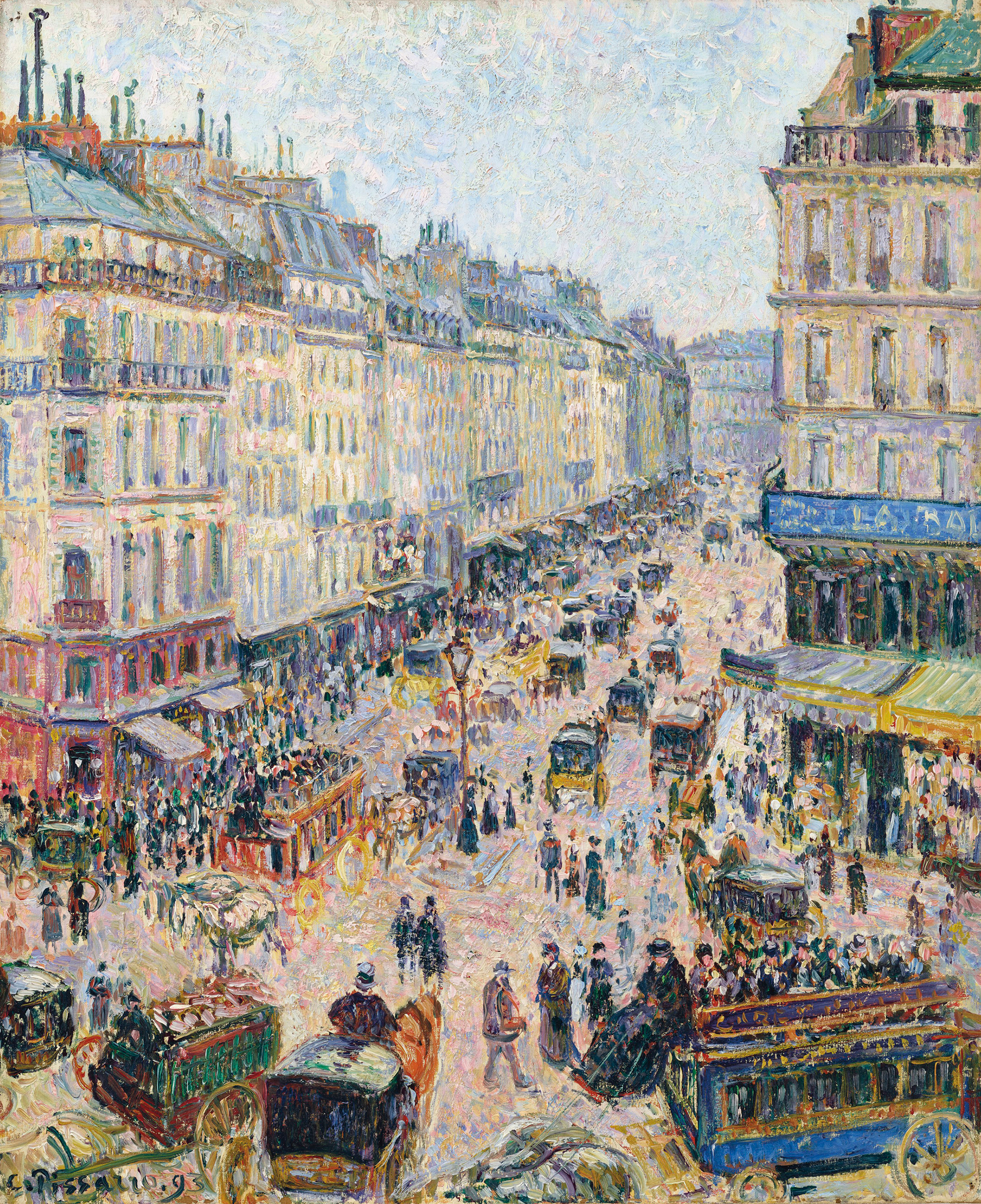
Camille Pissarro, La Rue Saint-Lazare, temps lumineux, 1893, oil on canvas
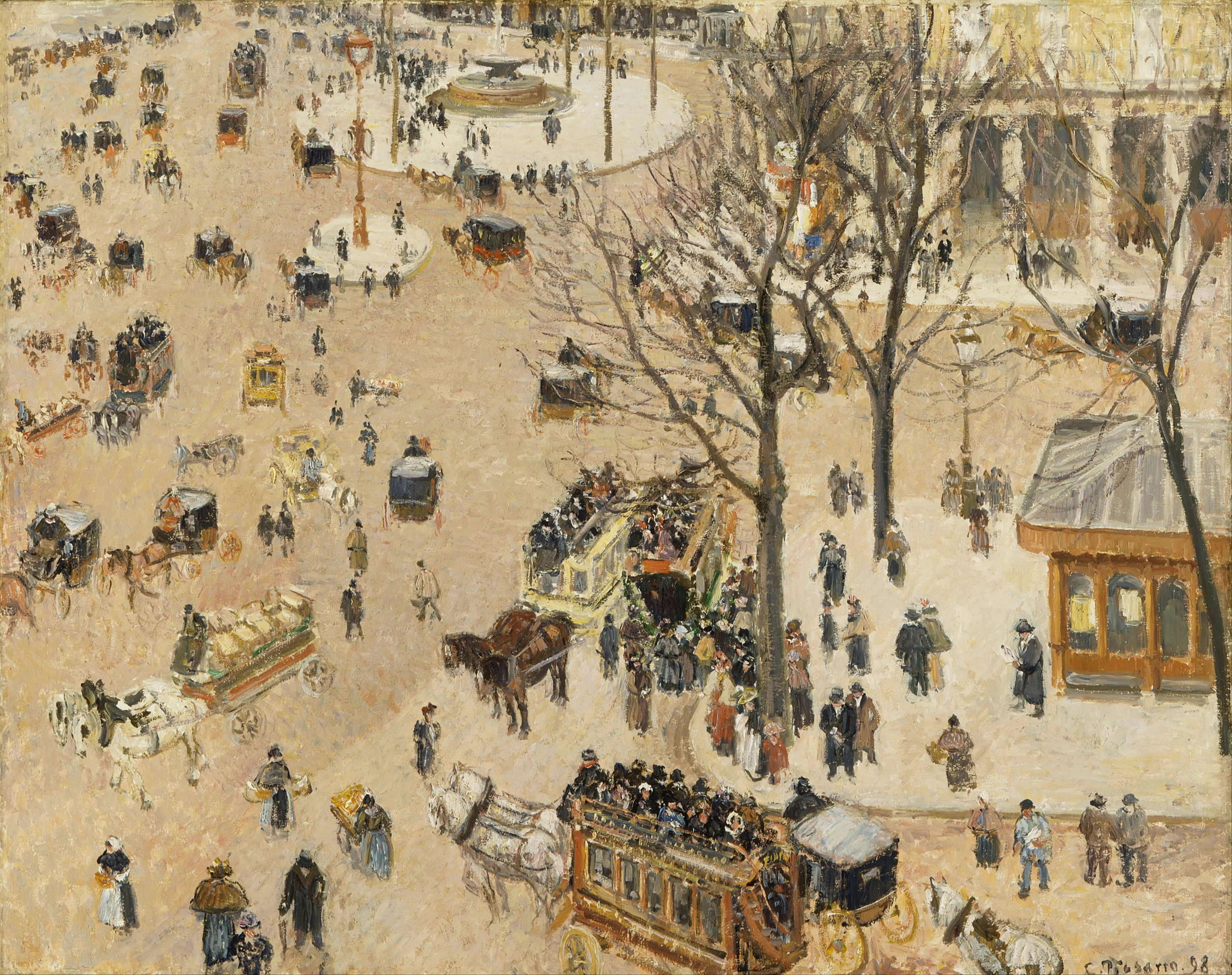
Camille Pissarro, La Place du Théatre, 1898, oil on canvas
Camille Pissarro,
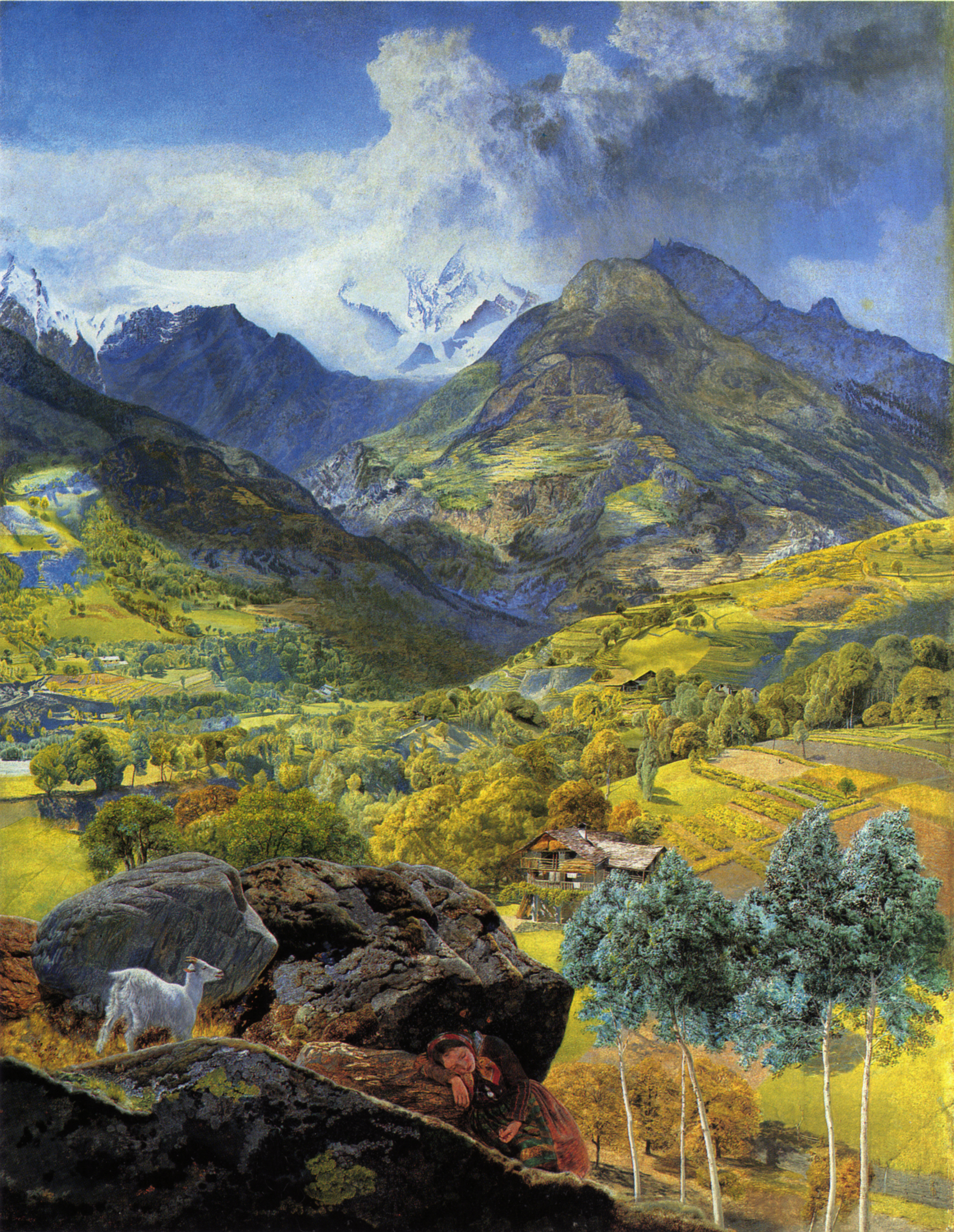
John Brett, Val d'Aosta, 1858, oil on canvas
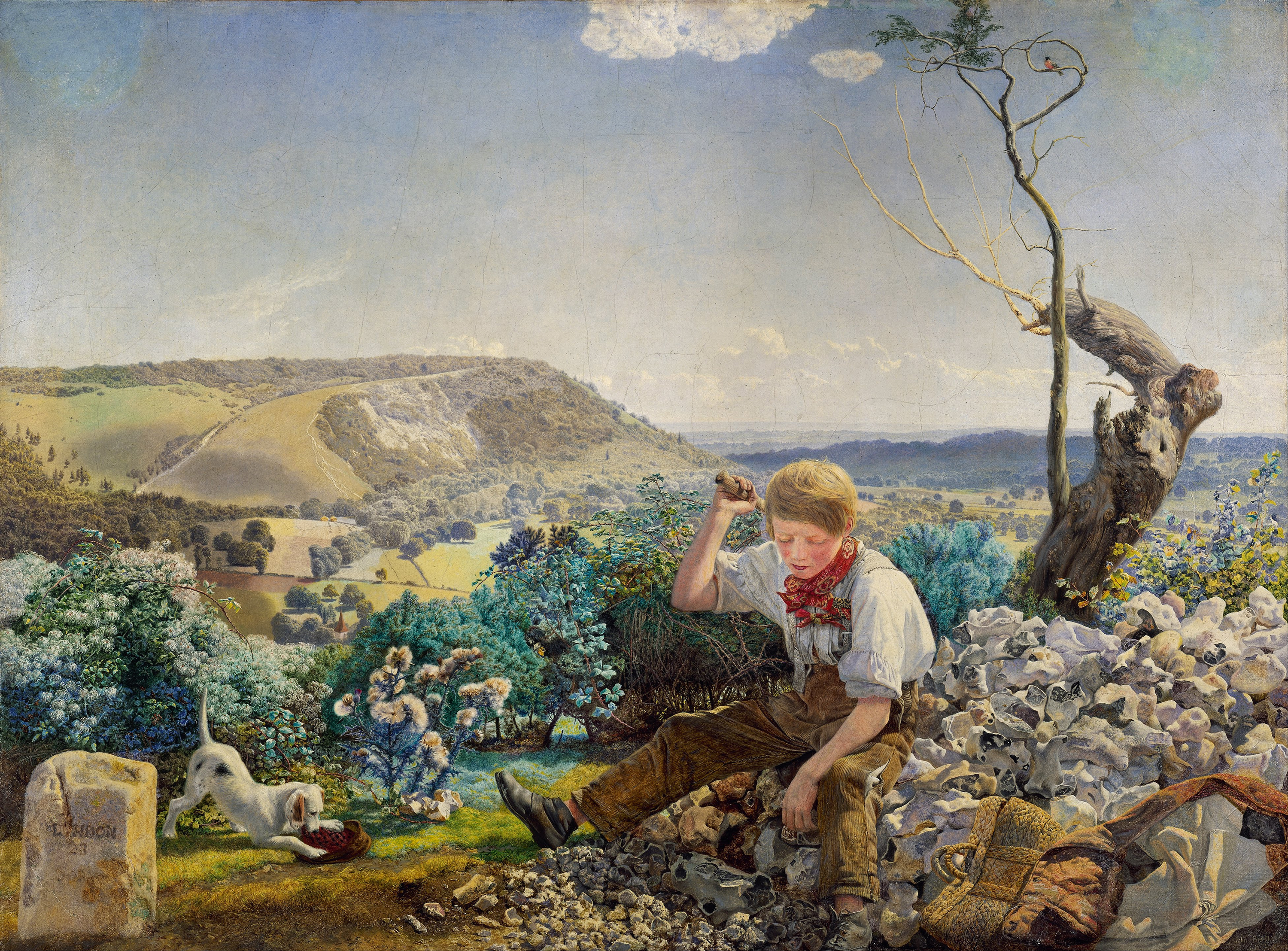
John Brett, The stonebreaker, 1857-58, oil on canvas
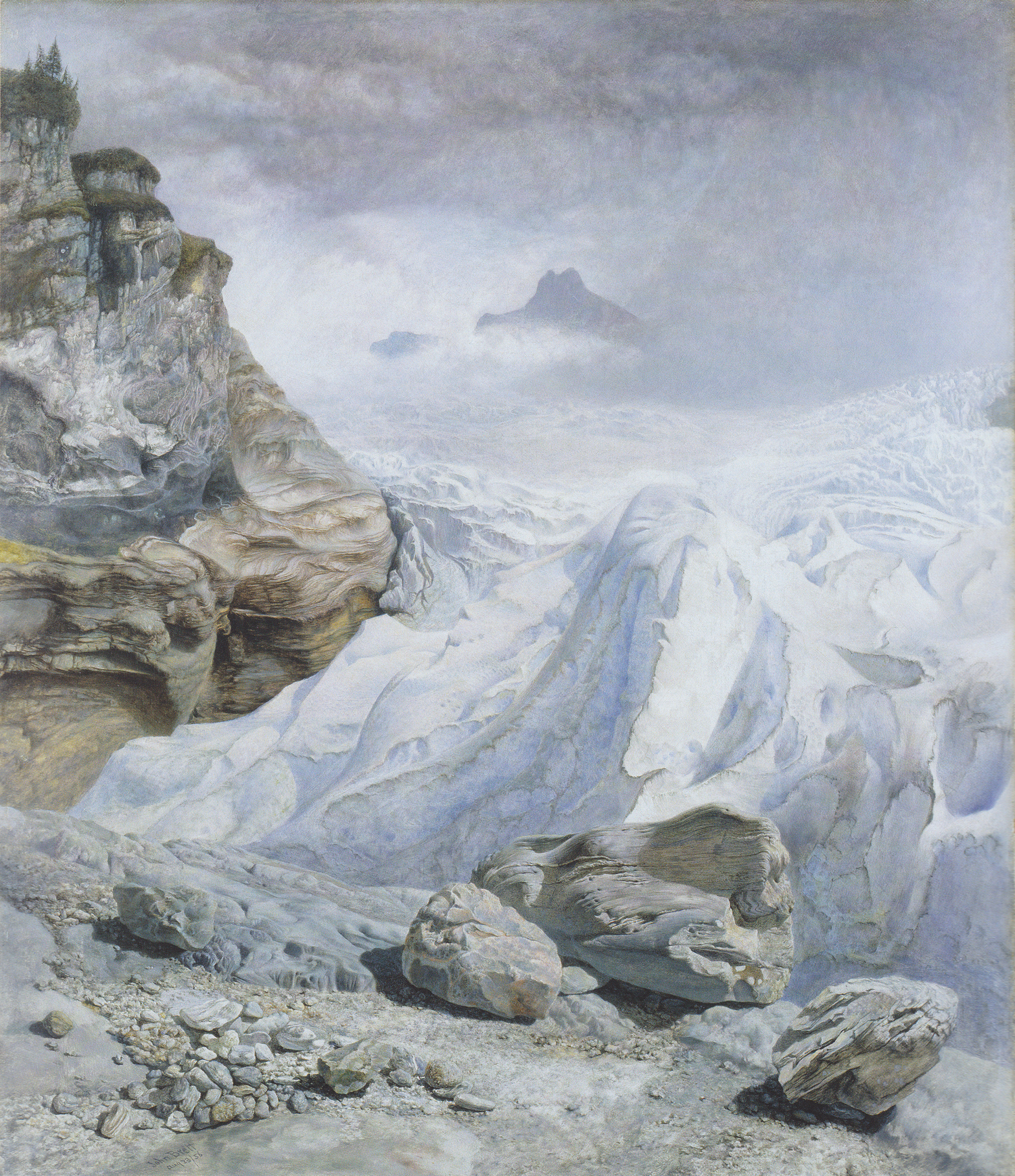
John Brett, The glacier of Rosenlaui, 1856, oil on canvas
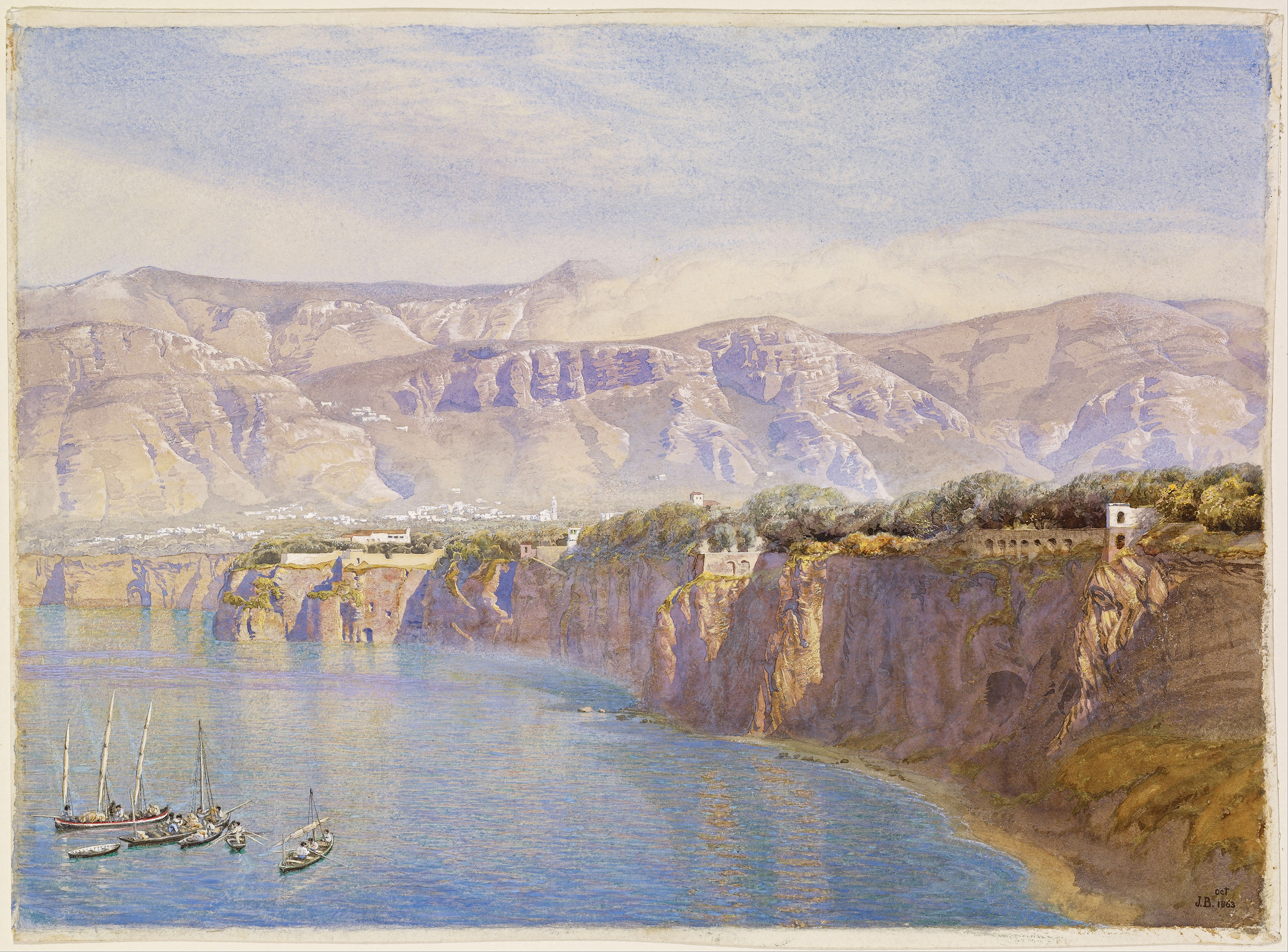
John Brett, Near Sorrento, 1863, watercolour & bodycolour on paper
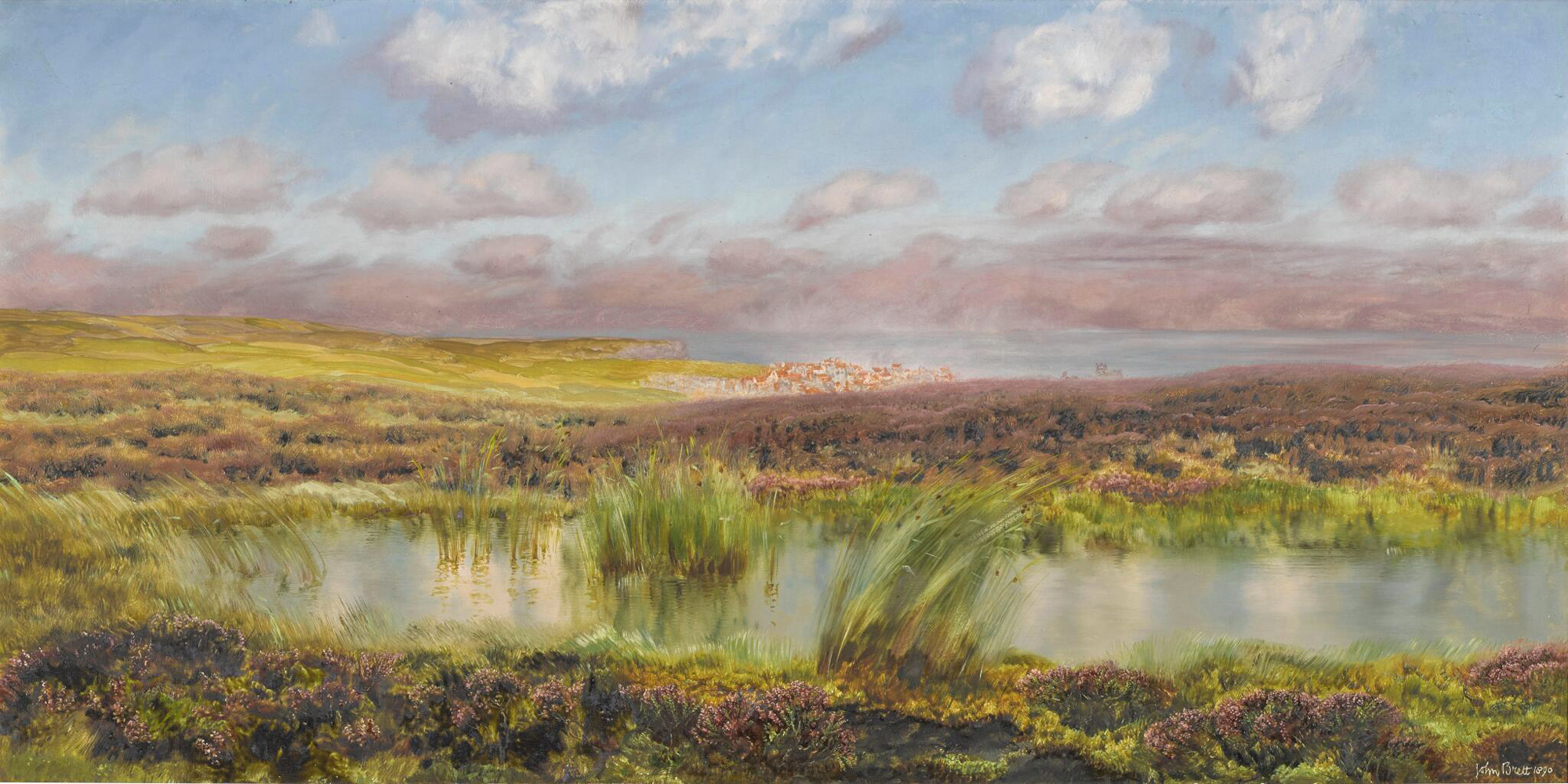
John Brett, Fylindales Moor looking towards Whitby, oil on canvas
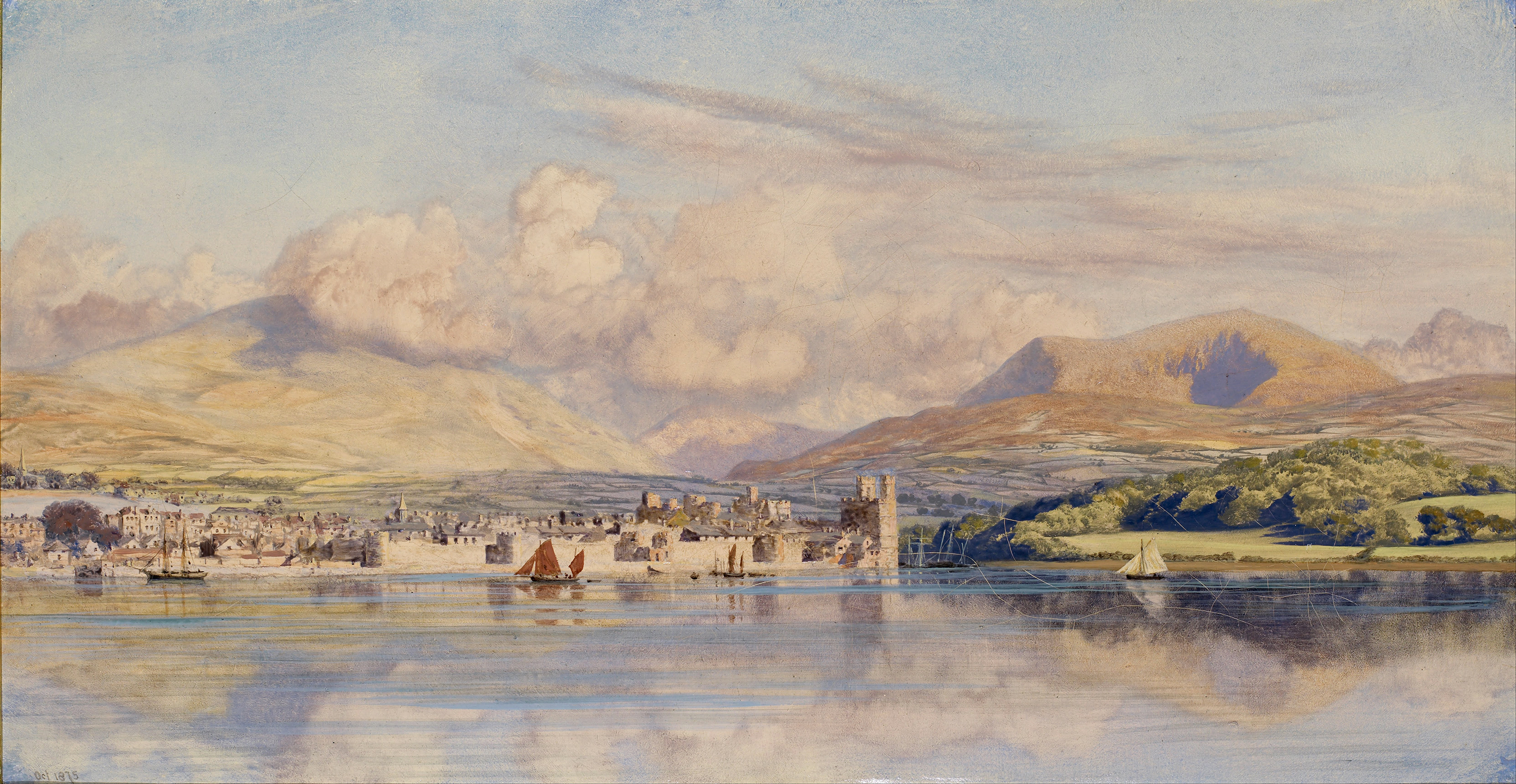
John Brett, Caernarvon, 1875, oil on canvas
John Brett, The outlook from my native cliffs, "Heaven lies about us in our infancy", 1895, oil on canvas
Éduard Manet, La musique aux Tuileries, 1862, oil on canvas
Éduard Manet, Le déjeuner sut l'herbe, 1863, oil on canvas
Éduard Manet, Olympia, 1863, oil on canvas
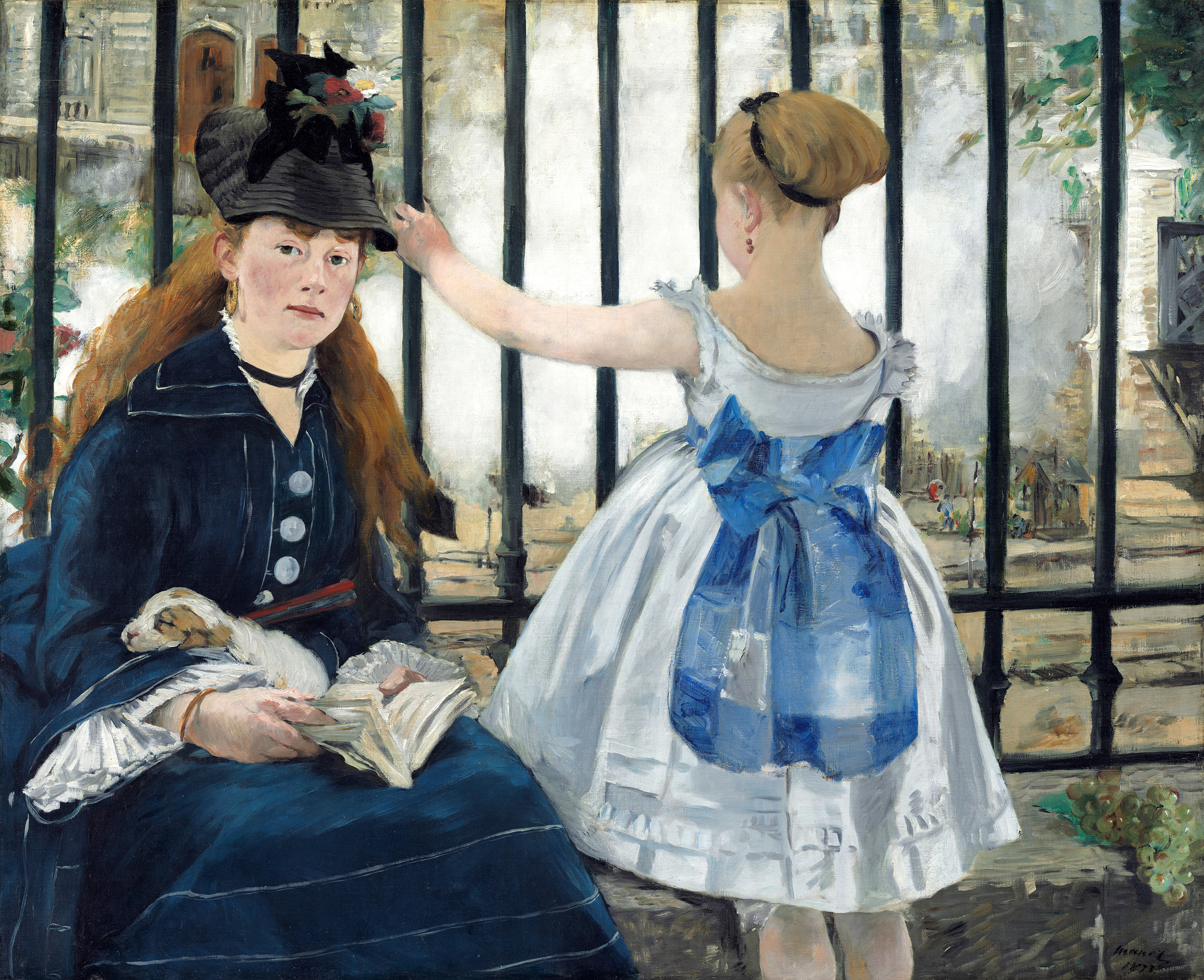
Éduard Manet, The raiway, 1873, oil on canvas
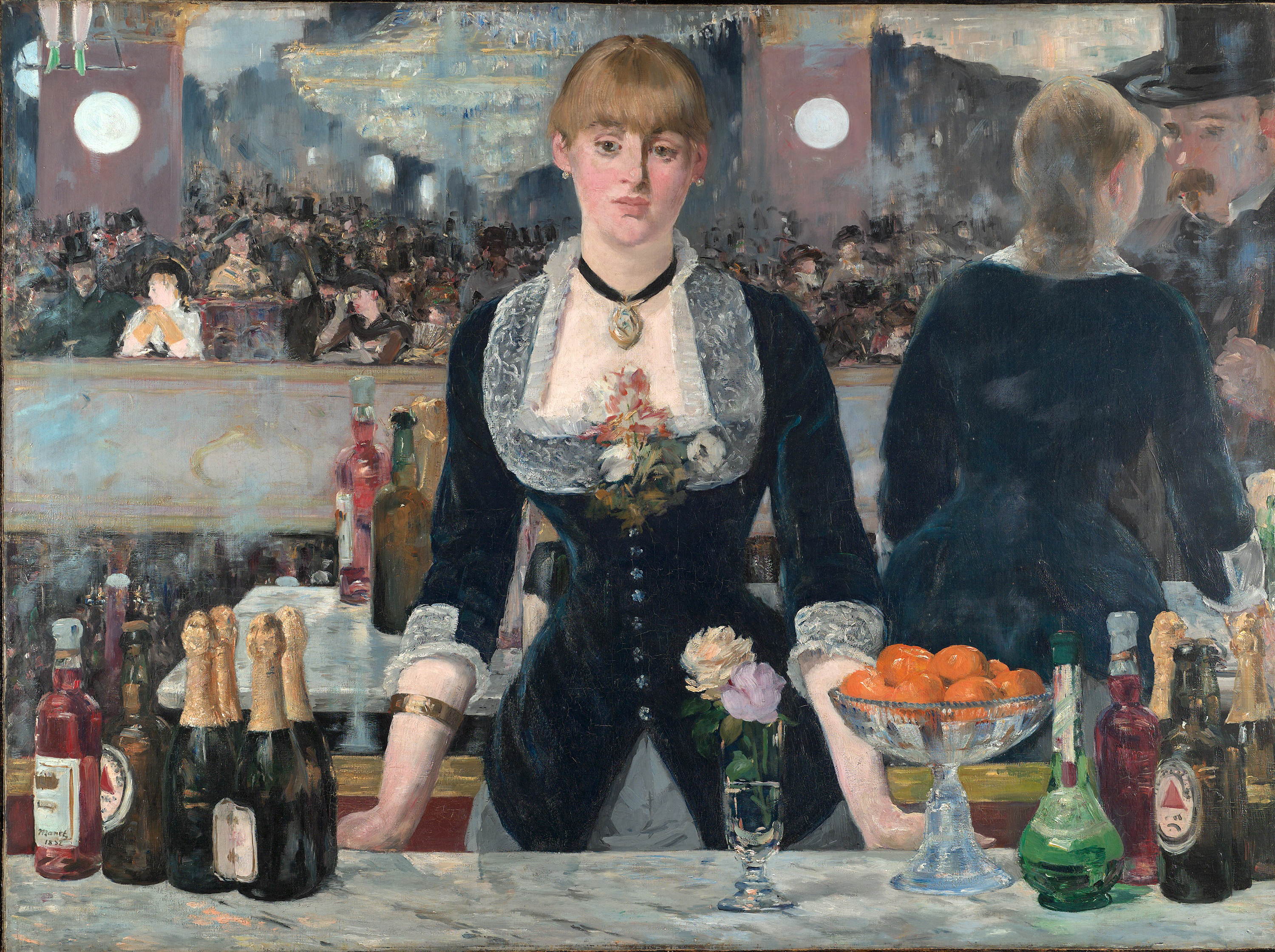
Éduard Manet, Un bar aux Folies-bergère, 1881-82, oil on canvas
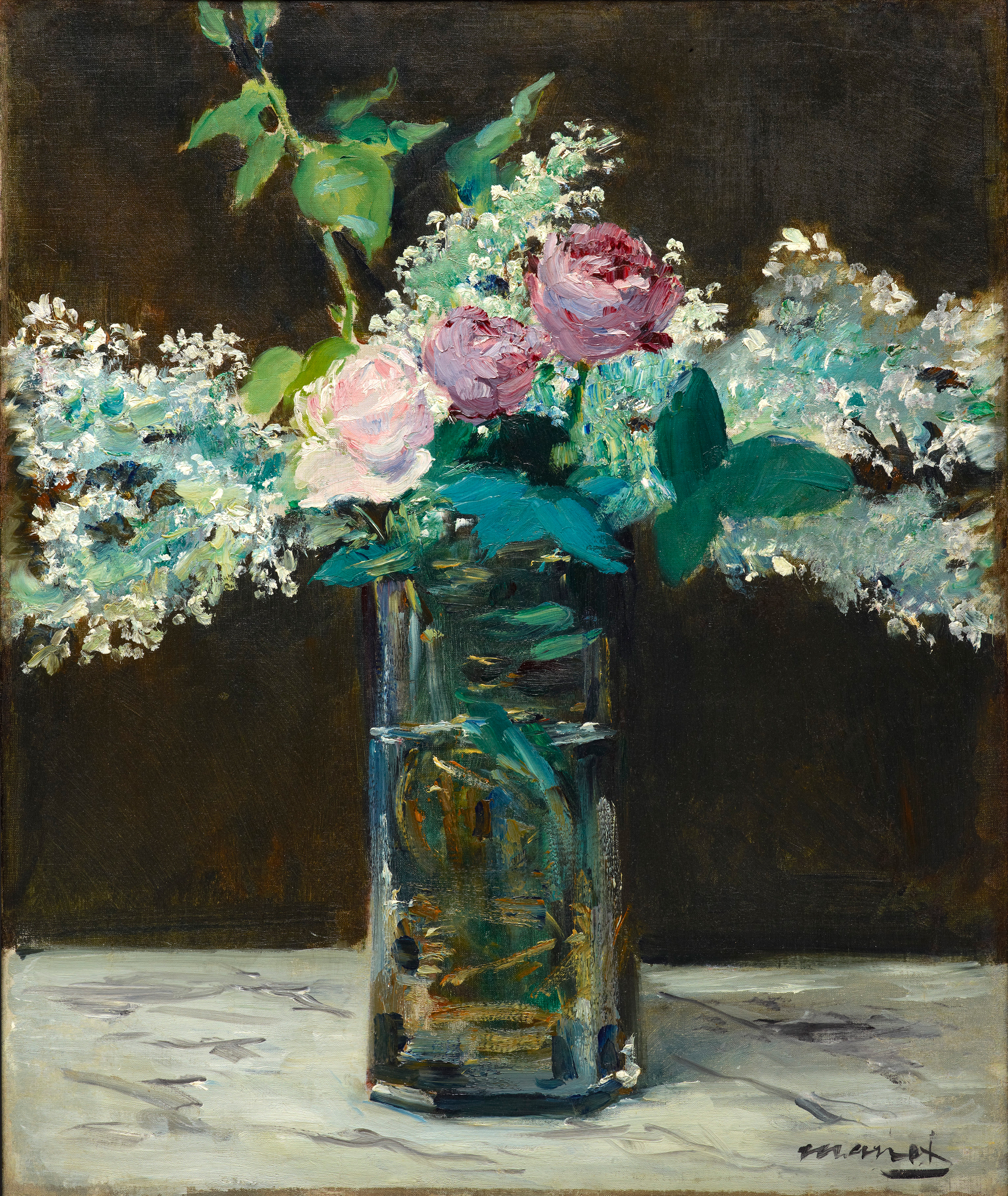
Éduard Manet, Vase avec lilacs blancs et rosés,
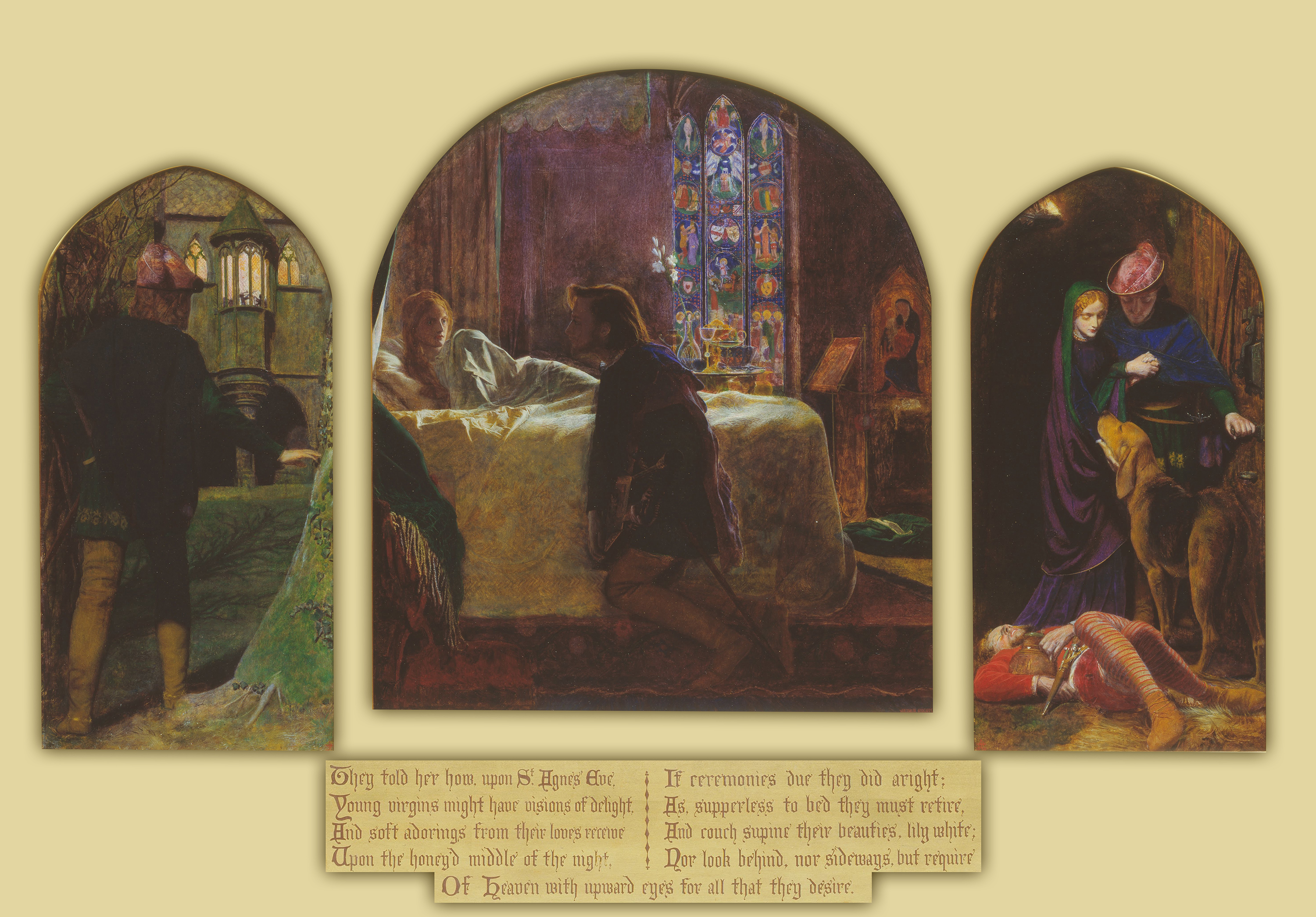
Arthur Hughes, The Eve of St Agnes, 1856, oil on canvas
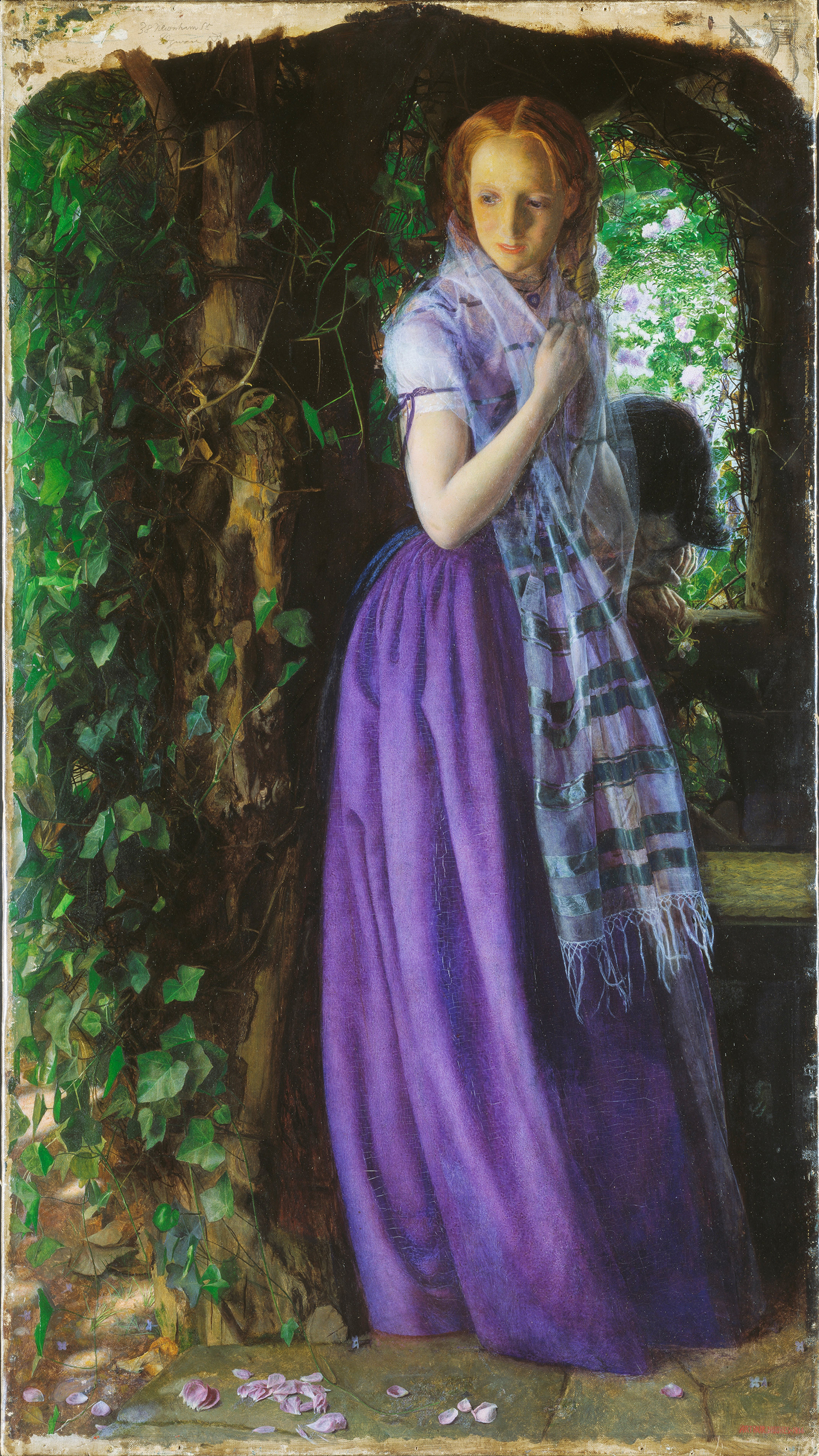
Arthur Hughes, April love, 1855-56, oil on canvas
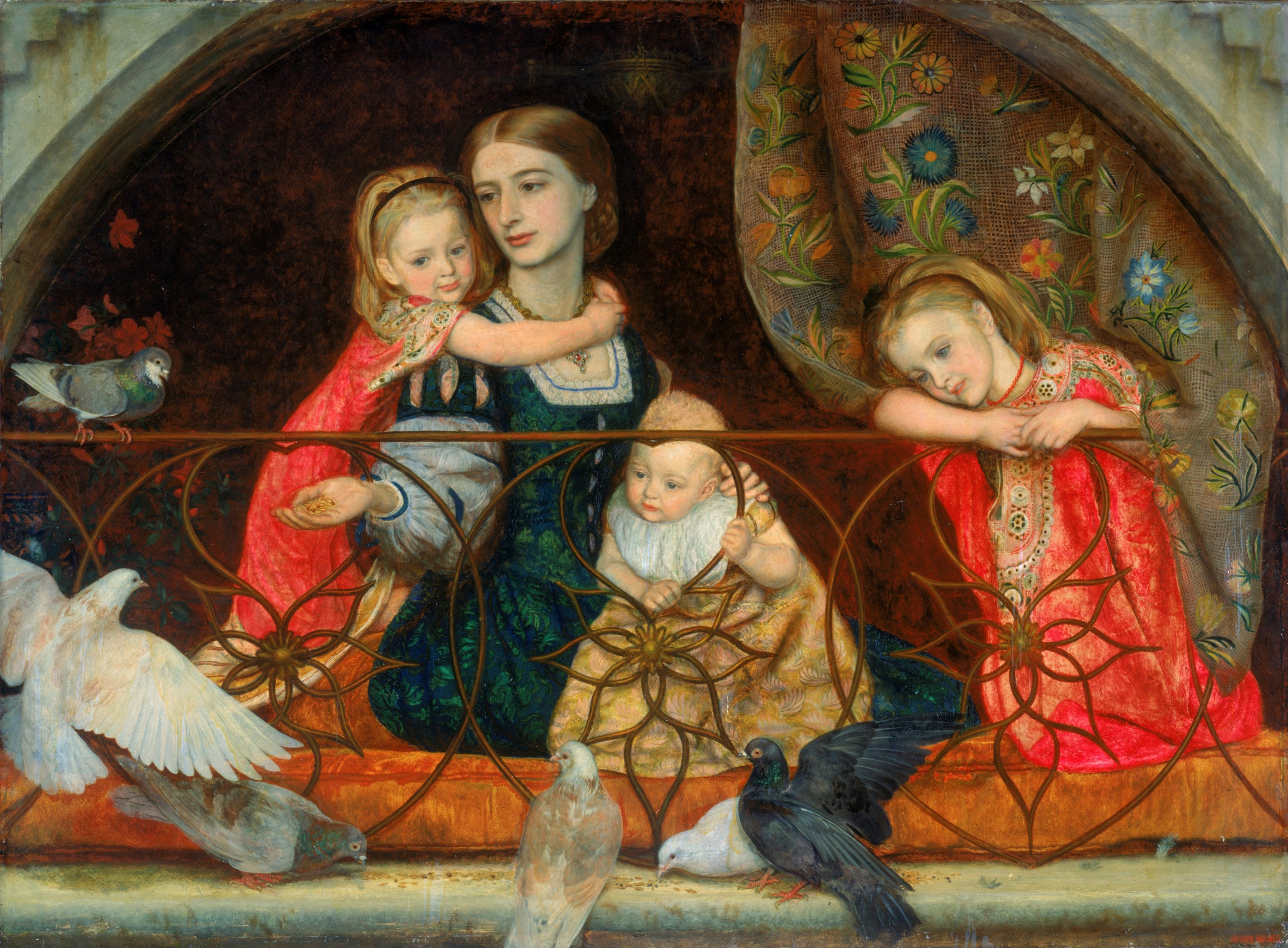
Arthur Hughes, Portrait of Mrs Leathart and her three children, 1863
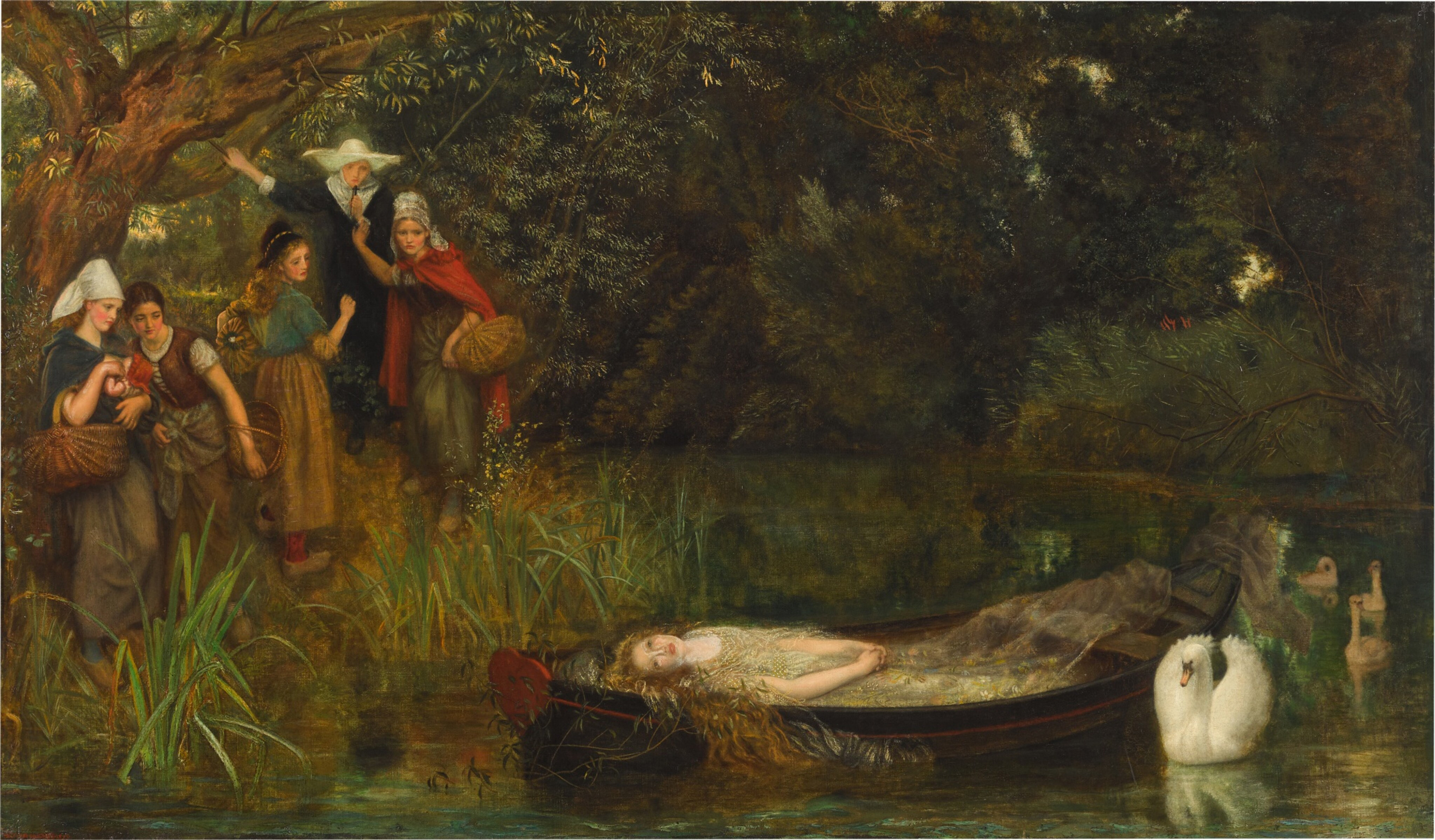
Arthur Hughes, The lady of Shalott, 1873, oil on canvas
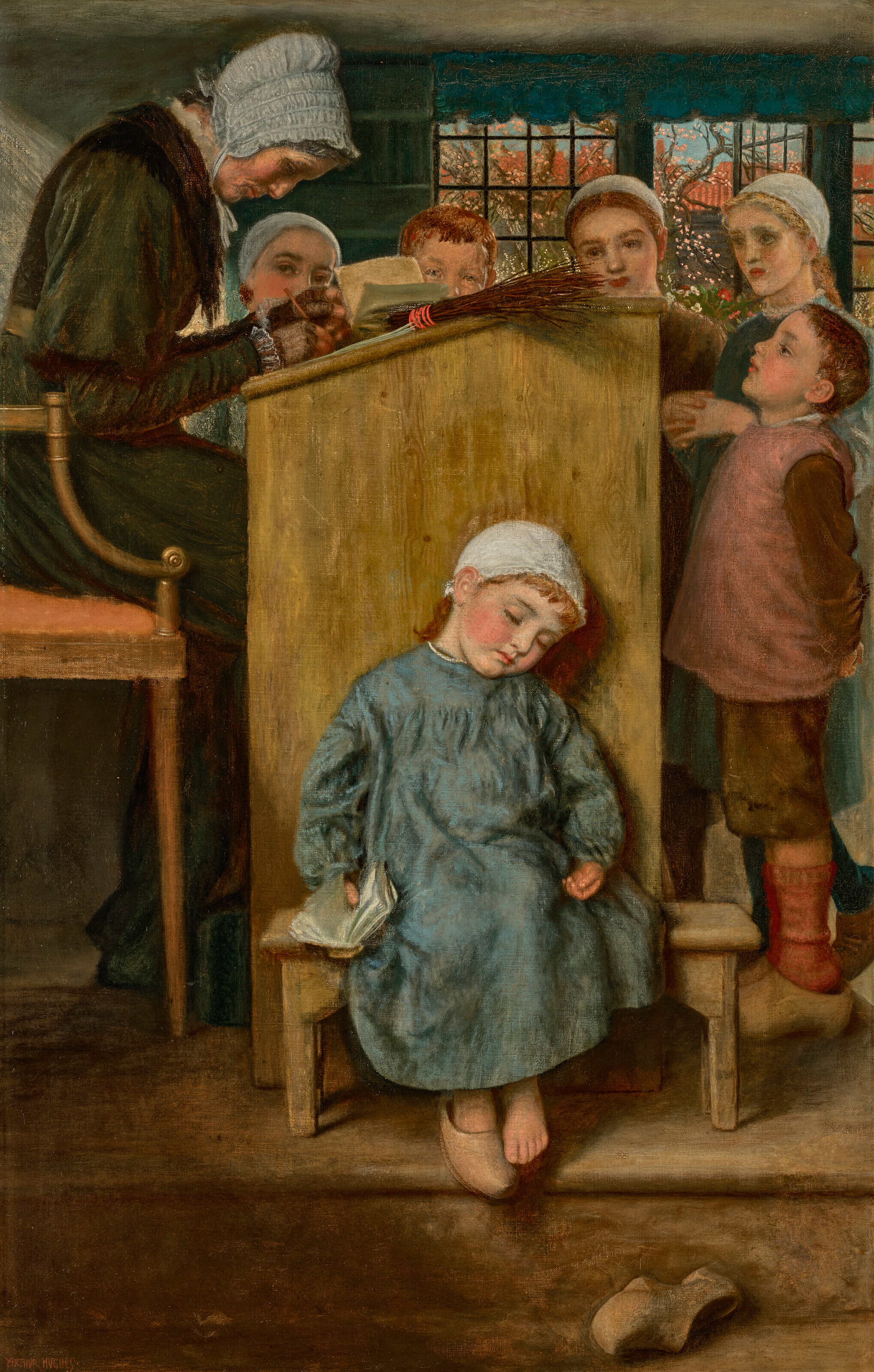
Arthur Hughes, Op straf, 1880, oil on canvas
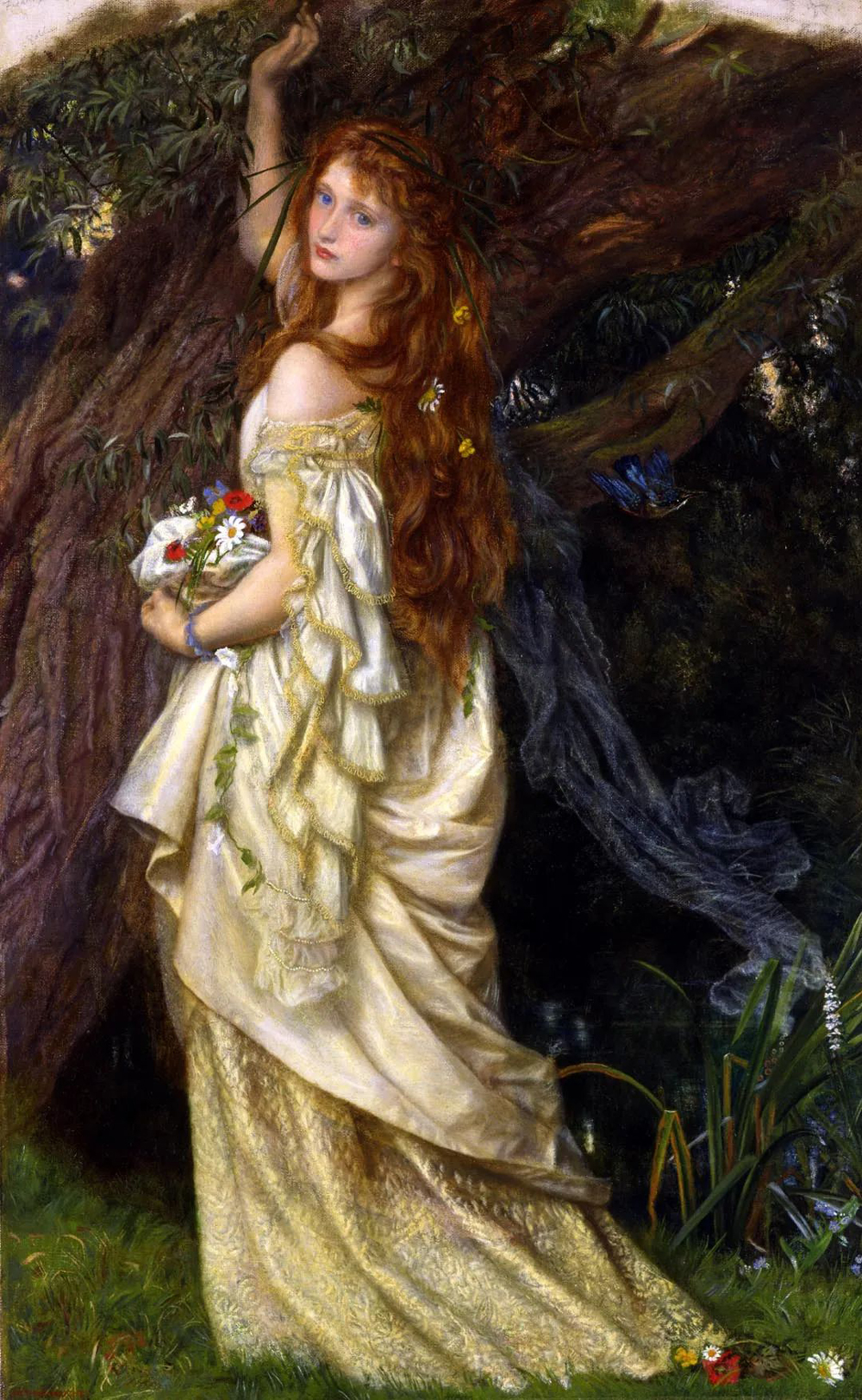
Arthur Hughes, Ophelia, 1865,
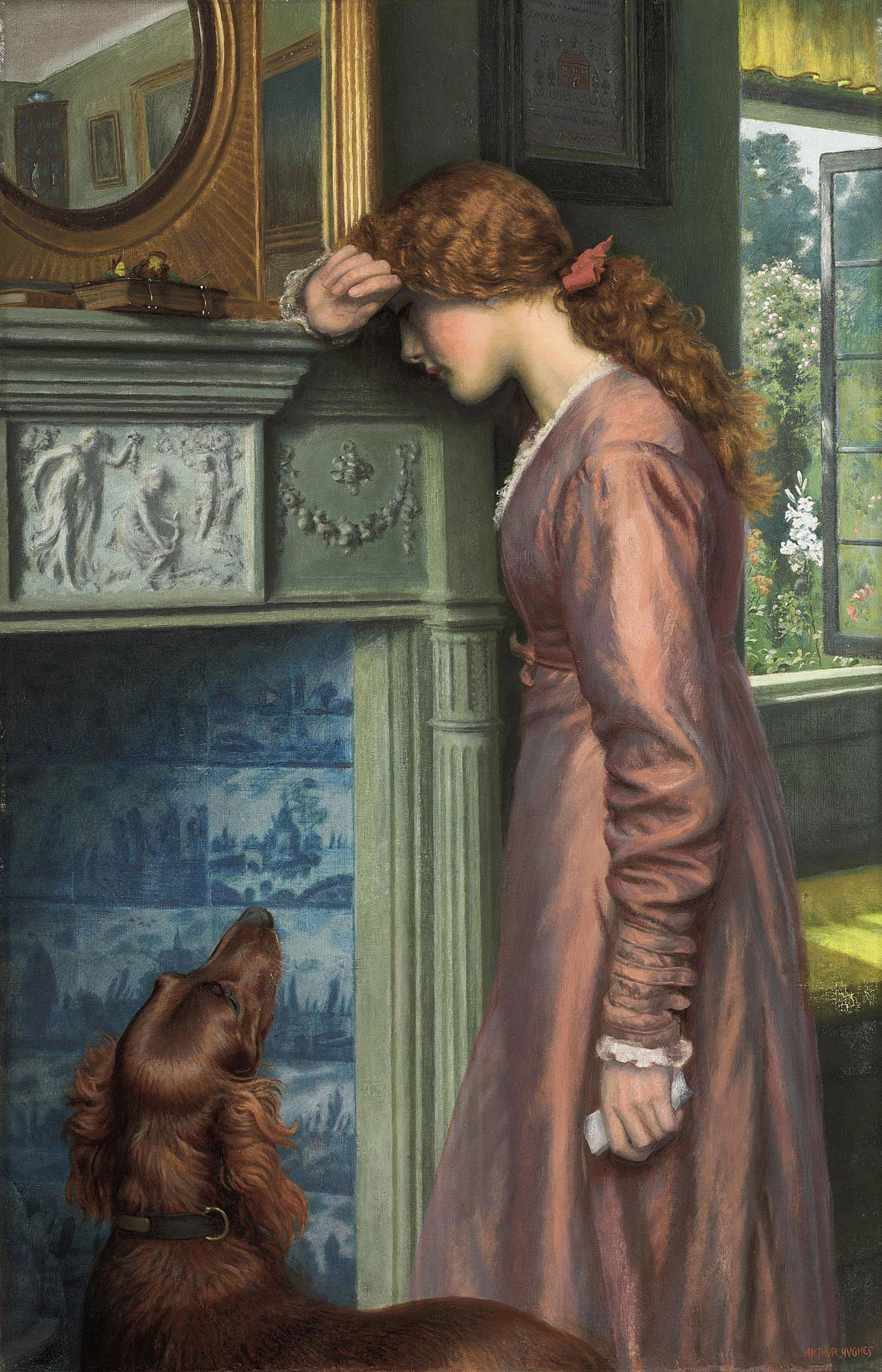
Arthur Hughes, A passing cloud, oil on canvas
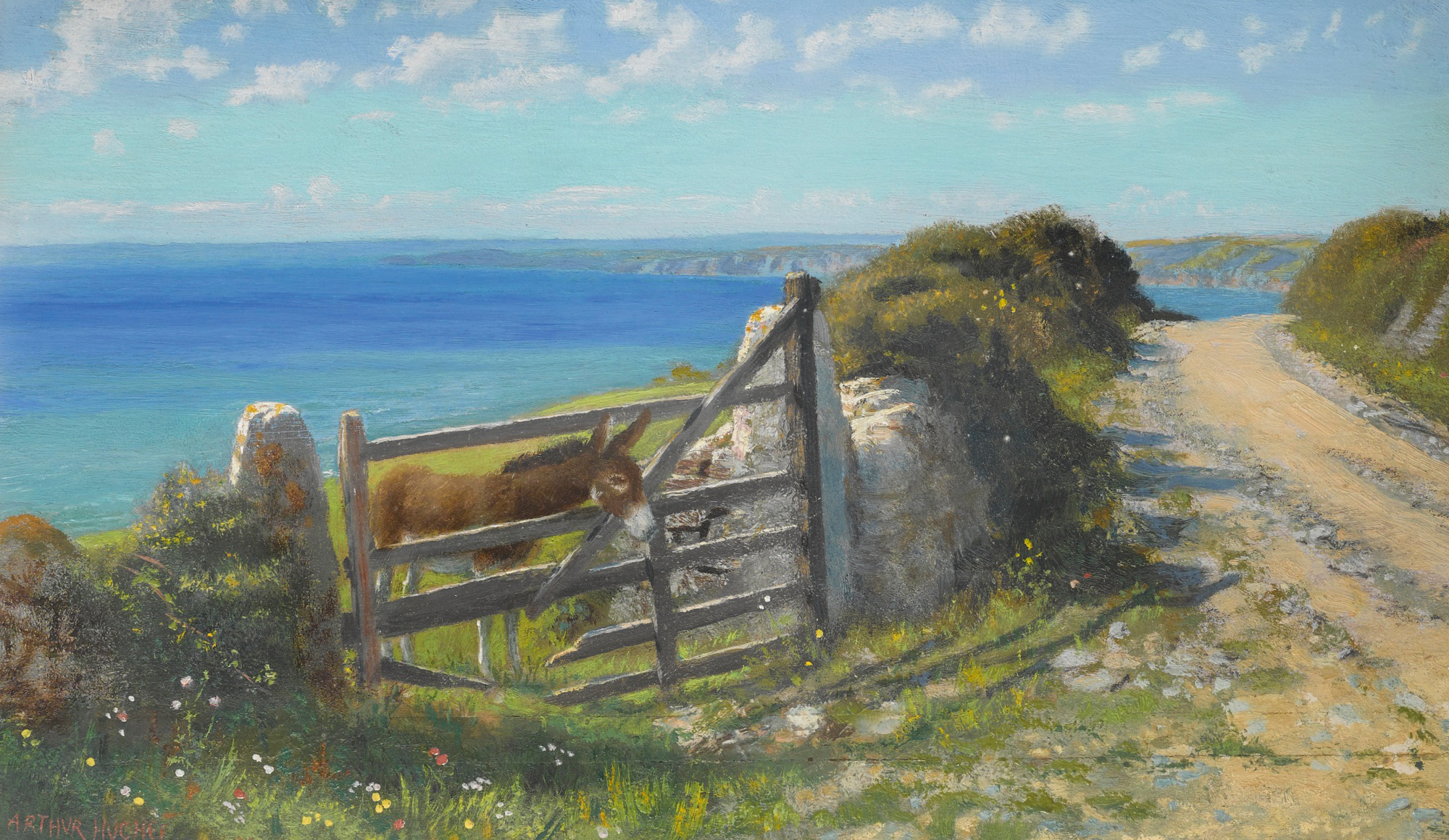
Arthur Hughes, Sunday, oil on paper
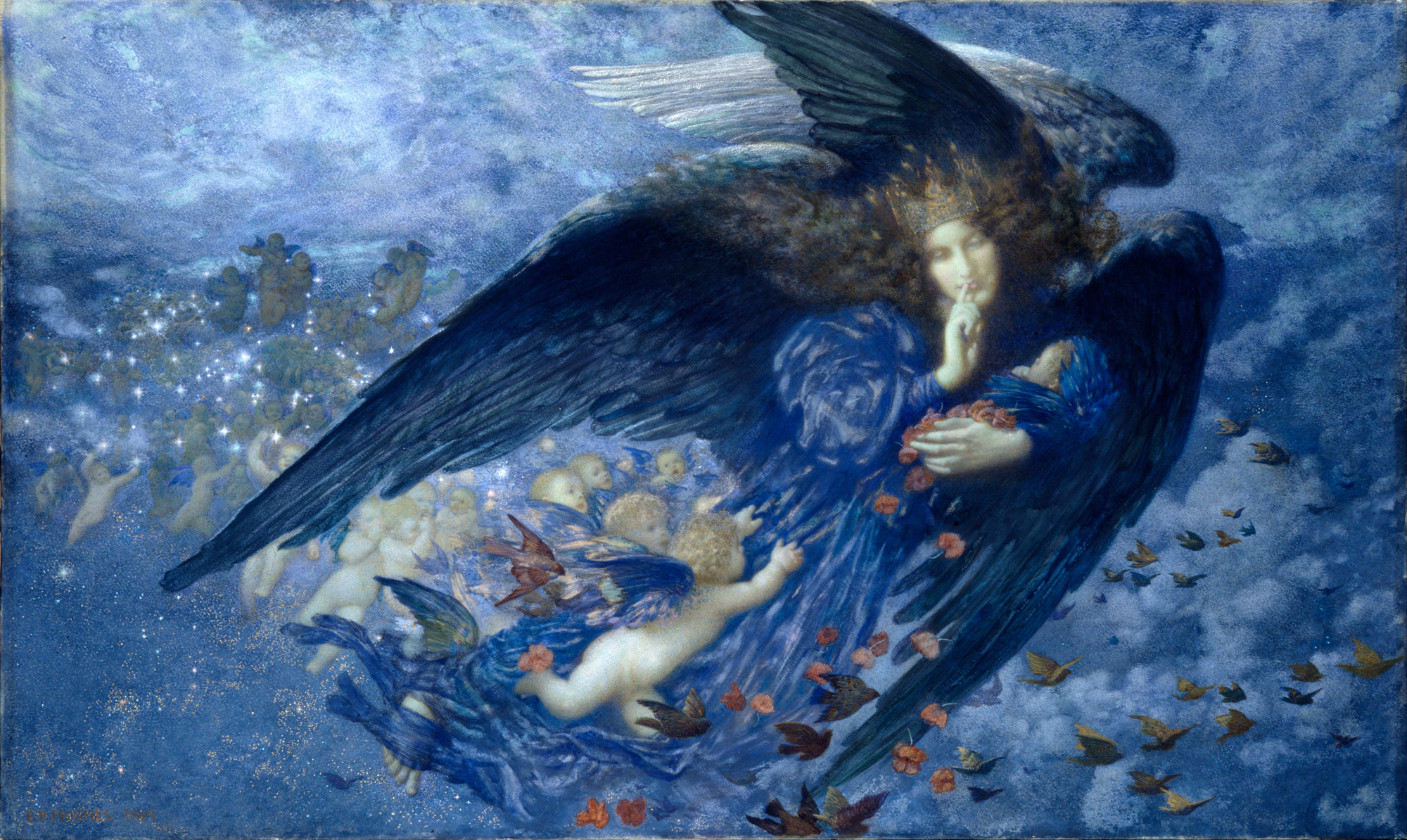
Arthur Hughes, Night with her train of stars, 1912, watercolour, bodycolour and gold medium
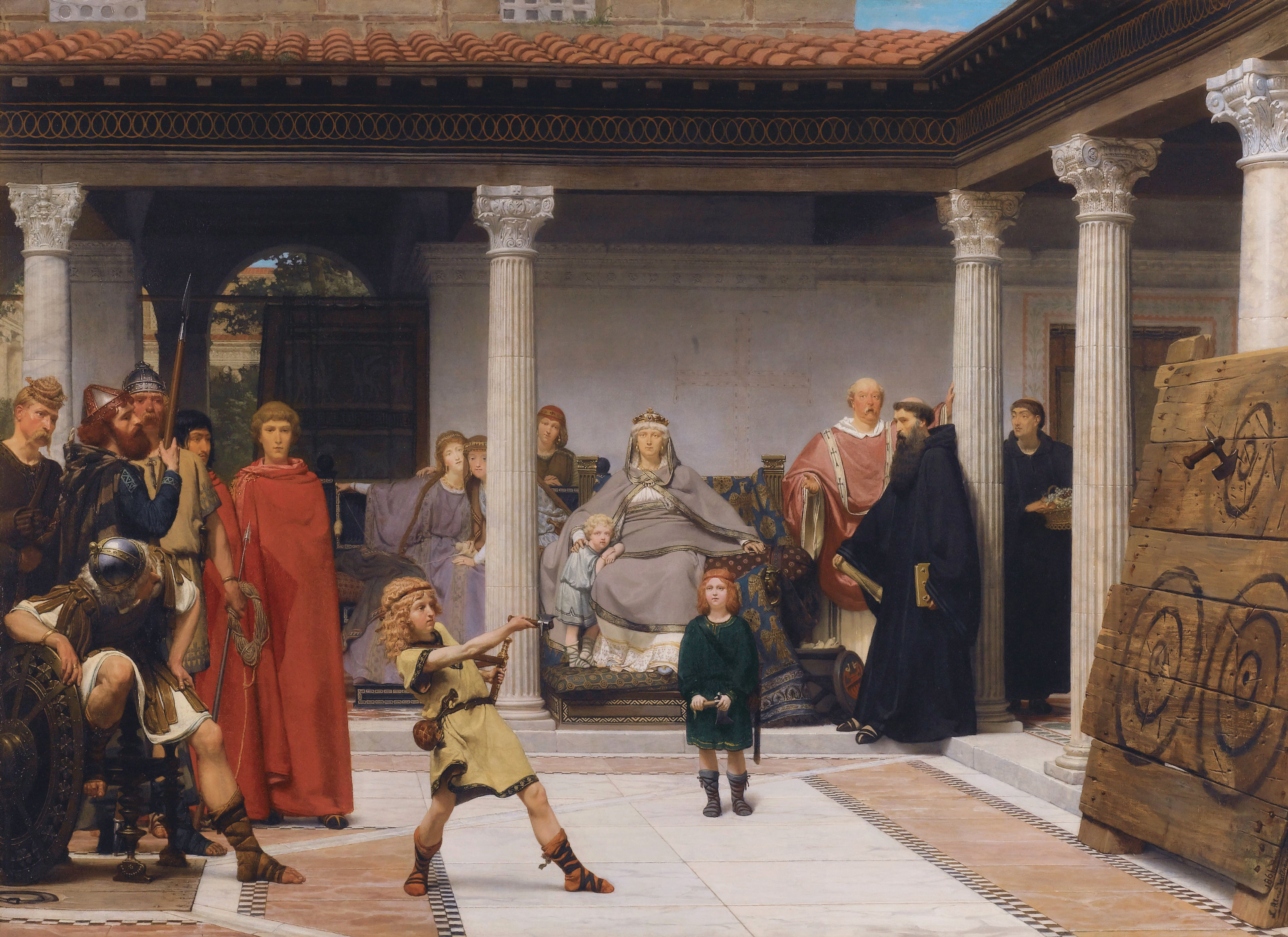
Lawrence Alma-Tadema, Esducation of the sons of Clovis
Lawrence Alma-Tadema, The collector of pictures at the time of Augustus, 1867, oil on panel
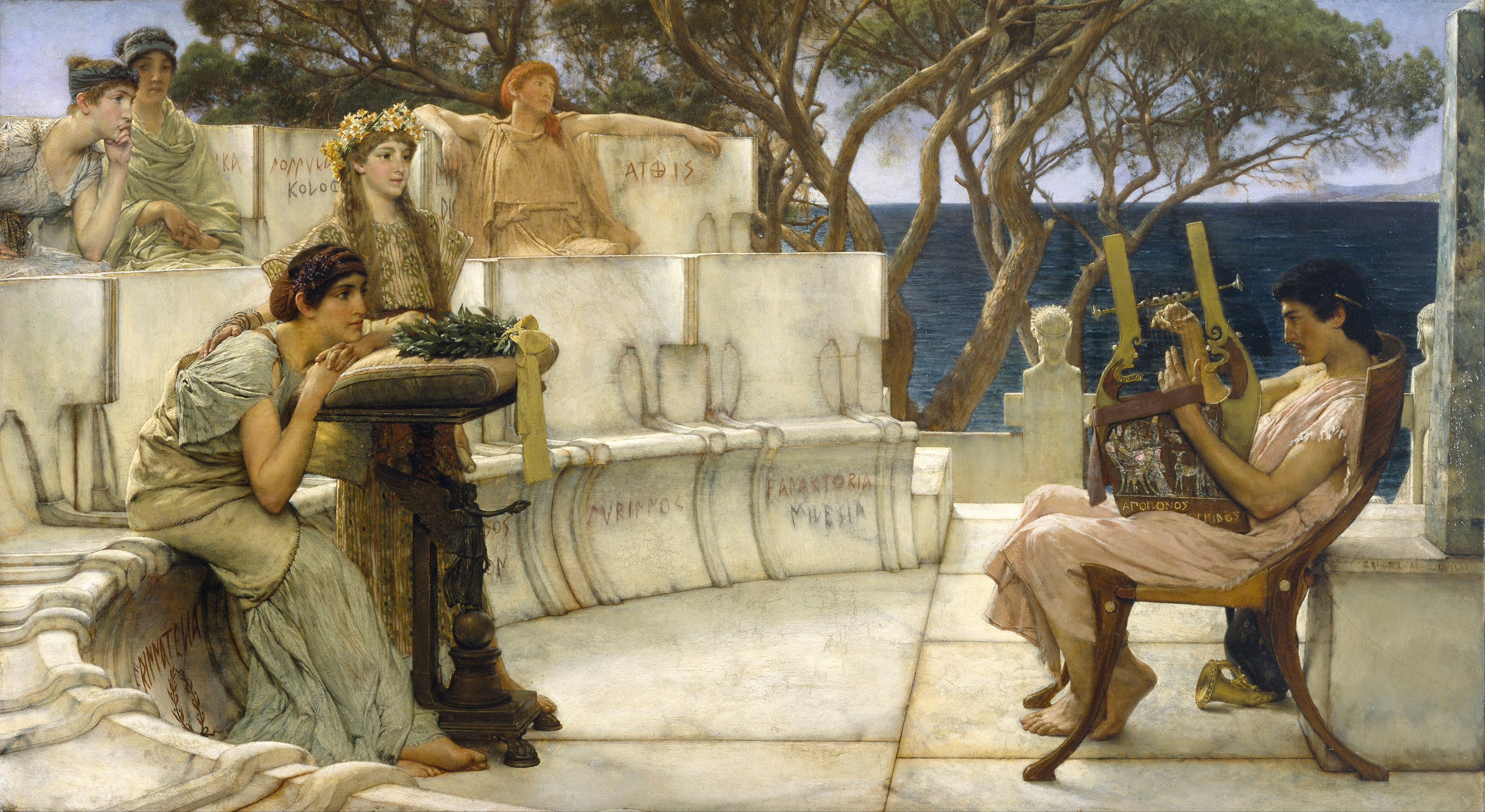
Lawrence Alma-Tadema, Sappho and Alcaeus, 1881, oil on panel
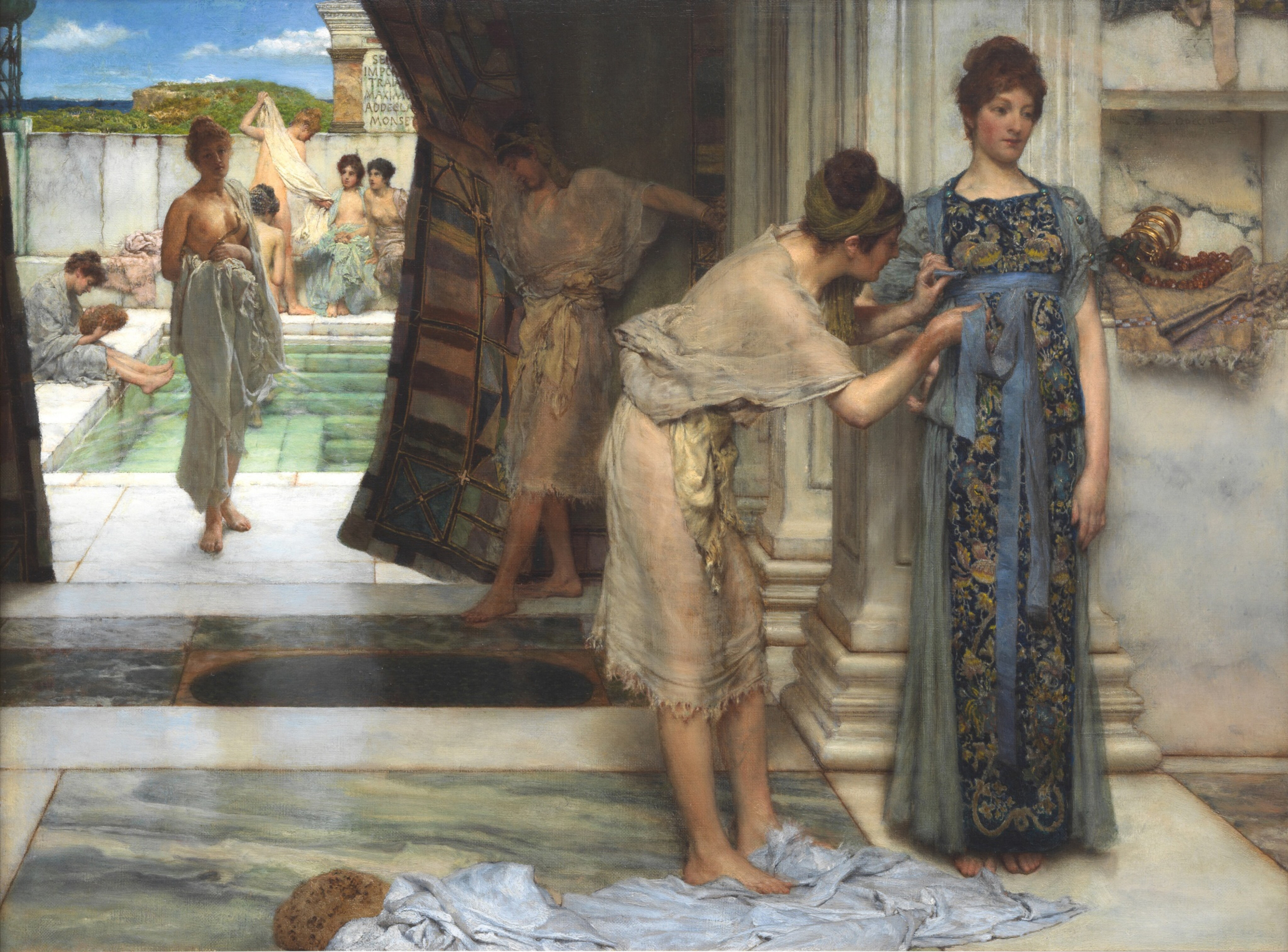
Lawrence Alma-Tadema, The frigidarium, oil on canvas
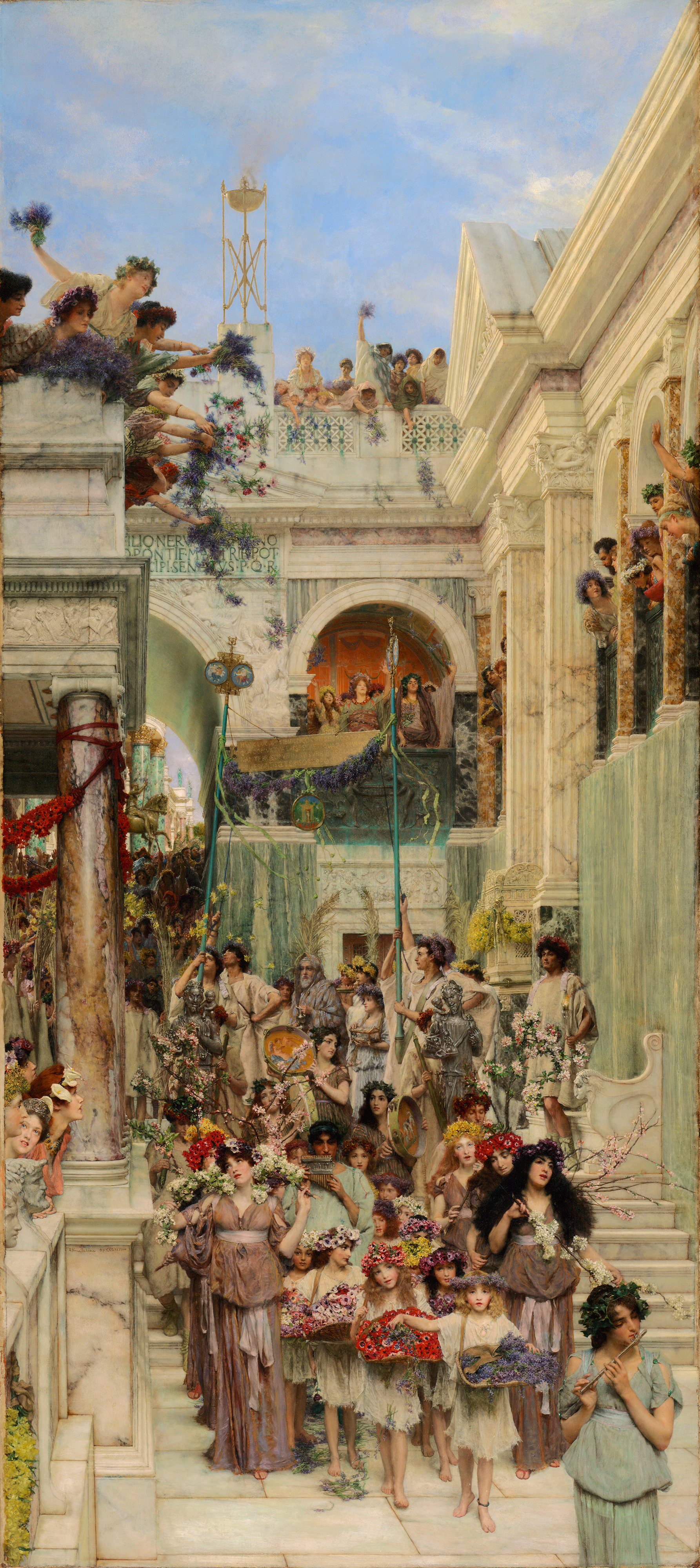
Lawrence Alma-Tadema, Spring, 1894, oil on canvas
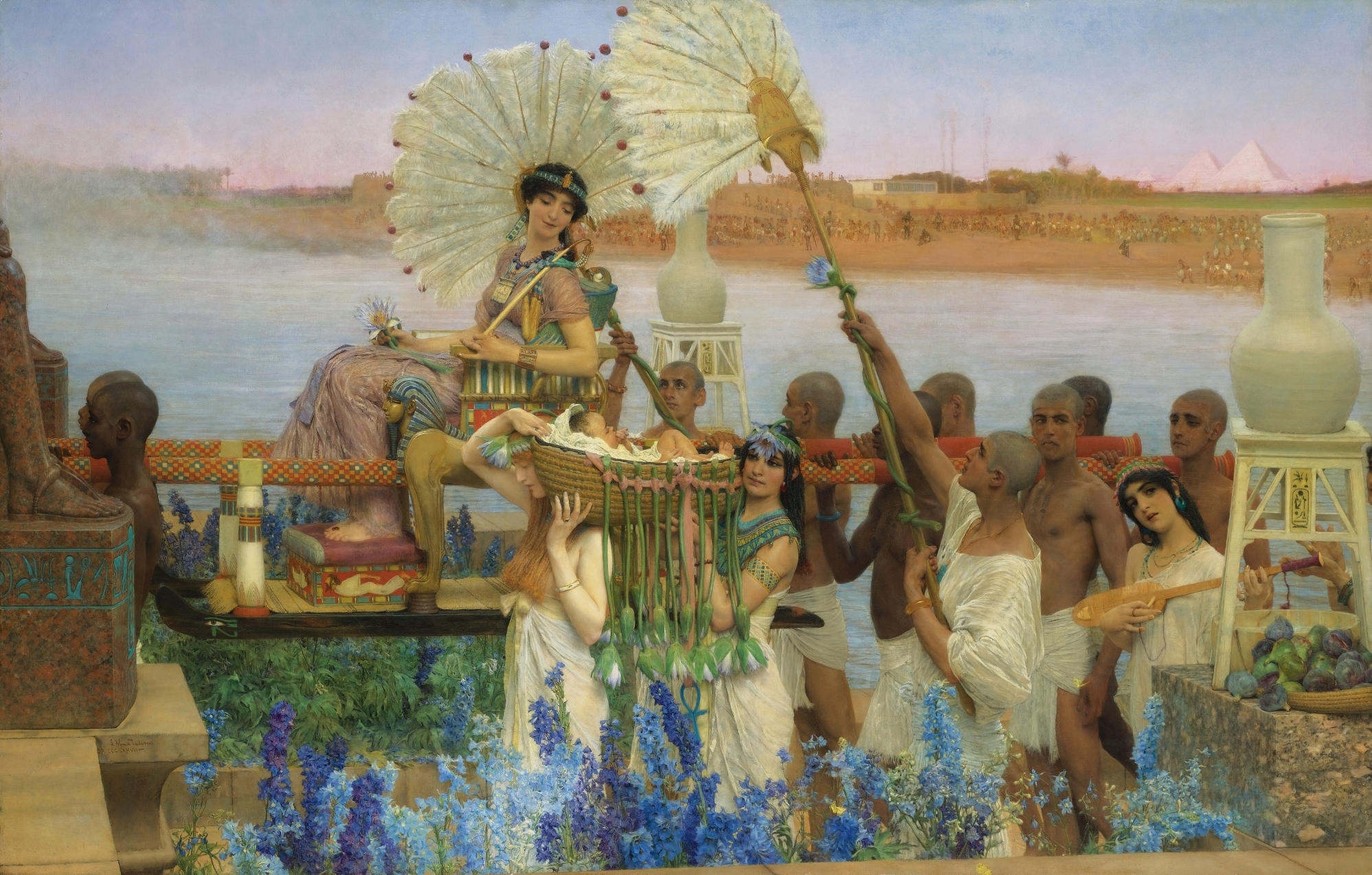
Lawrence Alma-Tadema, Finding of Moses, 1904, oil on canvas l Lawrence Alma-Tadema, Fortune's favorite, oil on panel
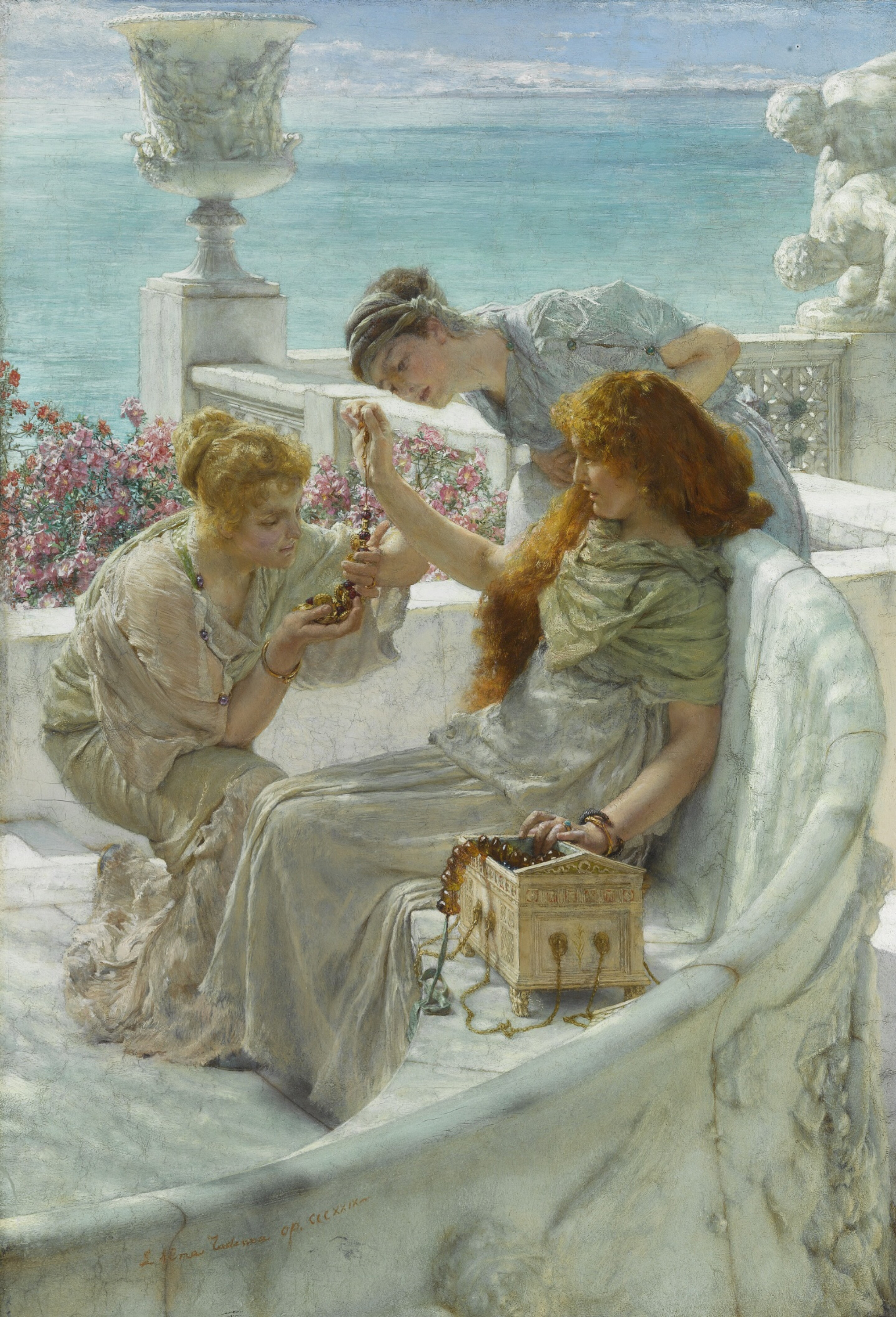
Lawrence Alma-Tadema, Love in idleness
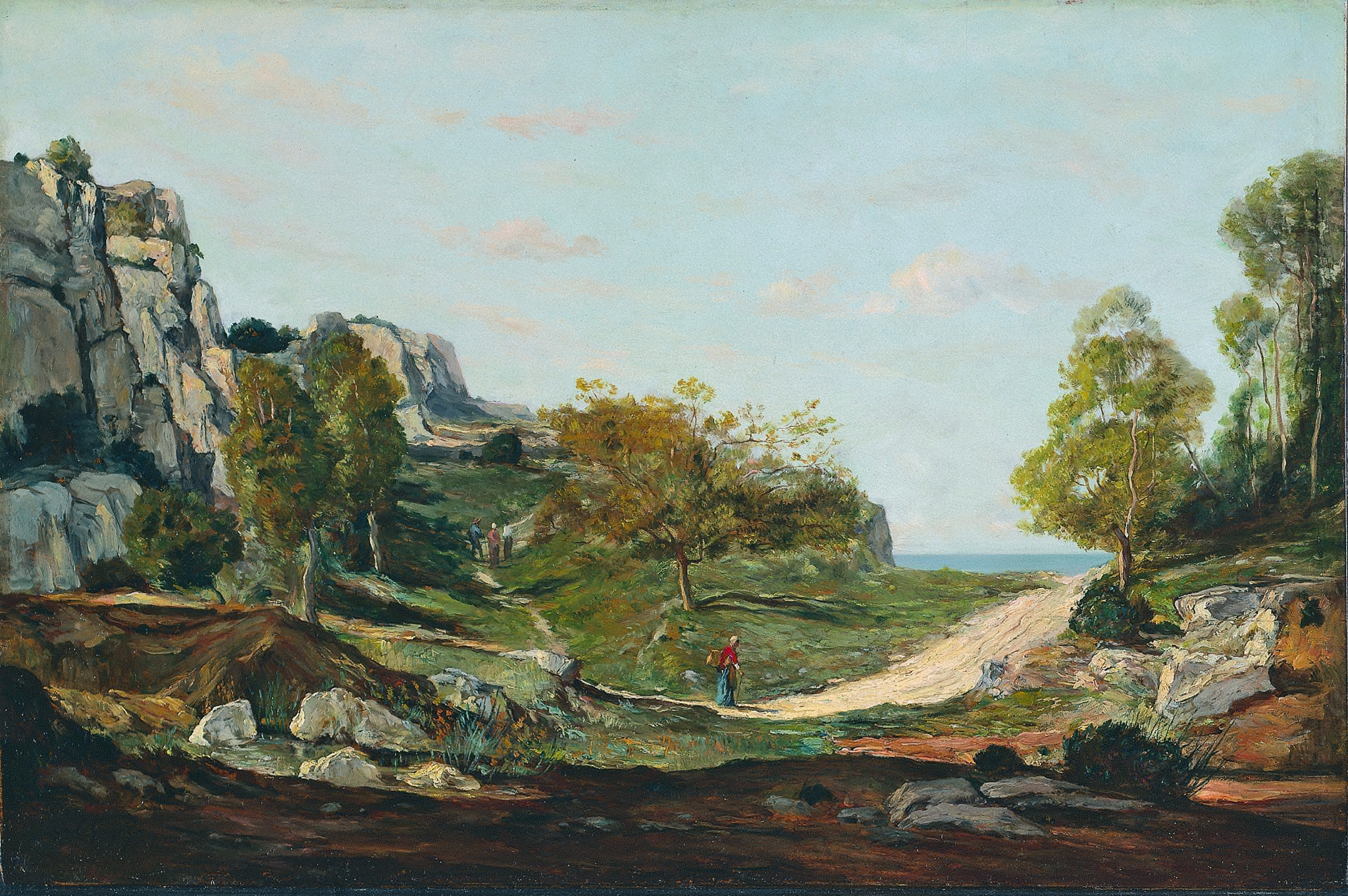
Paul Guigou, Paysage à Saint-André, ca1865, oil on wood panel
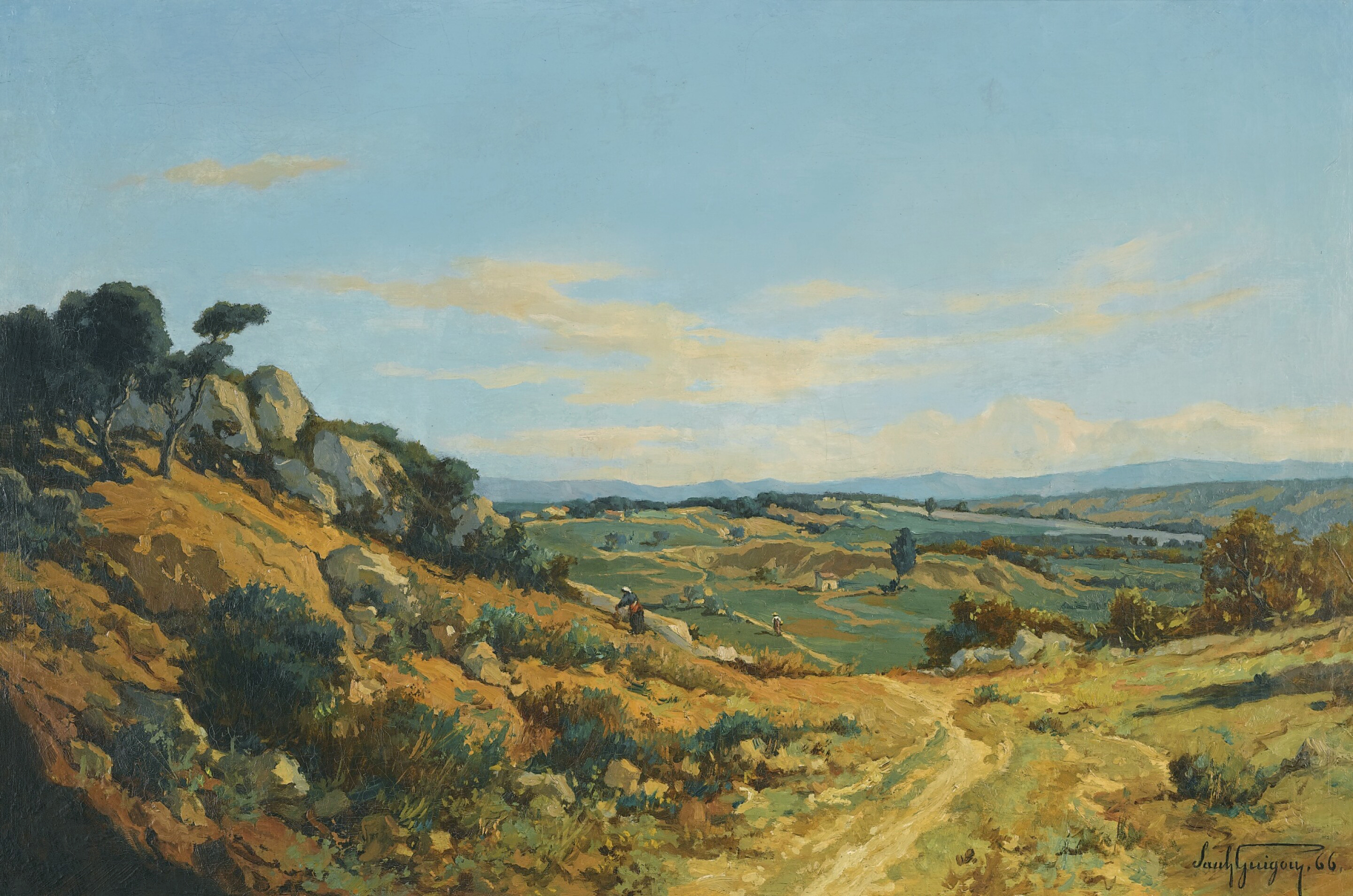
Paul Guigou, Collinnes de Lubéron, 1866, oil on canvas
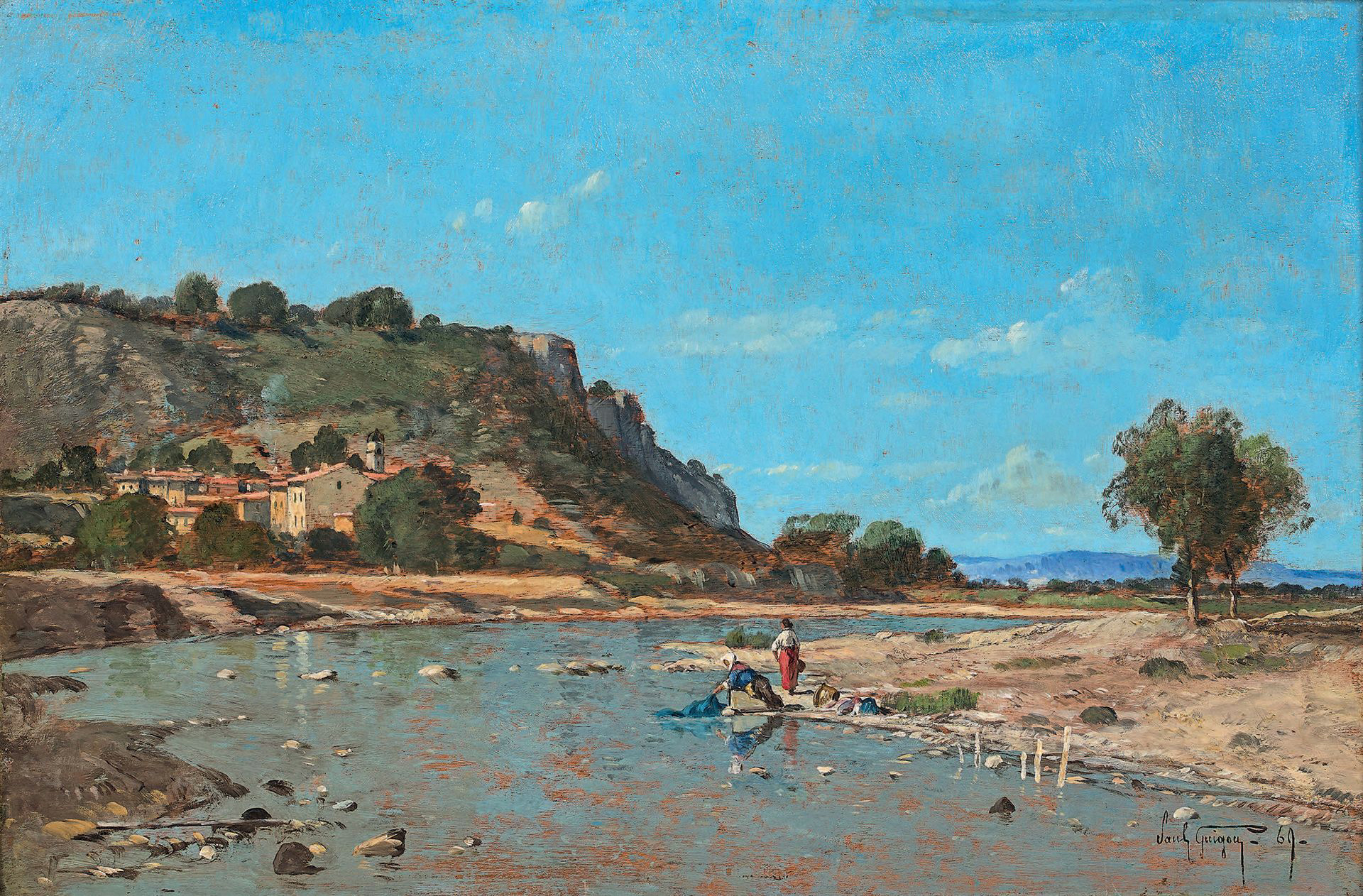
Paul Guigou, Lavandières Saint-Paul, la Durance, Bouches du Rhône, 1869, oil on panel
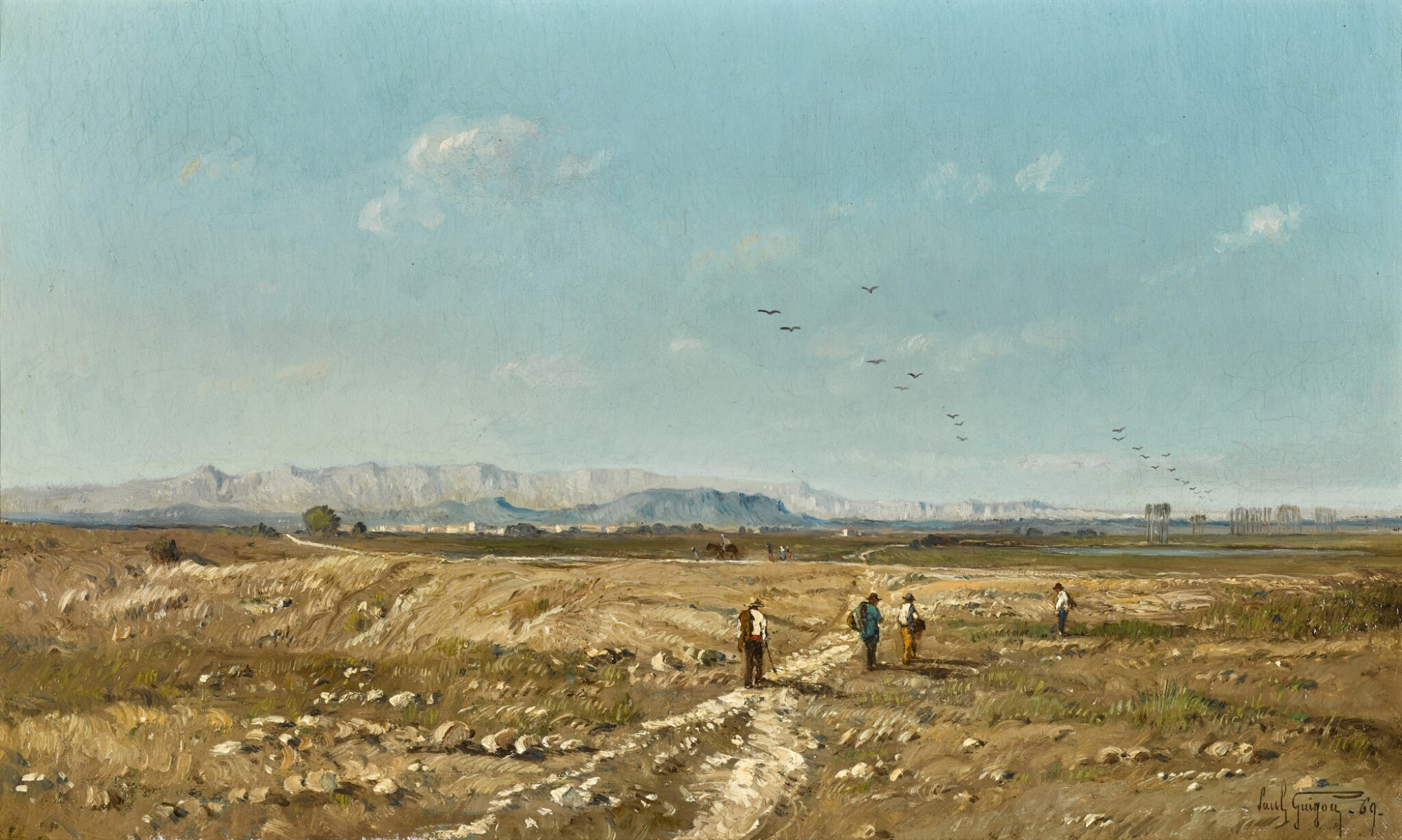
Paul Guigou, Souvenir de la Crau, Provence, 1869, oil on canvas
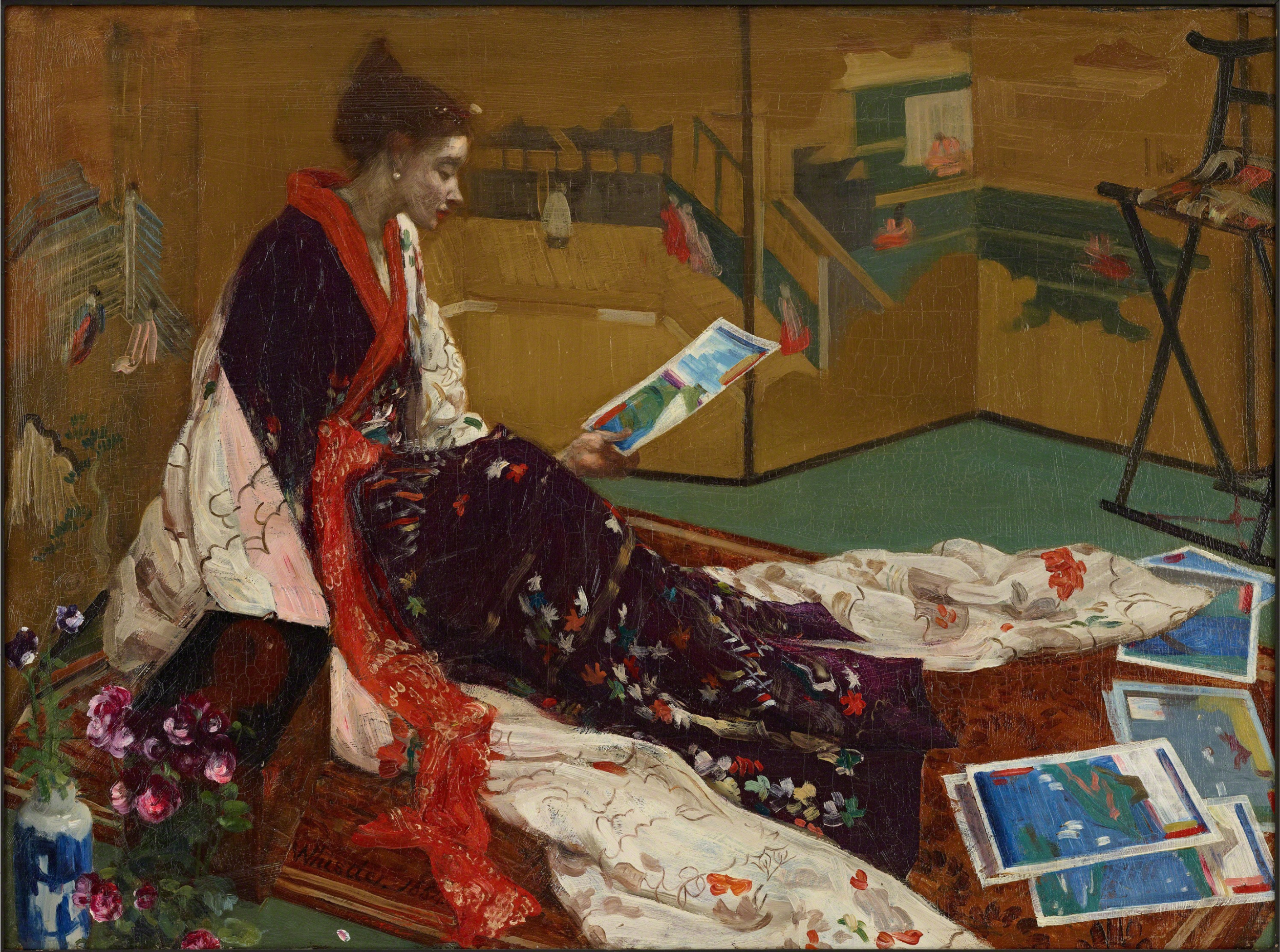
James Whistler, Caprice in purple and gold: the golden screen, 1864, oil on wood panel
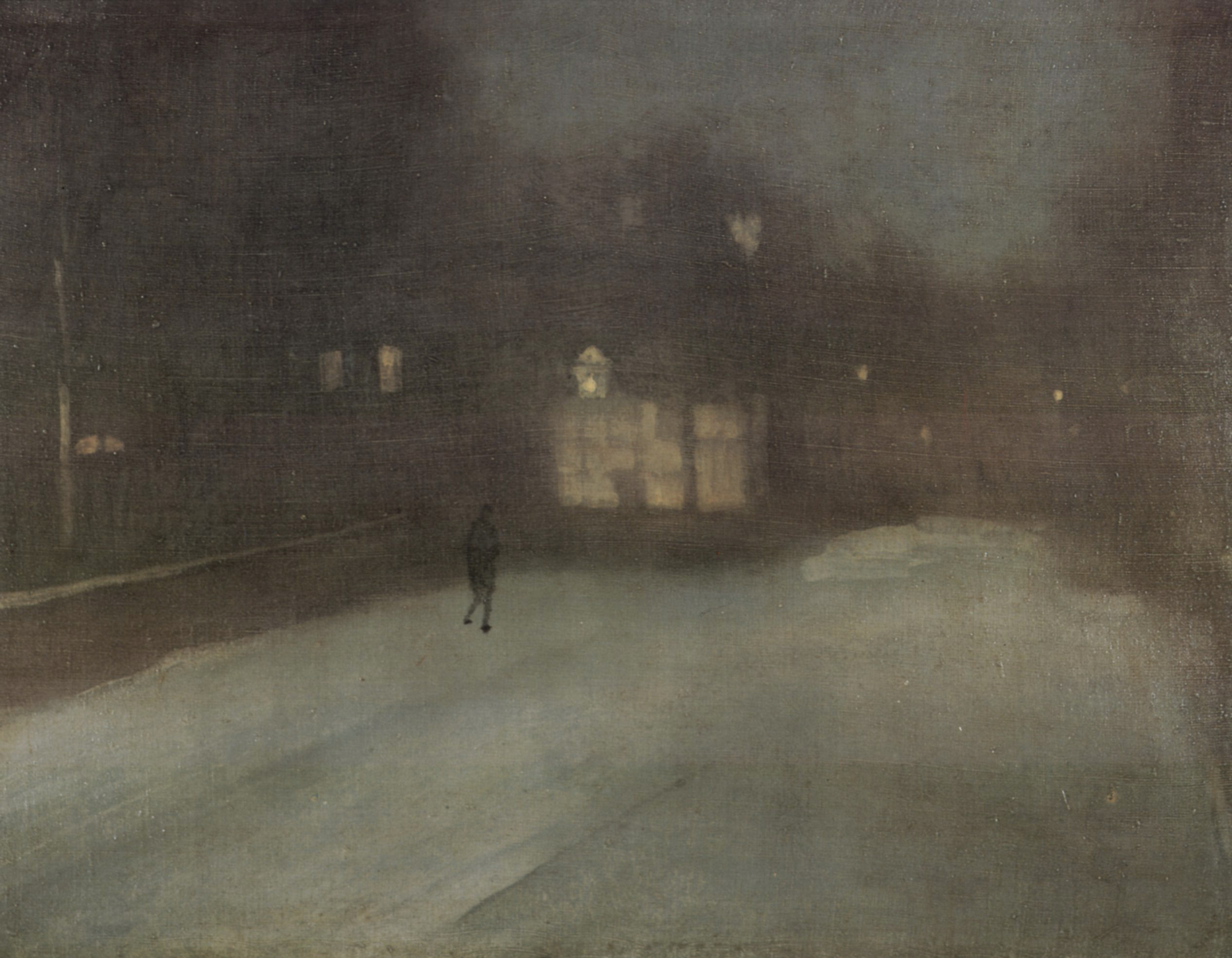
James Whistler, Nocturne in grey and gold: snow in Chelsea, 1876, oil on canvas
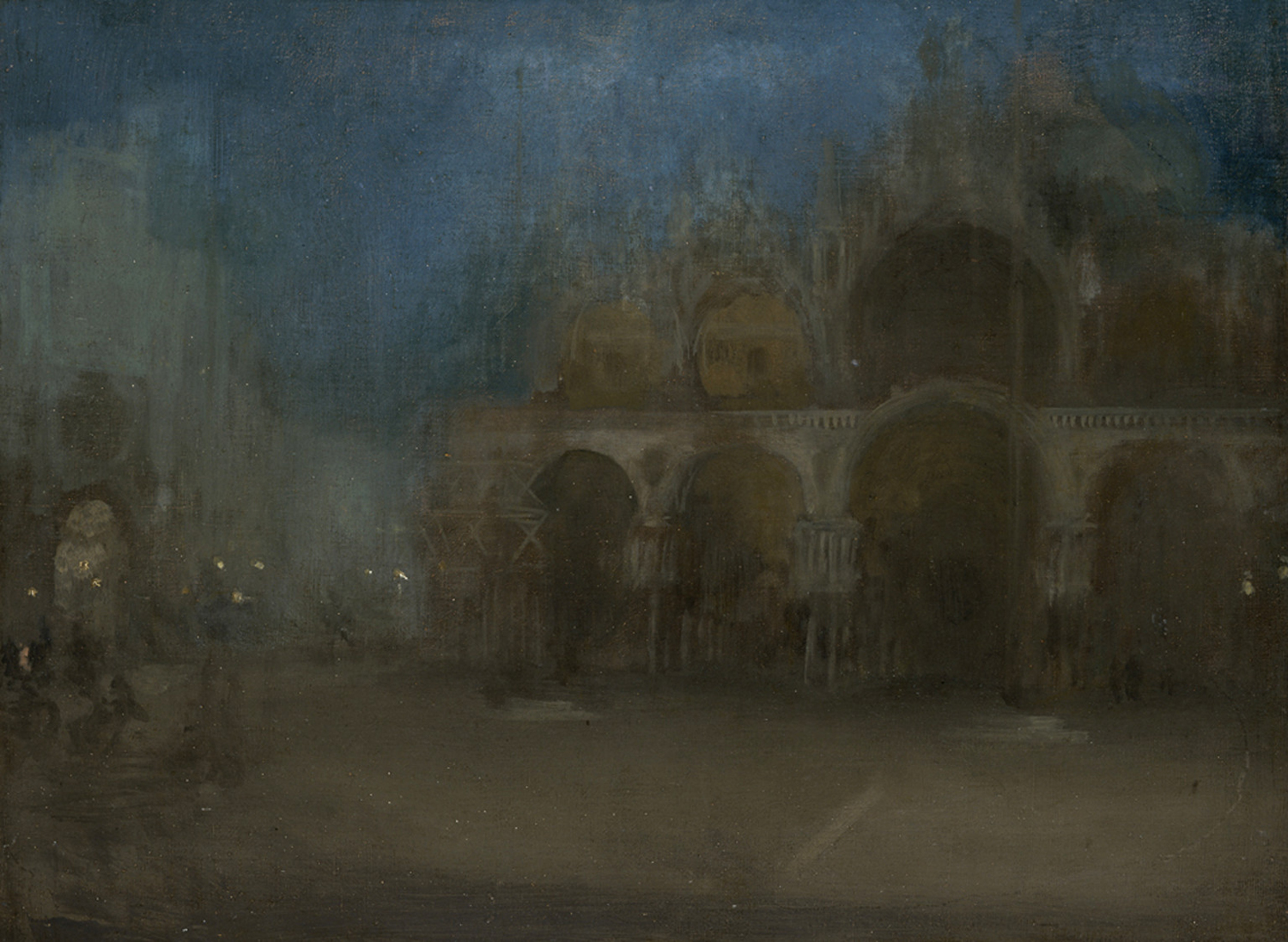
James Whistler, Noctune blue and gold, Saint-Mark's, Venice, 1880, oil
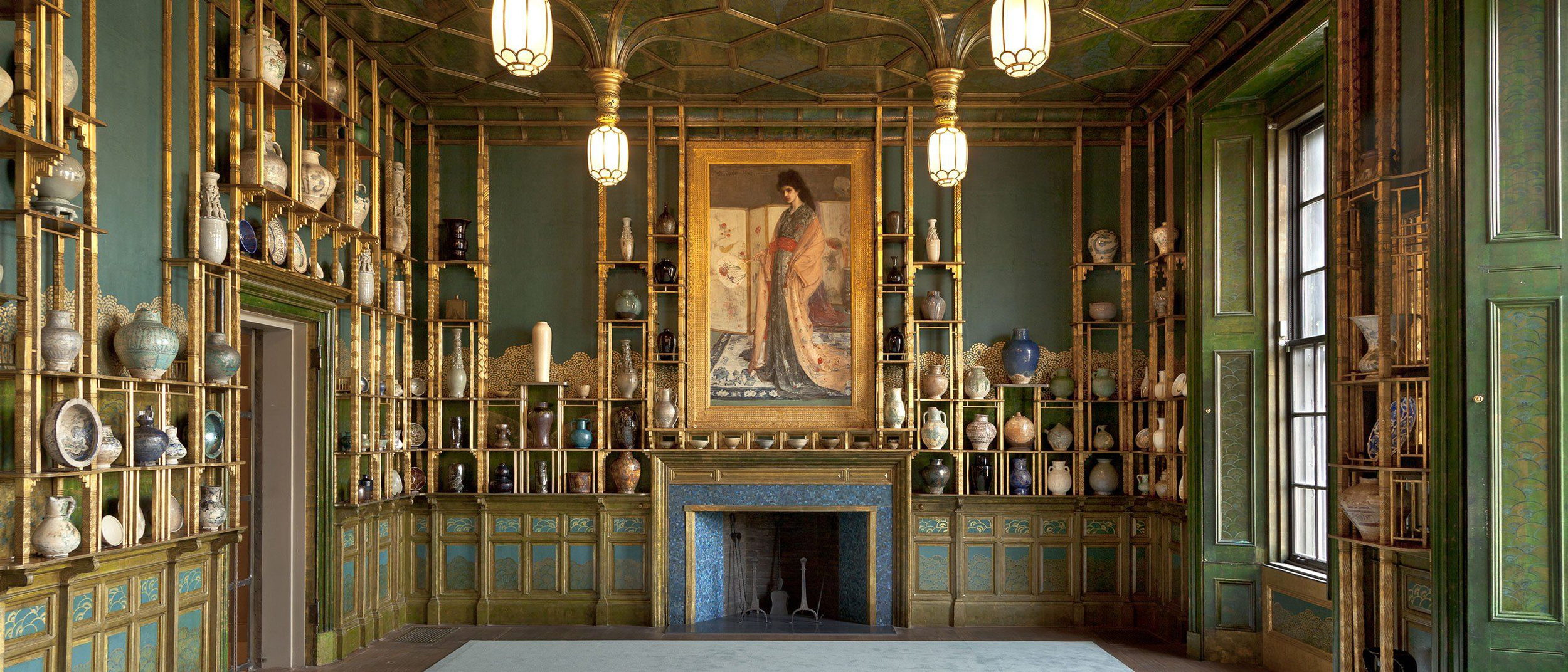
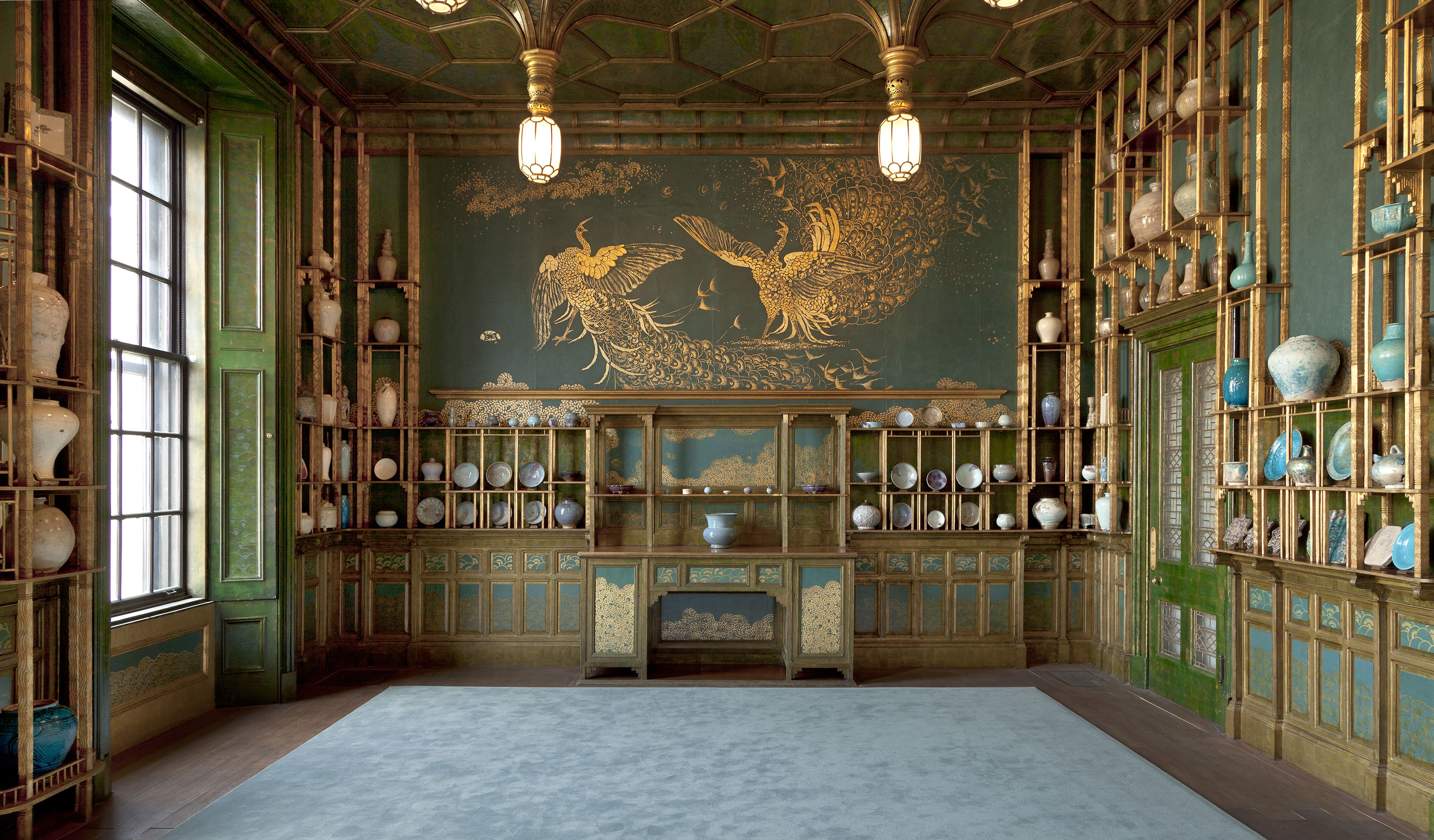
Photography of the peacock room
Photography of the peacock room
James Whistler, Symphony in white, no 1: the white girl, 1863, oil on canvas
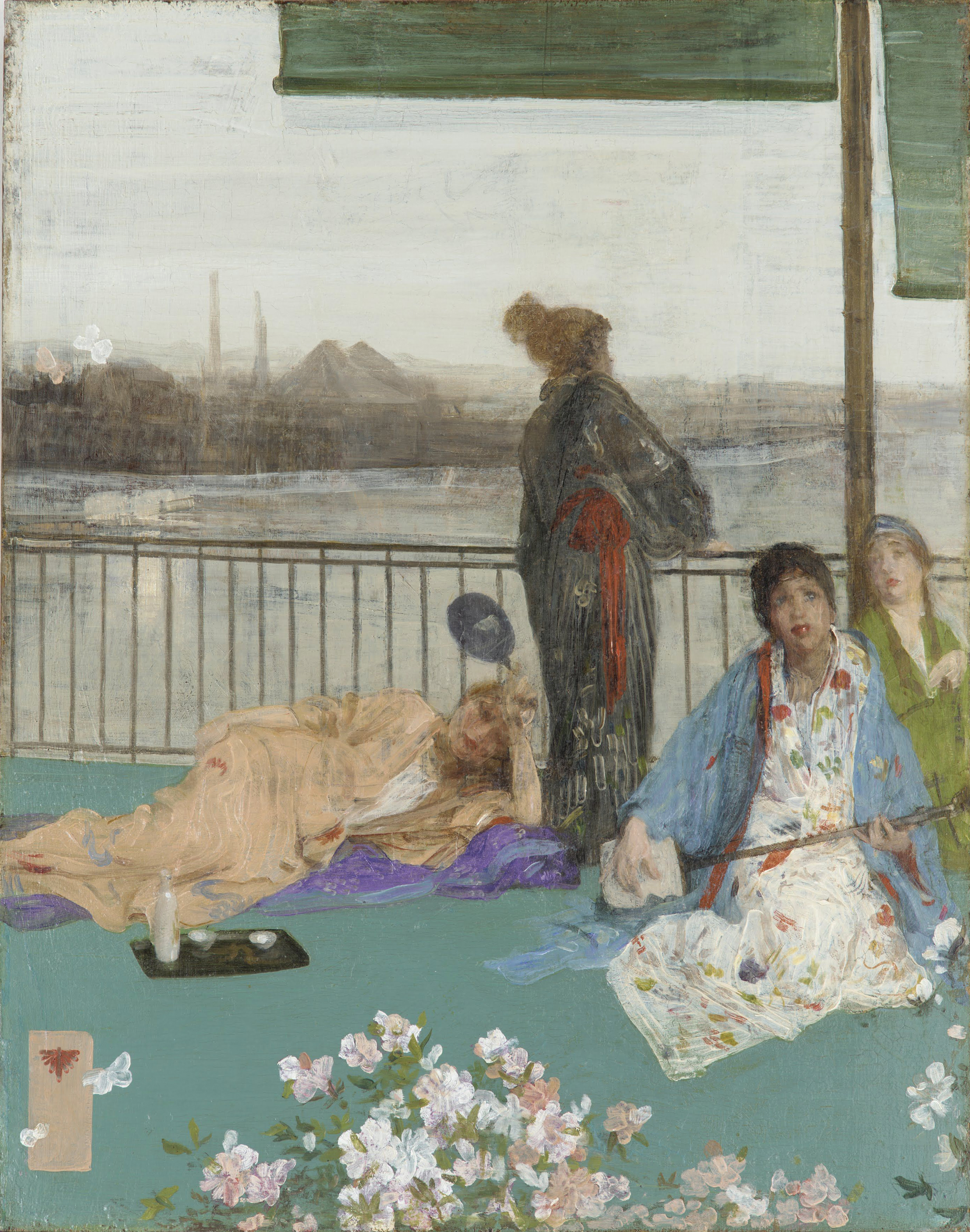
James Whistler, Variations in flesh colour and green: the balcony
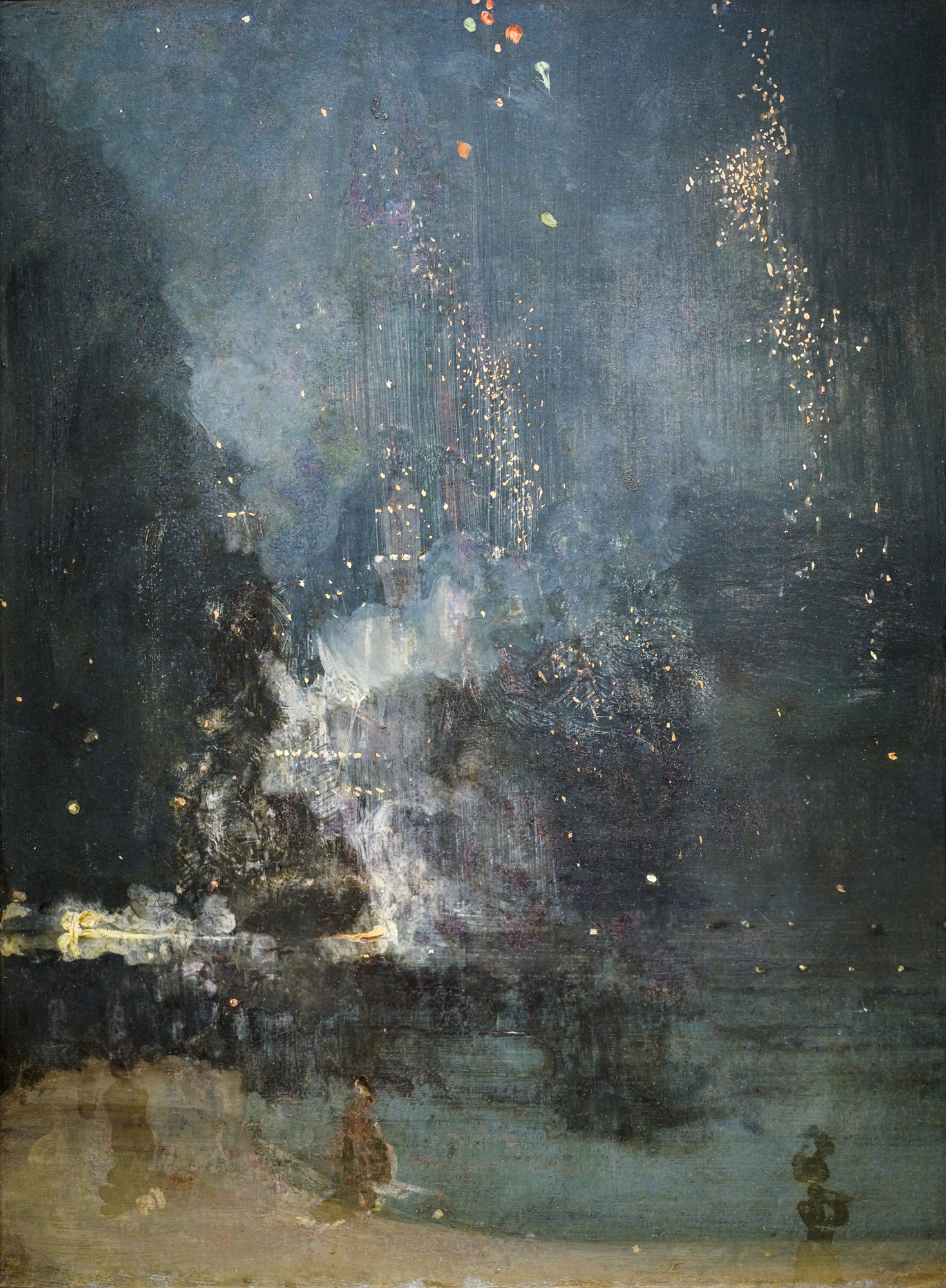
James Whistler, Nocturne in black and gold: the falling rocket, 1875, oil on panel
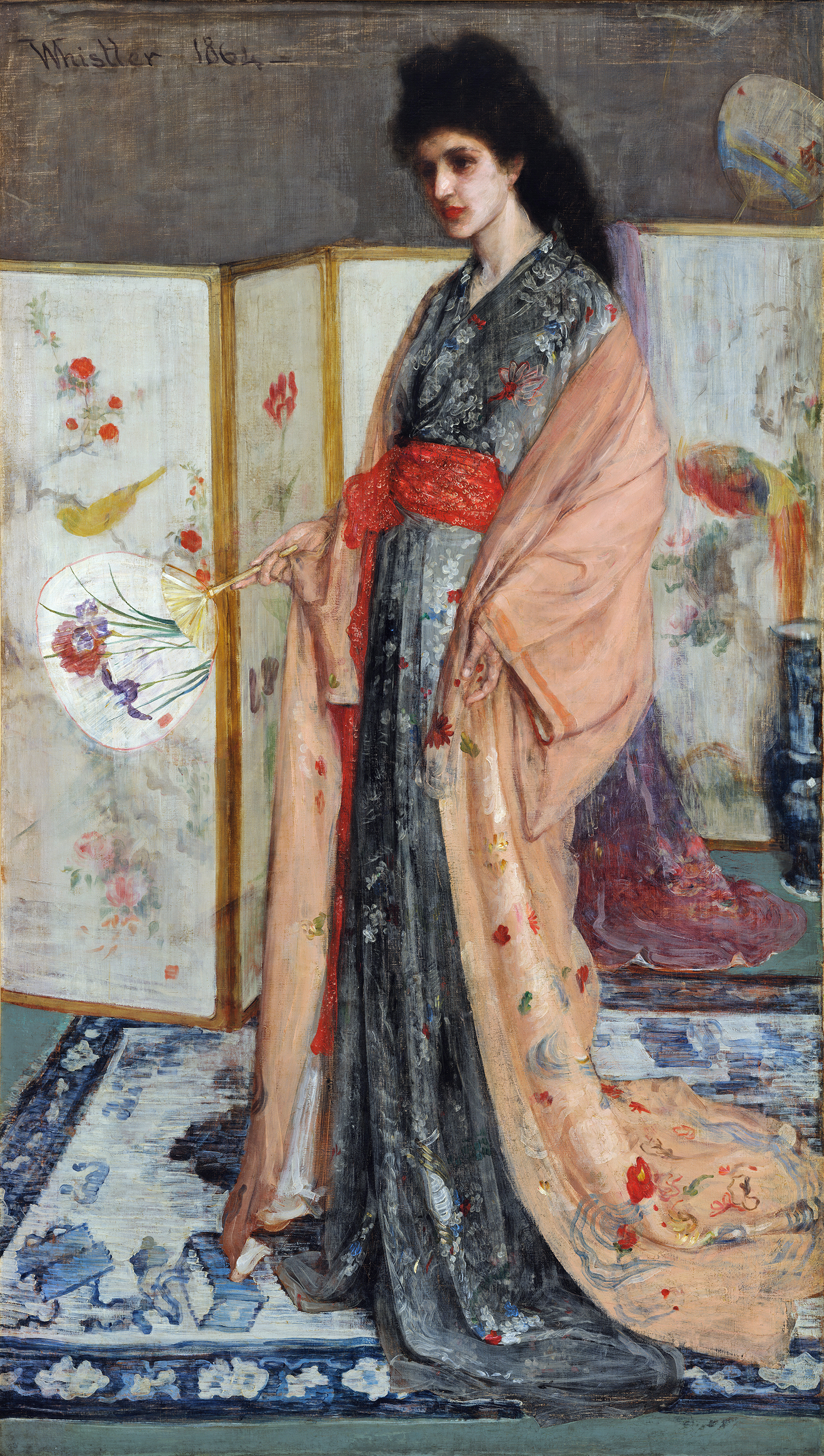
James Whistler, The princes from the land of porcelain (Byron's muse), 1863-64, oil on canvas
James Whistler, Symphony in white no 2: the little white girl, 1864, oil on canvas
Atkinson Grimshaw, A lady in a classical interior, 1874, oil on panel
Atkinson Grimshaw, Sunset over a lake: Ghyll beck, Barden, Yorkshire, 1869, oil on paper
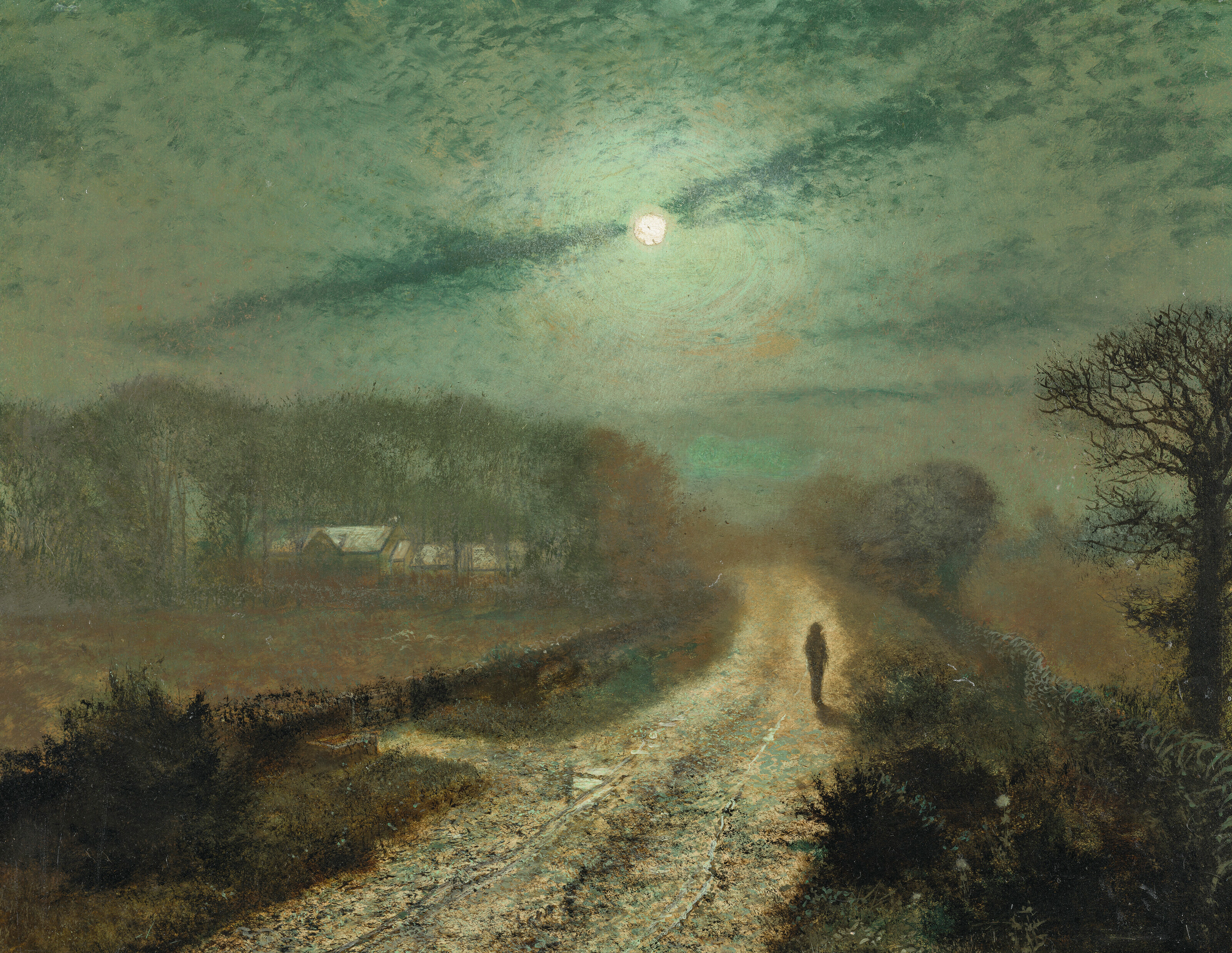
Atkinson Grimshaw, Lovers on a moonlit lane, 1873, oil on card
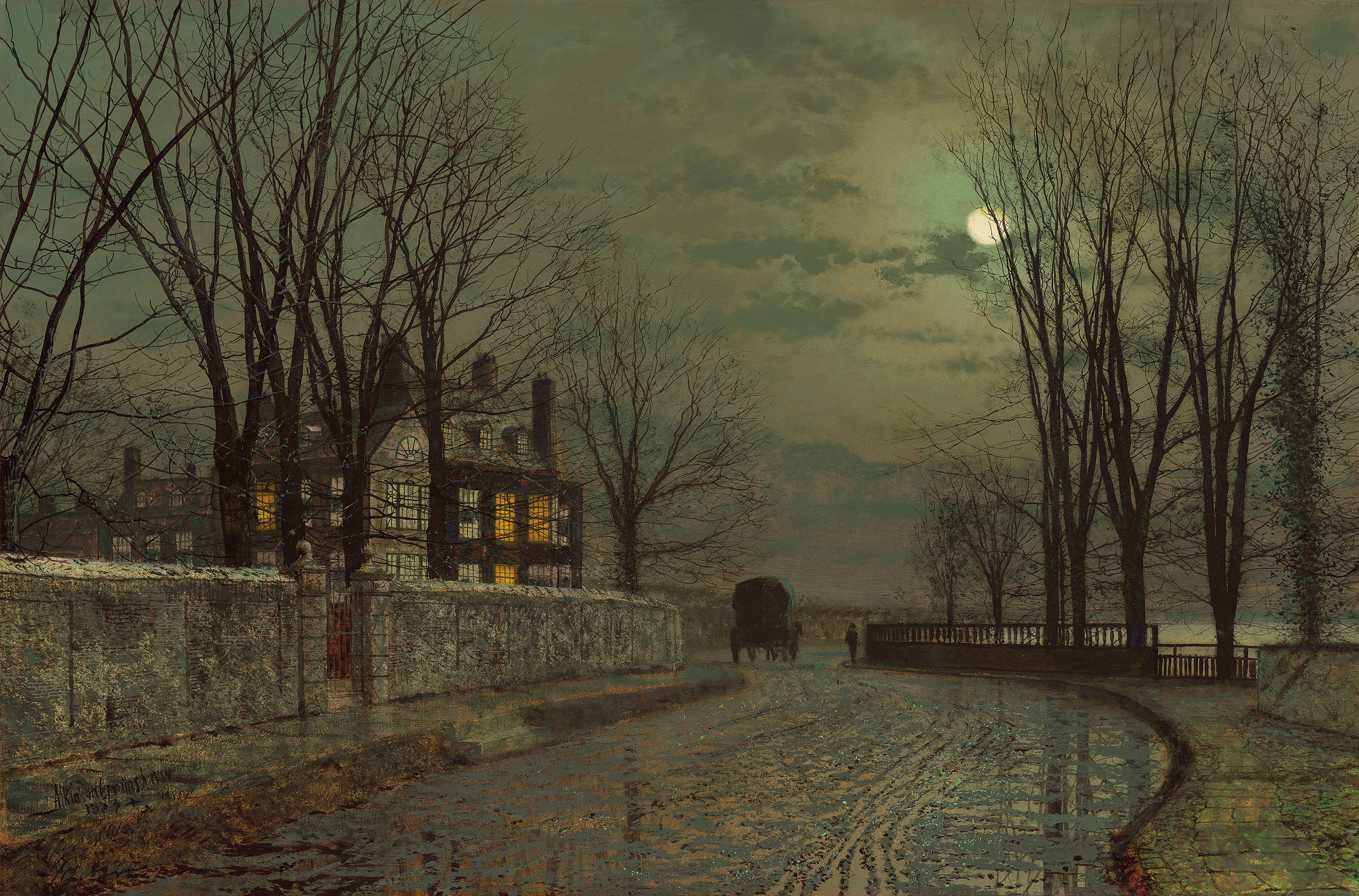
Atkinson Grimshaw, The turn of the road, 1883, oil on canvas
Atkinson Grimshaw, A moonlit landsape, oil on board
Atkinson Grimshaw, Moonlight on the lake, Roundhay Park, Leeds, 1872, oil on canvas
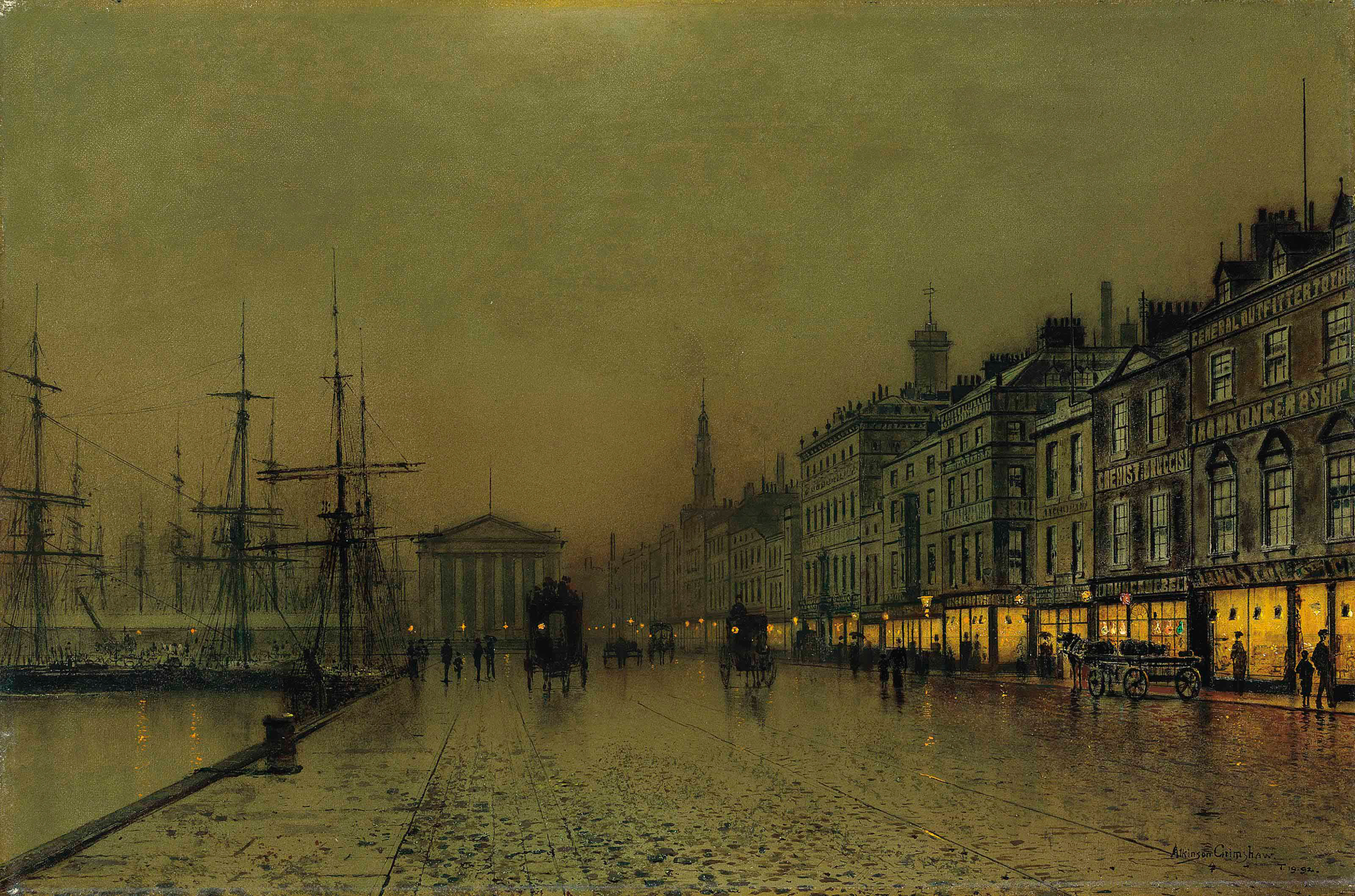
Atkinson Grimshaw, Greenock dockside by night, 1892, oil on panel
Paul Cézanne, Une moderne Olympia, ca 1873-74, oil on canvas
Paul Cézanne, La maison du pendu, Auvers-sur-Oise, ca1874, oil on canvas
Paul Cézanne, Maison dans les arbres, ca1879, oil on canvas
Paul Cézanne, Toits rouges de l'Estaque, ca1883-85
Paul Cézanne, Baie de Marseille, vue de l'Estaque, ca 1885
Paul Cézanne, Bouilloire et fruits, ca 1888-90, oil on canvas
Paul Cézanne, Still life with statuette,
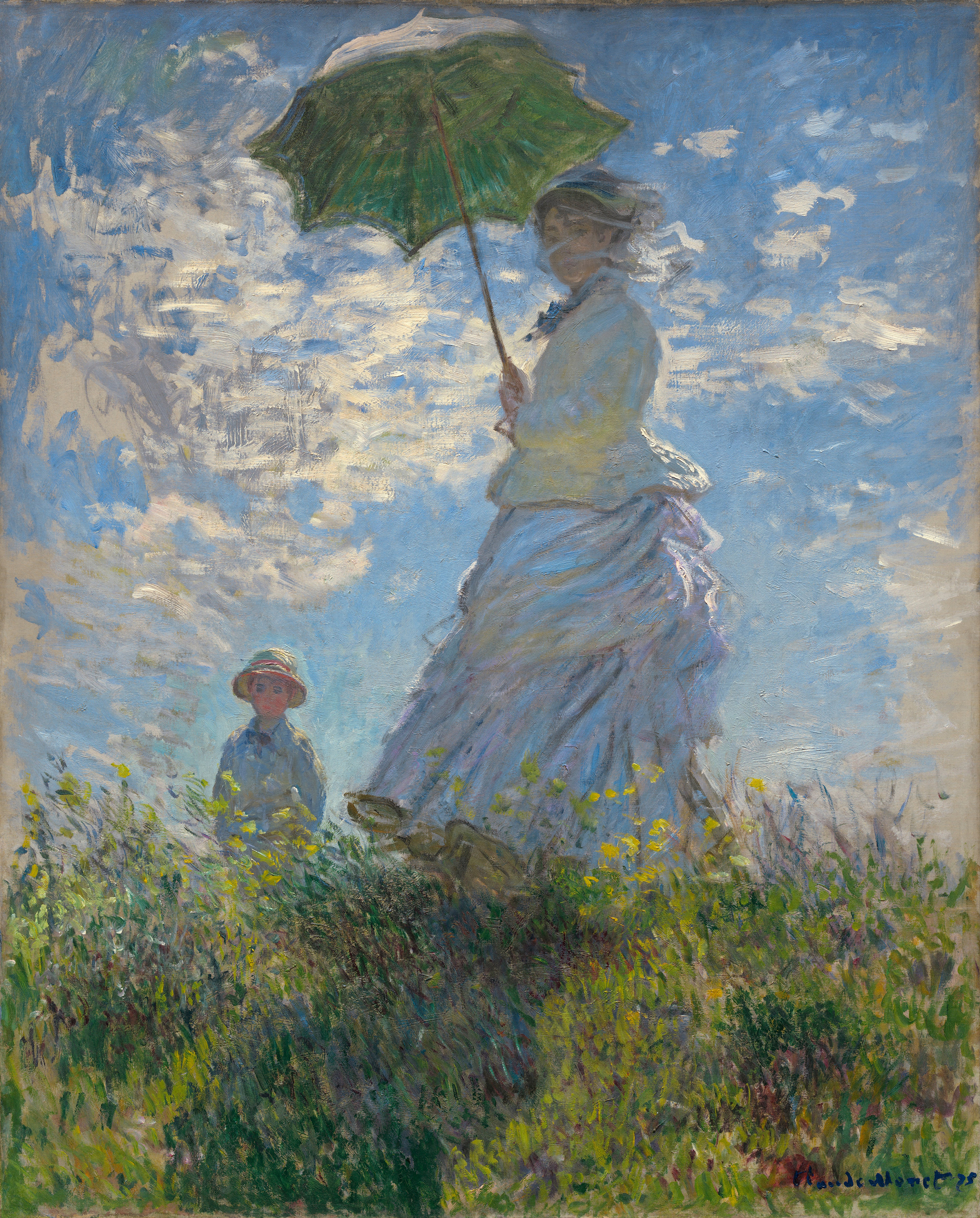
Claude Monet, Woman with a parasol (Madame Monet and her son), 1875, oil on canvas
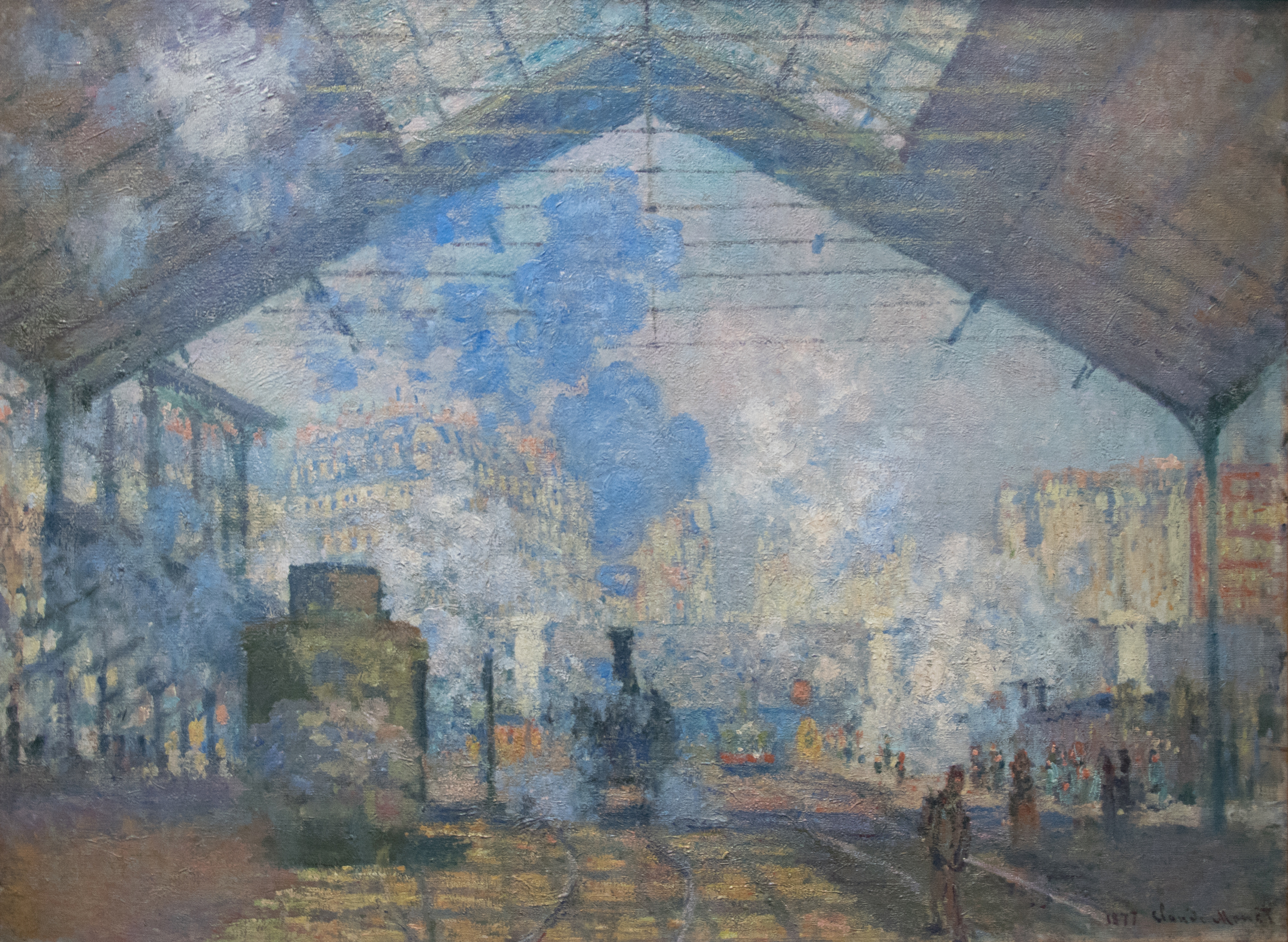
Claude Monet, La gare Saint-Lazare, 1877, oil on canvas
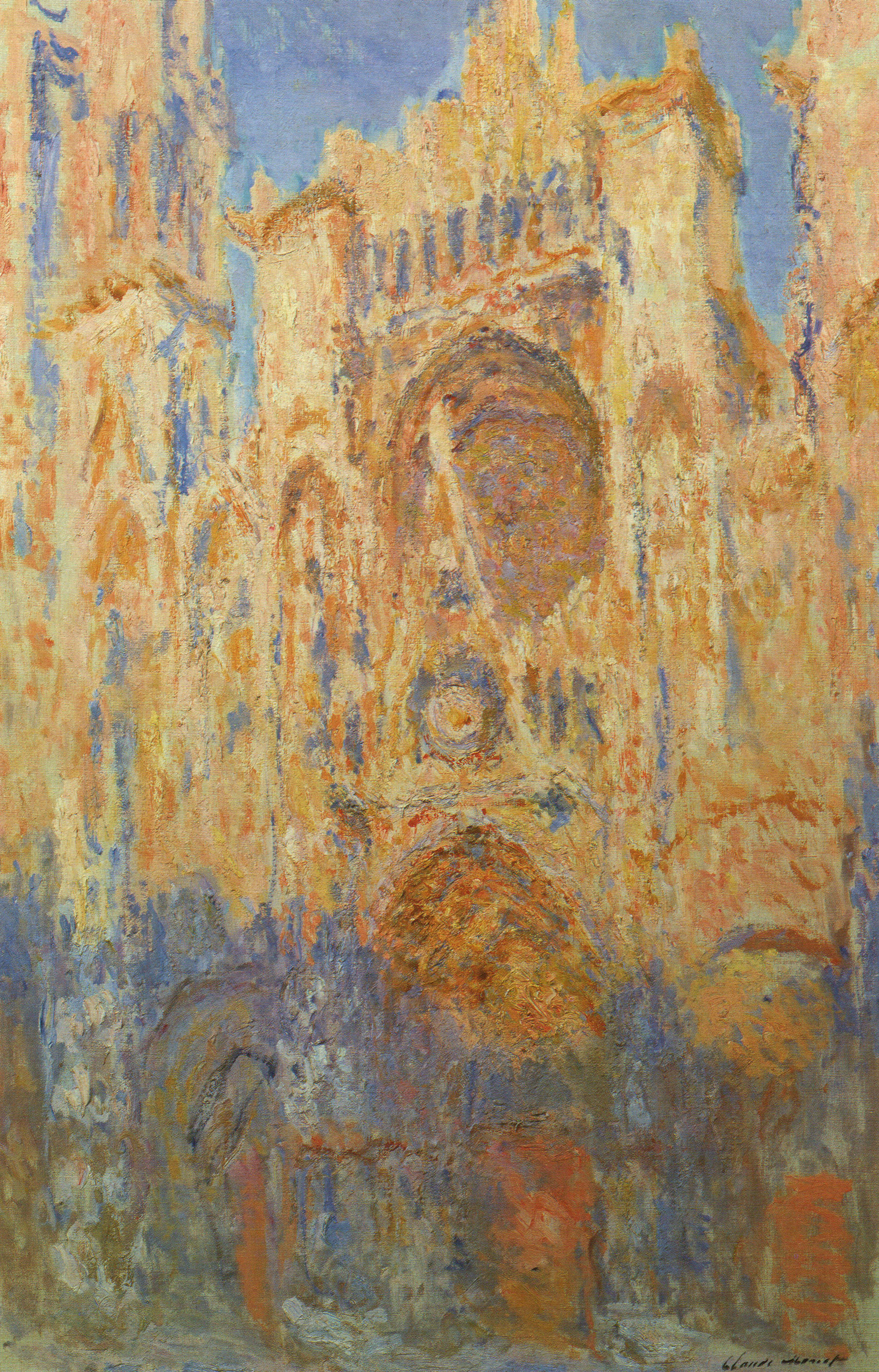
Claude Monet, Cathédrale de Rouen, effet de soleil, fin de journée, 1892, oil on canvas
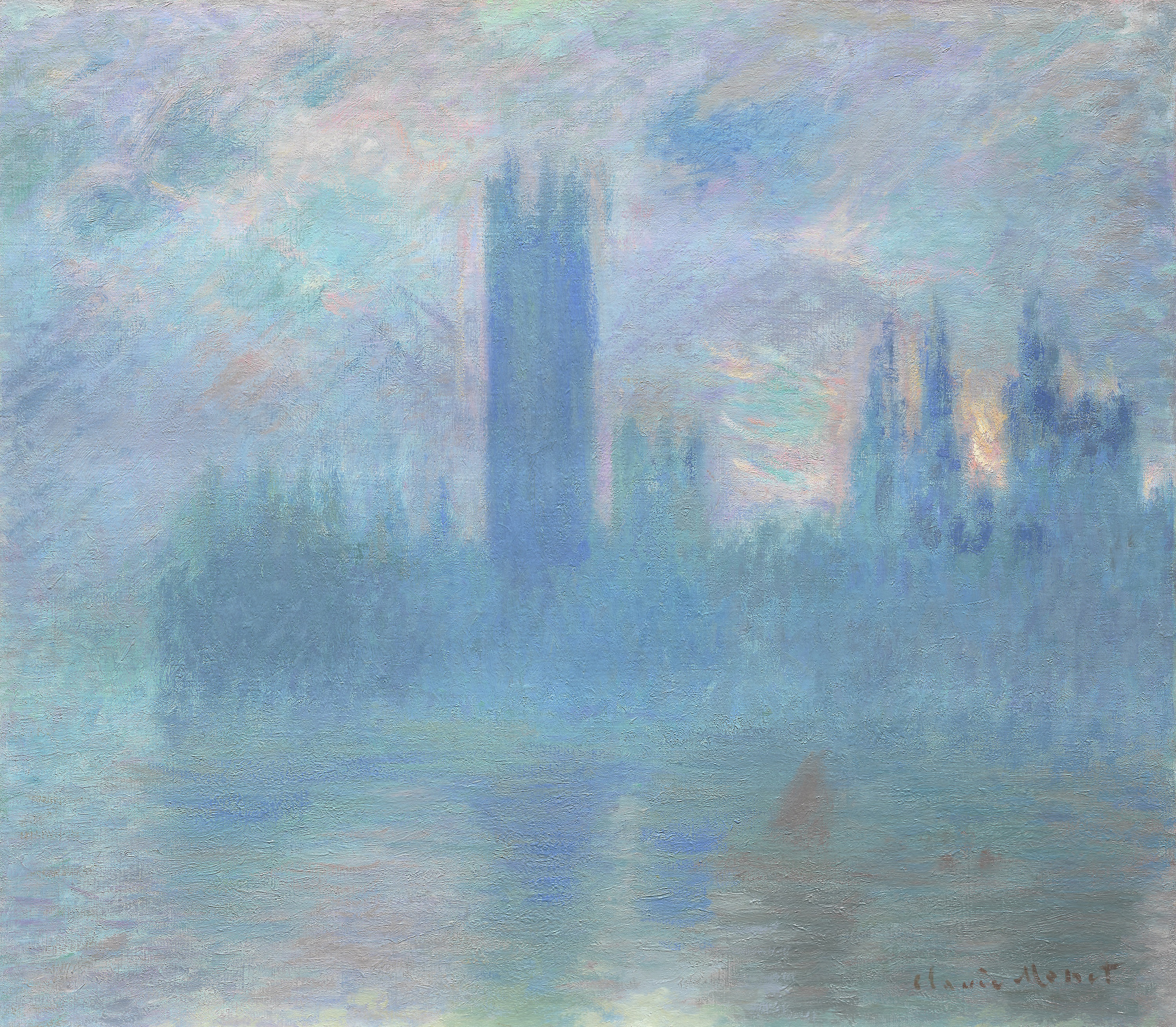
Claude Monet, Le parlement de Londres, le parlement, 1900-03, oil on canvas
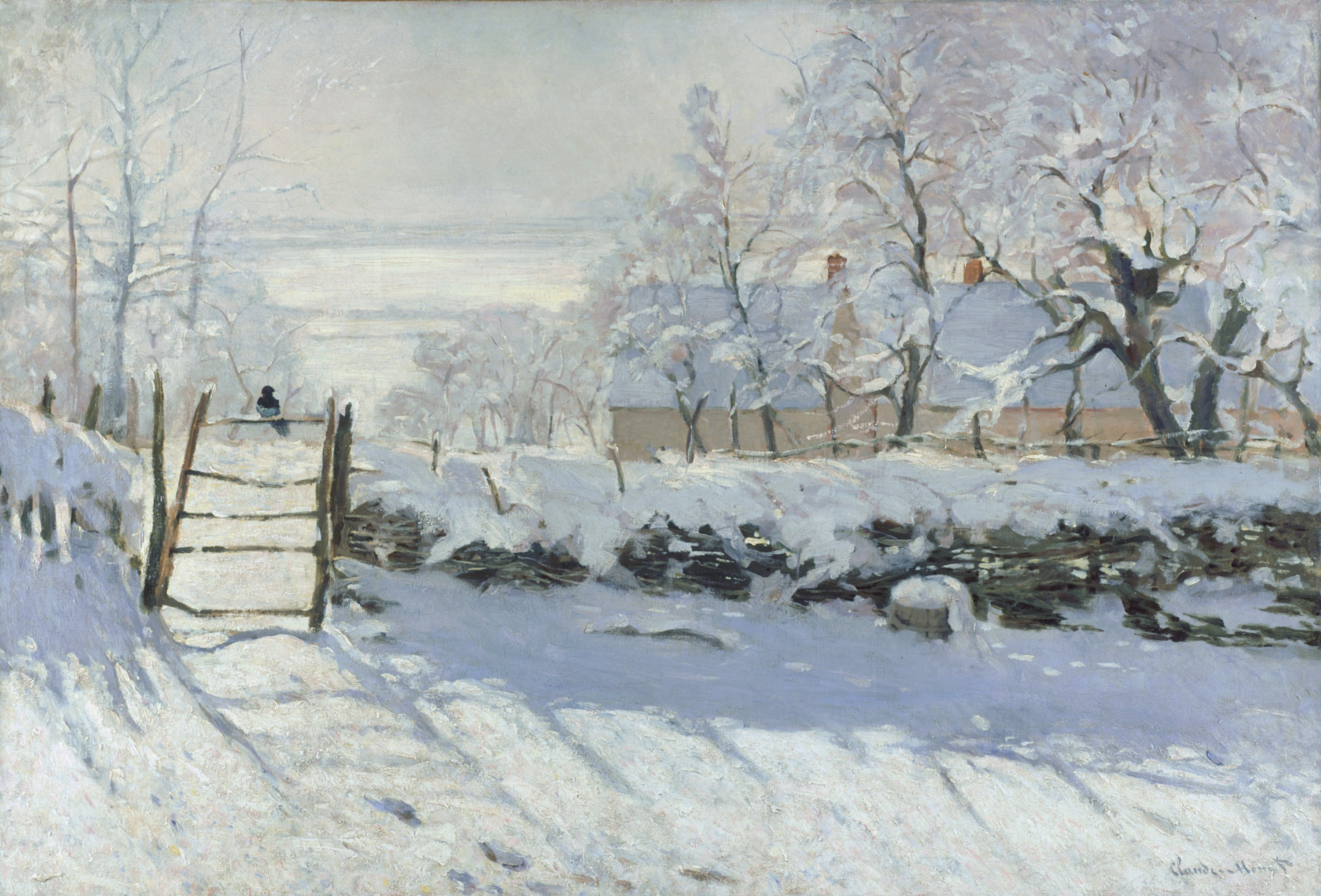
Claude Monet, La pie, oil on canvas
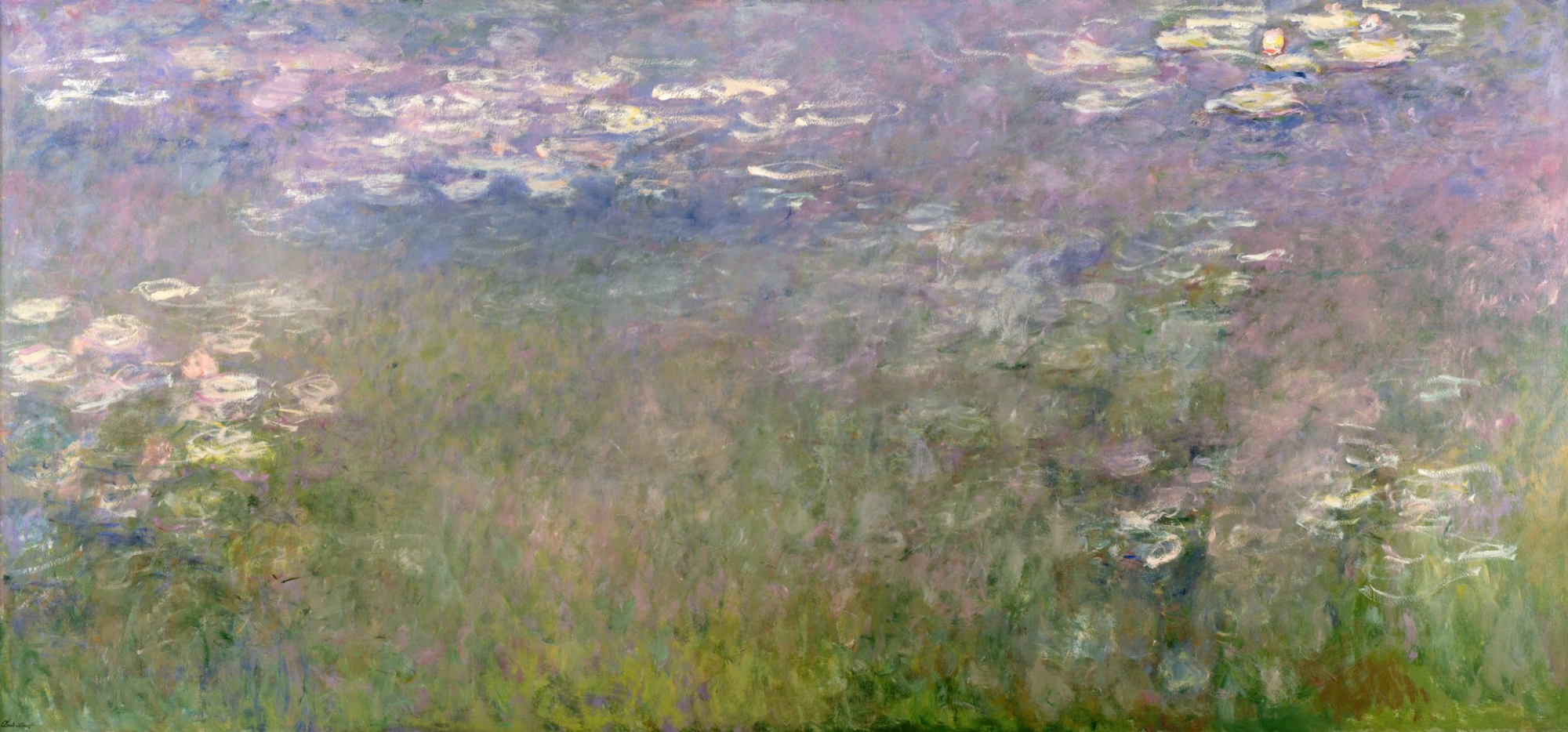
Claude Monet, Water lilies, ca1915-26, oil on canvas
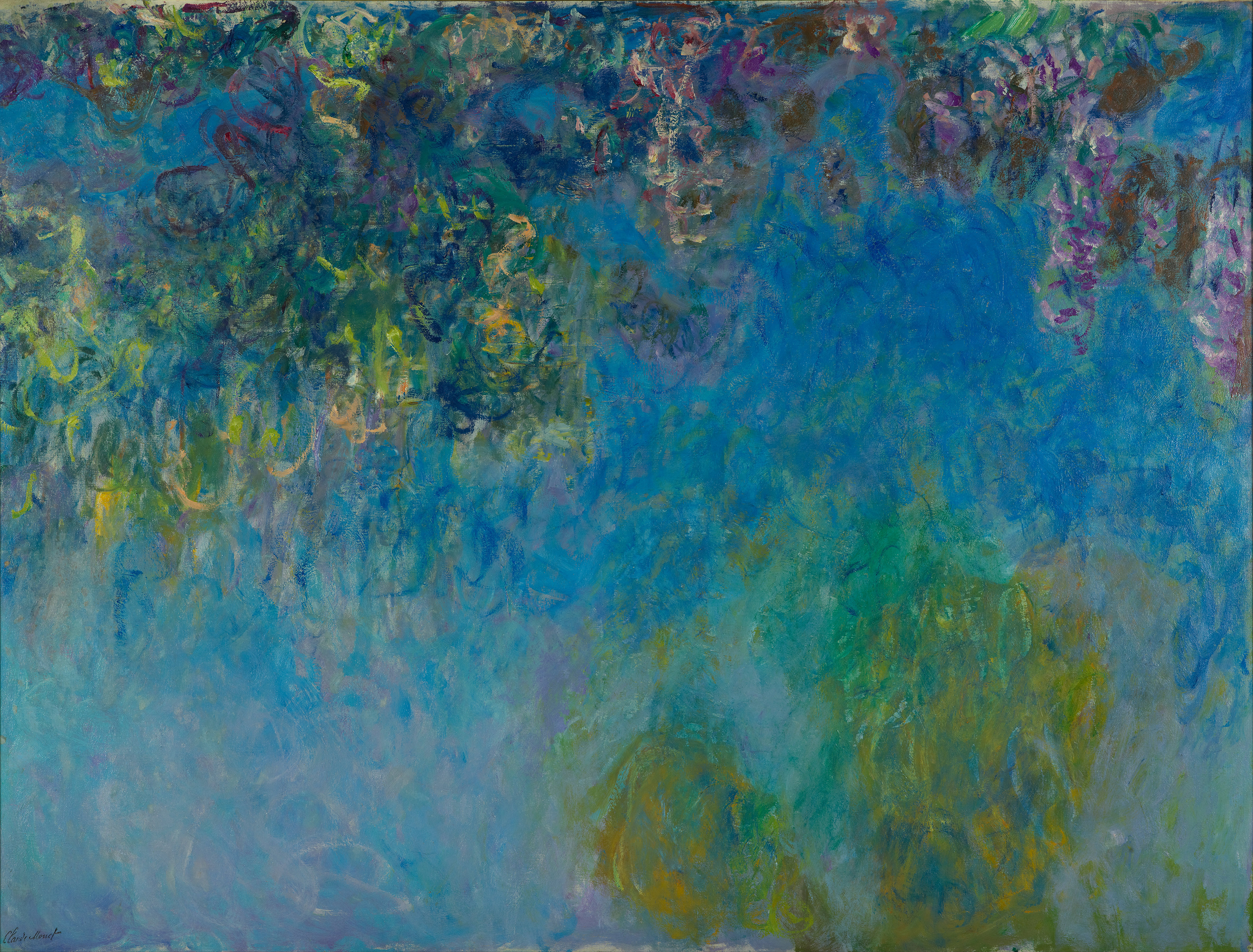
Claude Monet, Wisteria, ca1925, oil on canvas
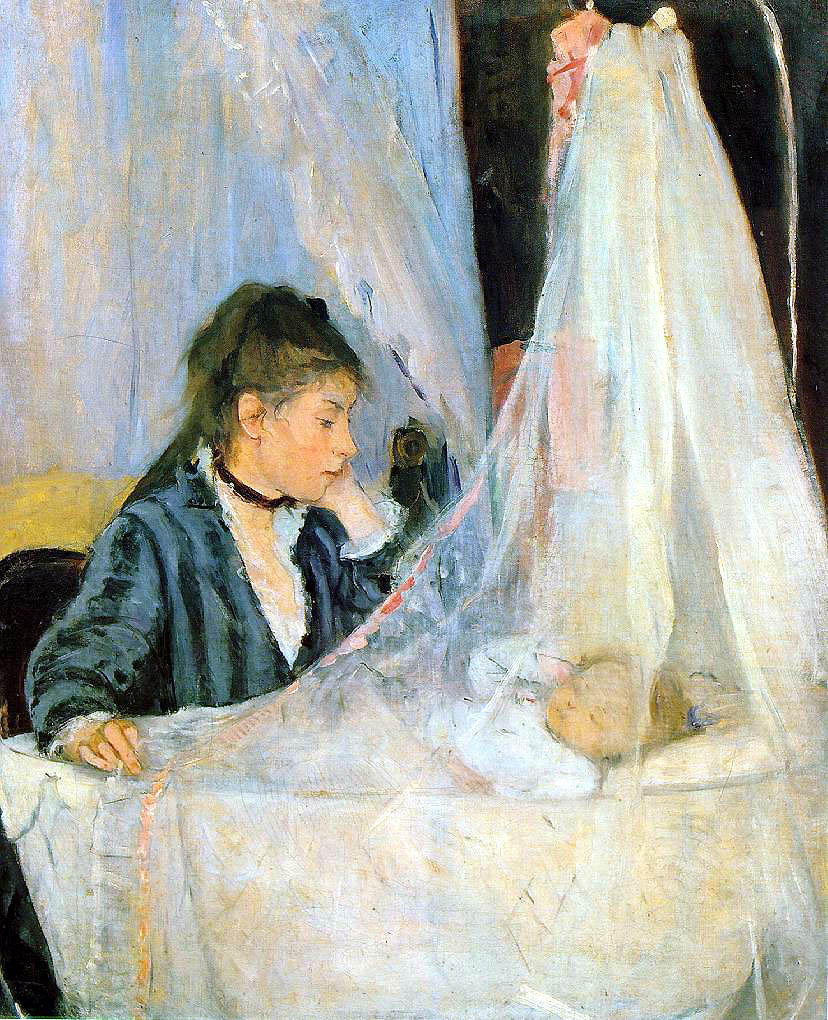
Berthe Morisot, Le berceau (Madame Pontillion et sa fille Blanche), 1872, oil on canvas
Berthe Morisot, Cotage interior, 1886, oil on canvas
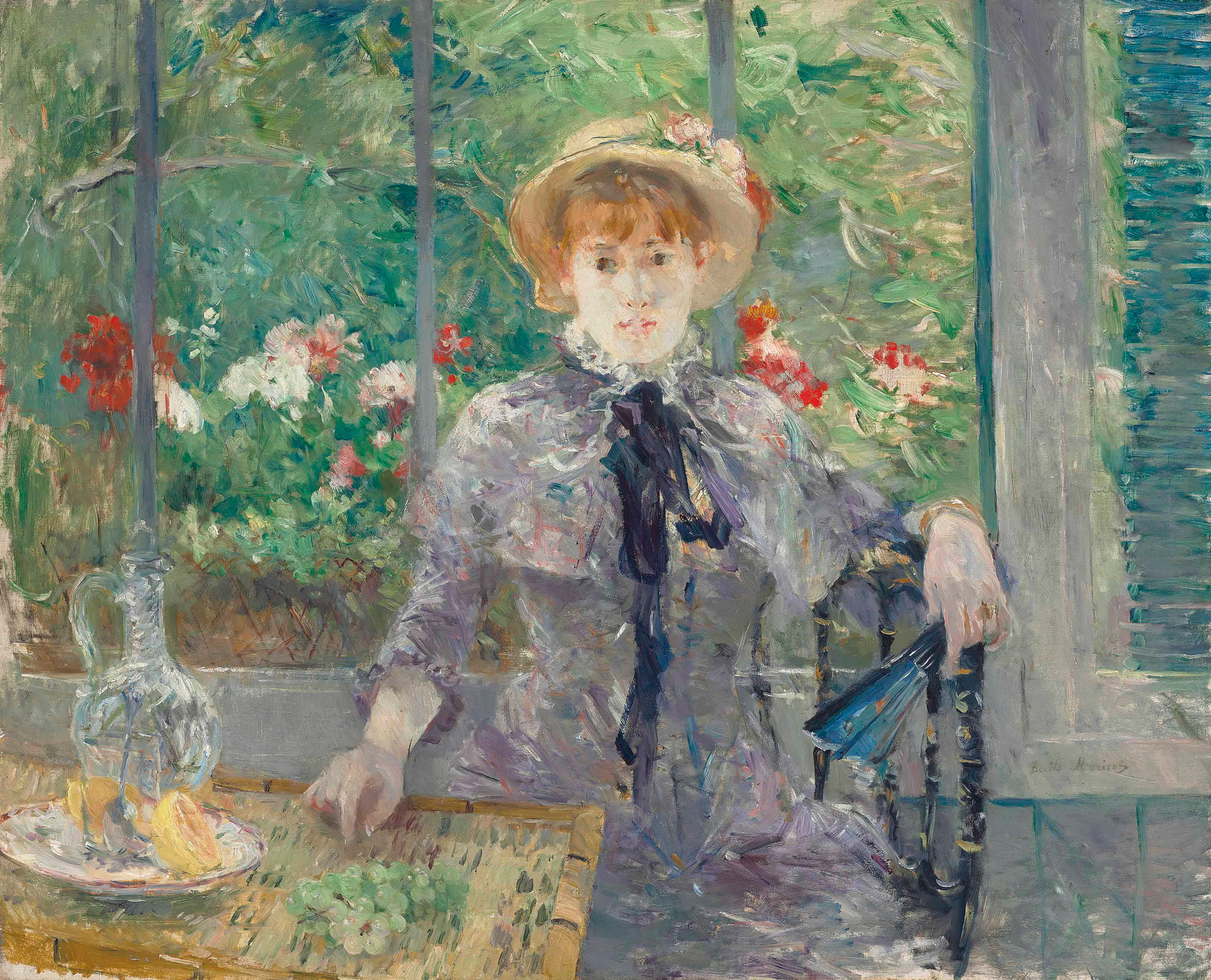
Berthe Morisot, Après le déjeuner, 1881, oil on canvas
Berthe Morisot, Dans le véranda, 1884, oil on canvas
Berthe Morisot, La fable, 1883, oil on canvas
Edgar Degas, La classe de danse, 1871-74, oil on canvas
Edgar Degas, The rehearsel, 1873, oil on canvas
Edgar Degas, La danseuse verte, pastel & gouache on paper, 1877-79
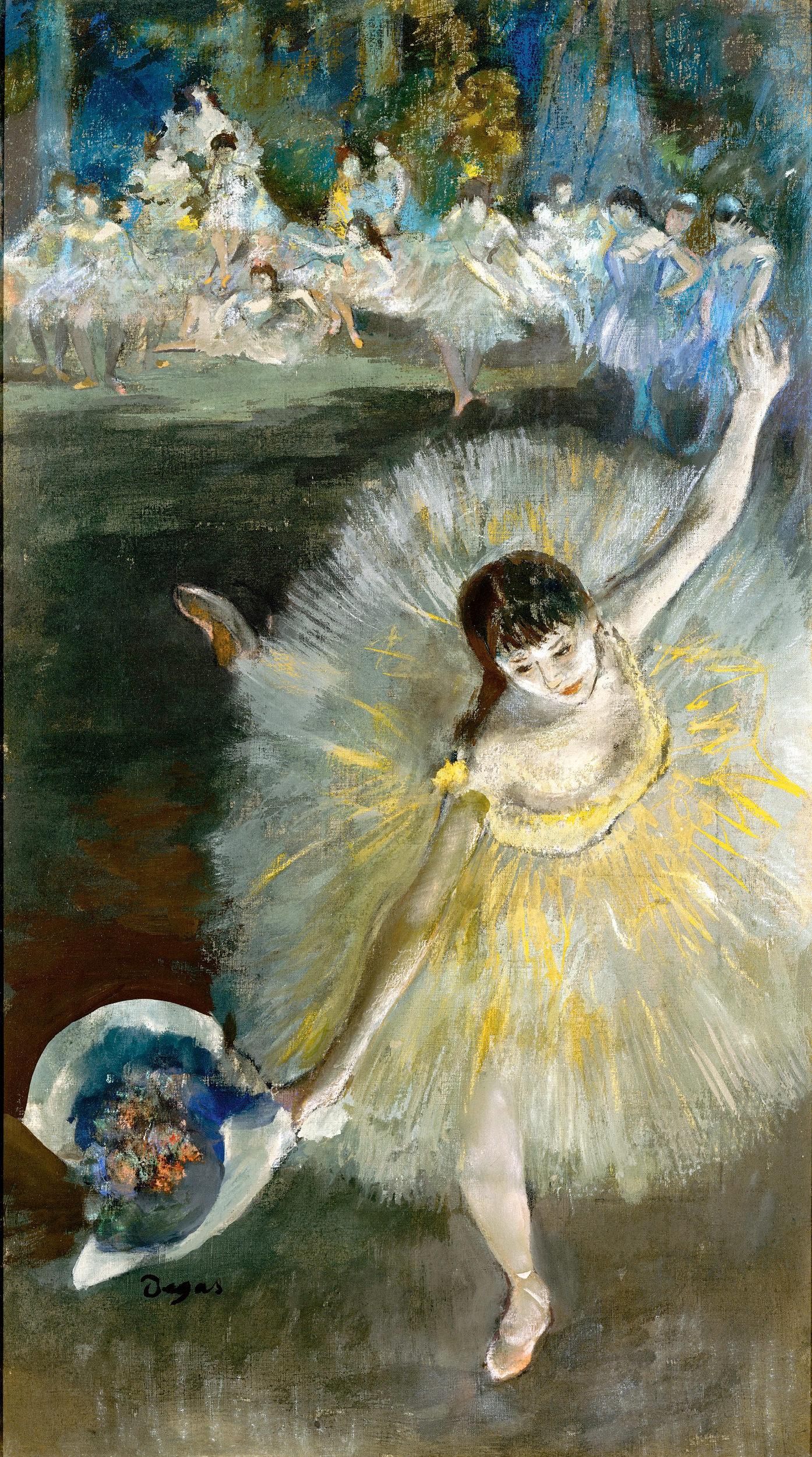
Edgar Degas, Fin d'Arabesque, 1876, oil, essence & pastel on canvas
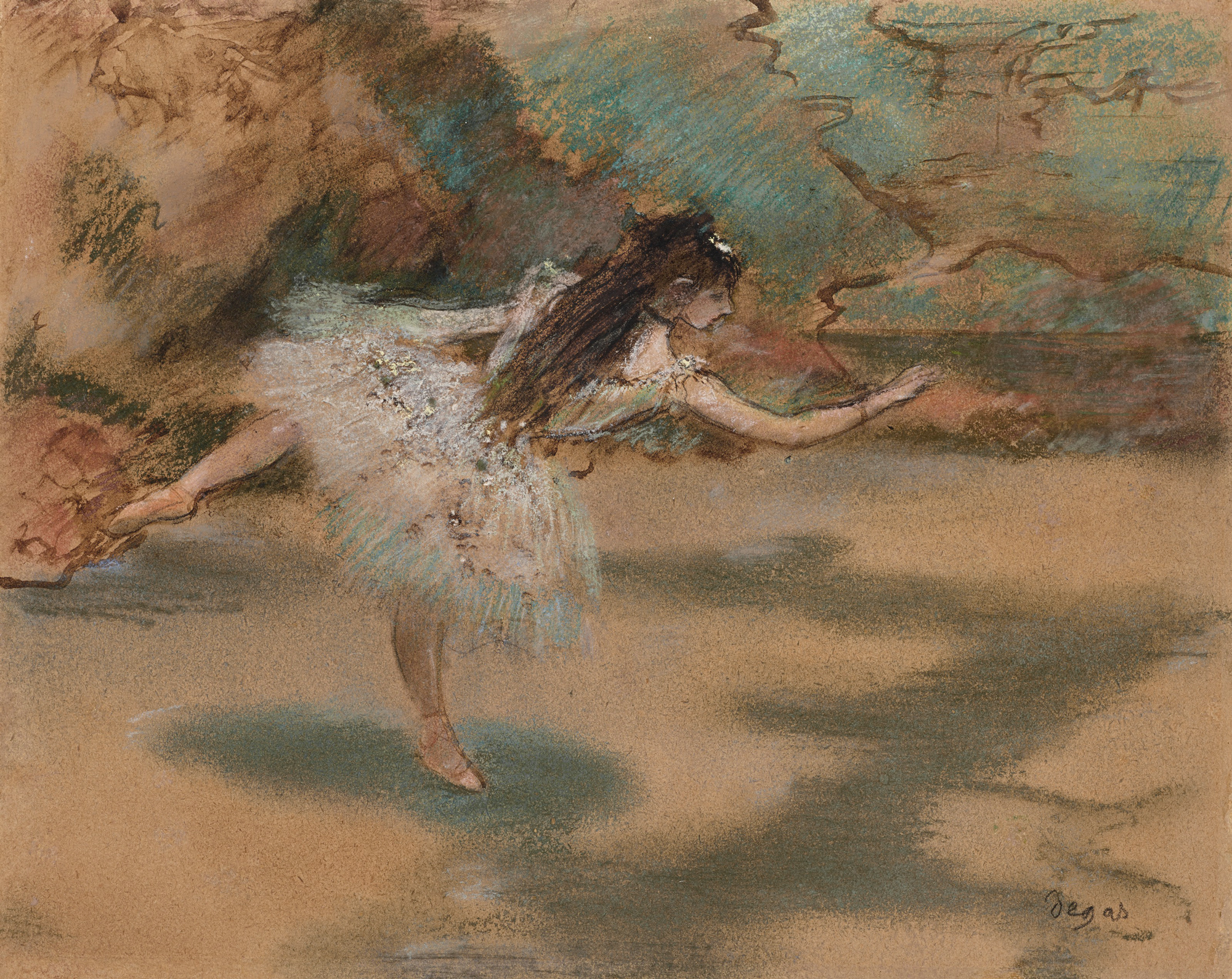
Edgar Degas, Danseuse sur une pointe, ca1877, pastel, sepia ink, pen & brush over pencil on paper
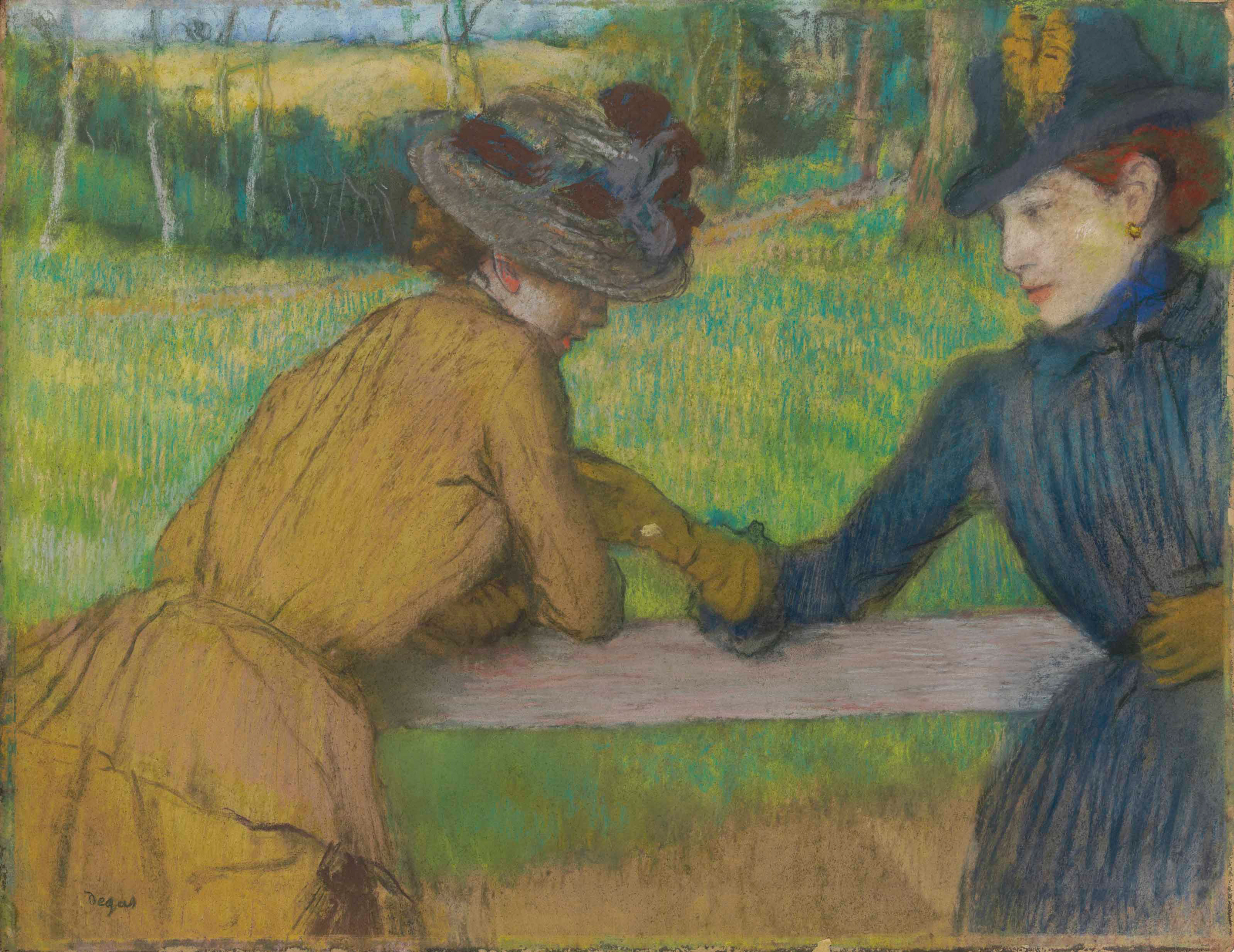
Edgar Degas, Deux femmes appuyées à une barrière (conversation), ca1882-85, pastel on paper
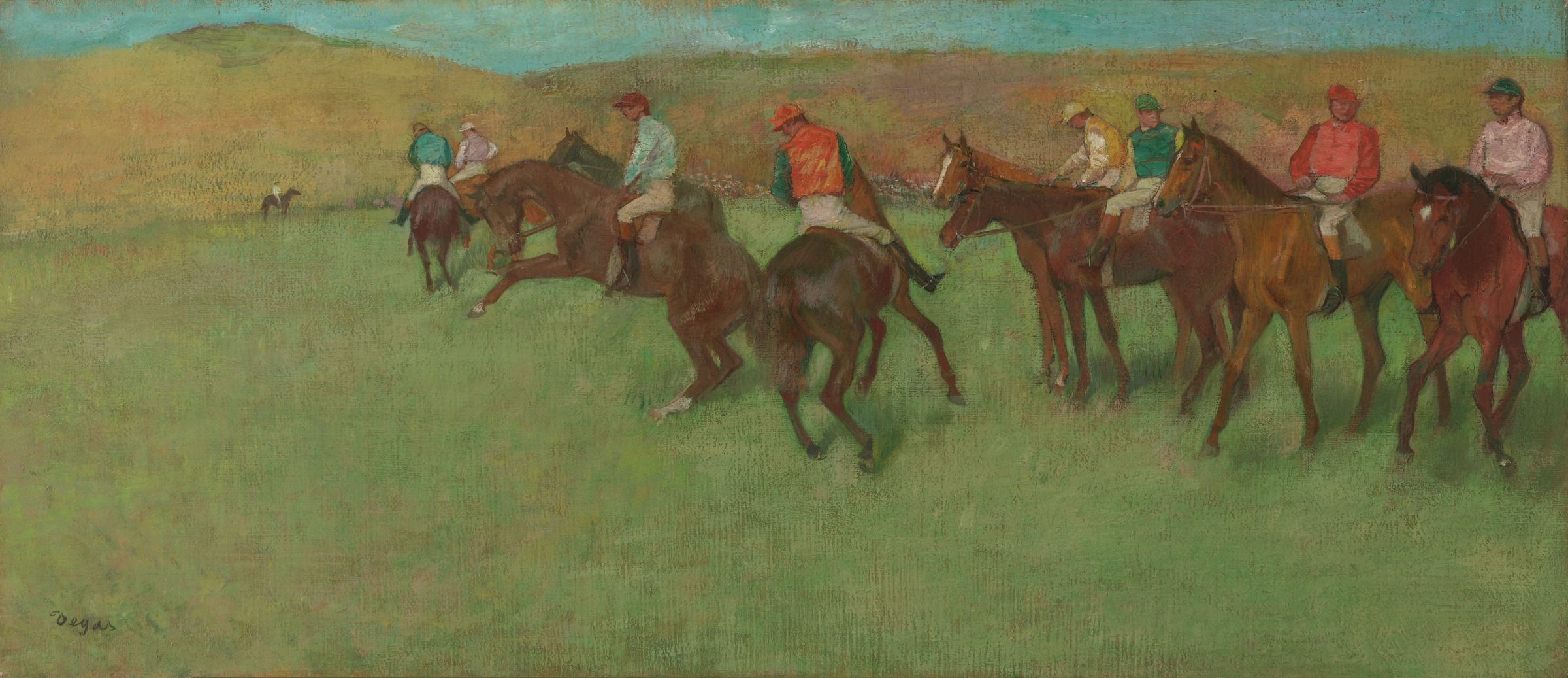
Edgar Degas, At the races, before the start, ca1885-92, oil on canvas
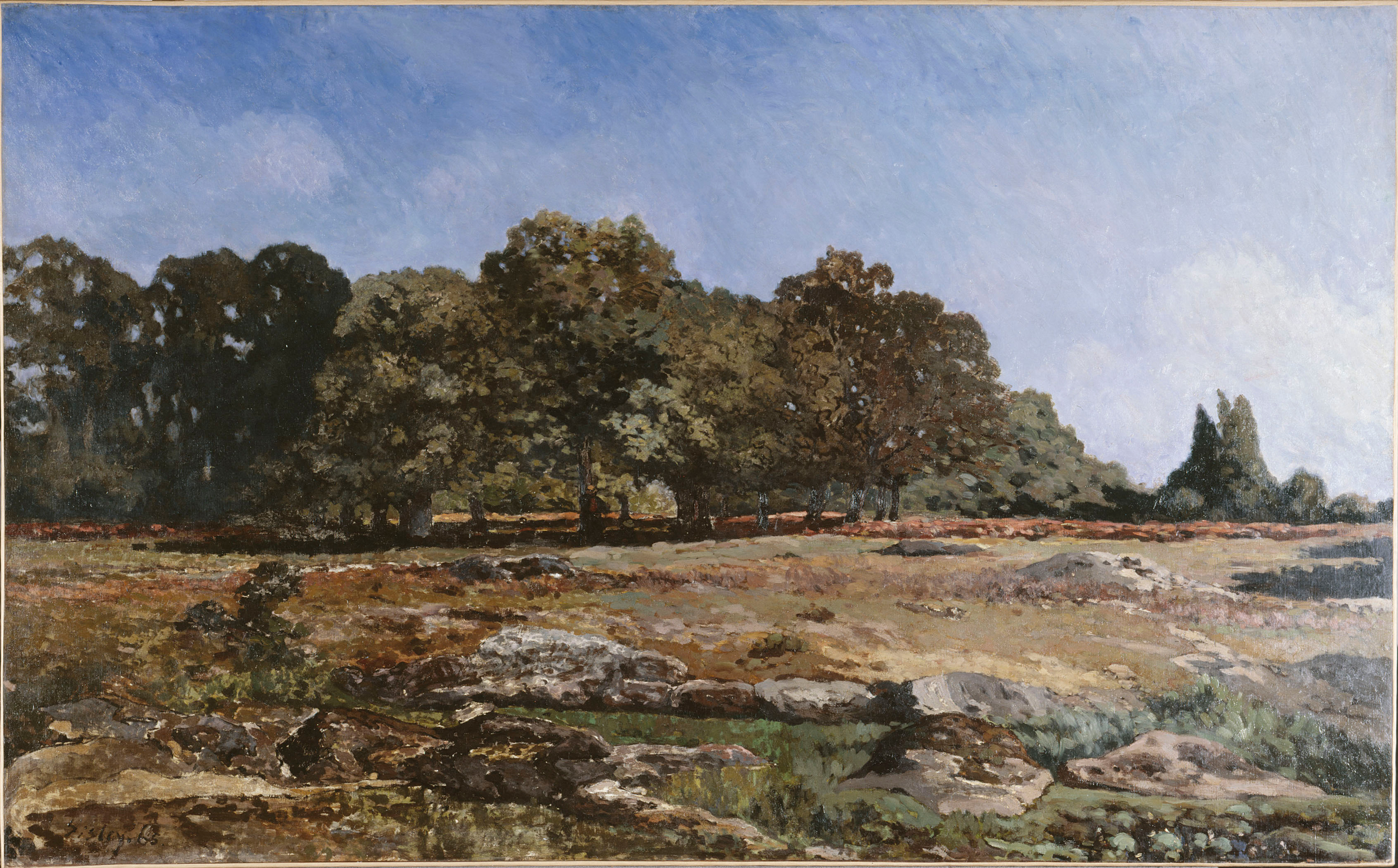
Alfred Sisley, Lisière de la forêt de Fontainebleau, Allée des chataigniers, 1865, oil on canvas
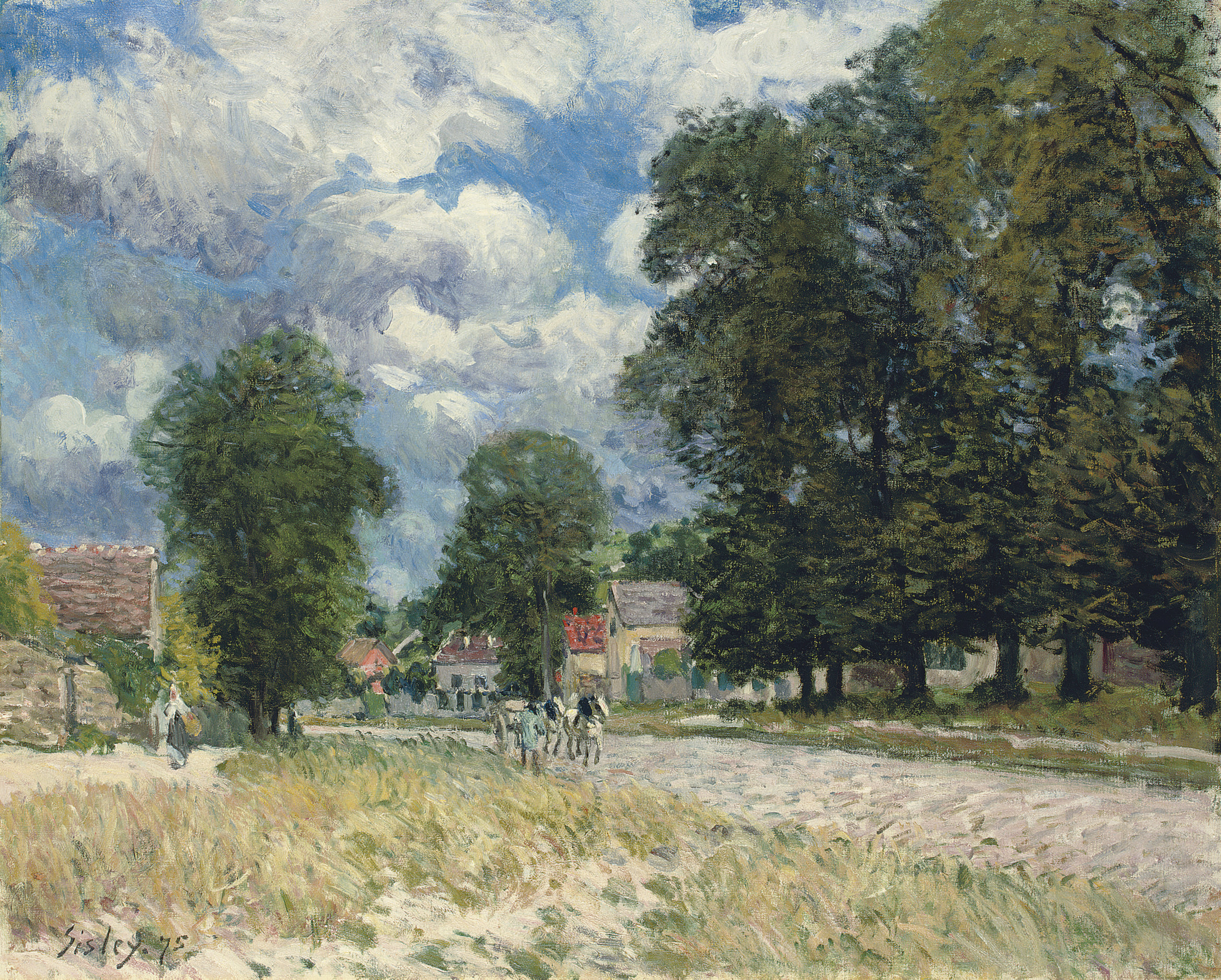
Alfred Sisley, La route de Marly-le-roi, 1875, oil on canvas
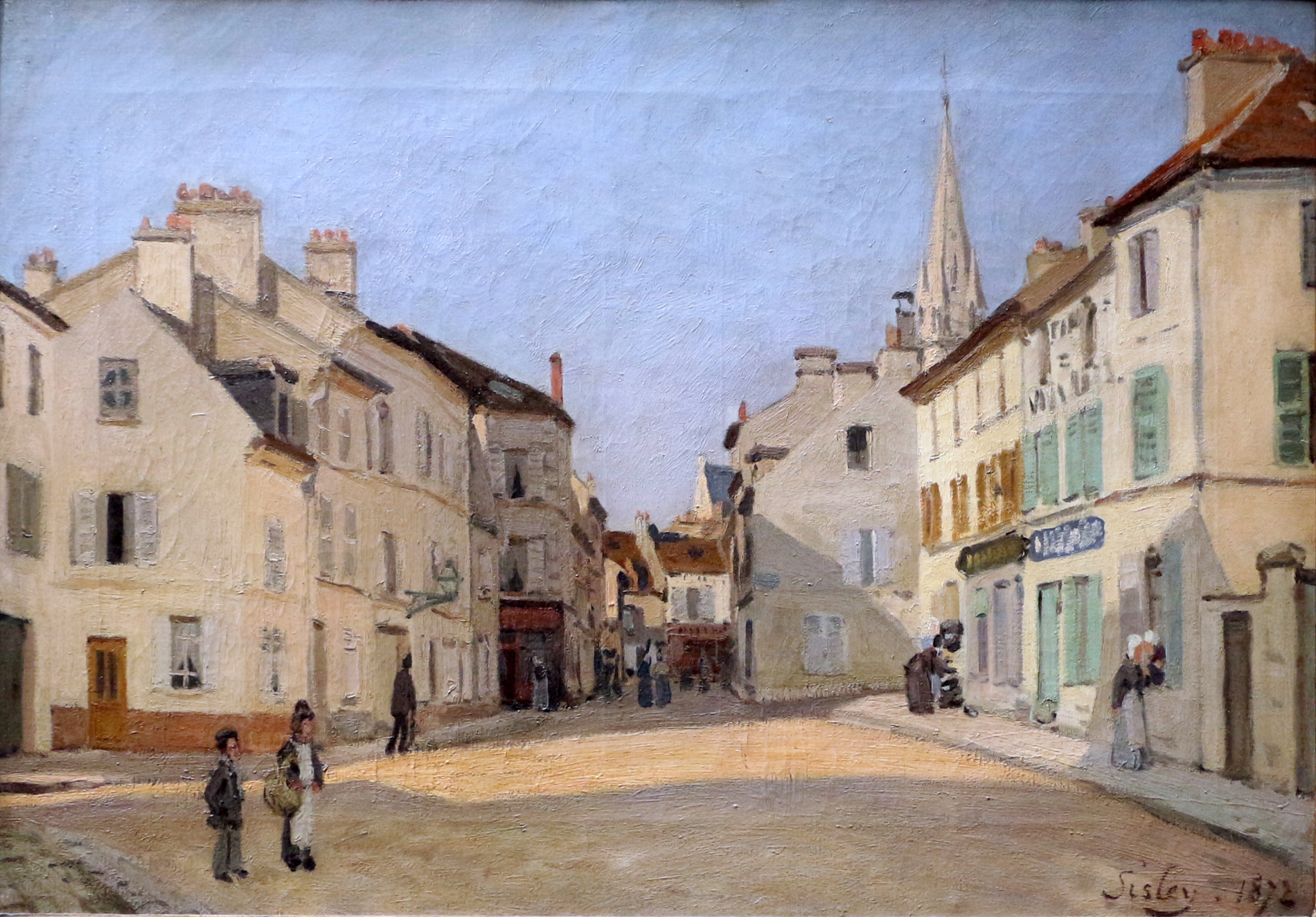
Alfred Sisley, Rue de la Chaussée à Argenteuil, 1872, oil on canvas
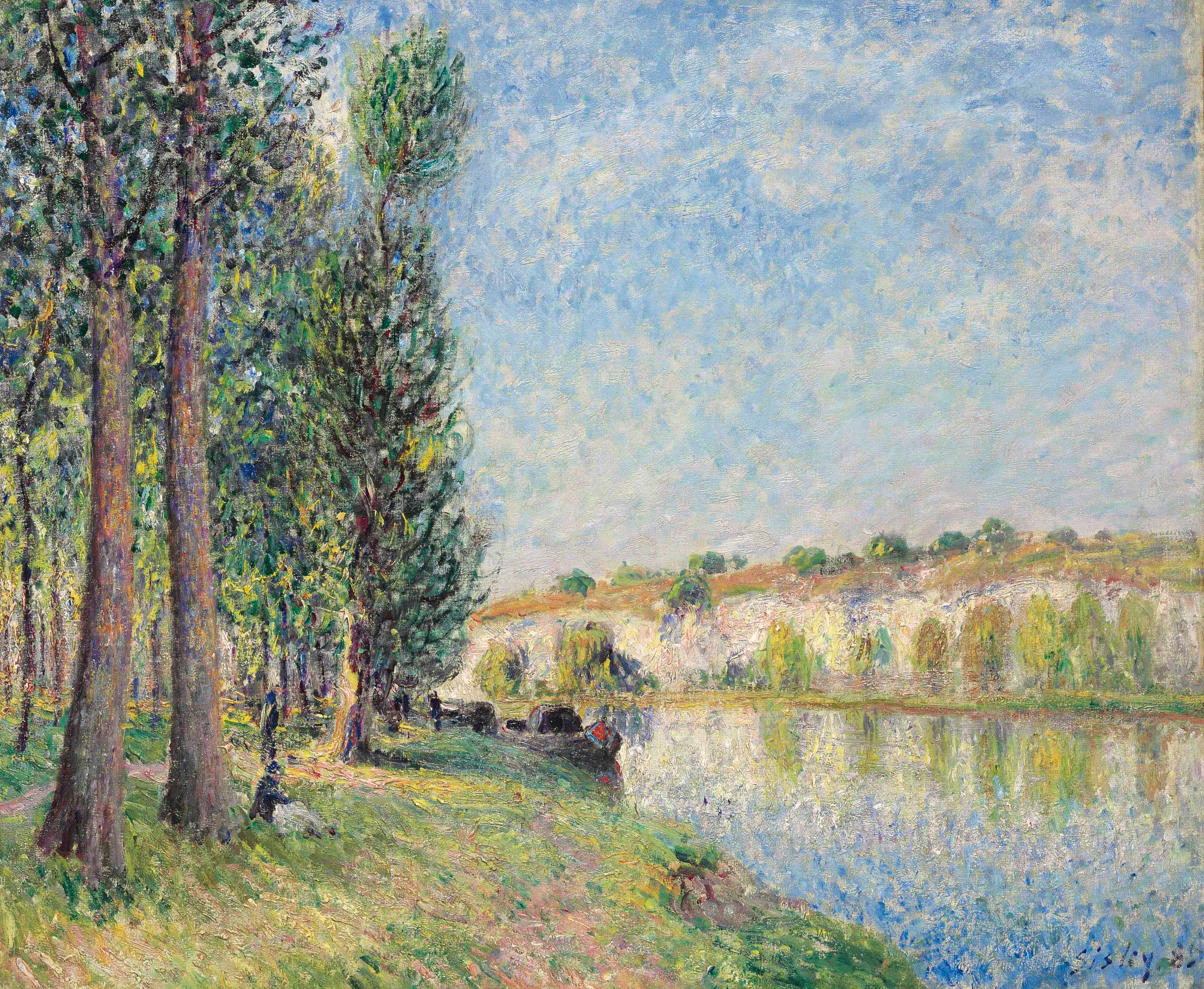
Alfred Sisley, Le loing à Moret, 1885, oil on canvas
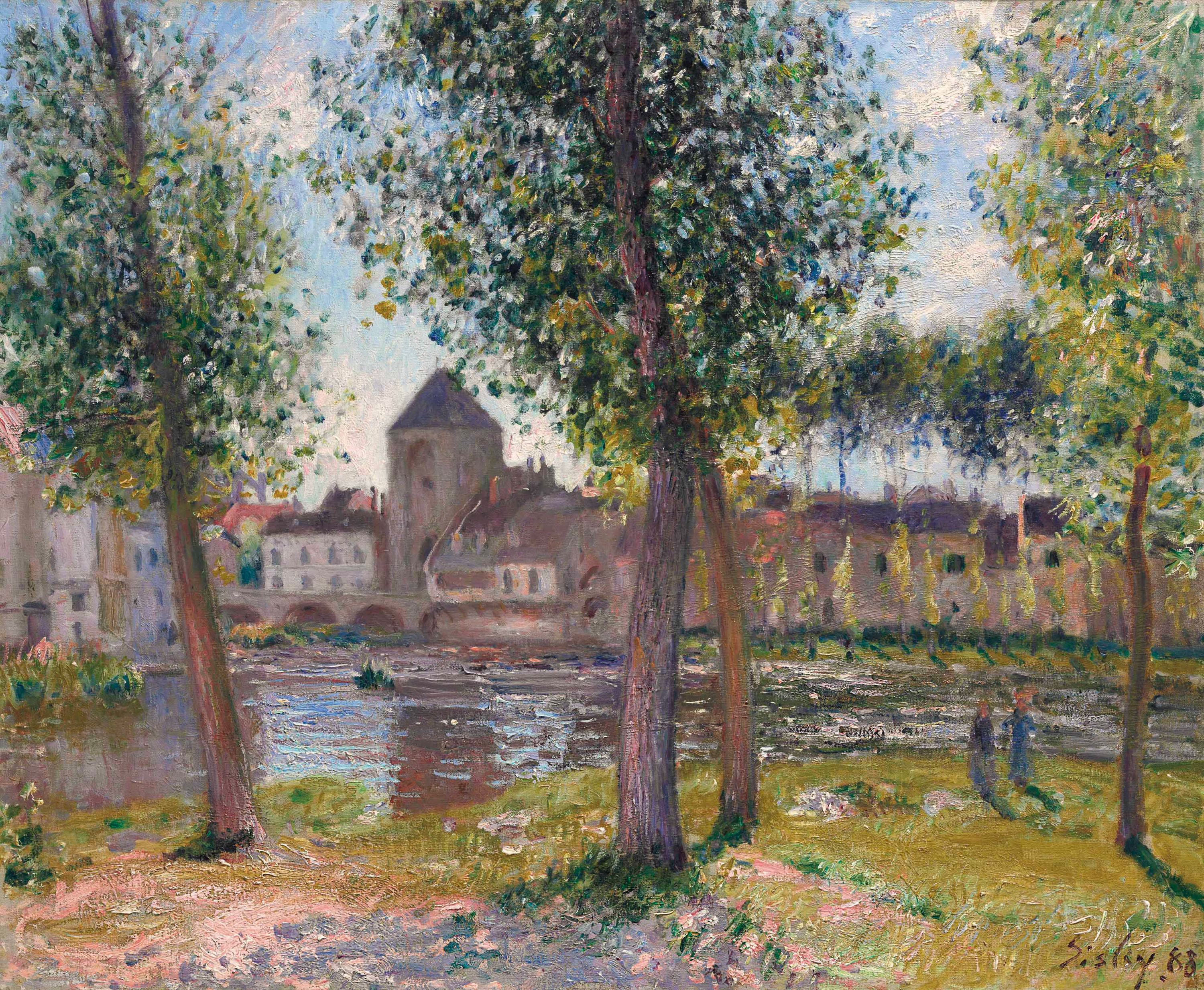
Alfred Sisley, Les peupliers à Moret-sur-Loing, après-midi d'août, 1888, oil on canvas
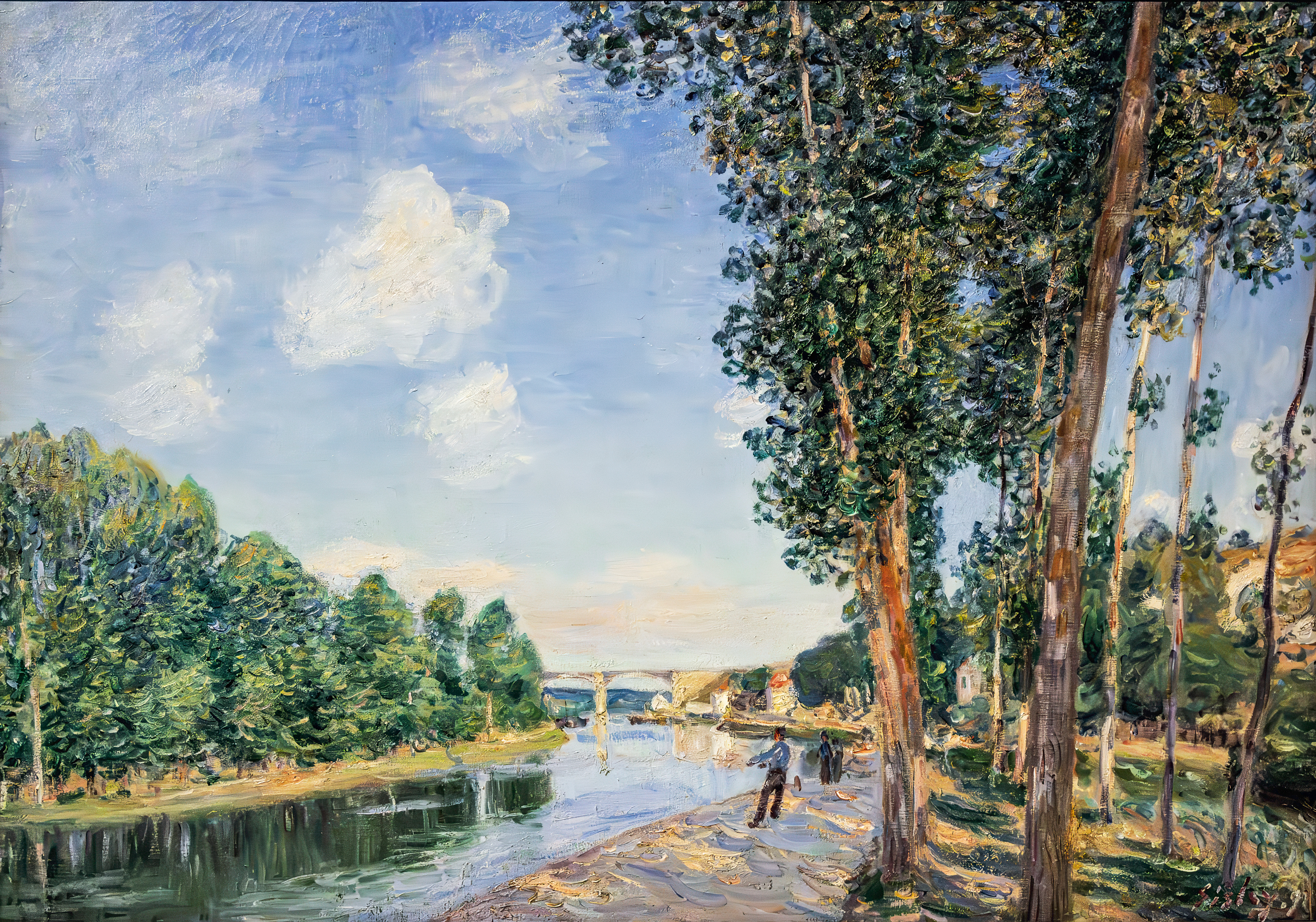
Alfred Sisley, Saint-Mammès, soleil de juin, 1892, oil on canvas
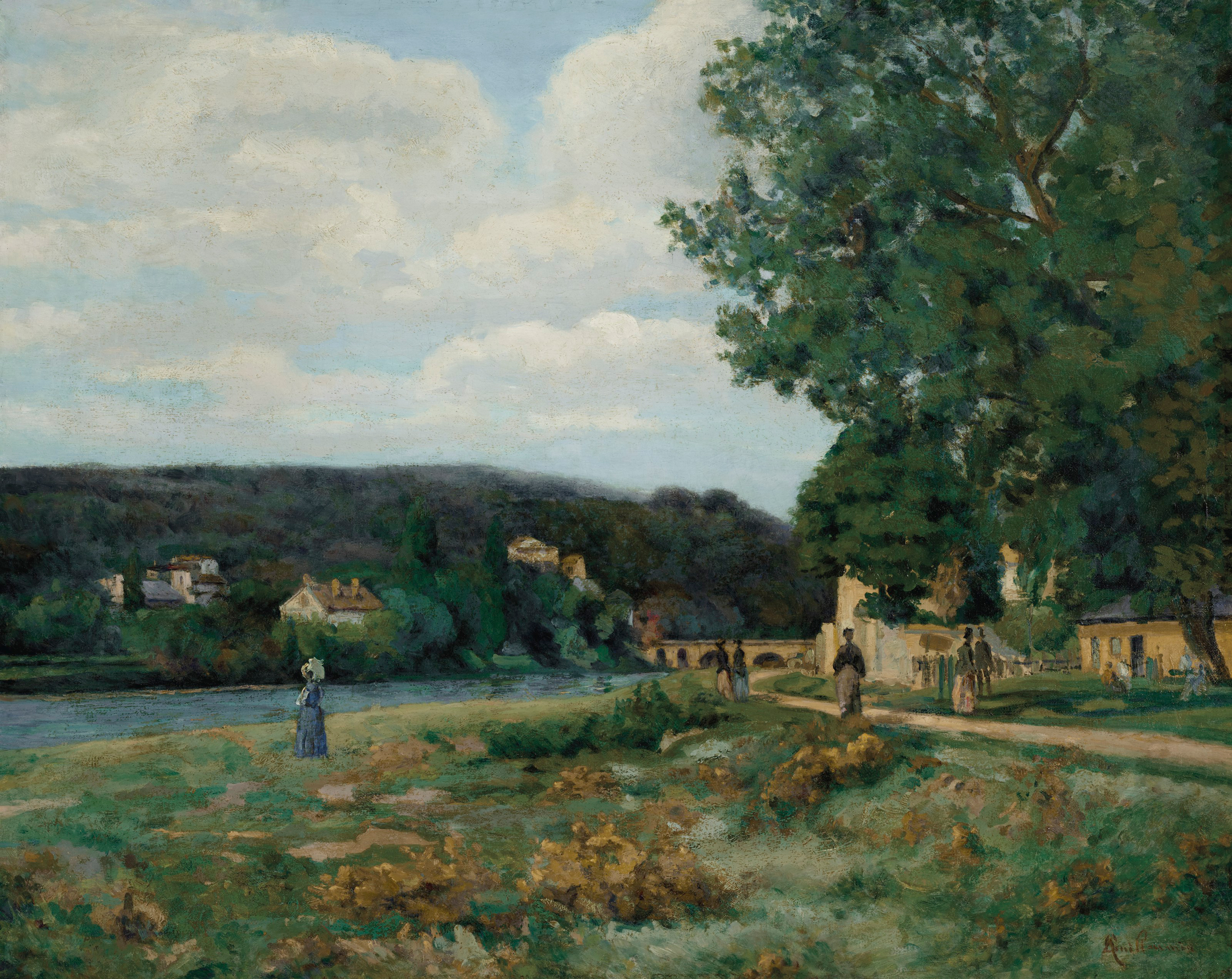
Armand Guillaumin, Paysage de l'Ile-de-France, ca1875, oil on canvas
Armand Guillaumin, Paysage de l'Ile-de-France, ca1875, oil on canvas
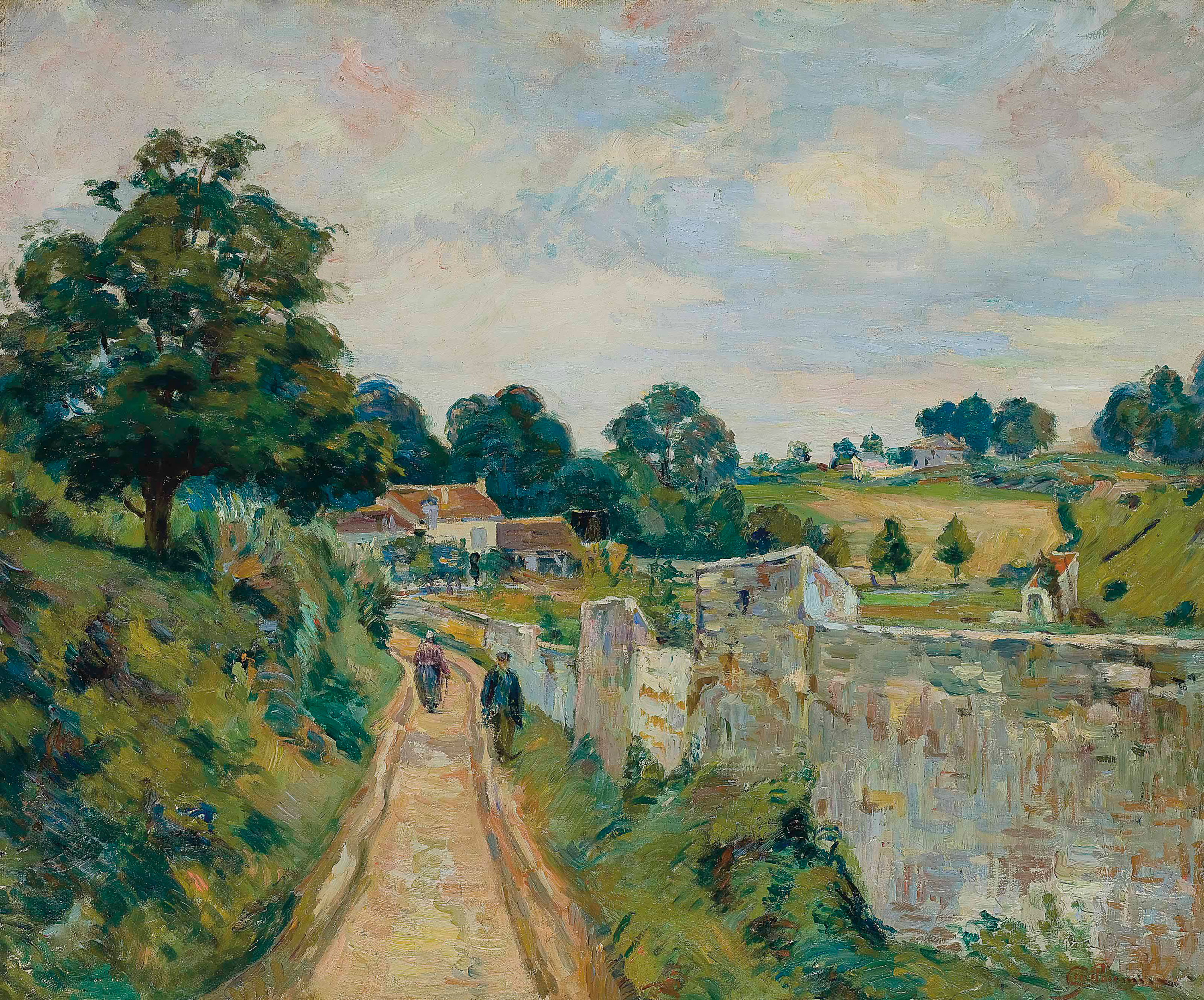
Armand Guillaumin, Route de Damiette, 1885,
Armand Guillaumin, Village sur le coteau, Vallée de Chevreuse, ca1885,
Armand Guillaumin, Route de Damiette, 1890, oil on canvas
Armand Guillaumin, Paysage boise à 'l étang, 1890, oil on canvas
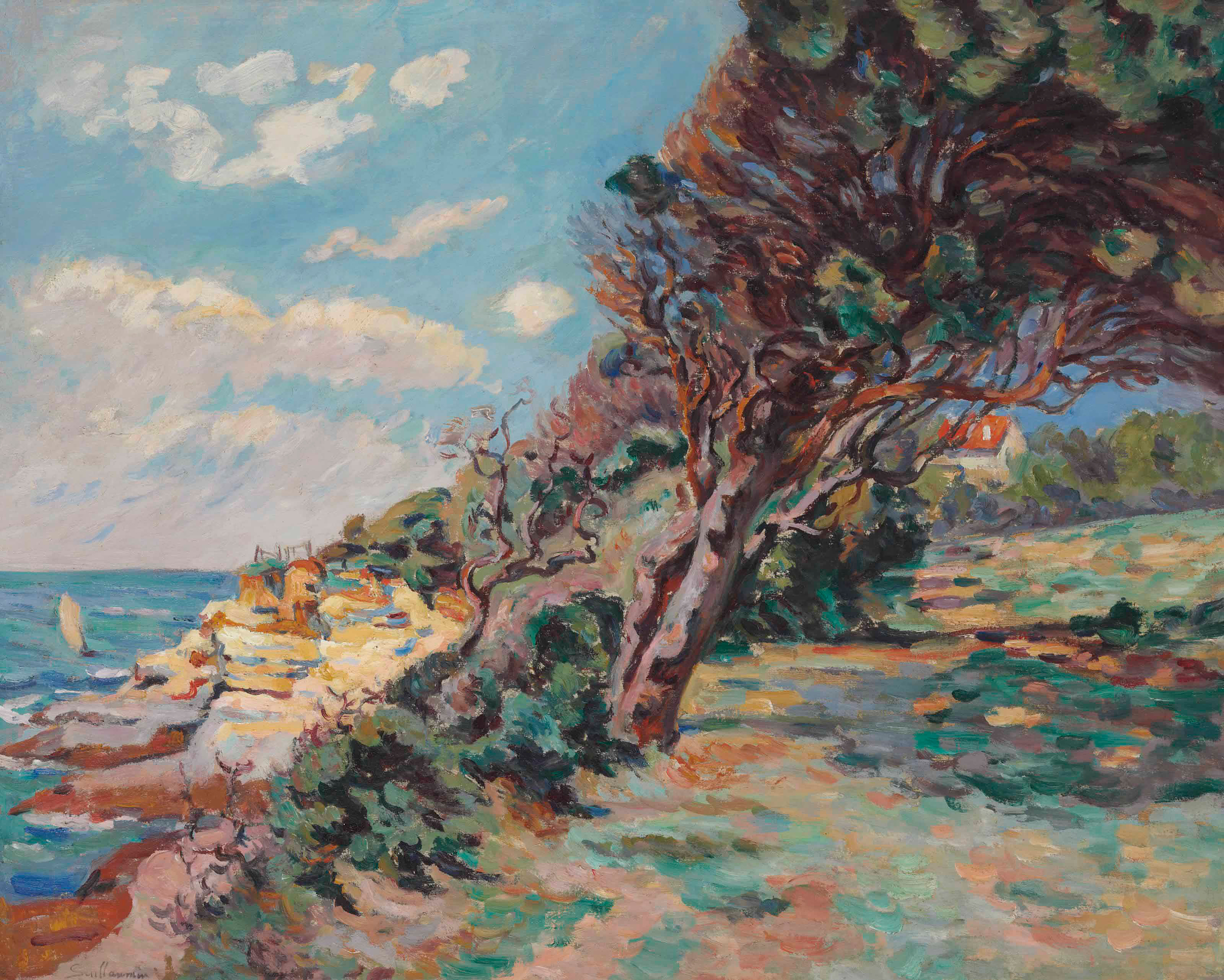
Armand Guillaumin, Côte Méditerranéenne, 1905, oil on canvas
Armand Guillaumin, Paysage, ca1905, oil on canvas
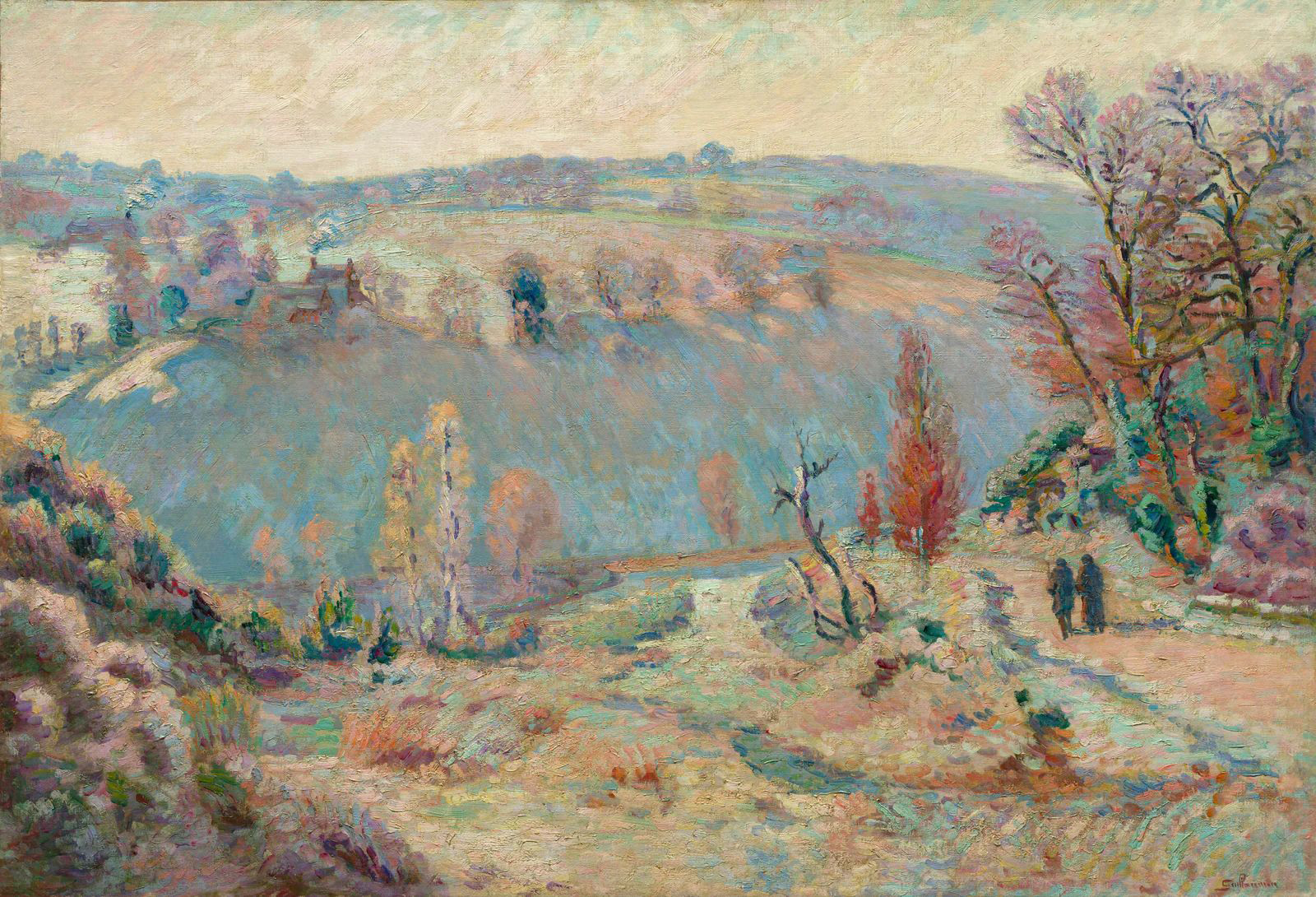
Armand Guillaumin, Valley of the Sédelle at Pont Charreaud, white frost, 1911, oil on canvas
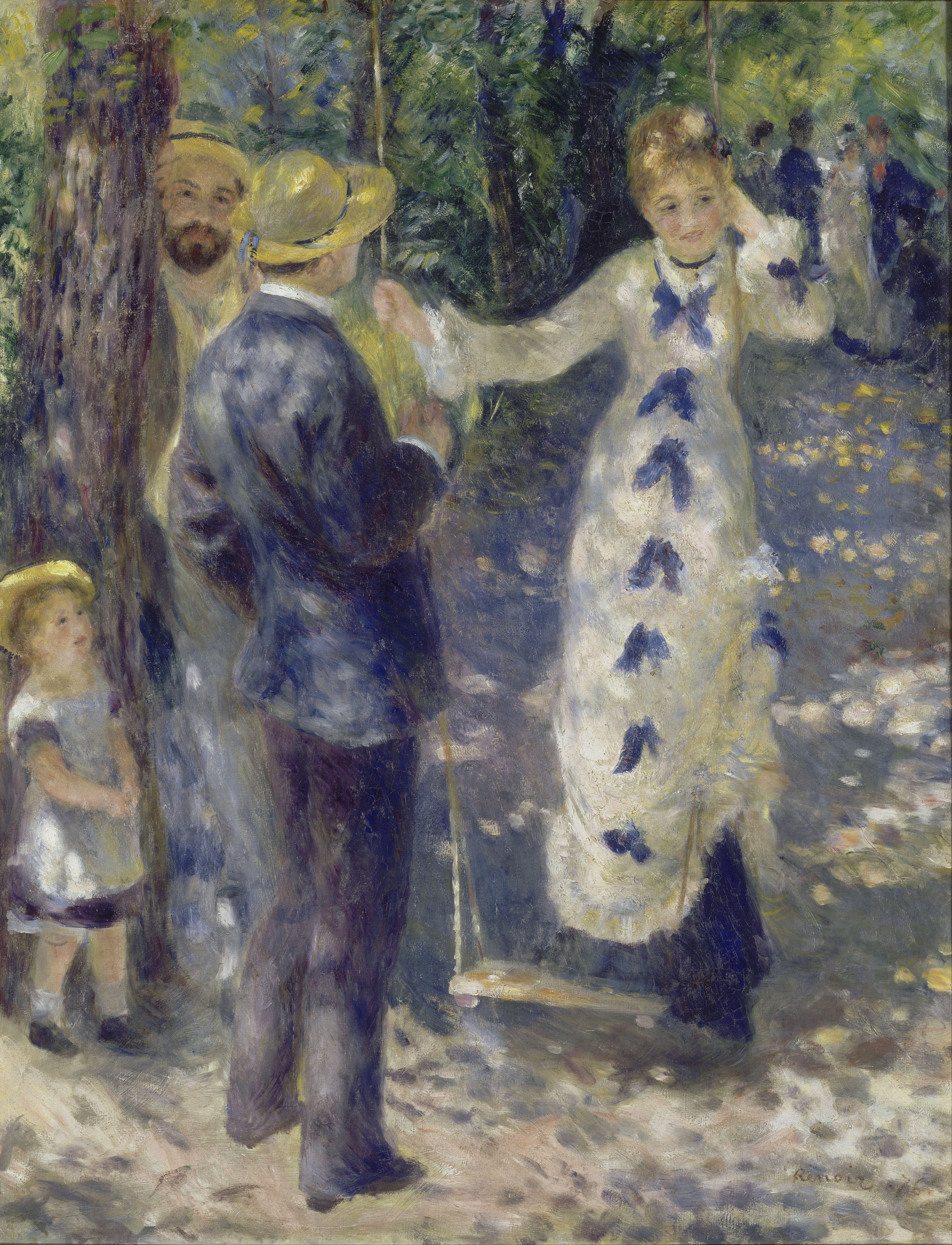
Pierre-Auguste Renoir, La balançoire, 1876, oil on canvas
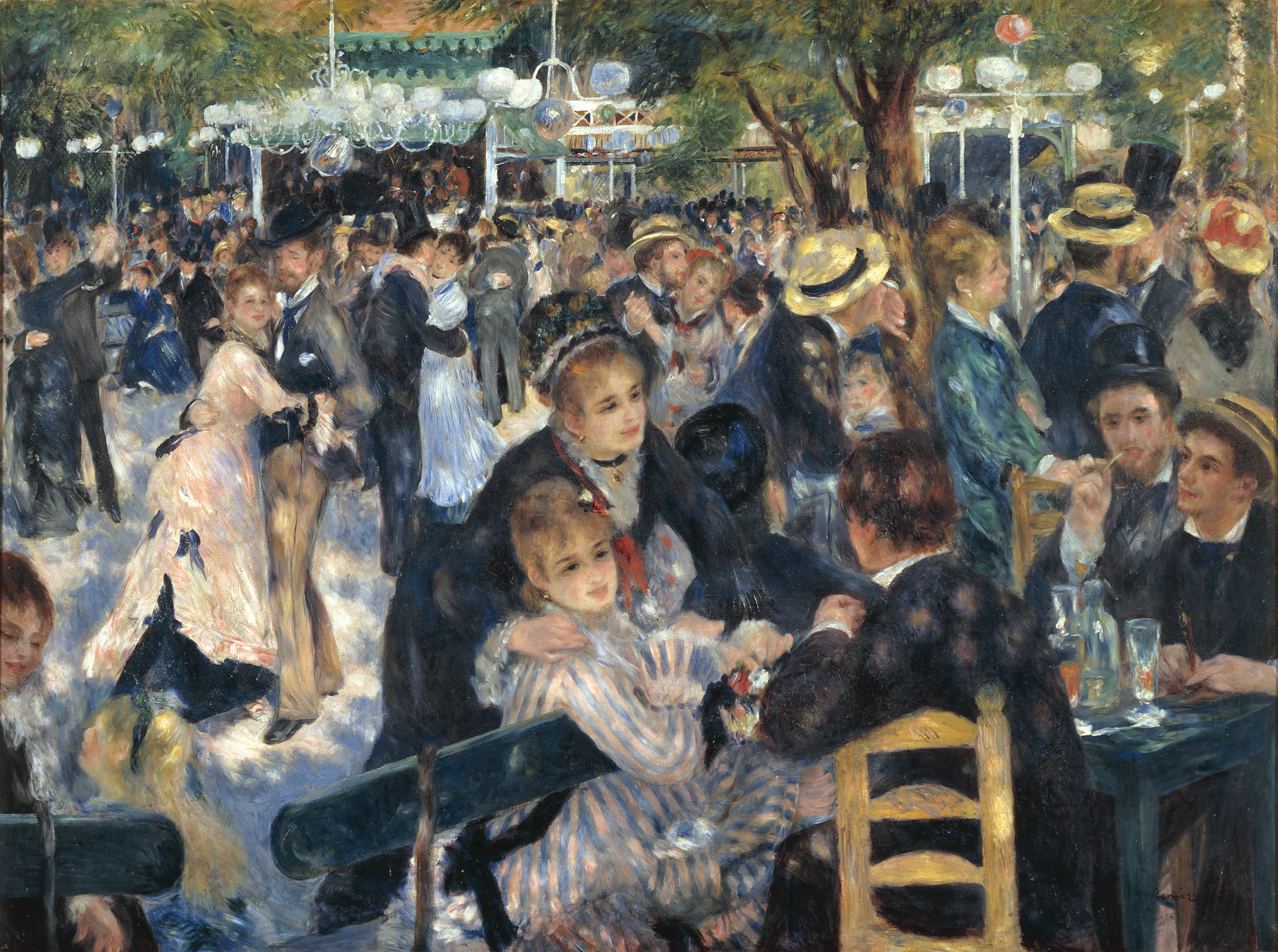
Pierre-Auguste Renoir, Bal du moulin de la Galette, 1876, oil on canvas
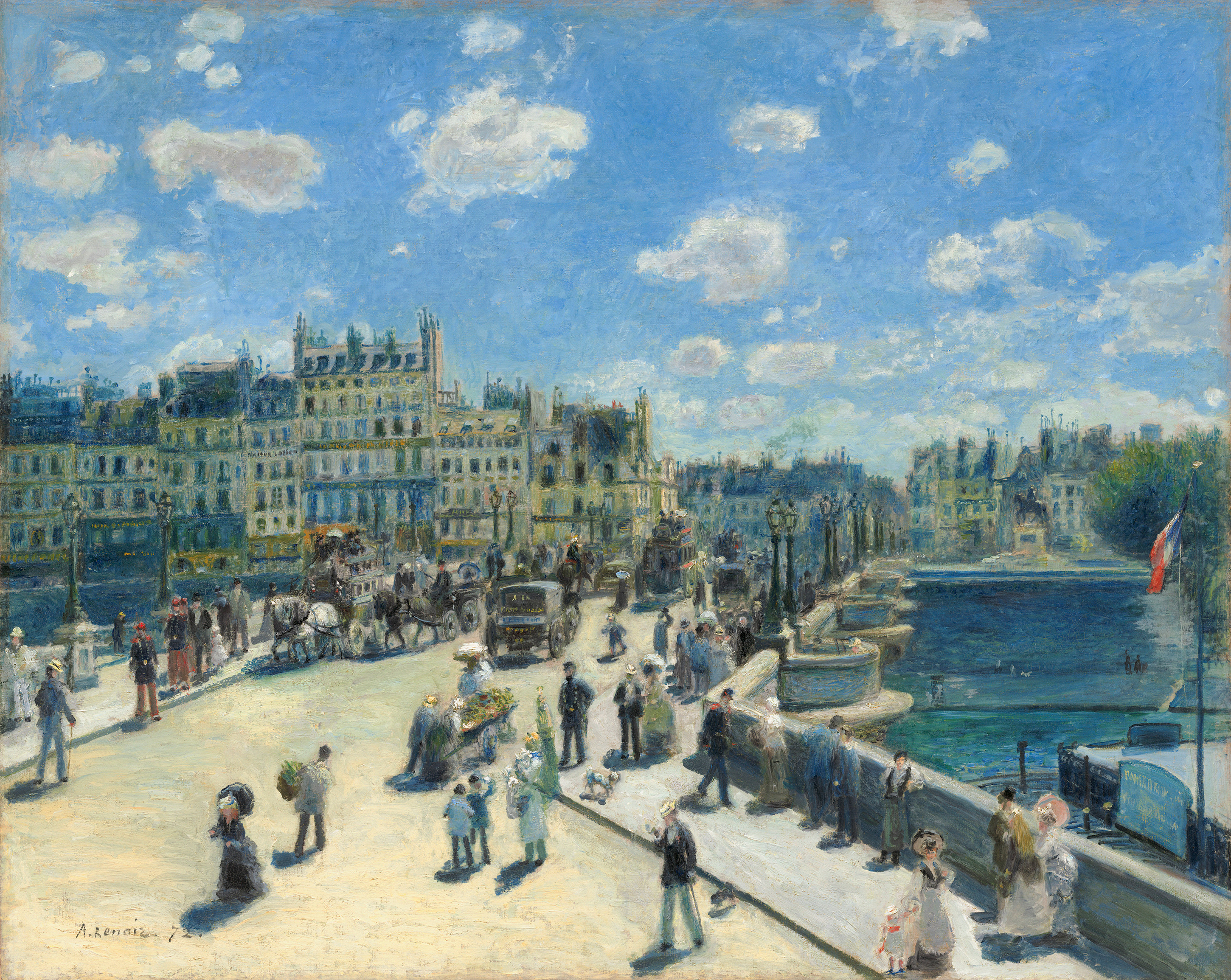
Pierre-Auguste Renoir, Pont-Neuf, 1872, oil on canvas
Pierre-Auguste Renoir, Square de la trinité, 1878-79, oil on canvas
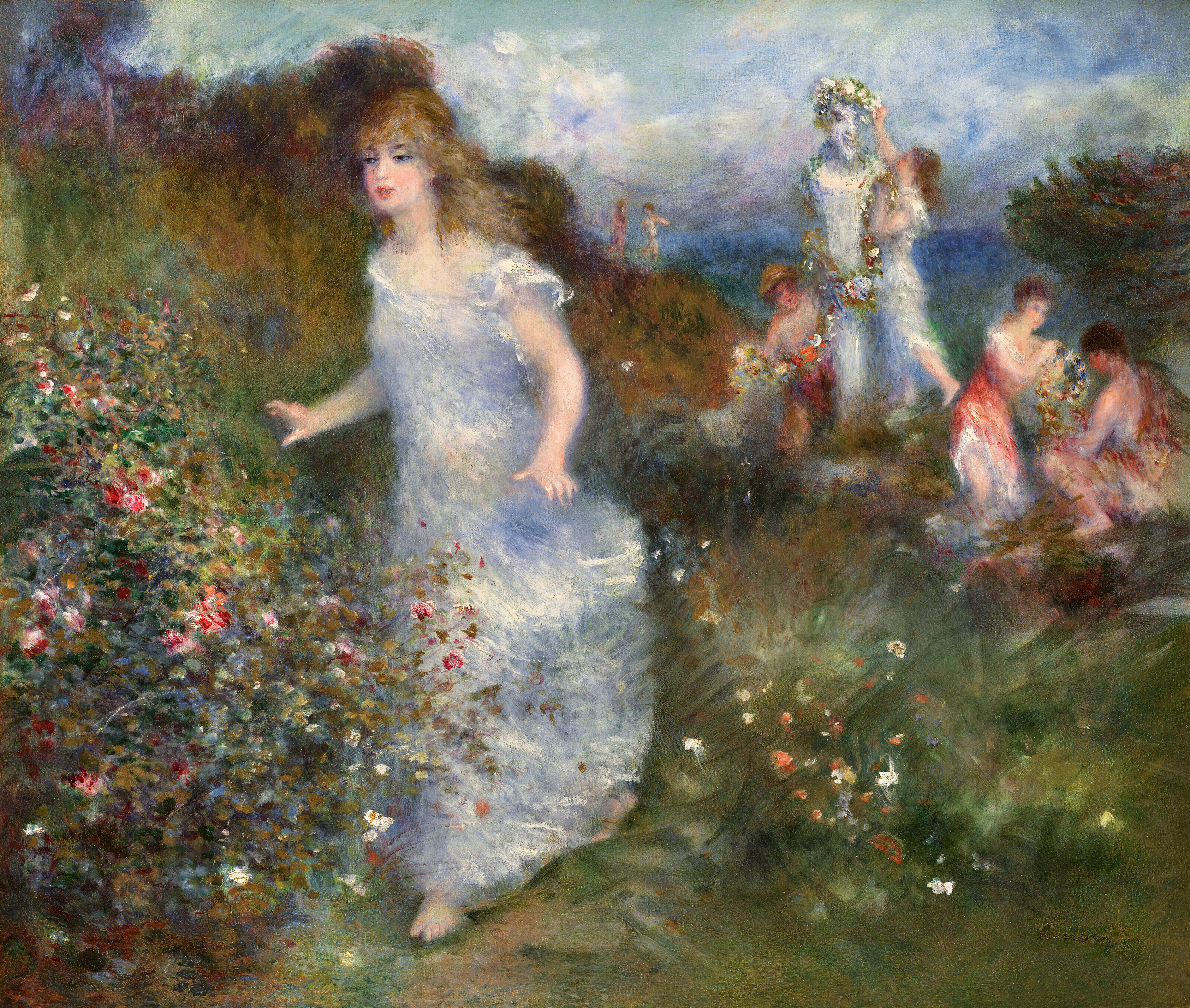
Pierre-Auguste Renoir, La fête de Pan, 1879, oil on canvas
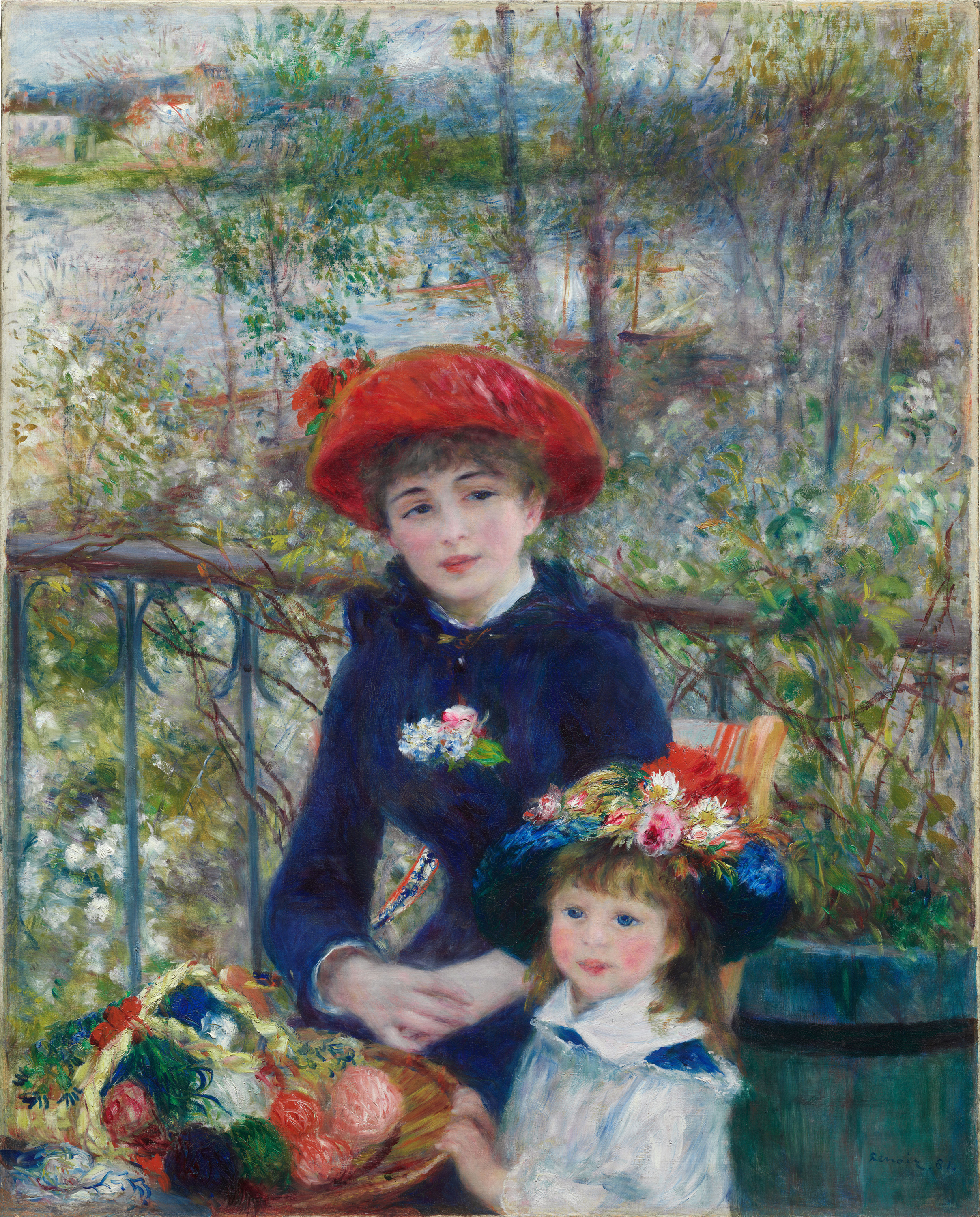
Pierre-Auguste Renoir, Sur la terrace, 1881, oil on canvas
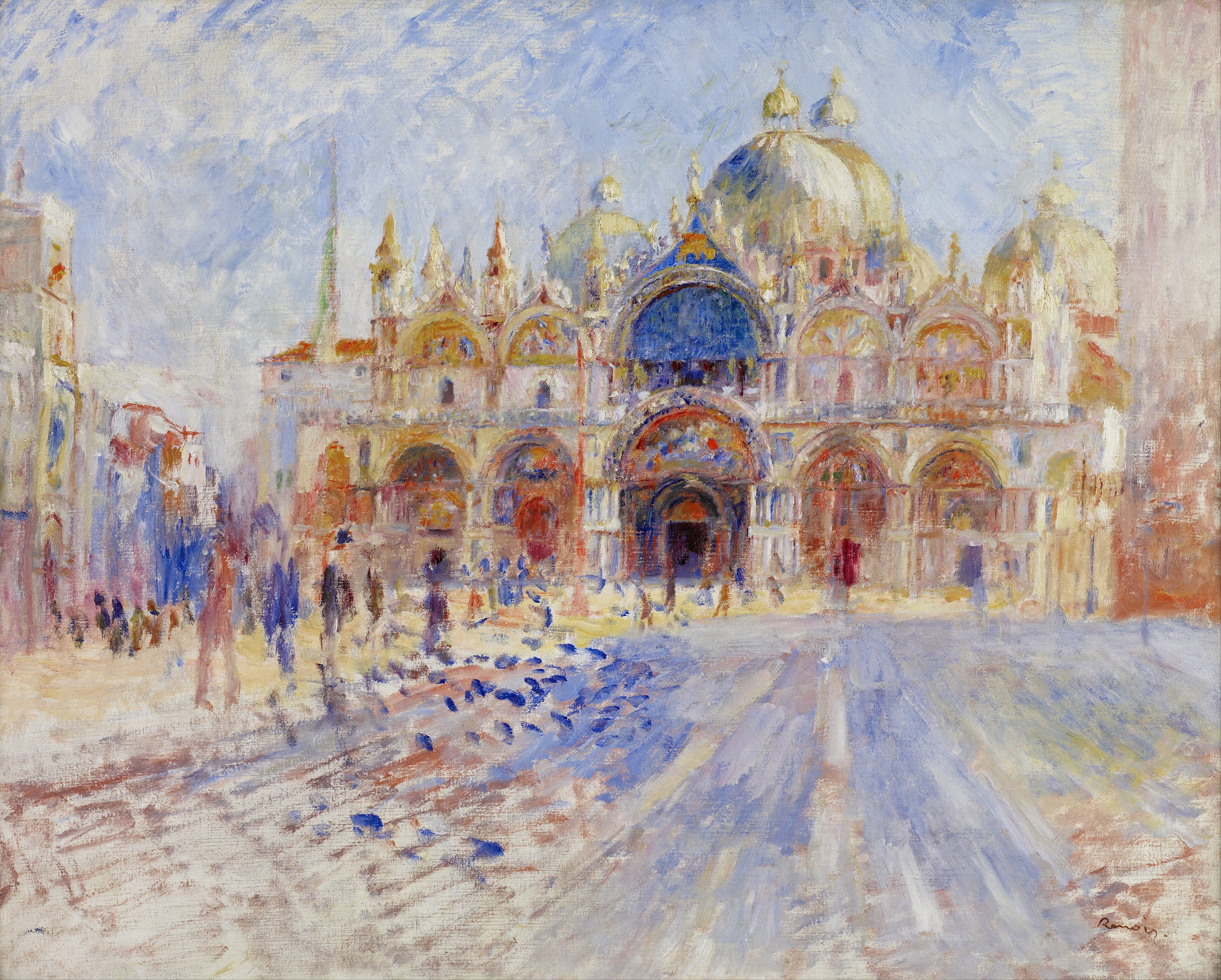
Pierre-Auguste Renoir, The piazza San Marco, Venice, 1881, oil on canvas
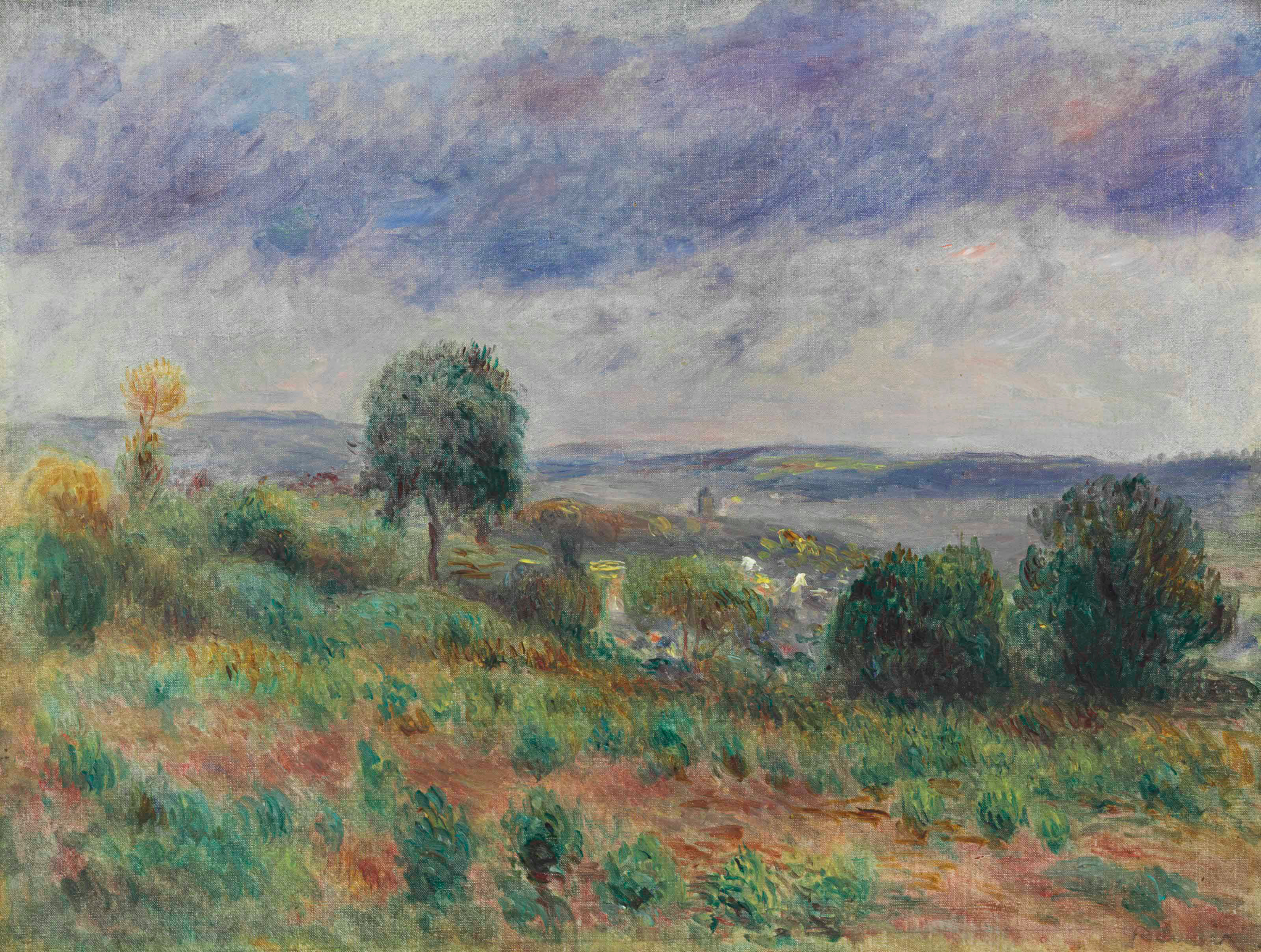
Pierre-Auguste Renoir, Auvers-sur-Oise, ca1901, oil on canvas
Pierre-Auguste Renoir, La maison de la poste à Cagnès, ca1907, oil on canvas
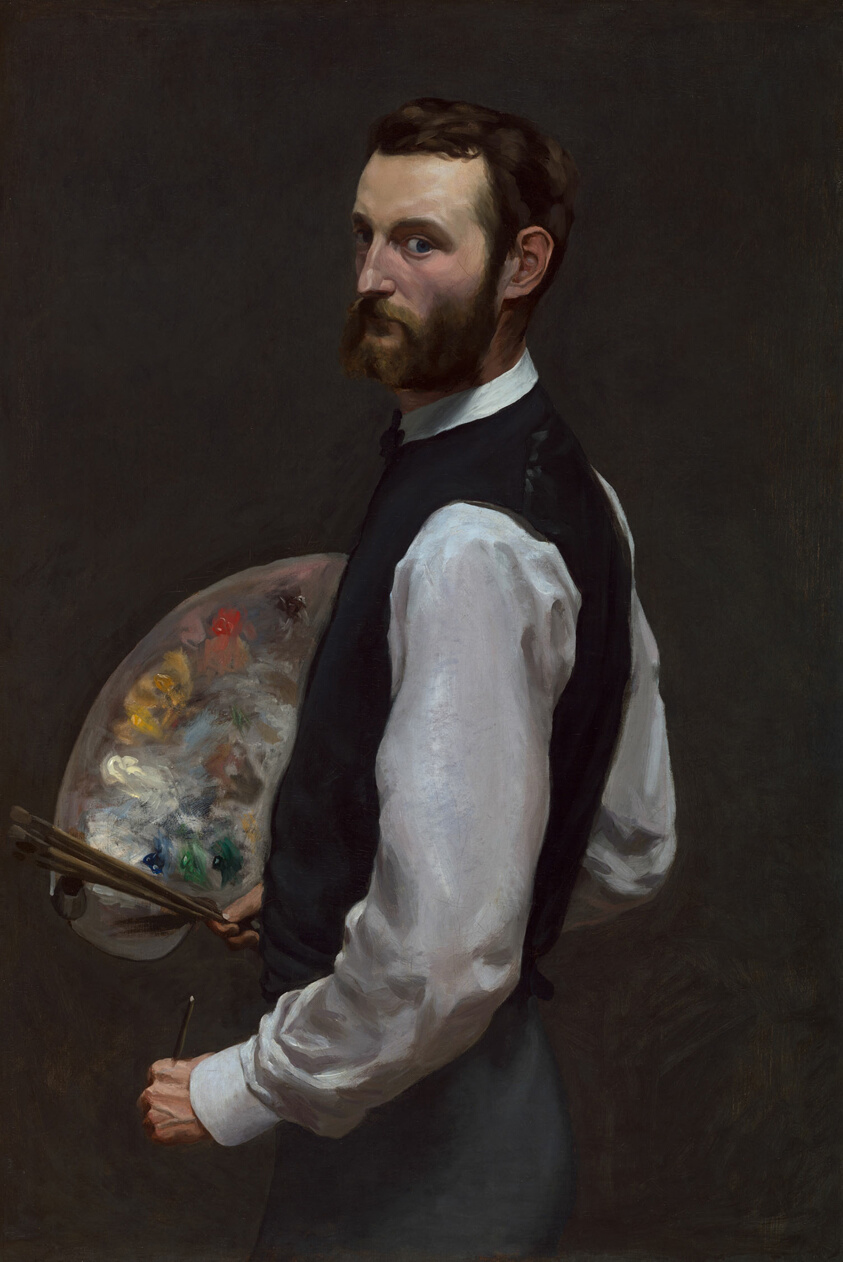
Frédéric Bazille, Autoportrait, 1865-66, oil on canvas
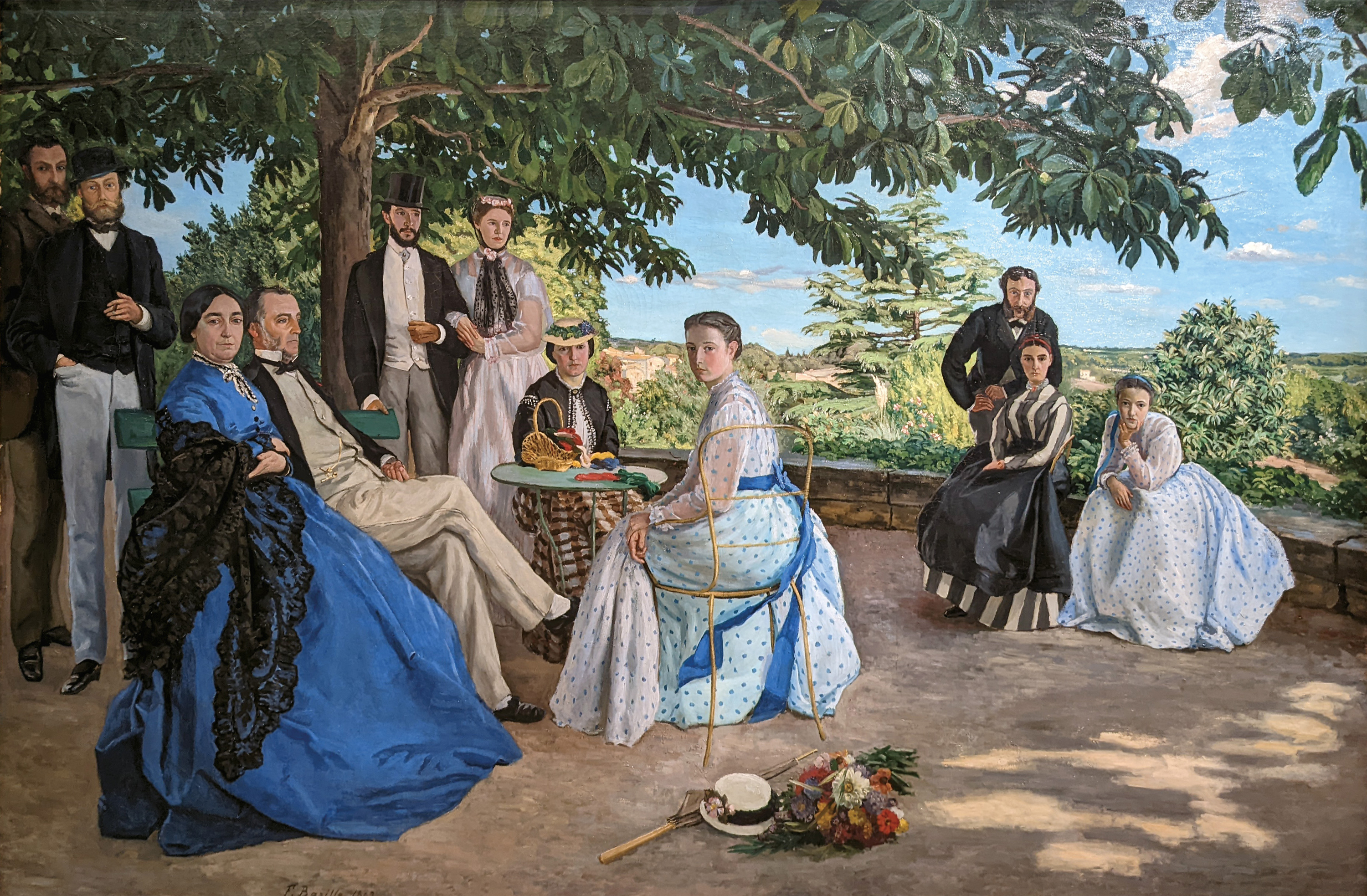
Frédéric Bazille, Réunion de famille, 1867, oil on canvas
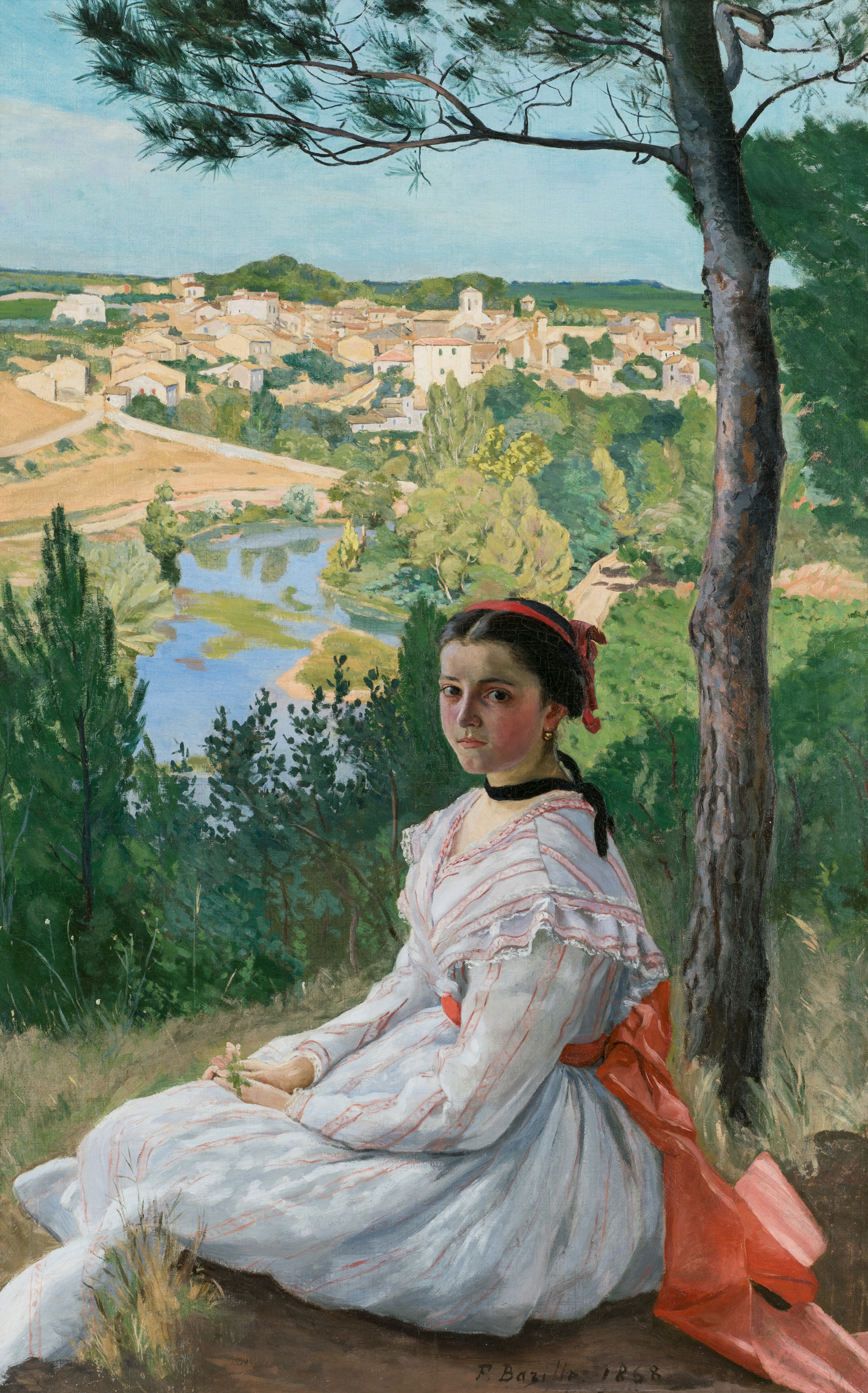
Frédéric Bazille, Vue de village, 1868, oil on canvas
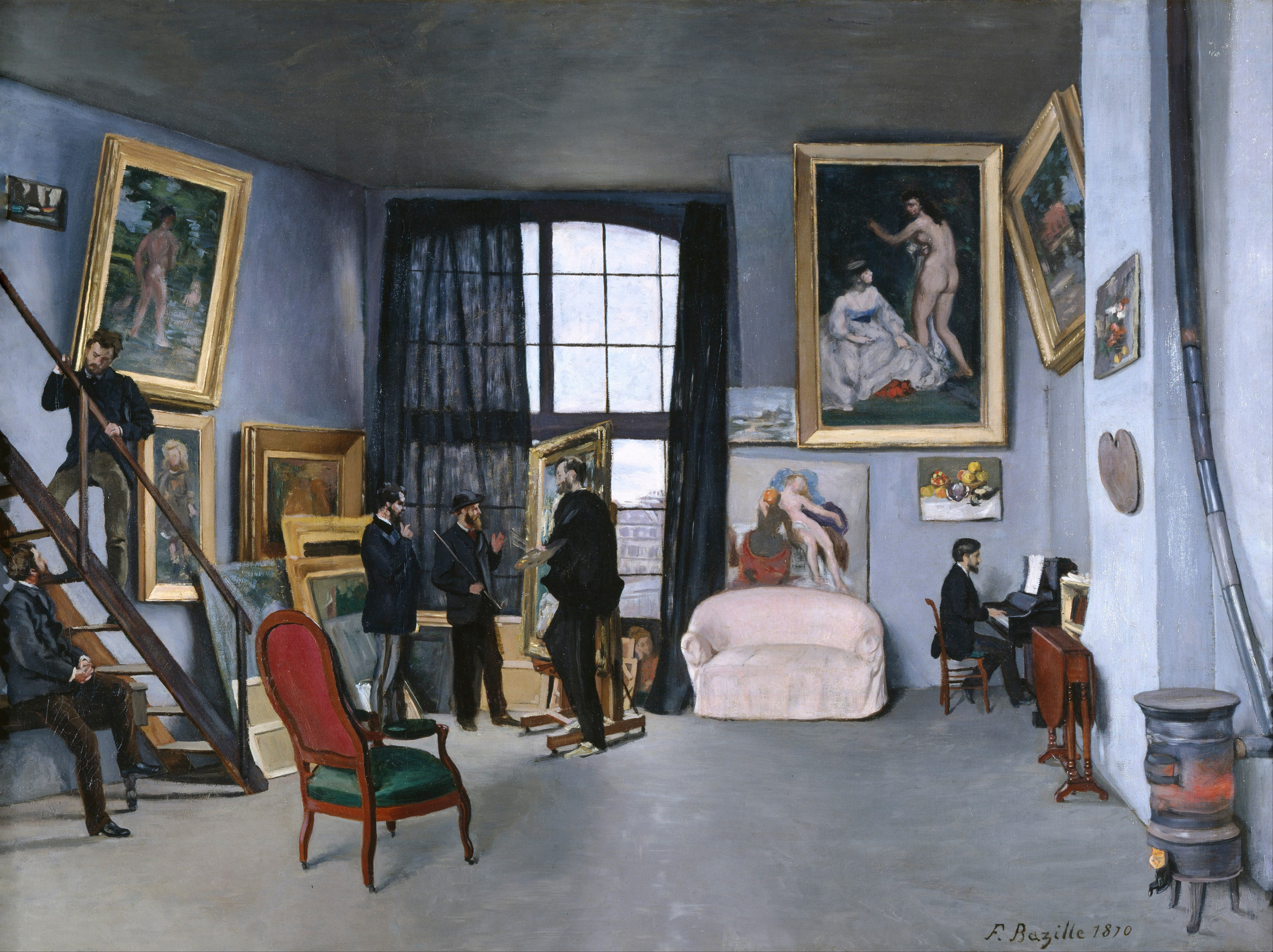
Frédéric Bazille, l'Atelier de Bazille, 1870, oil on canvas
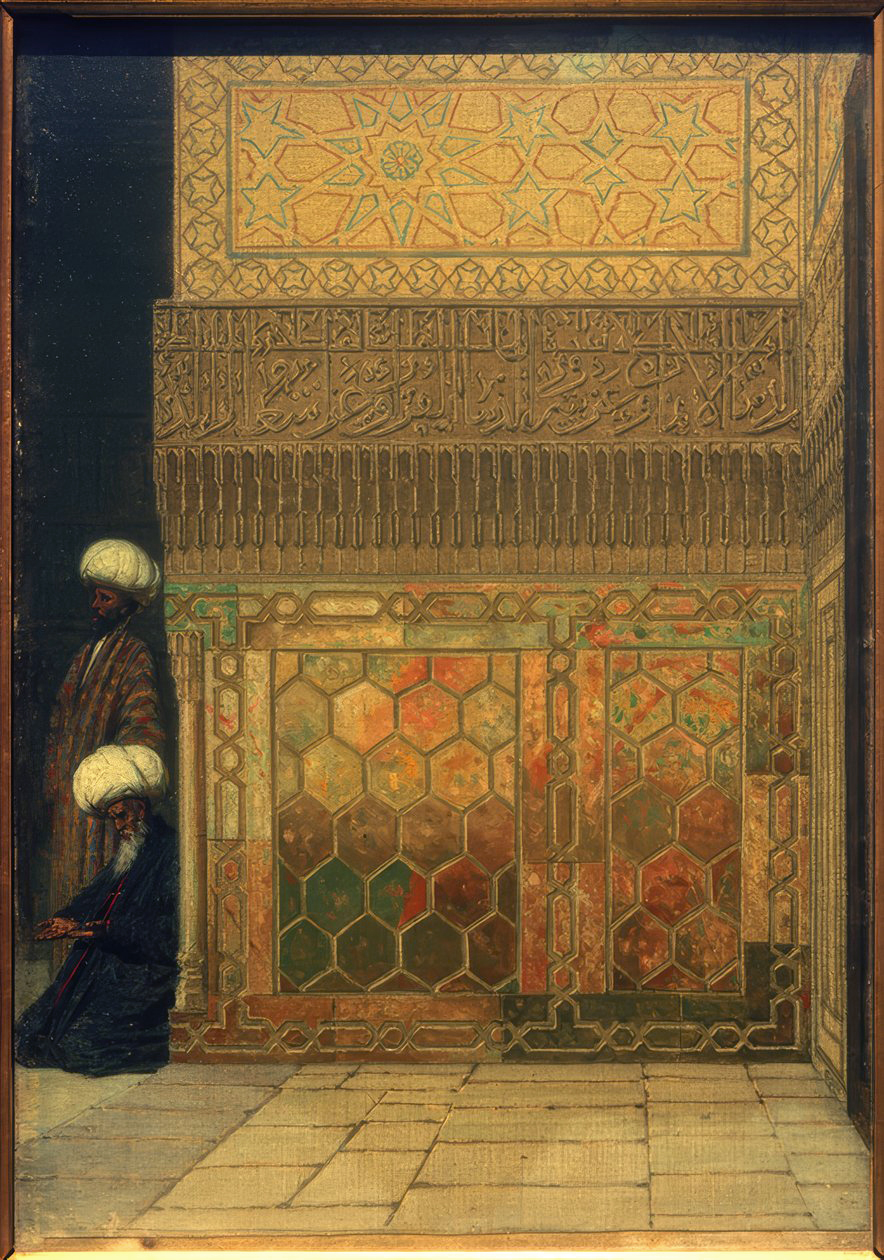
Vasily Vereshchagin, Corner in the Gur-Emir mausoleum, 1869
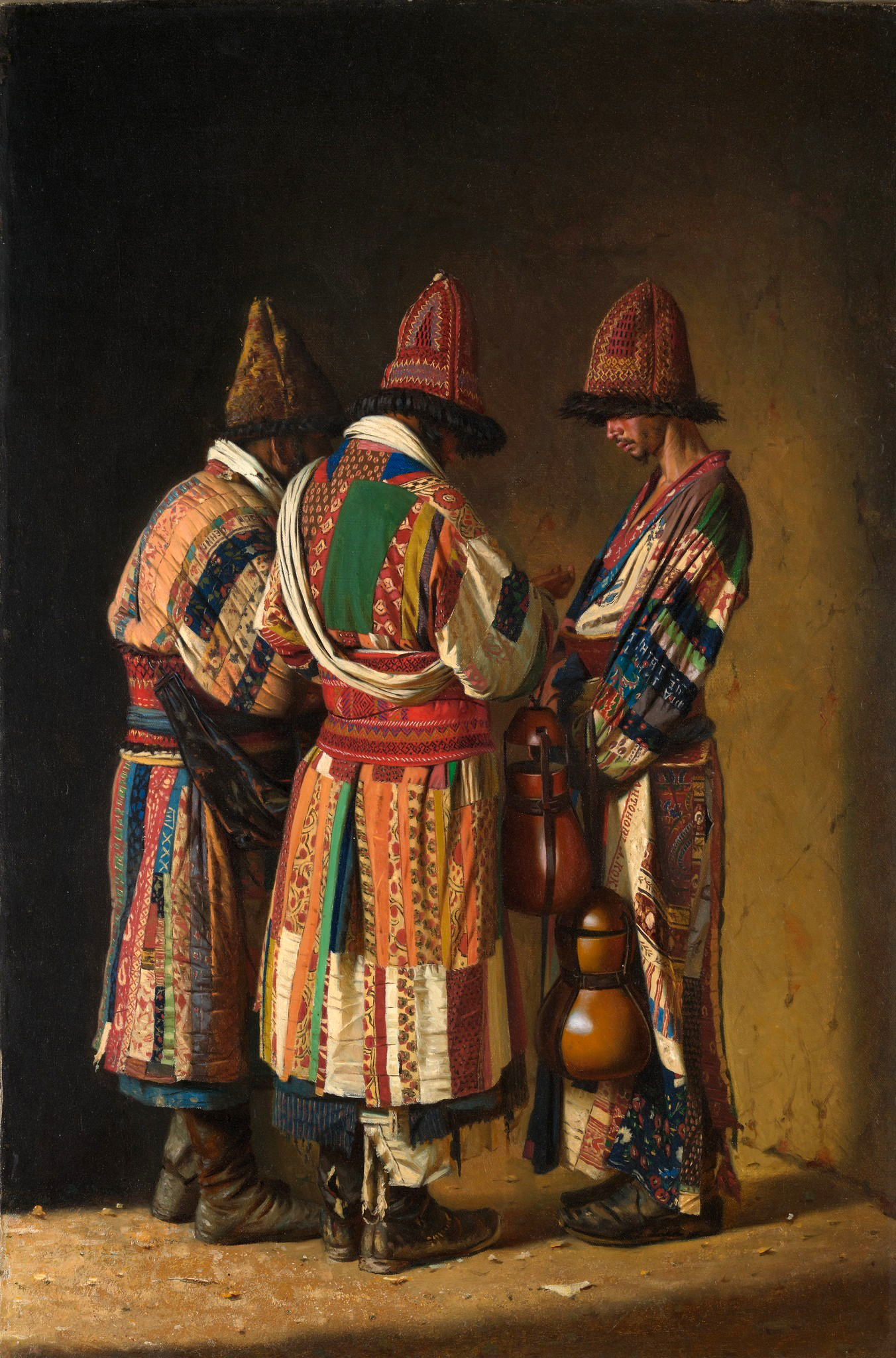
Vasily Vereshchagin, Dervishes in festive attire, 1869-70, oil on canvas
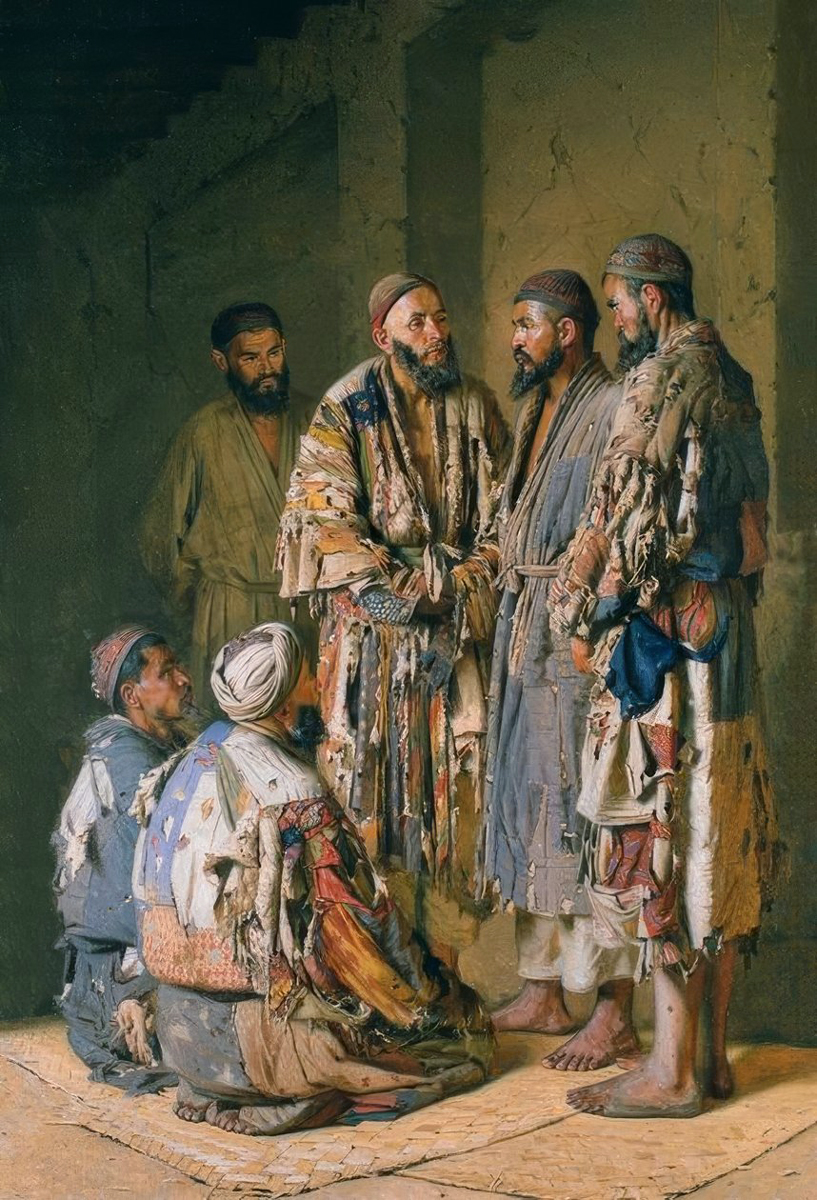
Vasily Vereshchagin, Political discussion in the opium den, 1870
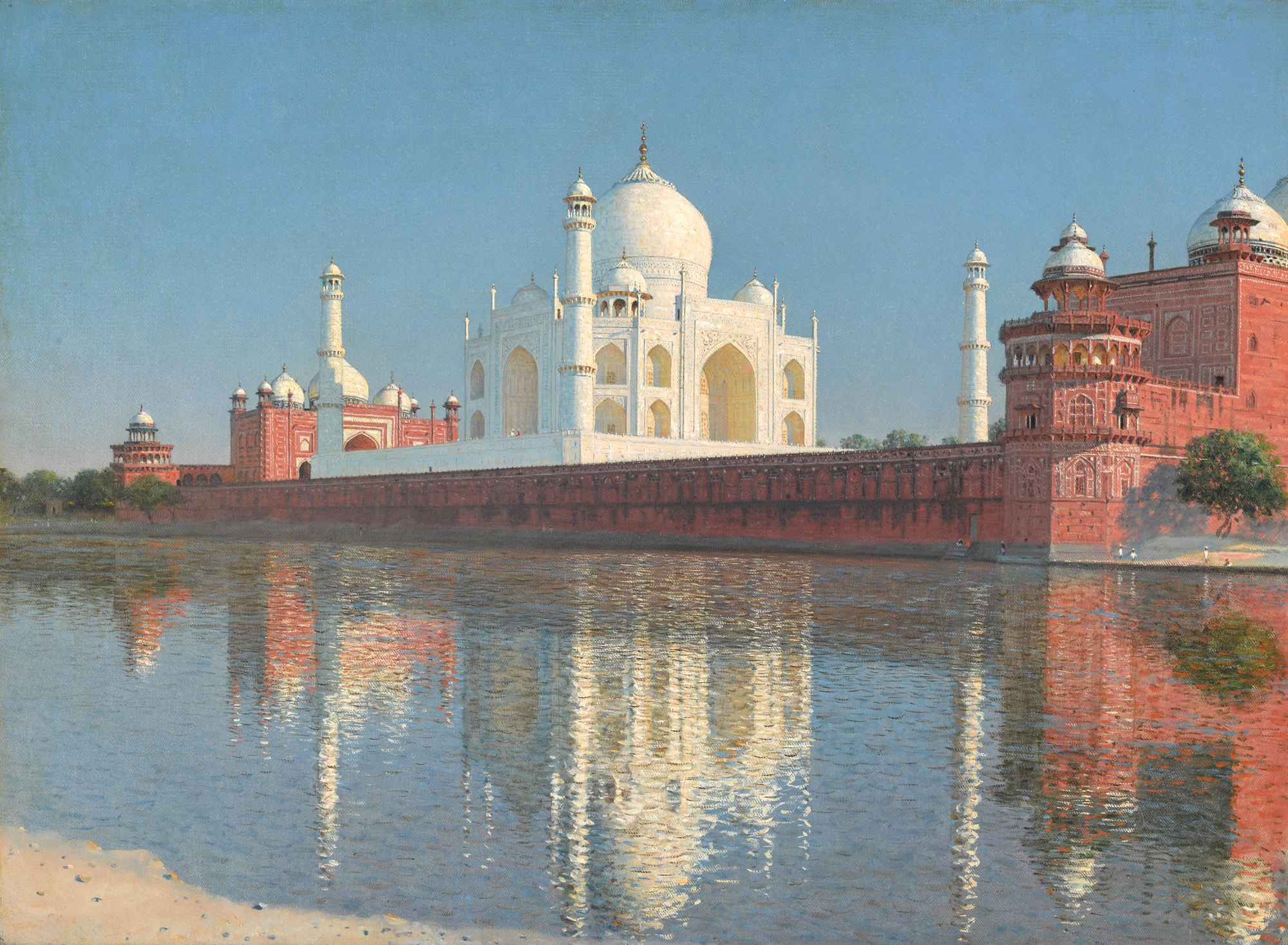
Vasily Vereshchagin, Taj Mahal mausoleum, agra, 1874-76, oil on canvas
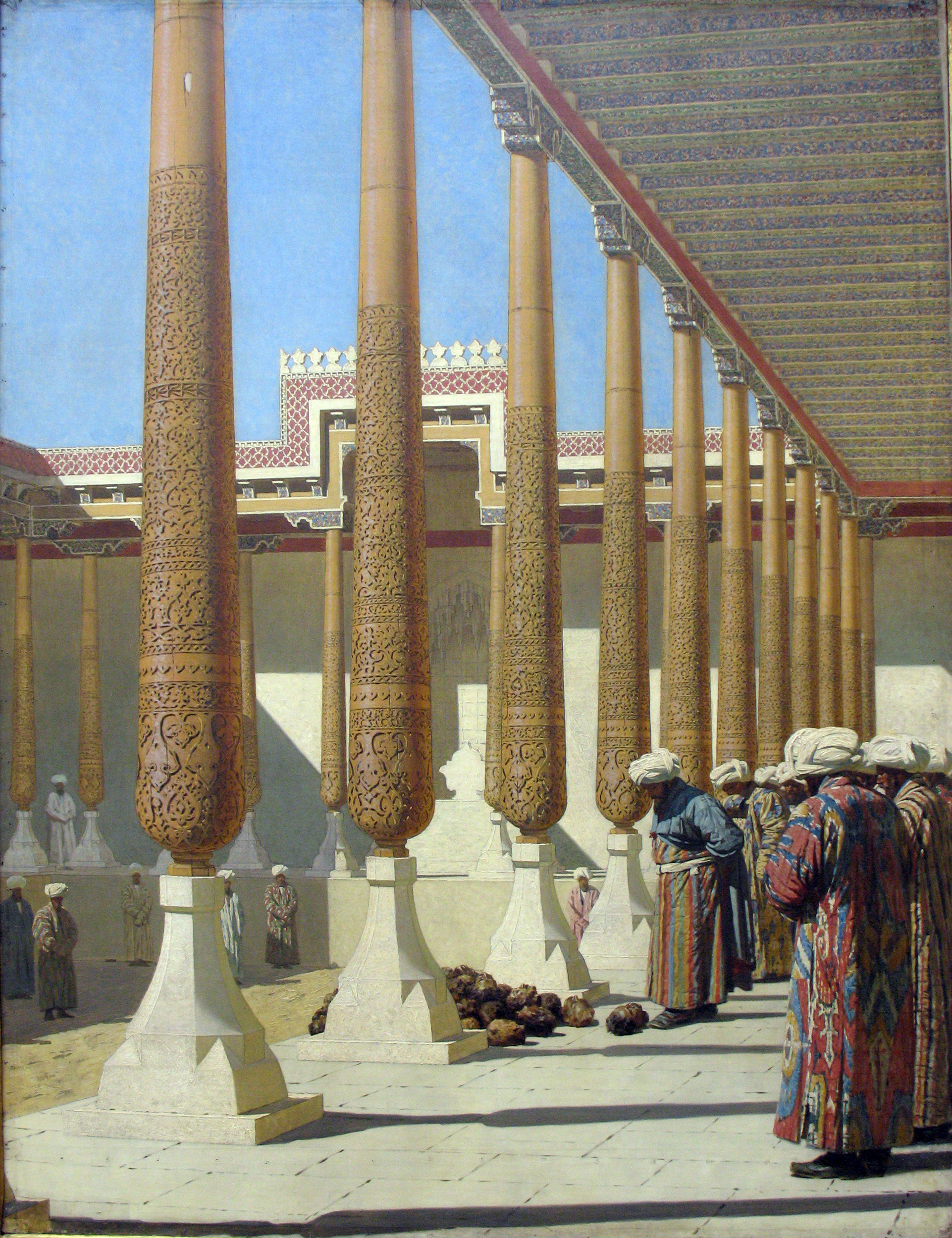
Vasily Vereshchagin, Presentation on the trophies, 1872, oil on canvas
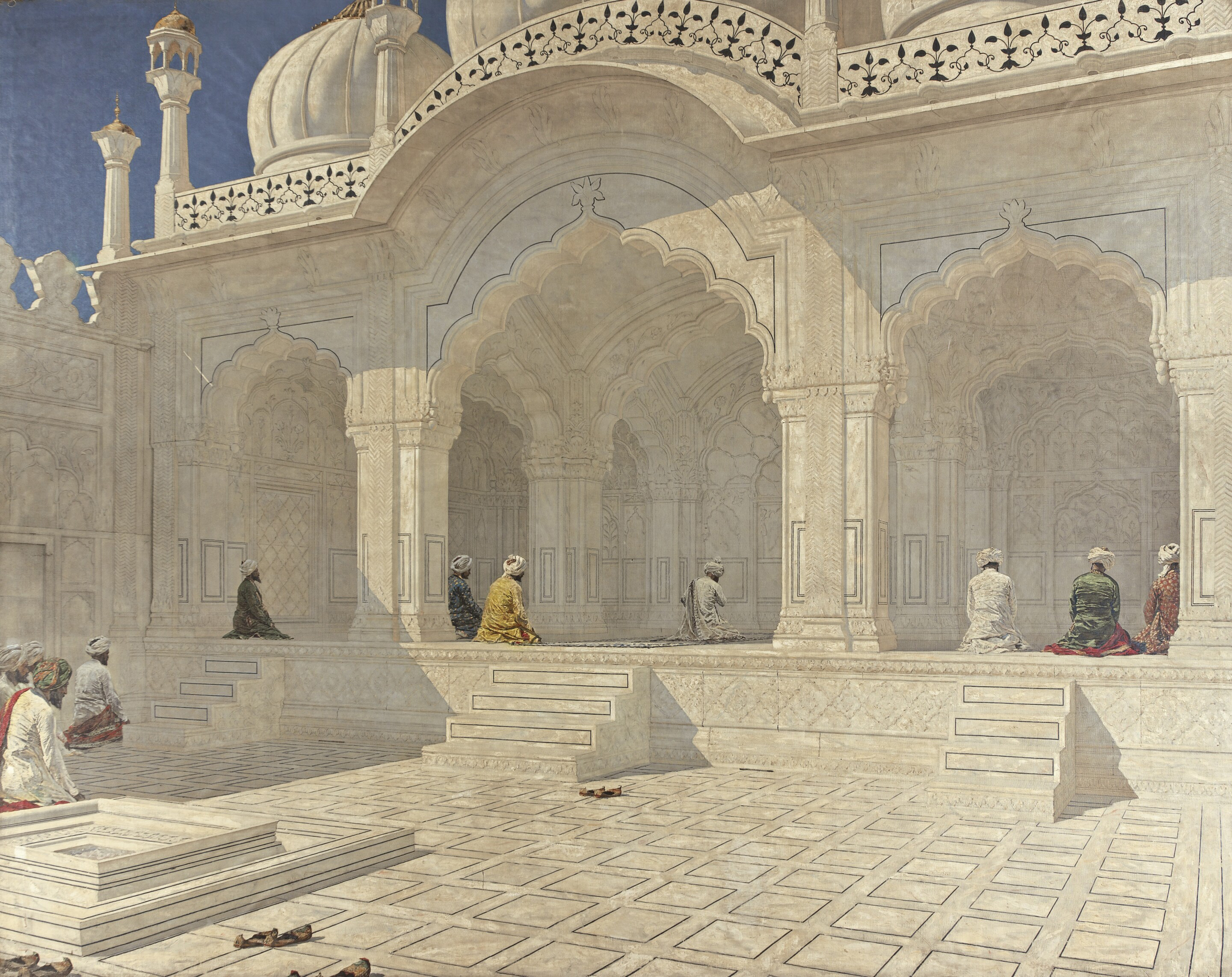
Vasily Vereshchagin, Pearl mosque at Dehli, 1876-79, oil on canvas
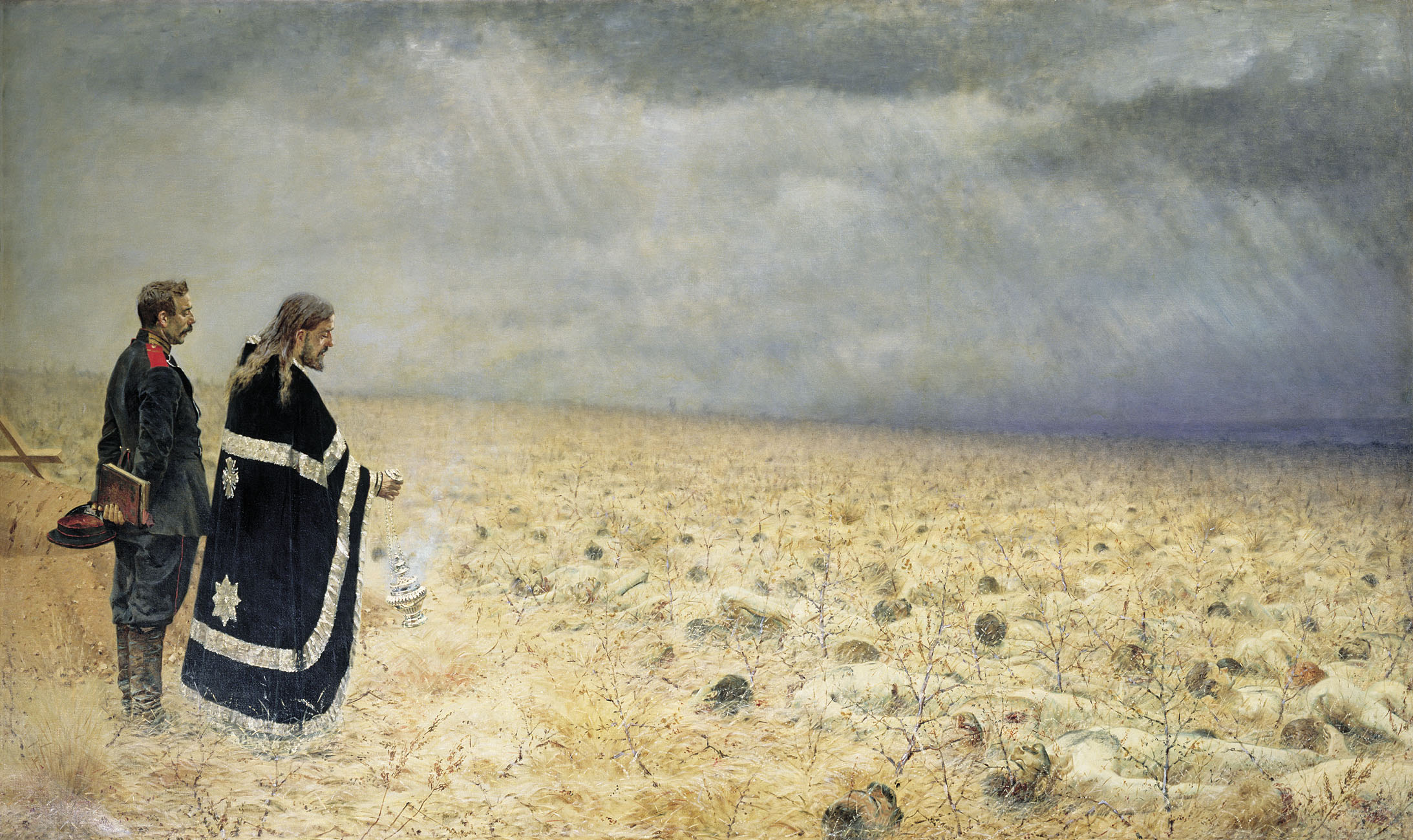
Vasily Vereshchagin, Defeated, requiem, 1878-79
Vasily Vereshchagin, Shipka pass, oil on canvas
Vasily Vereshchagin, View of the river Chusovaya, 1890 exhibition, oil on canvas
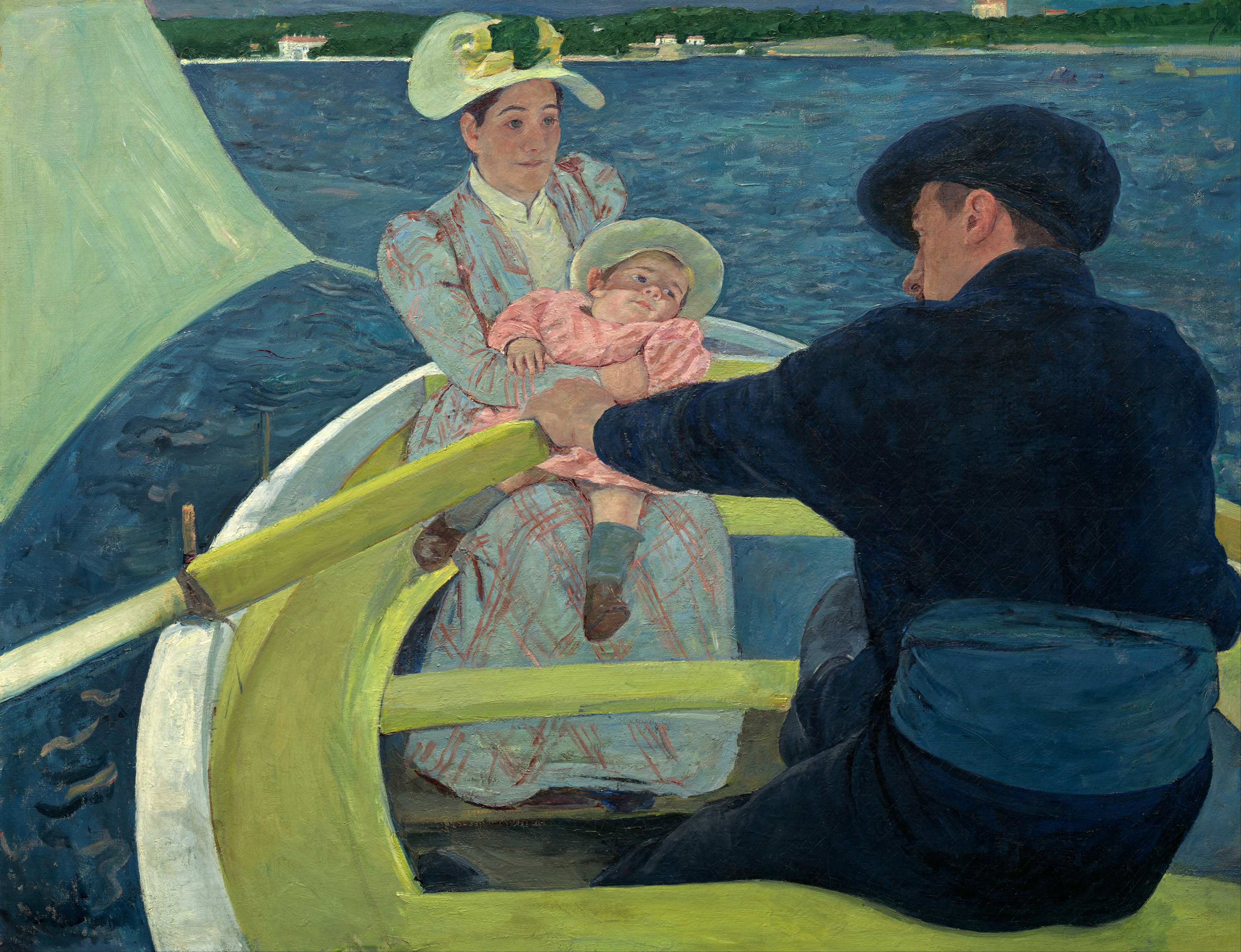
Mary Cassatt, The boating party, 1893-94, oil on canvas
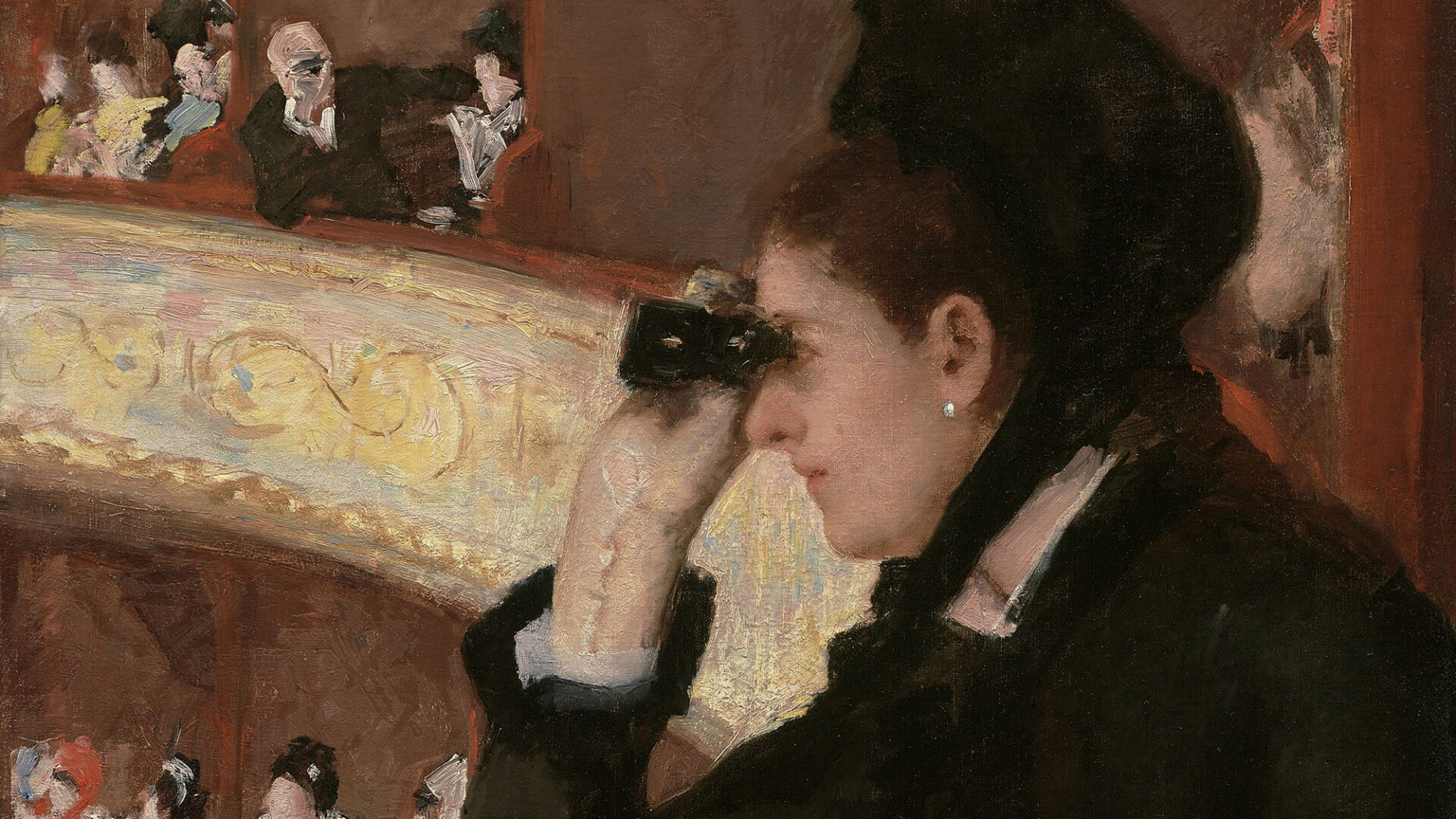
Mary Cassatt, In the lodge, oil on canvas
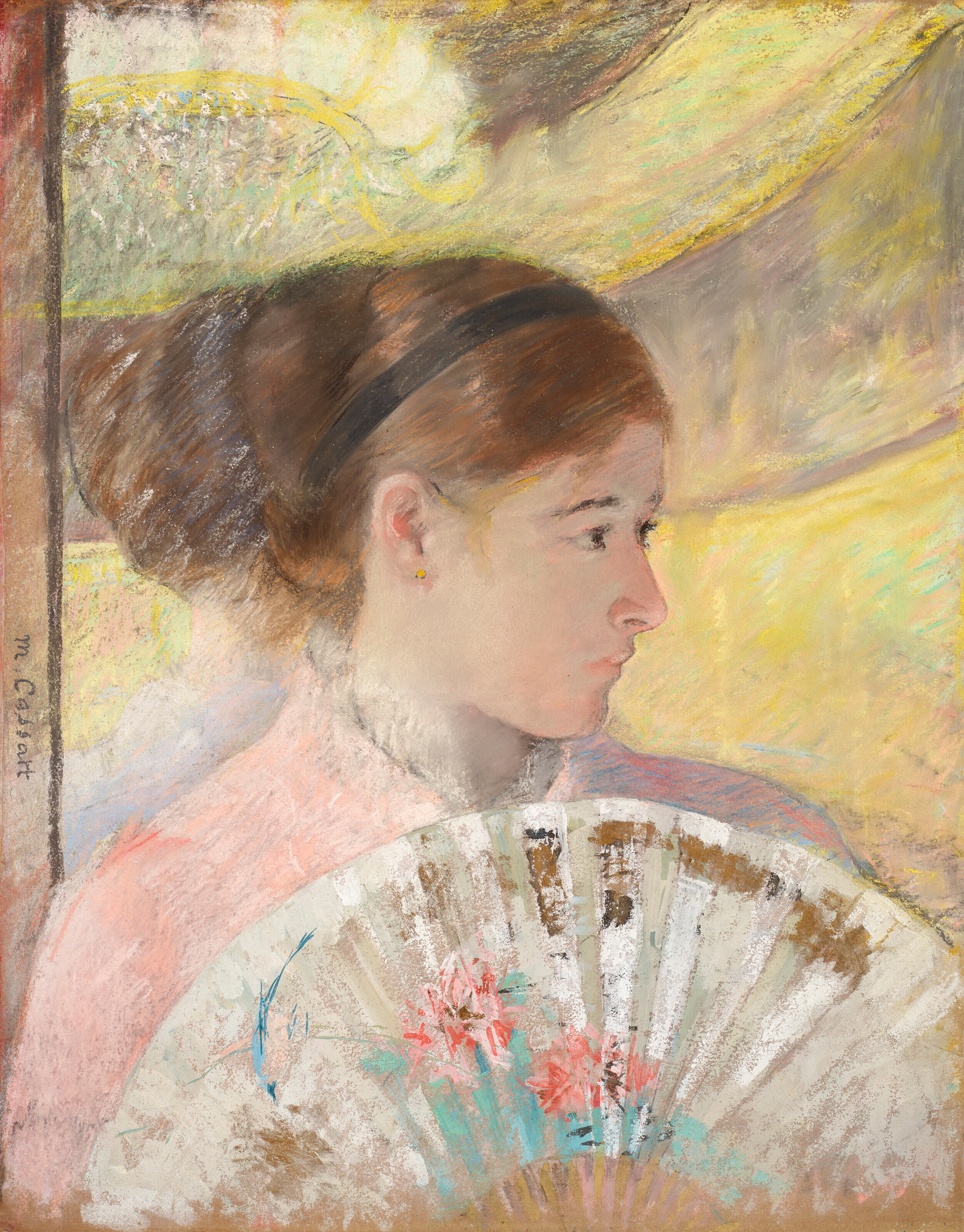
Mary Cassatt, Young lady in a loge gazing to right, ca1878-79, pastel, gouache, watercolour& charcoal with metallic paint on paper
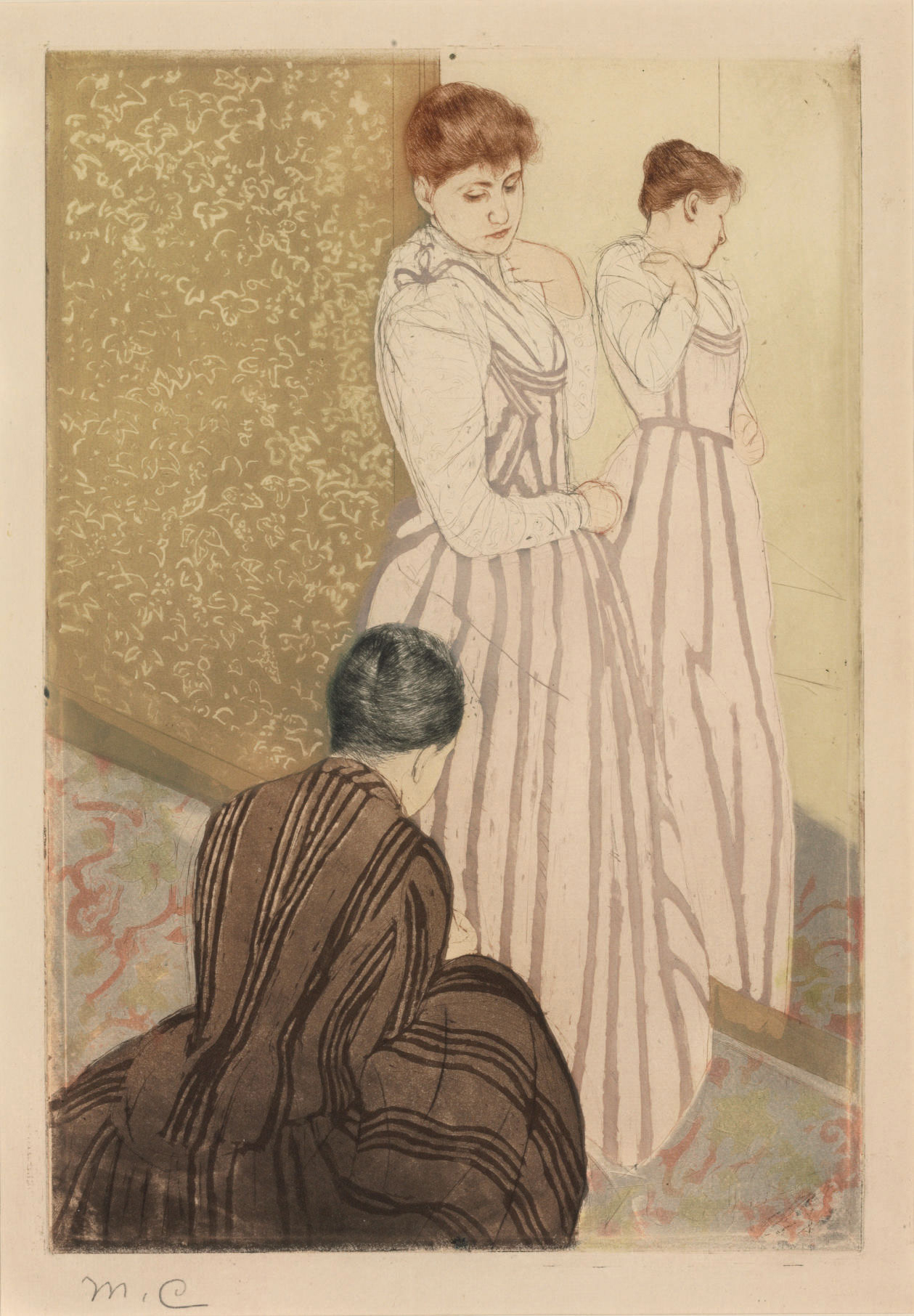
Mary Cassatt, The fitting, ca1891, drypoint with etching & aquatint in colors, inked à la poupée, on paper
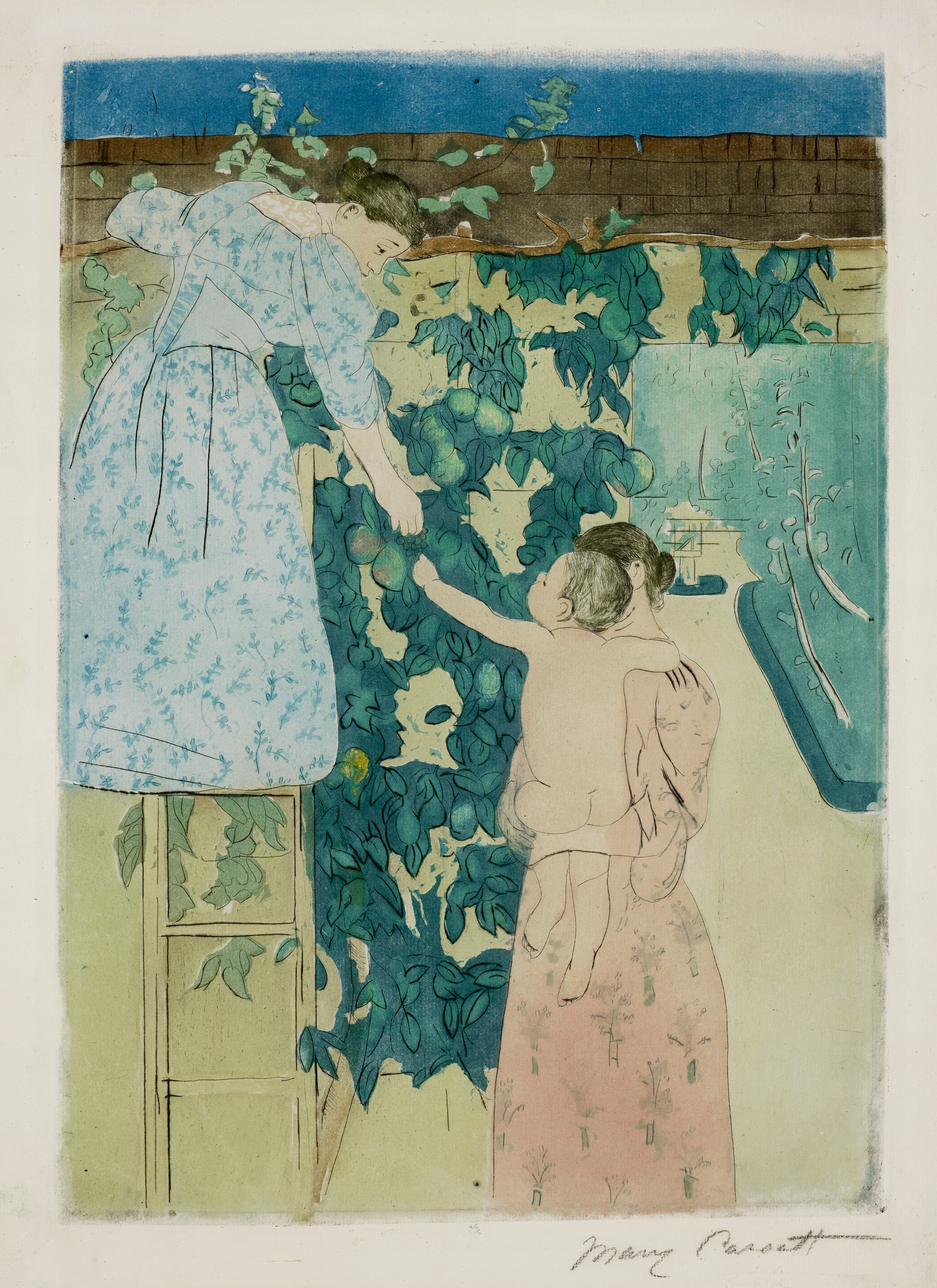
Mary Cassatt, Gathering fruit, ca1893, drypoint, etching & aquatint in colors on paper
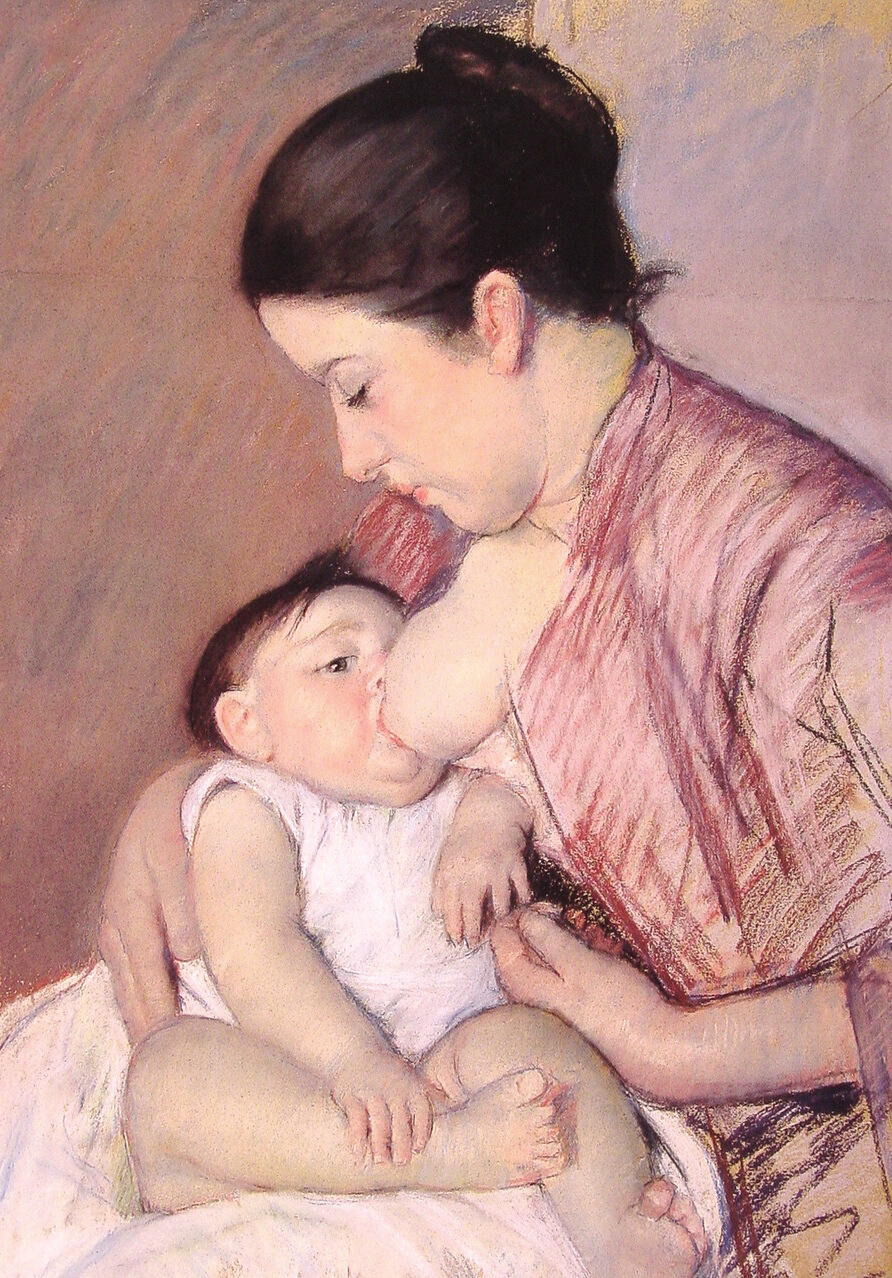
Mary Cassatt, Maternité, 1890, pastel on paper
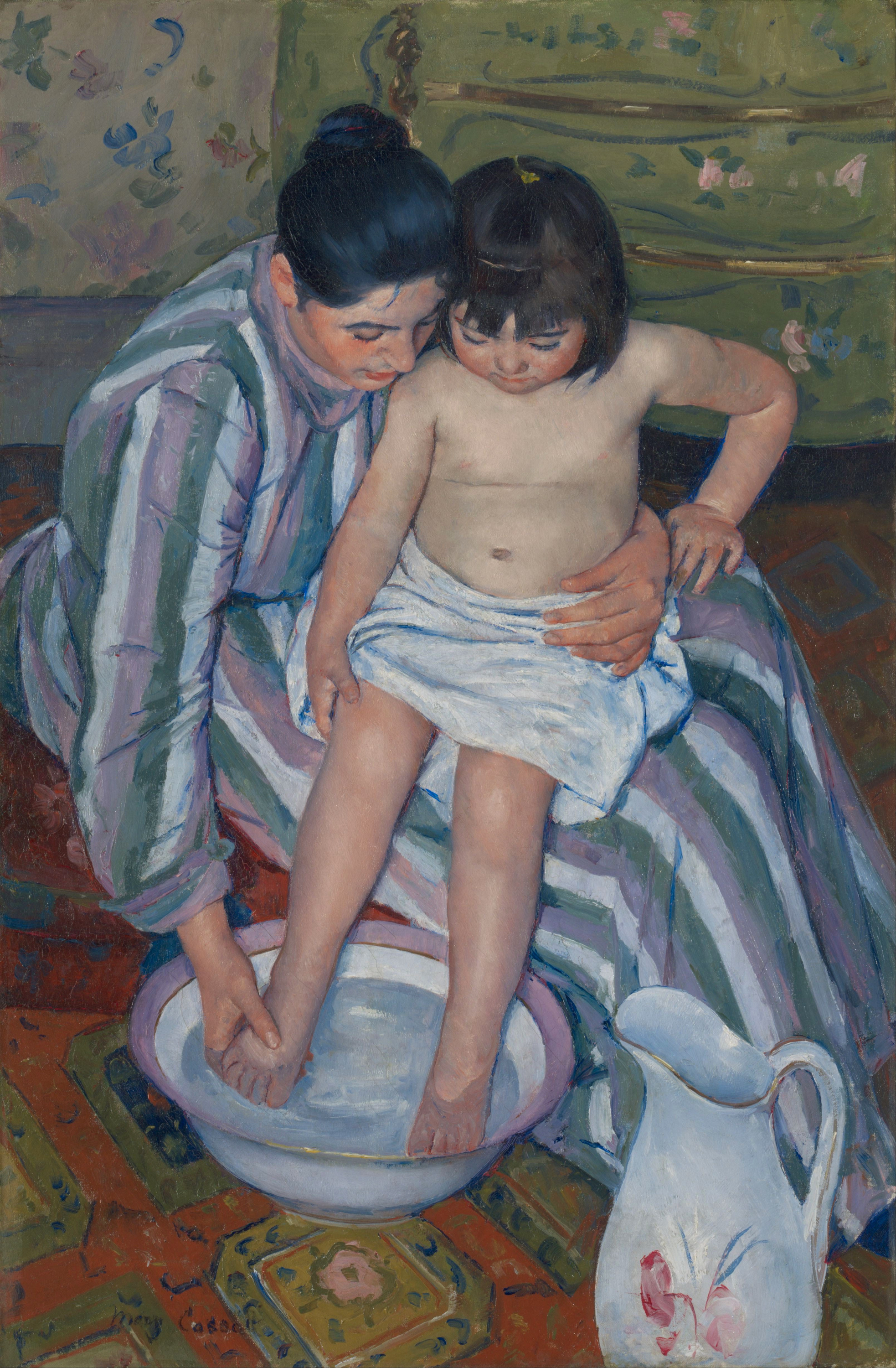
Mary Cassatt, The child's bath, 1893, oil on canvas
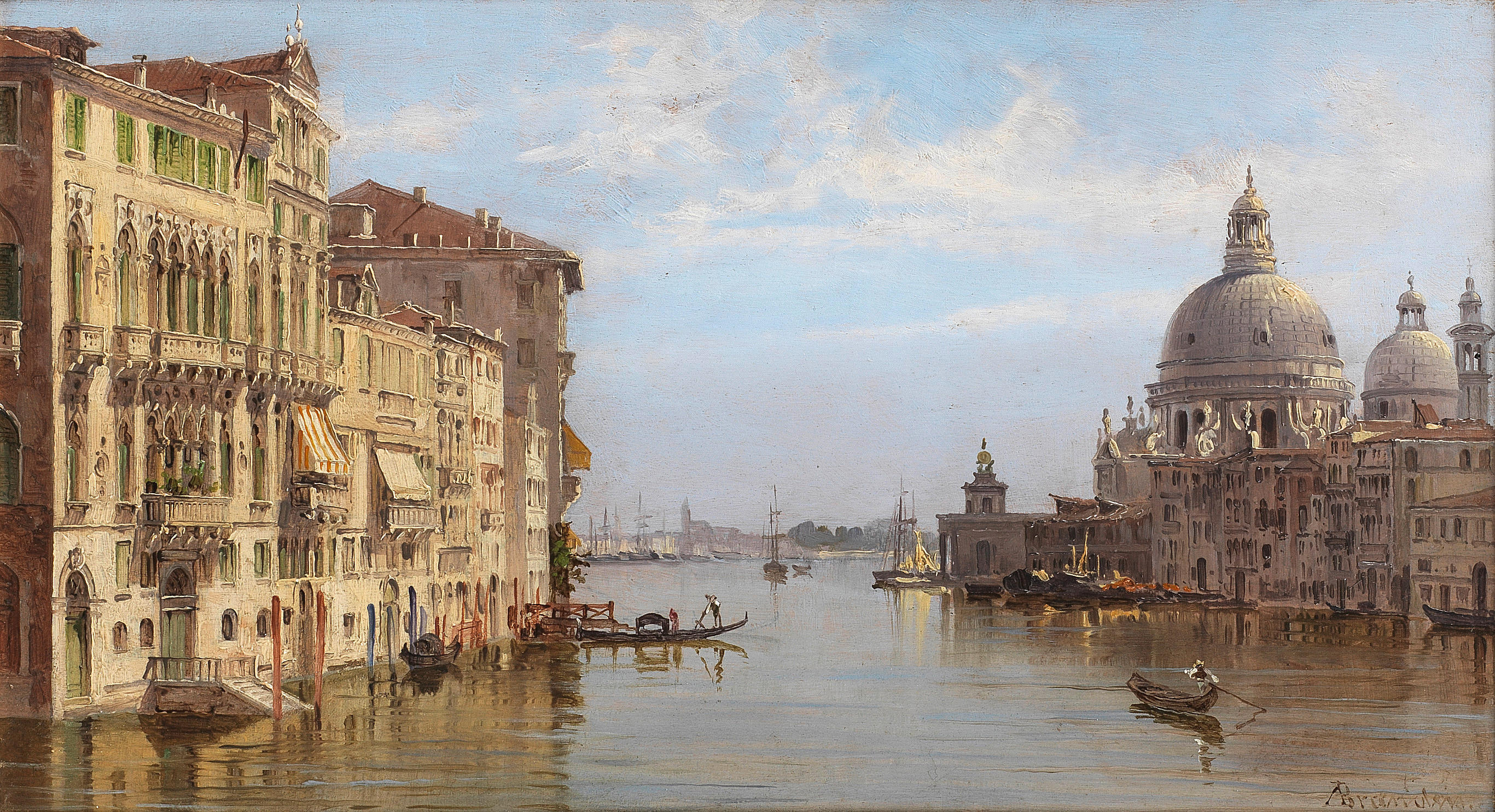
Antonietta Brandeis, The Grand Cana, with Santa Maria della Soluteand the dogana, oil on panel
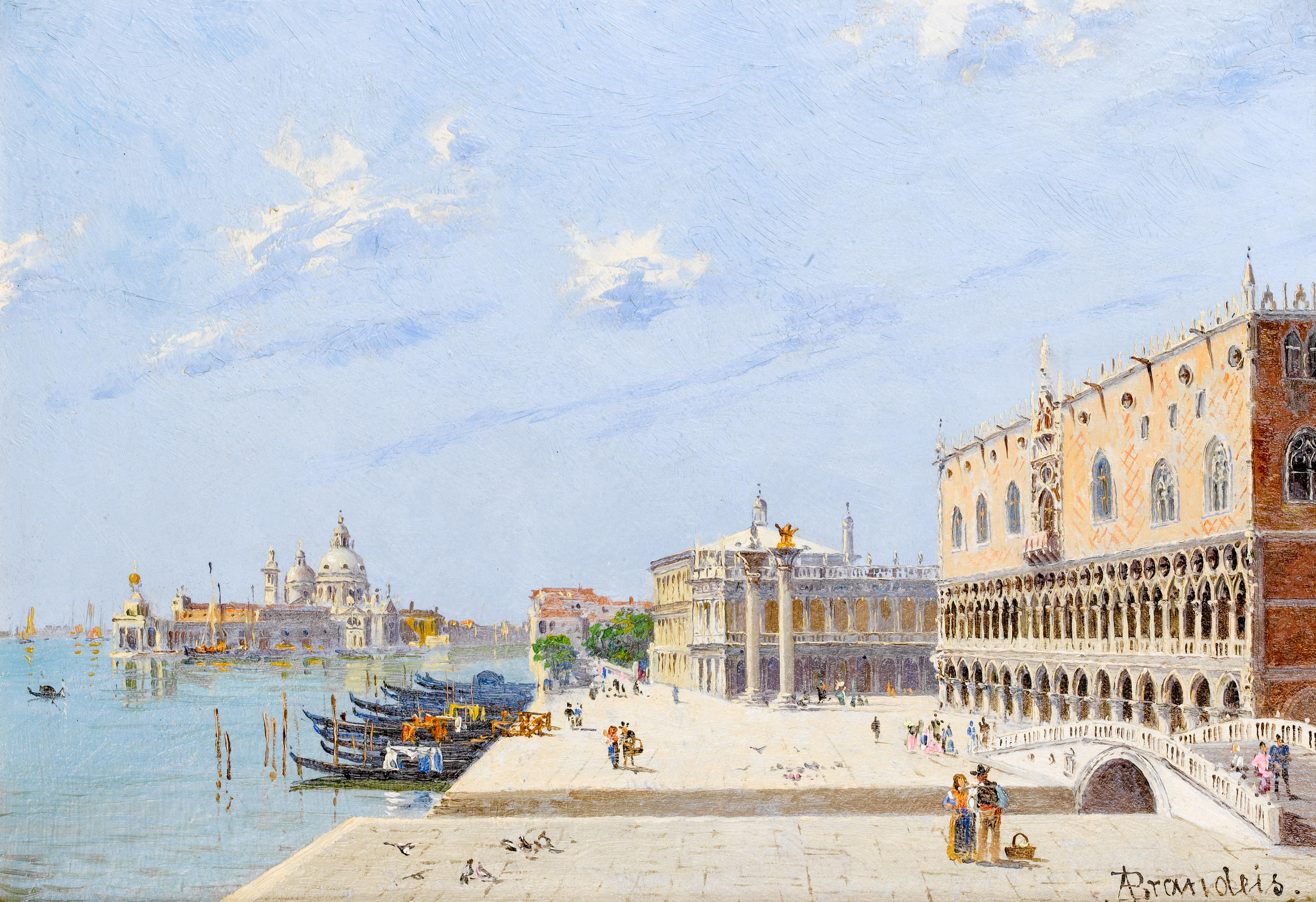
Antonietta Brandeis, La Piazetta, Palazzo Ducale, Venezia, oil on panel
Antonietta Brandeis, On the Grand Canal, Venice, oil on canvas
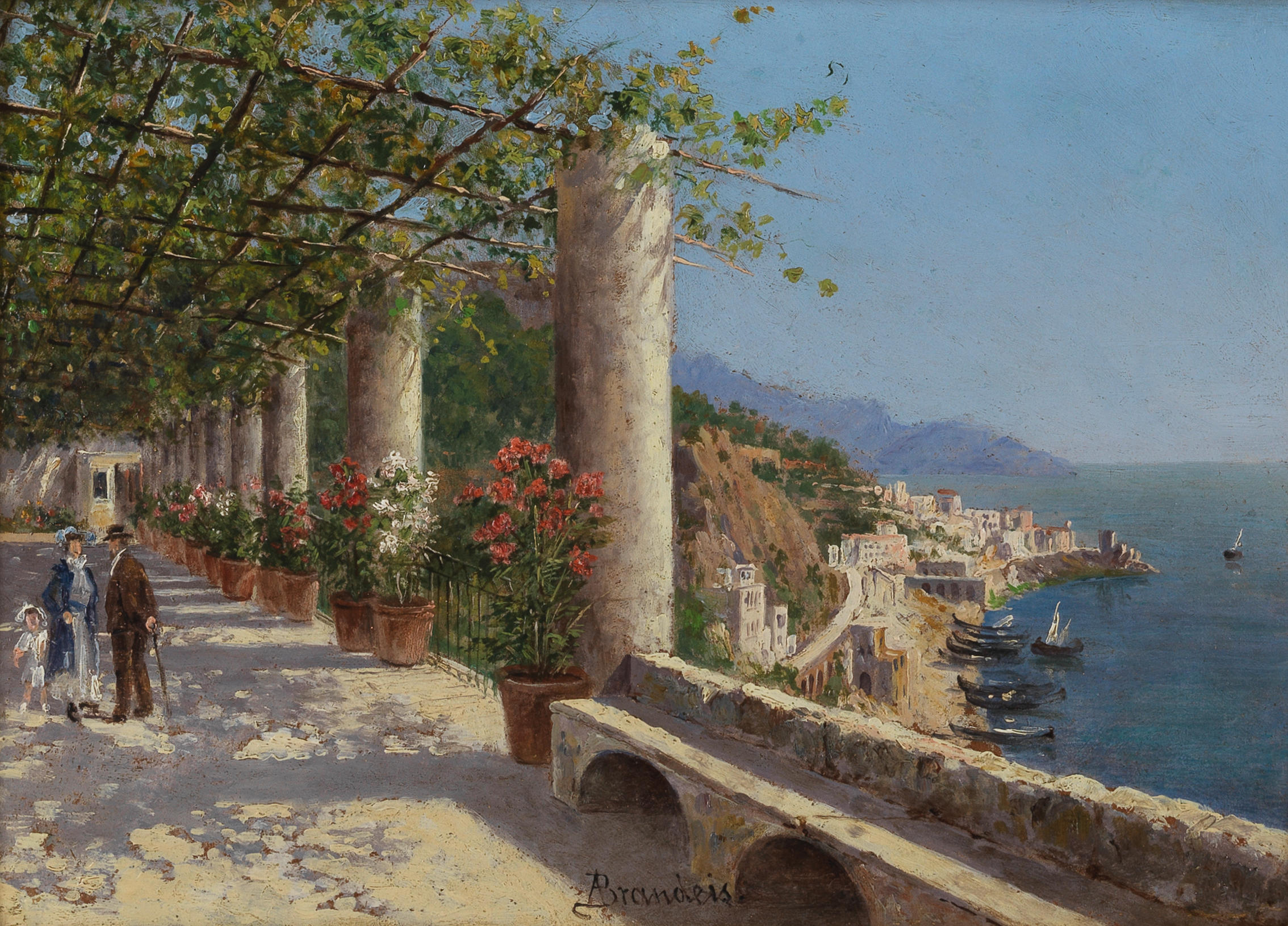
Antonietta Brandeis, On the terrace dei Cappucini, Amalfi, oil on board
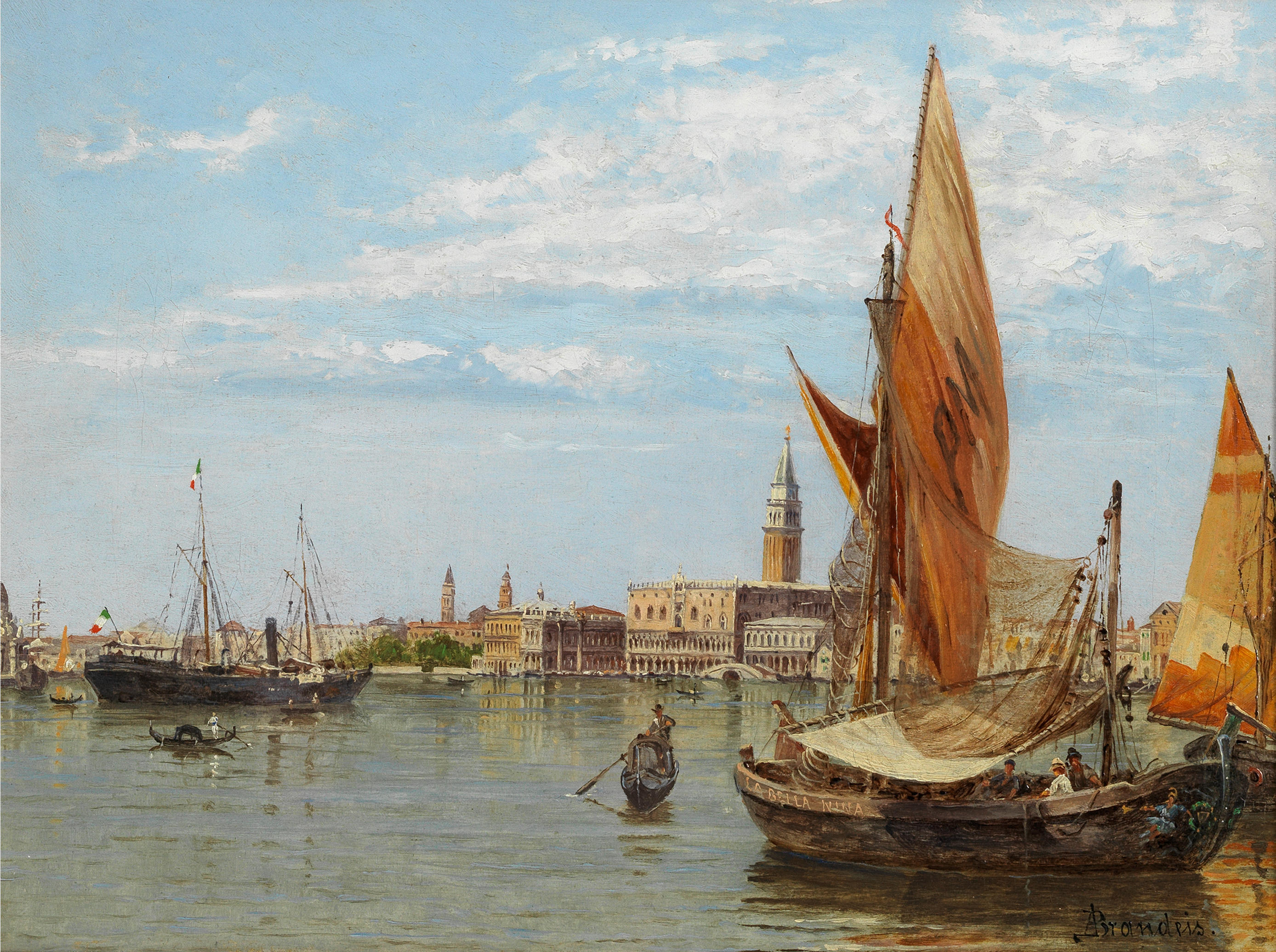
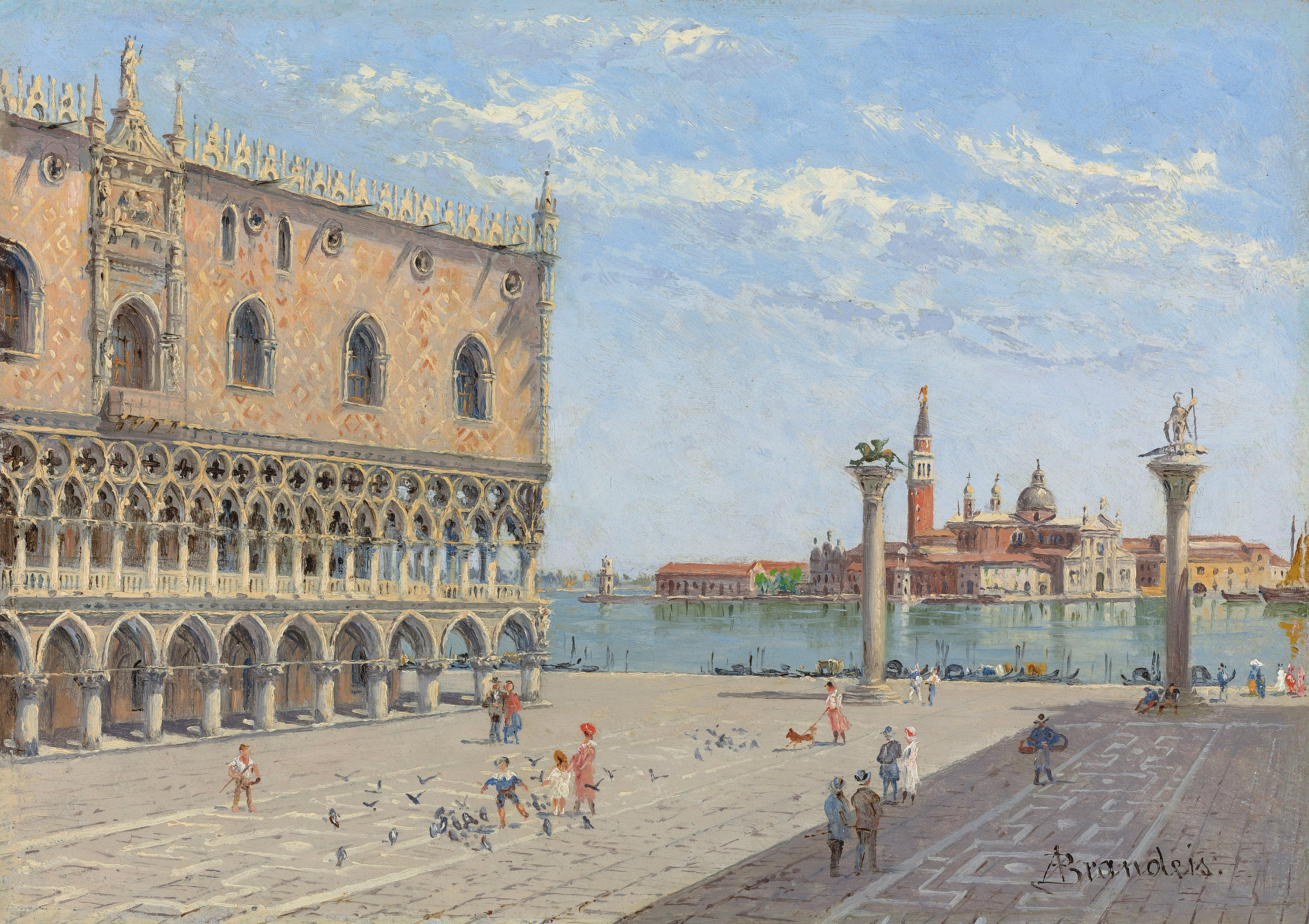
Antonietta Brandeis, The Doge's palace, San Giorgio Maggiore beyond, Venice, oil on board
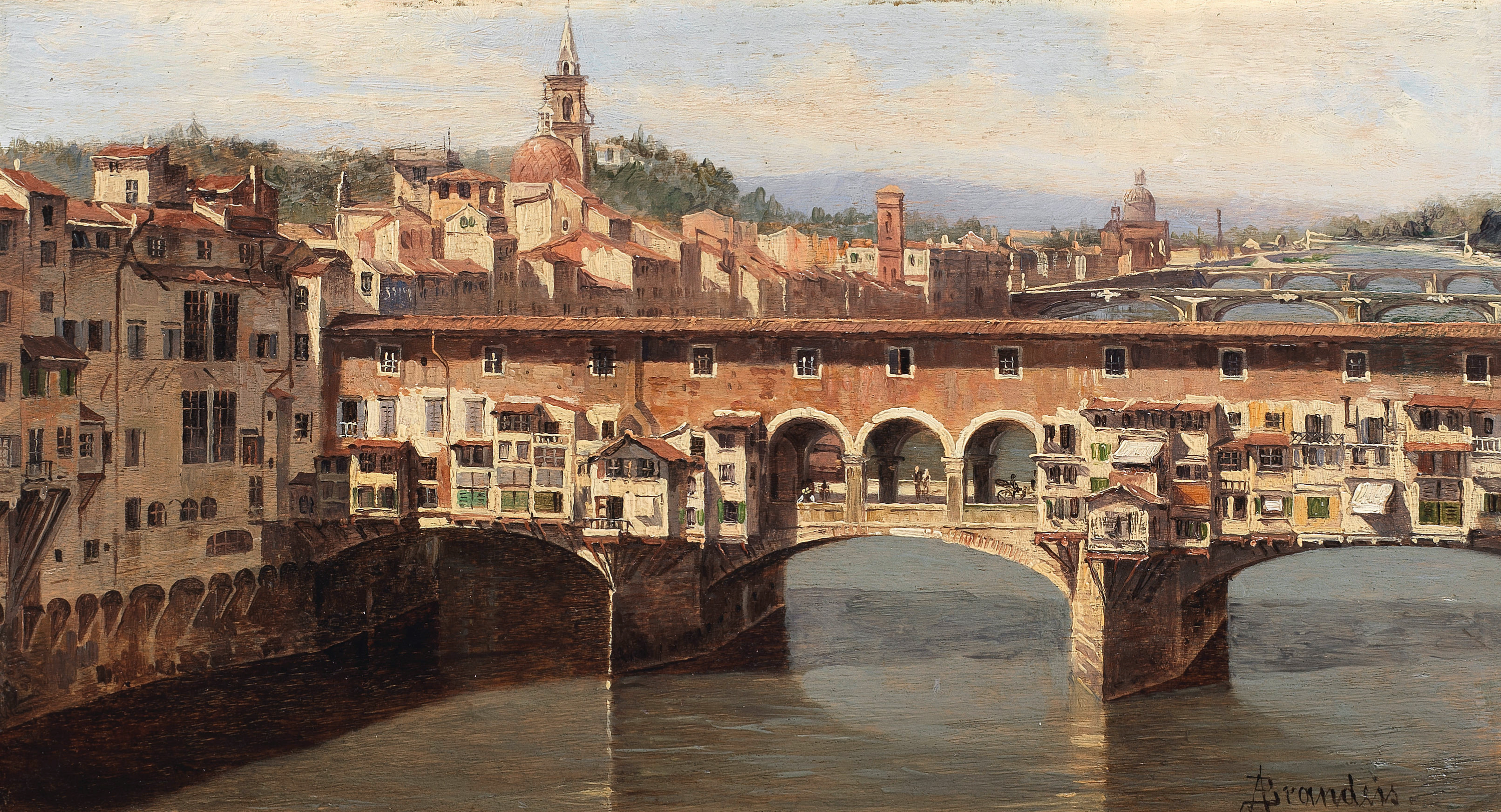
Antonietta Brandeis, Ponte Vecchio, oil on panel
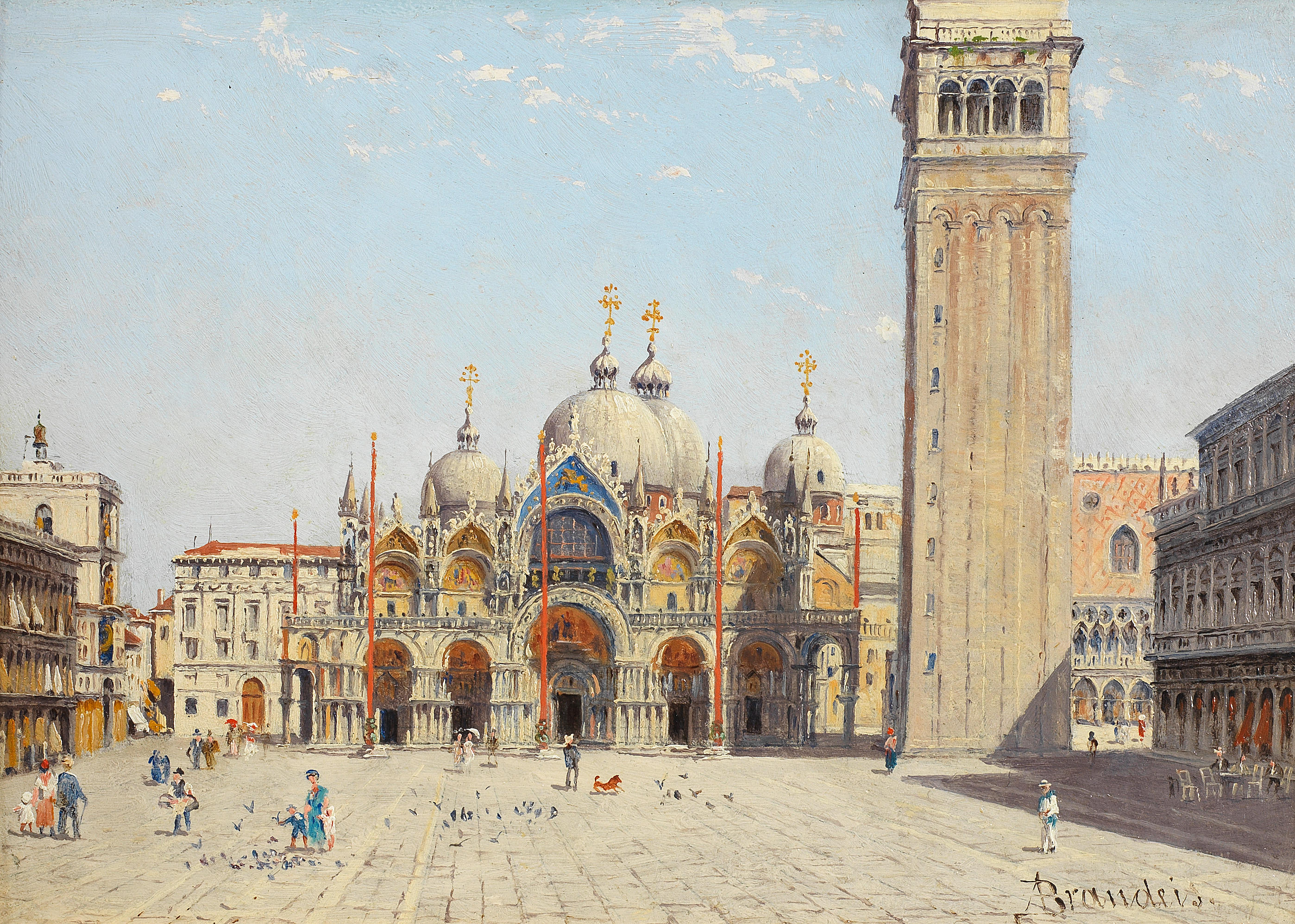
Antonietta Brandeis, The Campanille, Venice, oil on panel |
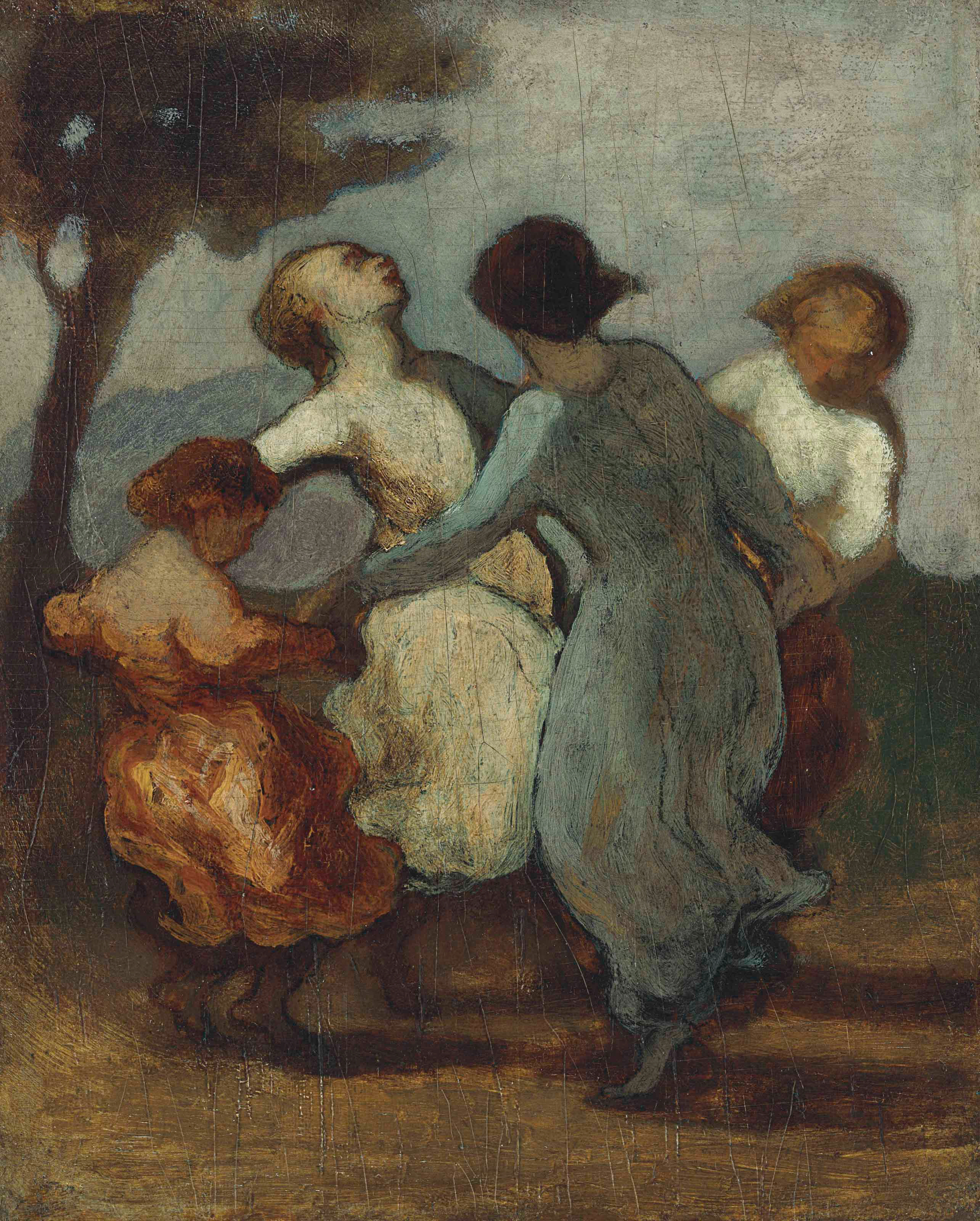
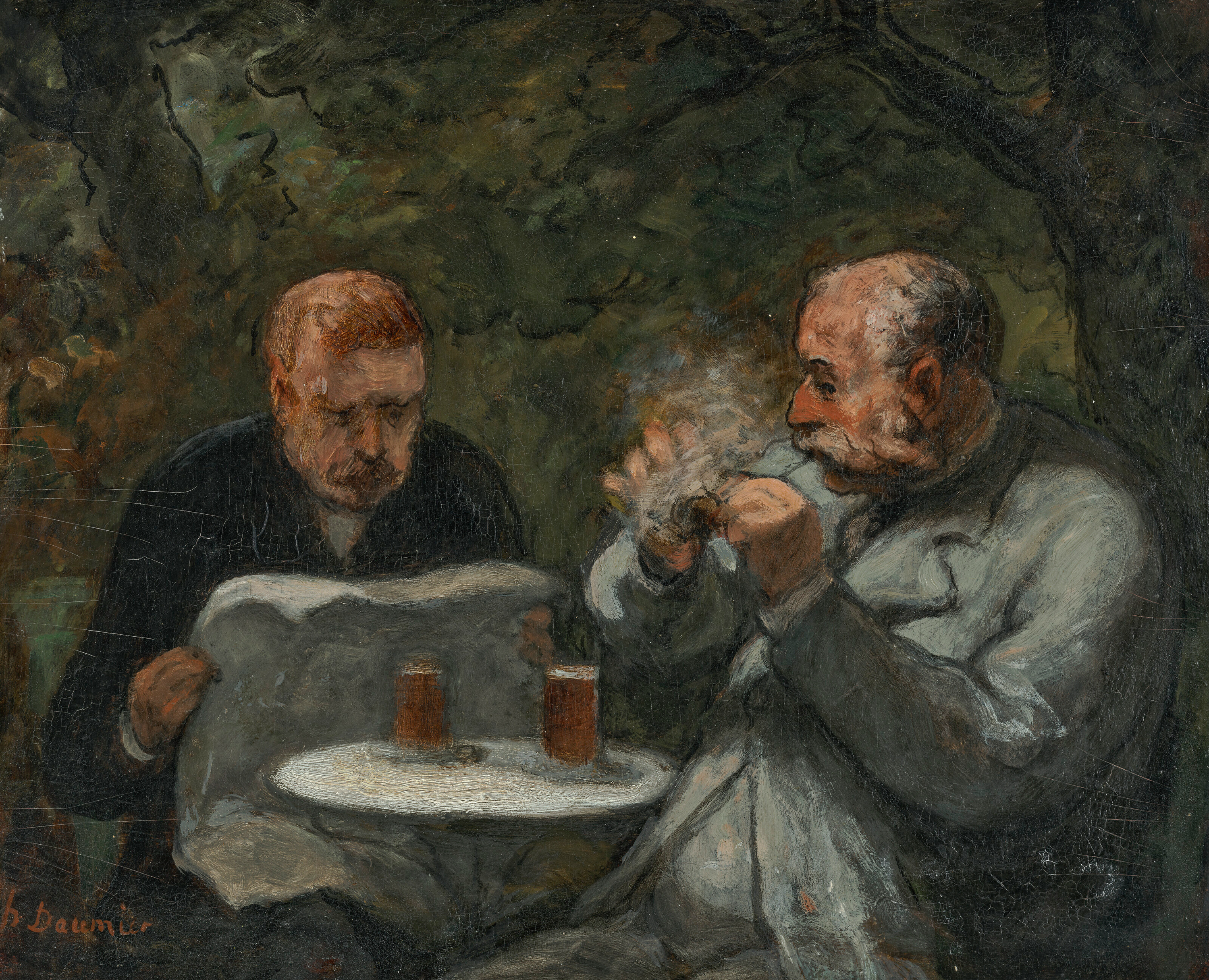
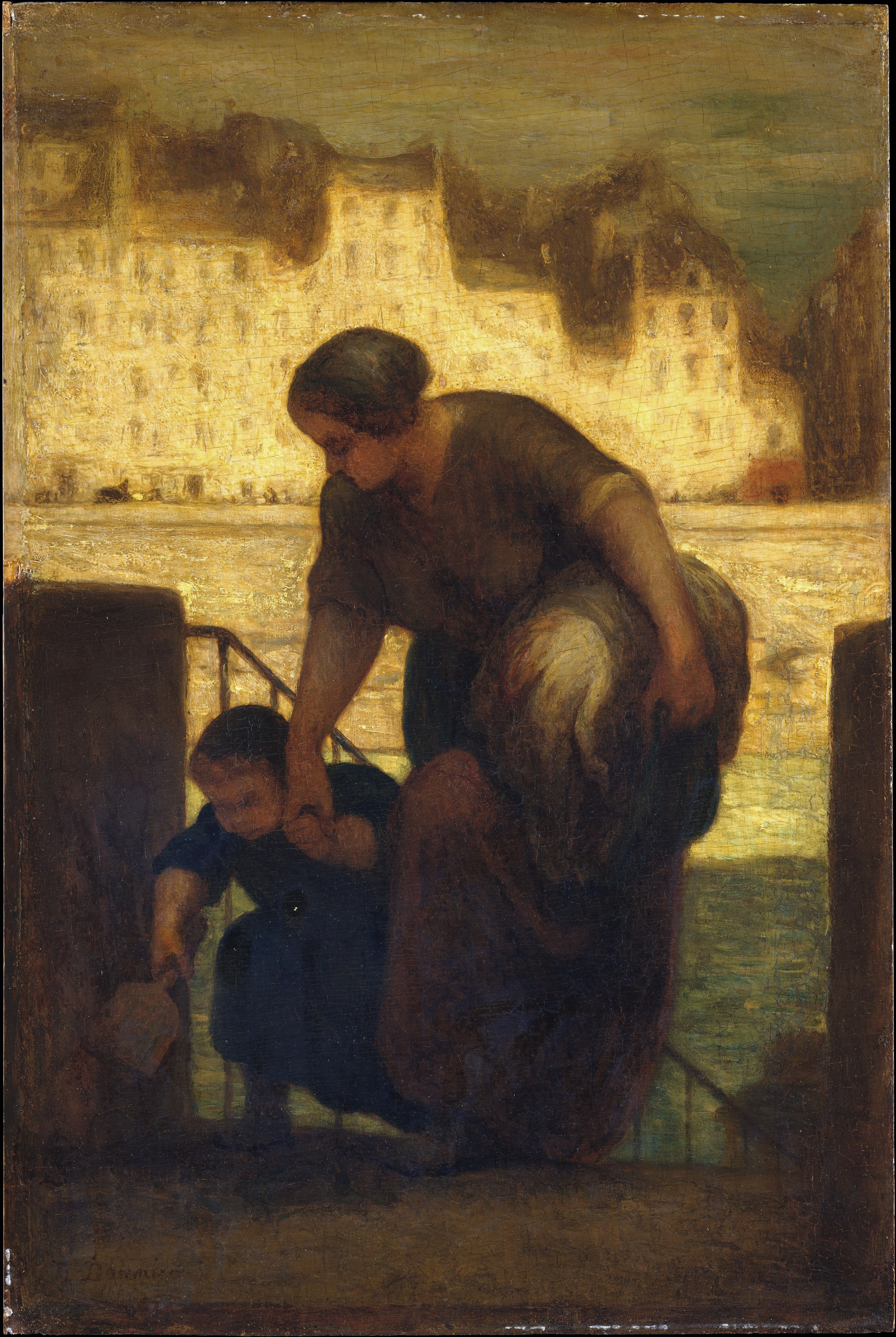





















Honoré Victorin Daumier (1808–1879) was a French painter, sculptor, and printmaker, a republican democrat who commented on politics from the revolution in 1830 until the fall of the Second Empire in 1870. His caricatures, including those in newspapers and magazines, provided him with an income. He was also a very good painter; some of his works are on the border between Fine Arts and caricature. Although he occasionally exhibited works at the Salon, he was ignored by the public and critics. Many other painters, as well as Baudelaire, admired his work. He profoundly influenced the young generation of Impressionists and Post-Impressionists. He produced more than 100 sculptures, 500 paintings, 1,000 drawings, 1,000 wood engravings, and 4,000 lithographs.
Daumier came from a poor family and went to work for a public prosecutor at the age of twelve, and later in a bookstore frequently visited by artists; it was during this period that he began to draw. He took lessons from Lenoir, attended the Académie Suisse, and learned lithography. When he was twenty, he published illustrations and caricatures. After 1830, he began creating satires on the new monarch, Louis Philippe I, and his court. In 1832, following the publication of his ‘Gargantua’, he received a six-month prison sentence for lèse-majesté and a fine of 500 francs. The sentence was overturned, and Daumier returned to work. When his ‘Cour du Roi Pétaud’ was published later that year, the sentence was carried out for the time being, and he ended up in the Sainte-Pélagie prison for six months. He continued to stir up trouble during his imprisonment. It brought him great popularity and little income.
After serving his sentence, he continued working as a caricaturist. He also spent hours in the Louvre. Philipon, publisher of 'La Caricature', spent more time in prison than at his desk. In 1834, his newspaper collapsed as a result of repeated persecutions by the monarchy, after he had already founded another newspaper, 'Le Charivari', also featuring drawings by Daumier. Following an assassination attempt on King Louis Philippe, the September Laws were introduced. In the satirical newspaper, political affront was replaced by light humor; the cartoons became softer, and the subject matter shifted more towards the bourgeoisie and daily Parisian life. Consequently, Daumier fell into poverty and debt. In 1846, he married Alexandrine Dassy, who had given birth to his child two months earlier; they went to live in Paris, on one of the two islands in the Seine, where rent was low due to tolls on bridges. A neighbor was the painter Boisdenier, through whom he made contact with Baudelaire, Corot, Courbet, Delacroix, Millet, and others, and began painting seriously himself. His work 'Le republique' was selected in a competition for works about the Republic.
From 1853 onwards, he spent the summers in Barbizon and Valmondois, where he became acquainted with French realism. His enthusiasm for painting increased. The popularity of his caricatures waned, and in 1860 he was dismissed from the staff of Le Charivarien and stopped making his caricatures. Due to poverty, he sold all his furniture and moved to Montmartre, losing contact with many friends. In 1864, he received a contract from the newspaper again and resumed making some caricatures. In the mid-1960s, collectors began to show interest in his drawings and watercolors. In 1865, he moved to Valmondois for the rest of his life. Although he developed vision problems, he continued painting and producing lithographs, often on the theme of Don Quixote, a character by Miguel de Cervantes, dating from 1605 and 1615. He continued to exhibit at the Salon, sometimes with works dating back ten years. In 1870, his commissions for the newspapers ceased due to the Franco-Prussian War. Corot secretly bought Daumier's house so that the latter could continue living there. The French Third Republic granted him a pension in 1877, and a year later a major exhibition of his work was held in Paris, bringing him significant recognition in the final months of his life. He had been promised a ‘Legion d’Honeur’ by the Second French Republic but refused it because it was deemed inconsistent with his political oeuvre. This was repeated once again under the Third Republic. He was granted a monthly pension of 200 francs, increased to 400 francs in 1878. A circle of friends and admirers organized a major exhibition at the Durand-Ruel Gallery; it did not bring him the money they had hoped for, but it did bring him recognition as an important painter. A few months later, in 1879, he died.
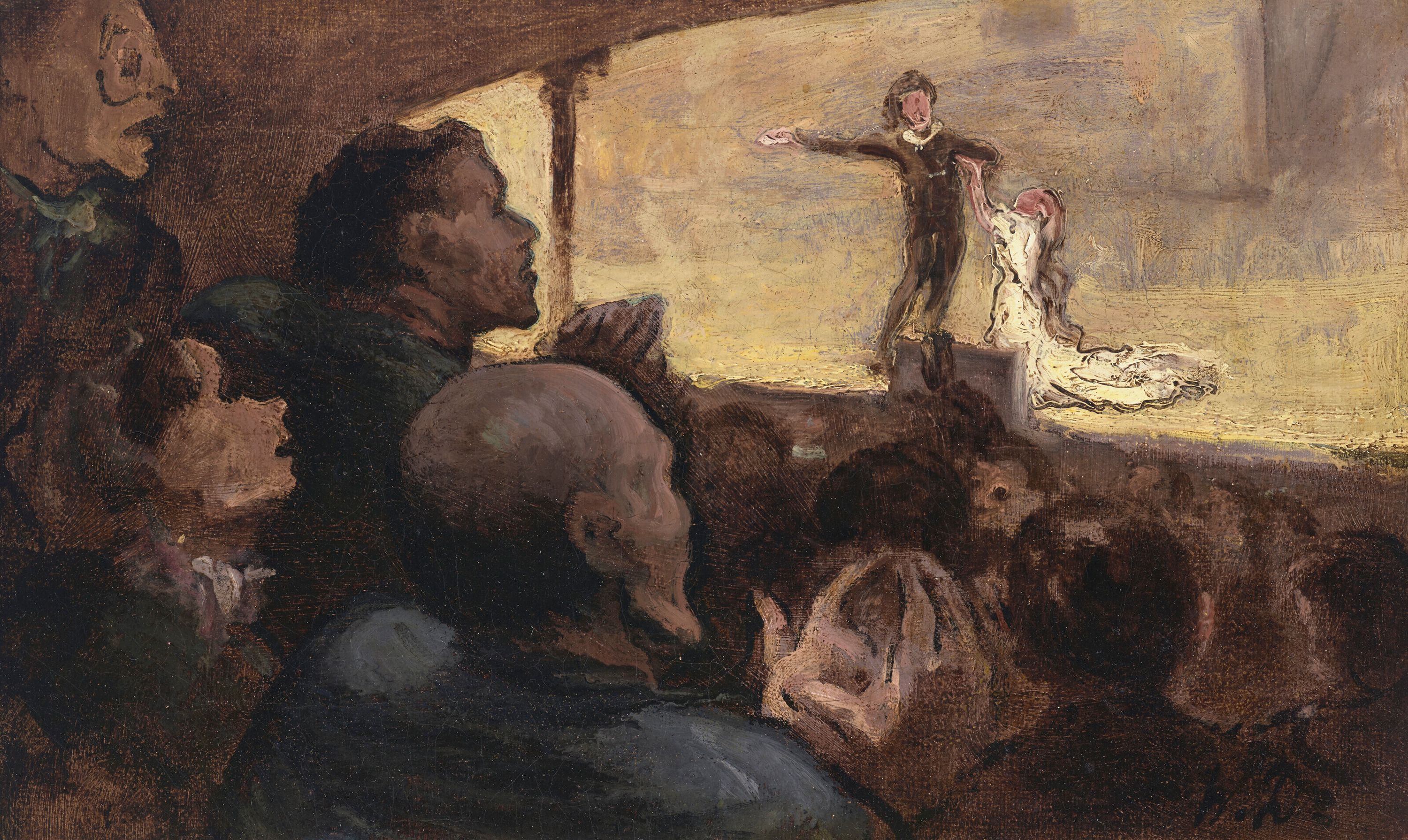
Honoré Daumier, Le drame, olieverf op doek
In 1866, he joined the jury of the Paris Salon. During the Franco-Prussian War, he stayed in England. He met Monet in London. After his return, he met Cézanne in Auvers. He steered various other painters in a more Impressionist direction with his painting lessons, although he himself never truly painted in an Impressionist style; he remained true to himself, working not with bright colors, but primarily with brownish-green tones like Courbet, and like most of the French realists of the time. His most colorful works were his sunset landscapes. He continued to use some chiaroscuro and did not paint in brushstrokes. His final works do show some brushstrokes, but they are scattered and accentuating. His best period was between 1864 and 1874. By the end, he was a sought-after and established artist, although he was frustrated that he did not achieve the same success as some others. His most influenced student was Delpy.
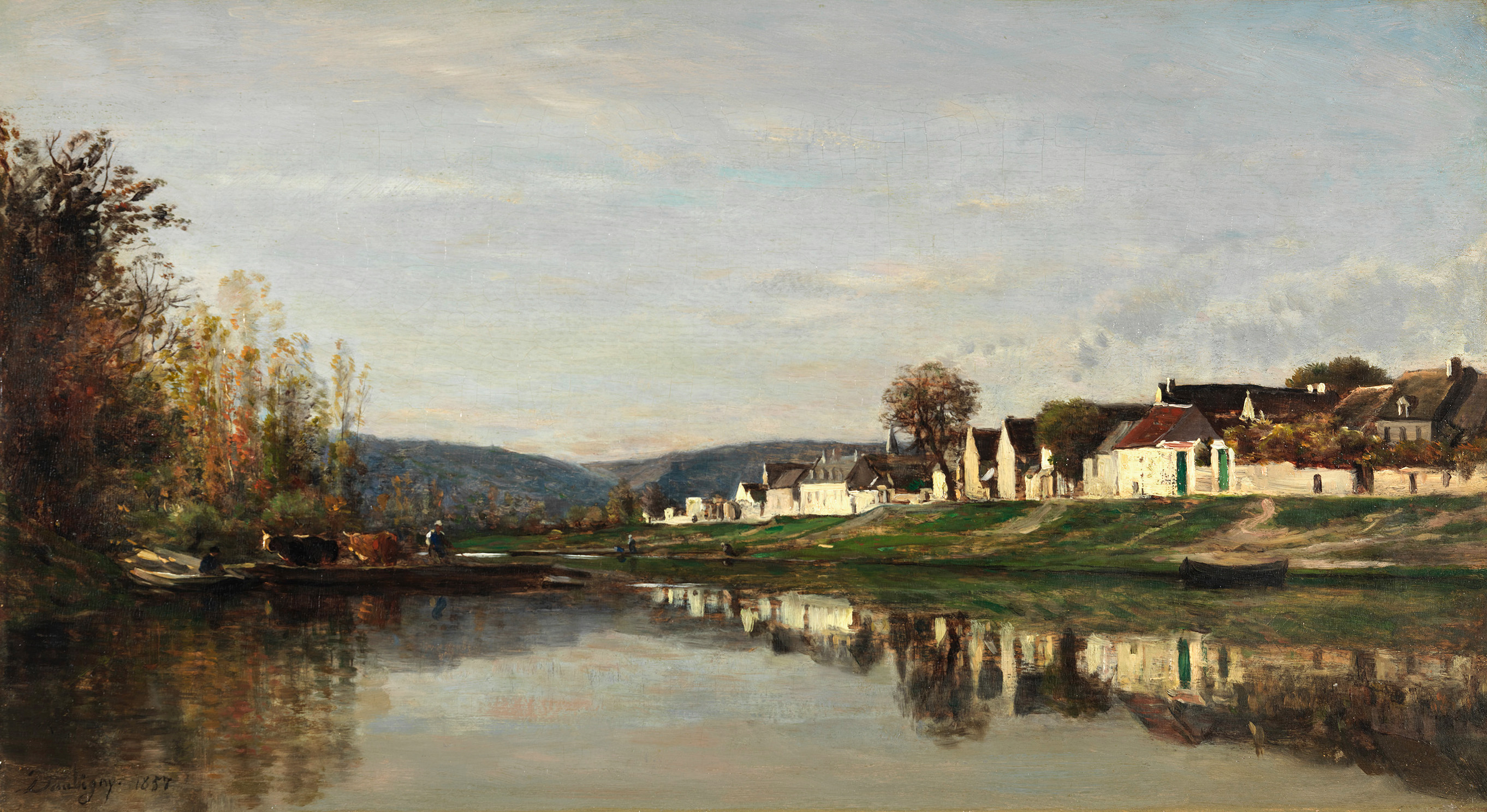
Charles-François Daubigny, Village de Gloton, 1857
Also in 1942, Dadd was chosen as the illustrator of an expedition through Greece, Turkey, southern Syria, Jerusalem, Jordan, and Egypt. In late December, on the boat on the Nile, his character changed; he became disillusioned, violent, and convinced that he was being influenced by the Egyptian god Osiris. It was then considered a sunstroke.
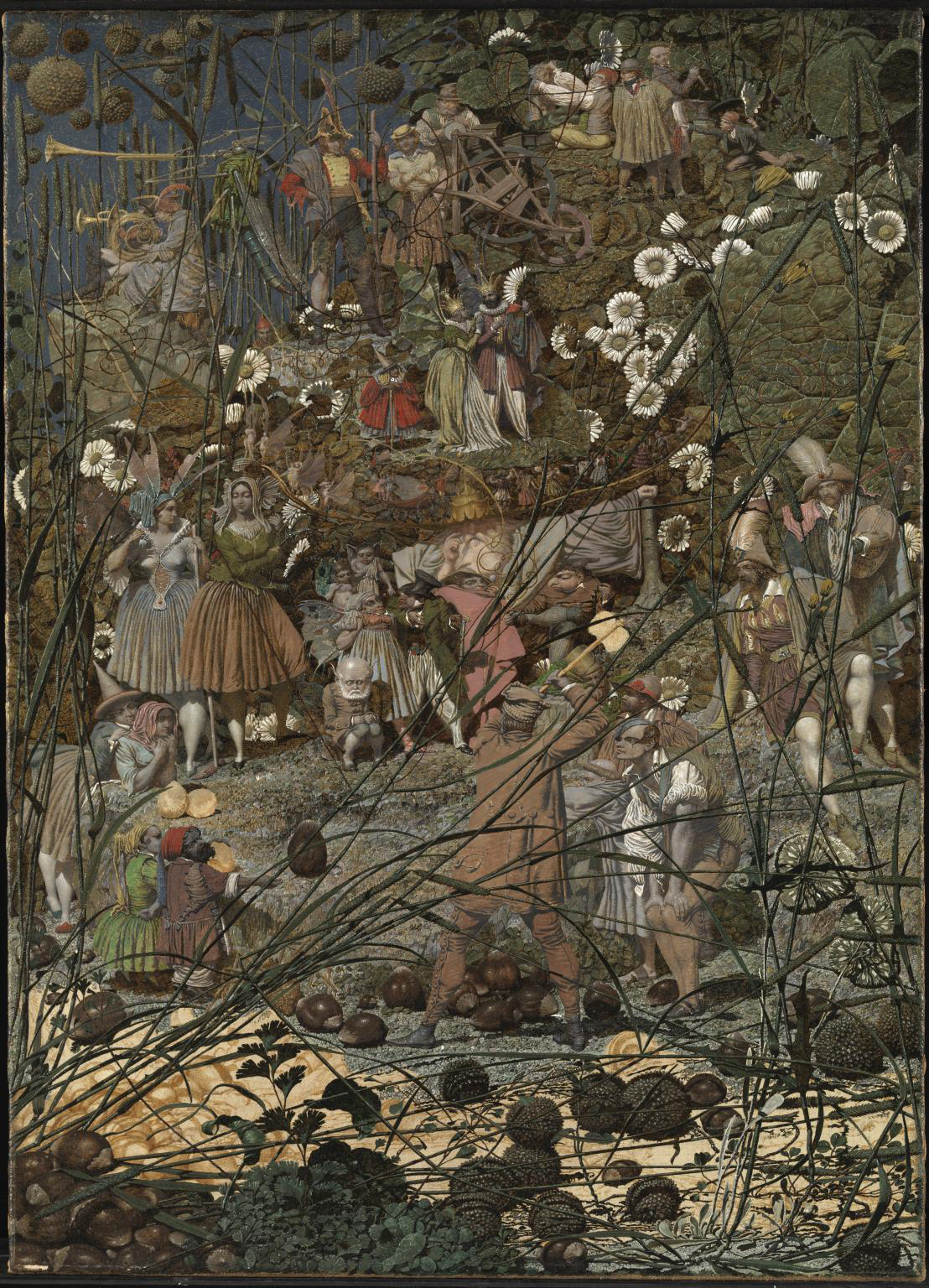
In 1843, he was declared mentally ill and placed in a rural village in Kent. Innce. On his way to Paris, he attempted to stab a fellow traveler but was overpowered and arrested. He was placed in Bethlem Psychiatric Hospital, where mental illness was diagnosed; schizophrenia did not yet exist as a diagnosis at that time. (Two of his siblings had the same diagnosis, and a third was pla that same year, he became convinced that his father was the devil in disguise. He stabbed him with a knife, considering it an order from Osiris, and fled to Fraced under permanent supervision.) Between 1855 and 1864, he painted The Fairy Feller’s Masterstroke’ as well as 33 watercolors, all in small format, wi‘th the finesse of a miniature painter, all figures with dreamy gazes. He also painted harbor views and landscapes, purely from memory and imagination.
Twenty years later, he moved to the new Broadmoor Hospital for the rest of his life, where he always painted and occasionally received visitors. His audience consisted of the patients and some psychiatrists with whom he was friends and who encouraged him in his painting. The trust placed in Broadmoor grew so great that he was given a knife to make furniture and carve figures, and his own studio. In his final years, he painted sets for their theater hall. His doctors were surprised to hear the claim that his work was an expression of his mental illness. The painter certainly did not believe this; he did not consider himself mentally ill and believed that any form of inspiration had been passed down by spirits. In 1886, he died of a lung disease.
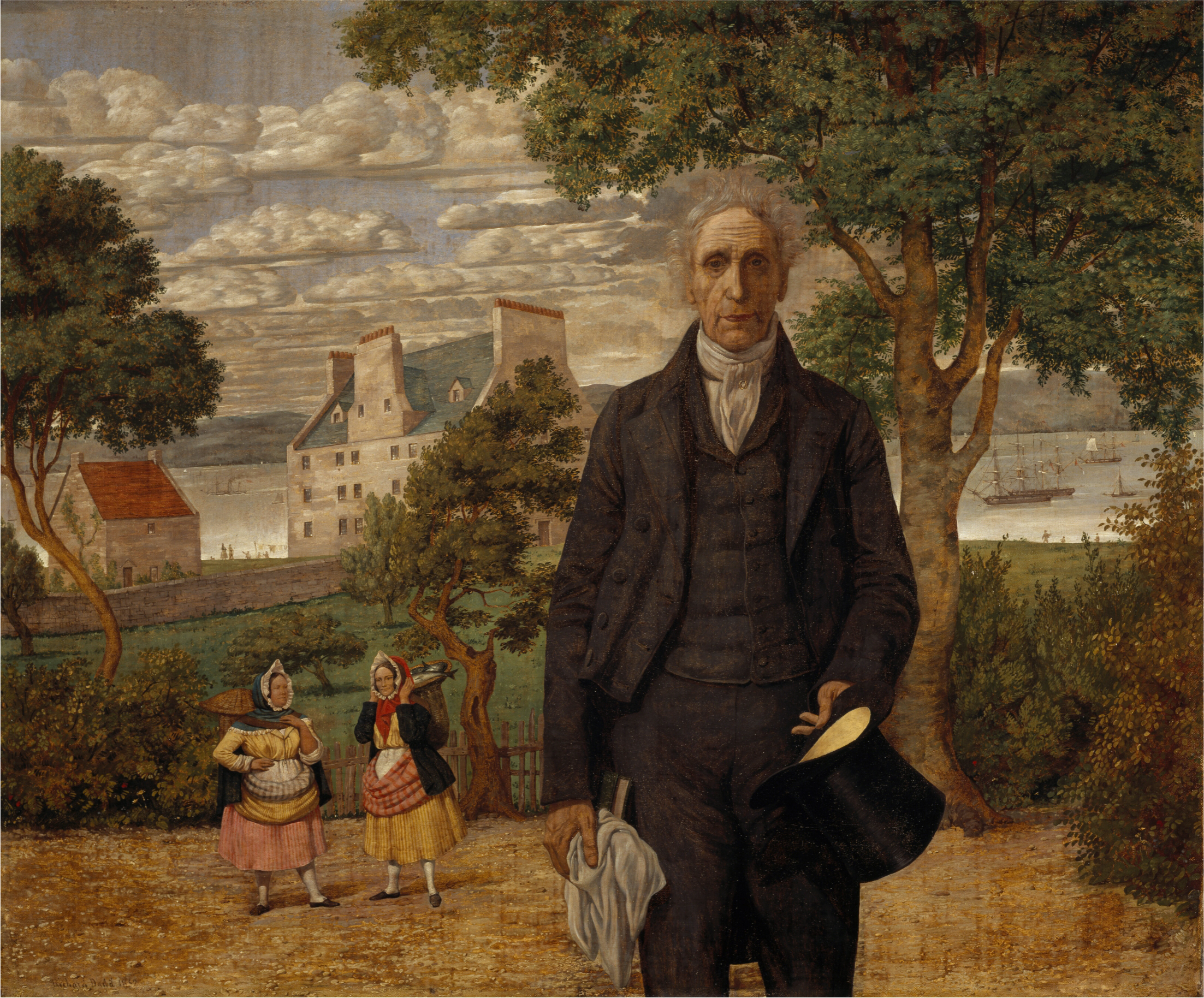
Richard Dadd, Sir Alexander Morison, 1779-1866, alienist
Augustus Leopold Egg, 1816-63, Contemplation, oil on board |
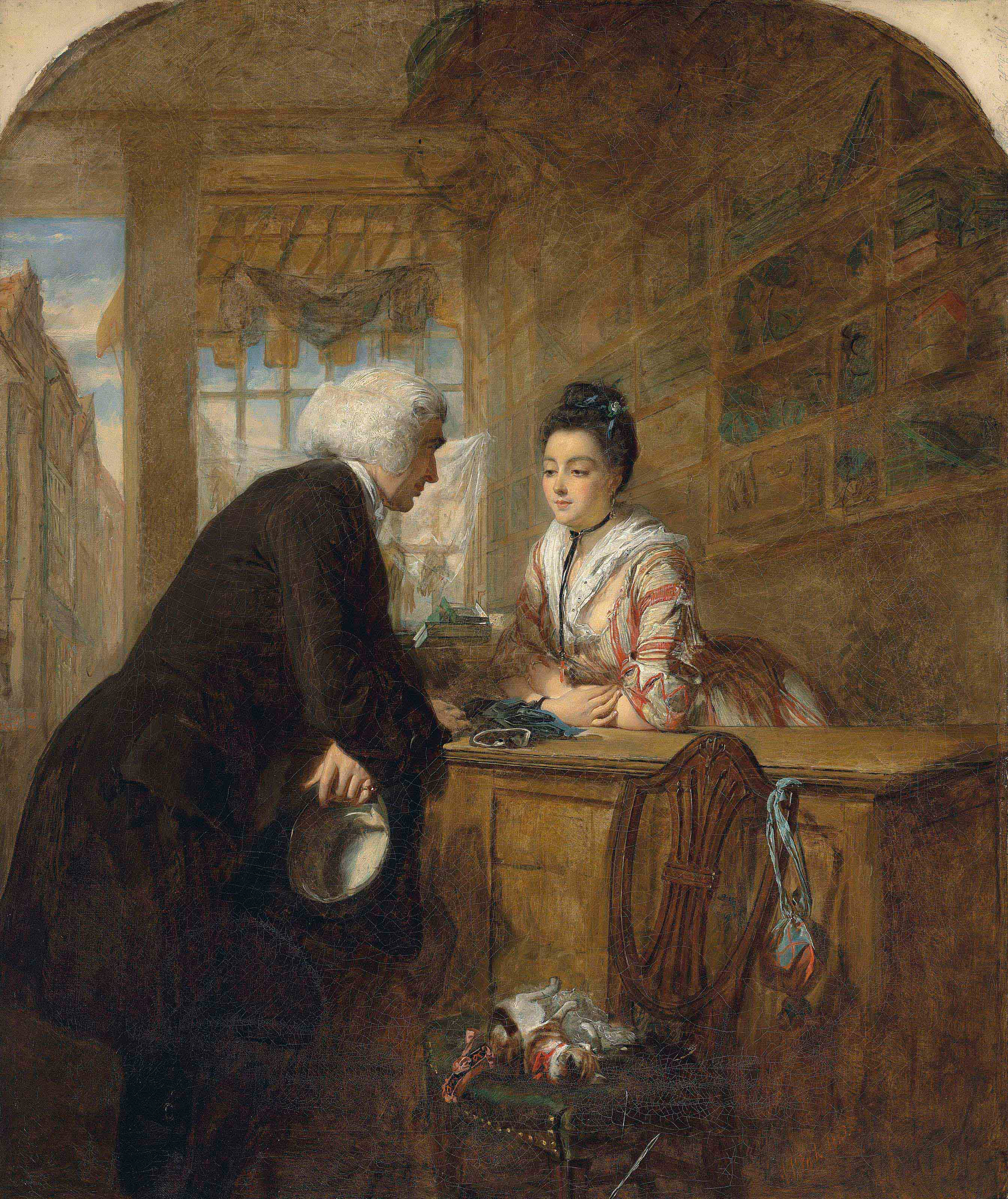
Wiliam Powell Frith, 1819-1909, The glove seller: a scene from Sternes' 'Sentimental journey', 1845, oil on canvas |
Richard Dadd, The fairy feller's master-stroke, 1855-64 |
Wiliam Powell Frith, 1819-1909, Kate Nickleby at Madame Mantalini's, 1856, oil on canvas |
Henry Nelson O'Neil, 1817-80, The two extremes - the Pre-Raphaelite, 1856, oil on board |

In 1840, he was sent to Europe by the Imperial Academy of Fine Arts. Via Berlin, he visited Venice and Vienna, then Florence, Amalfi, and Sorrento. In Florence, he met the Russian painter Alexander Ivanov. Between 1840 and 1842, he stayed in Rome and Naples. He held successful exhibitions there and received a gold medal from Pope Gregory XVI. Afterwards, he visited Switzerland, Germany, the Netherlands, and Great Britain. In France, he received a gold medal from the Royal Academy of Painting and Sculpture. In 1843, he returned to Italy and visited Great Britain, Portugal, Spain, and Malta.
Back in Russia, he was appointed Academician of the Imperial Academy of Fine Arts and official painter of the Russian fleet. In 45, he visited Constantinople, Patmos, and Rhodes. He also built a house and studio at that time and isolated himself from everyone, except for a small circle of friends and family. In the 50s, Russia shifted from Romanticism to a Russian form of Realism, and his popularity declined. In 47, he became Professor of Painting at the Academy and was also elected to the Royal Netherlands Academy of Arts and Sciences. In 48, he married an English governess; they had four daughters. In 60, they separated, and in 77, a divorce was recognized by the Armenian Church because his wife was Lutheran. In 51, he traveled with Tsar Nicholas I for military maneuvers. In 53, the Crimean War broke out between Russia and the Ottoman Empire. In Sevastopol, he painted battles. His work was exhibited in Sevastopol while it was under Ottoman rule. In 56 and 57 he worked in Paris and became the first non-Frenchman to receive the Legion d’Honneur. Also in 57, he became an honorary member of the Mokow Art Society and received various other honors. In 65, he opened a studio in Feodosia and received a salary from the Imperial Academy.
In the 1960s, he painted for the unification of Italy, the Greek resistance against the Turks, mountain landscapes in Armenia, and was the first to paint the Suez Canal. In the 1970s, he exhibited in Nice, Florence, and Constantinople. In 1980, he opened his house in Feodosia as a museum, and in 1981, an exhibition in London. In 1982, he married an Armenian widow. From 1982 onwards, he traveled through Russia, including along the Volga in 1984. In 1992, he traveled with his wife to the US. The Tsar blocked his works regarding American aid during the Russian famine of 1991-1992. In 1995, he painted anti-Turkish works as a result of Turkey's bloodbath in Armenia. He helped Feodosia with the construction of a train station and a drinking water supply. He died in 1900. He painted approximately 6,000 works, according to other sources 20,000, most with the sea as the subject, alongside some other landscapes and portraits. He had a photographic memory and could paint a landscape after seeing it in his studio, even without sketches. His specialty is the movement of waves and the reflection of the sun or moon in the water. He held 55 solo exhibitions.
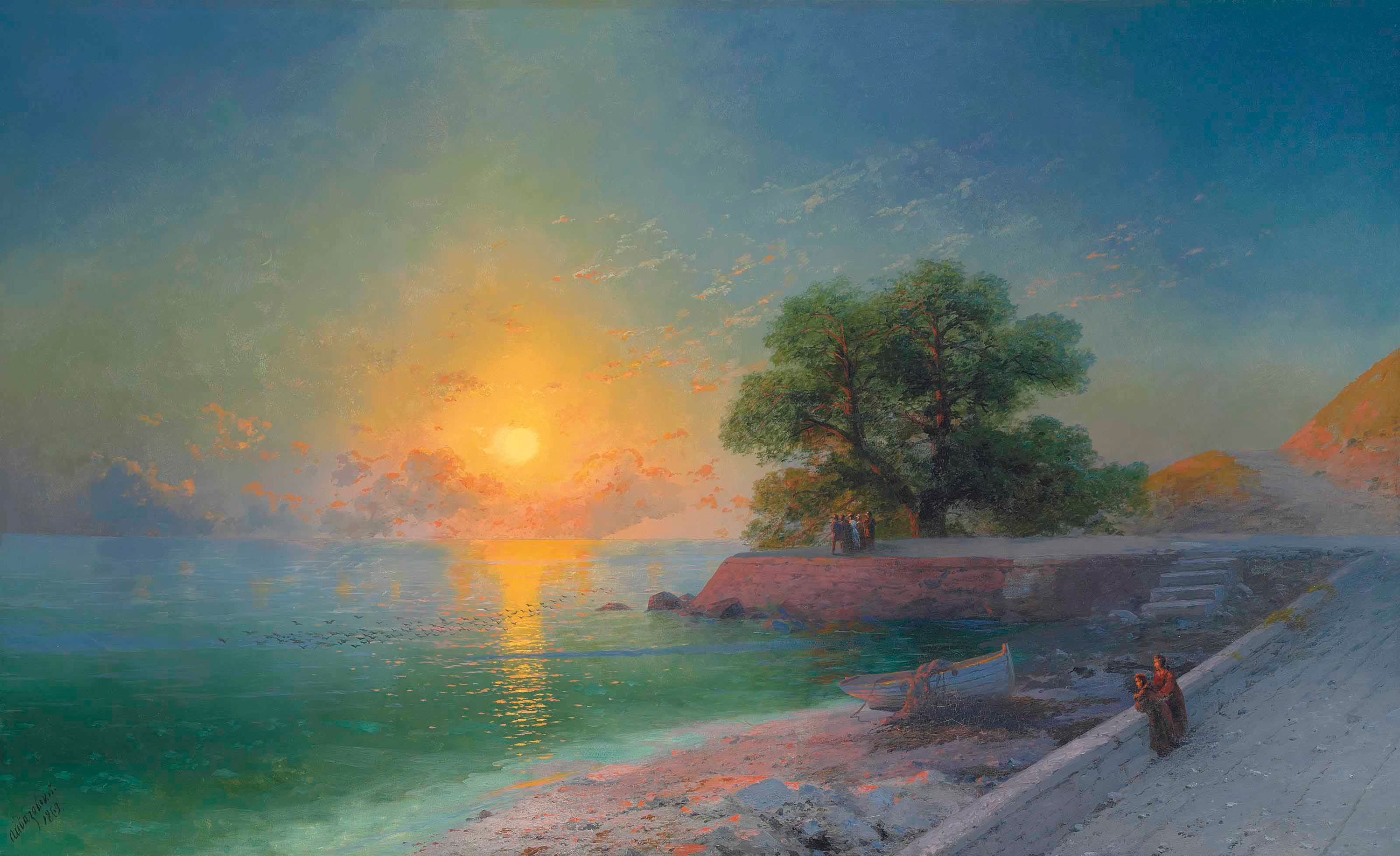
Ivan Aivazovsky, Promenade bij zonsondergang, 1869, olieverf op doek
Félix Ziem (1821–1911) was born in Beaune, the son of an Armenian father and a Burgundian mother. From 1834 to 1836, he worked for the architect Lemaire. In 1838, he won the first prize for architectural composition at the École des Beaux Arts in Dijon, but was soon expelled for lack of discipline. In 1839, he took lessons from Monticelli. He left his home and went to live in Marseille. He actively sought his first major clients and decided to live as a painter.
In 1840, he opened his studio and welcomed painters such as Monticelli and Aiguier. He stayed in Martigues and Nice, where he taught drawing to the aristocracy. In 1842, he traveled to Rome on foot, exchanging drawings for food along the way. He discovered Venice, a revelation for him. From 1845 to 1892, he spent months in Venice every year. Outdoors, he made numerous drawings and ‘pochades’ on wood or cardboard; the canvas was ultimately painted in his studio. In Venice, he had his studio in a houseboat; later, he built a studio and living space in a ‘traghetto’. He never stopped traveling, visiting Constantinople, Beirut, Cairo, Algiers, Russia, the Netherlands, Belgium, and England. He regularly visited Barbizon, where he traveled in a Gypsy caravan. There, he knew Millet, Rousseau, Diaz, and Daumier. In the 1860s, he had many exhibitions, such as the World Exhibition in London in 1861. To this end, he limited his travels to Paris, Venice, Martigues, Nice, and Barbizon. He exhibited at the Paris Salon since 1849, won a third prize in 1851, a first prize in 52 and 55, and became a jury member himself in 1870. In 57 he was knighted in the Légion d’Honneur, an officer in 78, and a commander in 1908. From 1890 to 1900 he continued to work feverishly, had a large clientele, painted in Venice, and traveled from one studio to another in Marseille, Martigues, Nice, and Paris. In 1905, he donated more than fifty oil paintings to the Petit-Palais Museum, along with studies, sketchbooks, and watercolors. In 1910, the Ziem Museum opened in Marseille, and in that same year, he became the very first living painter to have his work exhibited in the Louvre. He died in Paris in 1911.
His technique is versatile. He preferred painting on mahogany panels, the color of which played a role in the work. He also used marble. He also painted with oil on paper as if it were watercolor; gouache did not interest him. On his canvases, he used glazes as well as painting with a palette knife. He made his own paints, especially his lapis lazuli. He had an impressionistic way of rendering light, many years before the Impressionists did. He is best known for his Venetian scenes, although he also painted other landscapes, the Eiffel Tower, portraits, and still lifes.

Félix Ziem, l'Abreuvoir, ca1850-53,
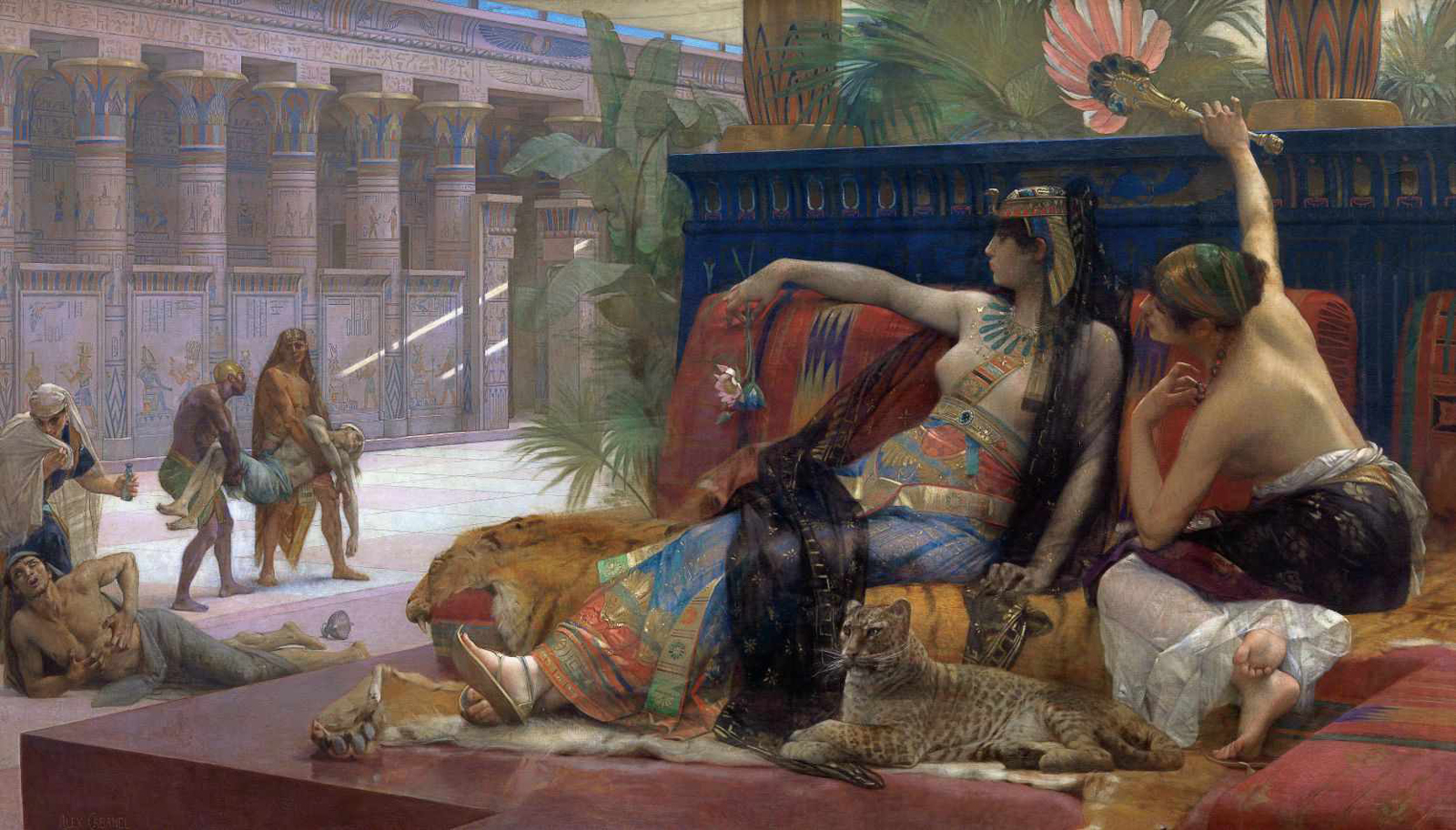
Alexandre Cabanel, Cleopatra, 1887
On his third attempt, he won a Prix de Rome with his work ‘Shepherds find Zenobia on the banks of the Araxes’. This secured him a three-year stay at the Villa Medici in Rome, where he also studied Renaissance painters—Raphael, Michelangelo, da Vinci, Titian, Rubens, and Delacroix—Greek, Etruscan, and Roman art. In the city and on walks, he sketched and made watercolors.
In 1854, he returned to La Rochelle and commuted back and forth to Paris. For the rest of his life, he participated annually in the Paris Salons. He remained faithful to classical compositions, forms, and subjects. He carried out various commissions that allowed him to support himself and his mother. He also painted for Napoleon III and received a ‘Légion d’Honneur’ in 1859. Afterward, he turned away from historical painting and opted for more personal realistic themes. He had a strong bond with Durand-Ruel. In 1878, he managed to borrow 12 of his works back from their owners for the World Exhibition, along with a new work, ‘Nymphaeum’. For major commissions, he adhered to academic standards; for himself, he painted differently. He taught hundreds or thousands of students. Some of them continued to paint according to the same standards later on, while others rebelled, like Matisse. He received numerous honors, such as ‘Commander of the Légion d’Honneur’ in 1885 and ‘Grand officier de Légion d’Honneur’ in 1905. He also began teaching at the Académie Julian, where no entrance exam was required and the tuition fees were lower. In 1856, he moved in with one of his models, Monchablon; they had three children. They were not married and therefore had to keep their relationship secret. In 1866, they married quietly, but eight days later the third child, Jeanne, died of tuberculosis. A fourth was born in 1868. In 1875, a son also died. With their fifth child, his wife contracted tuberculosis herself; she died in 1877, and two months later their baby also died. In 1896, he married Jane Gardner, a former student with whom he had been having an affair for 19 years. His son Paul died of tuberculosis in 1900; only his daughter Henriette survived the painter.
Every year he completed more than 20 works. Six days a week he rose at six o'clock in the morning and painted until sunset. In total, a minimum of 822 paintings are now counted. Many are now lost. In 1905 his house and studio were broken into, and in 1905 he died of heart disease. He was buried with Nelly and his children.
Bouguereau was world-famous and often described as ‘the greatest artist of our time’. His works were often sold long before they were finished. There was not always mutual respect among the painters. To some, he was the epitome of immutable ‘academism’. Degas and his contemporaries called his work ‘bouguereauté’, with a ‘polished’ finish. Gauguin detested him and felt that some of his works belonged in a brothel (which Gauguin frequented, Bouguereau perhaps did not). He himself was not very open to innovators either; he held a key position in accepting or rejecting submissions. Occasionally, trailblazers were admitted, as proof of French liberalism.
Bouguereau was also accused of being commercial, which he did not deny. “What do you expect? You have to follow the taste of the public; the public only buys what they like. That is the reason why I gradually changed my way of painting.” (1891)
In the 1820s, his work fell completely forgotten. It was not until the 1980s that his work regained full attention and major exhibitions. Sale prices rose again and ran into the millions. Nuns sold 'Daughters of Mary Mother of Our Savior' for $450,000 to an art dealer who then sold it himself for more than two million. There is no longer any doubt about his genius. It was he who made the Académie accessible to women as well. He was the best painter of human figures ever and seemed to bring them to life, managing to capture the subtlest nuances in personality and moods. Although academic, his work was nevertheless personal; he united classical ideals with a lively realism, characterized by light pastel colors, without compromising the chiaroscuro, sometimes with special lighting effects.
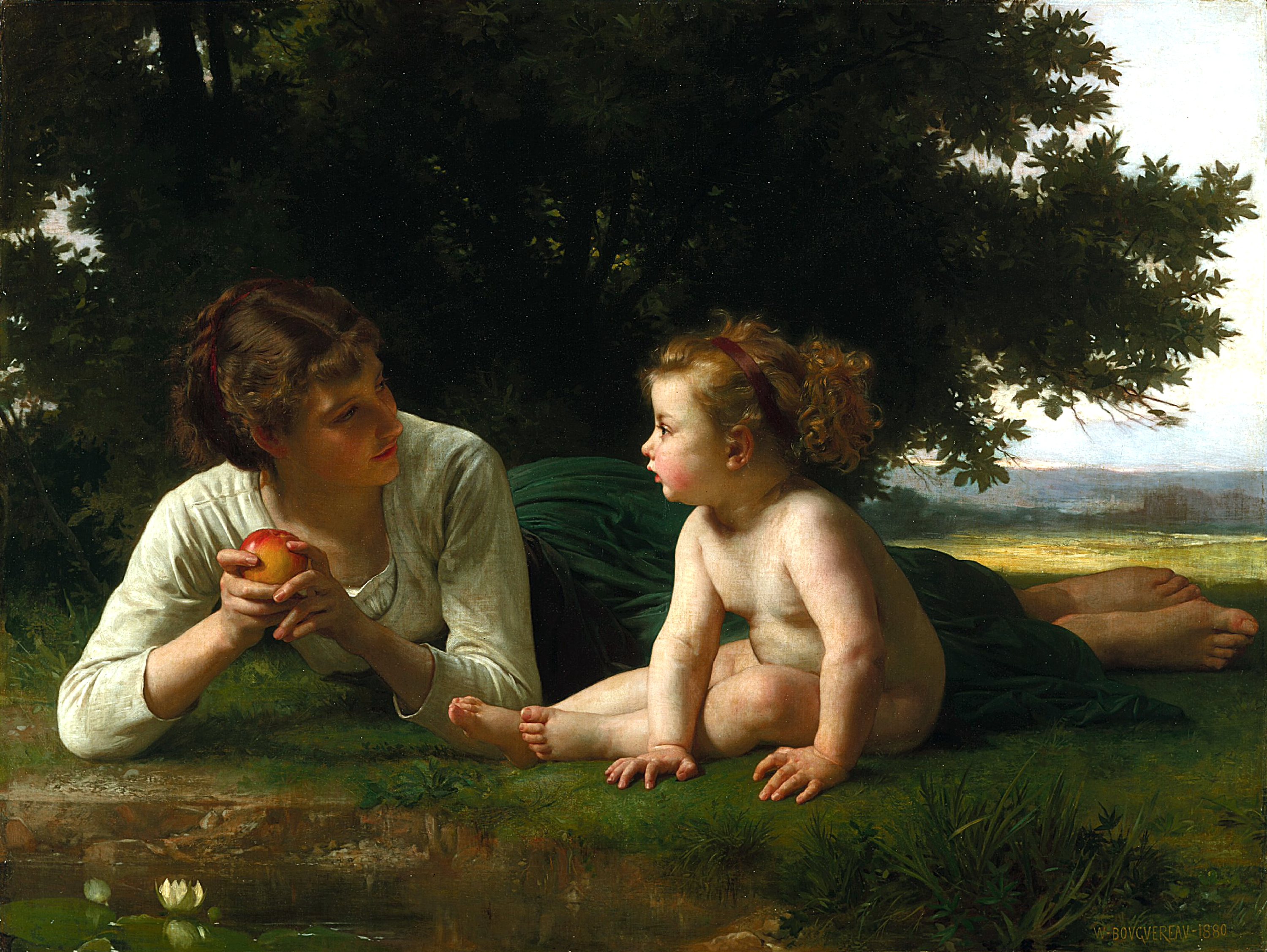
William Bouguereau, Tentation, 1880, olieverf op doek
Frustrated because he did not receive a medal there, his mother had died, his scholarship had been terminated, and he had incurred large debts, he fled back to the Netherlands in 1855, leaving behind 100 works. A friend of his, Sano, had his works auctioned and paid off the rest of the debts himself. He moved in with his sister for a while, then moved to Rotterdam. He remained there until 1860. He received a visit from Courbet there. He sent his new works to Sano, who sold them for him through the dealer Martin. Martin exhibited Jongkind's works at various exhibitions, where the painter received a silver medal.
In 1860, his works were auctioned alongside those of Rousseau, Corot, Diaz, Daubigny, Ziem, Troyon, Breton, and Cals, allowing him to return to Paris in 1861, where his work took on an Impressionistic quality. In Honfleur, he met Sisley, Boudin, and Monet, and was regarded as a mentor. Due to the indifference of the Salon, he participated in the Salon des Refusés in 1863. His fame grew, as did his income, but Paris remained expensive for him. He met Josephine and went to live with her in the Dauphiné, but even there he could not resist the cider. When he was rejected by the Salon in 1873, he vowed never to exhibit again. He was invited to participate in the first Impressionist exhibition in 1874 but declined. He moved with his companion Josephine to La Côte-Saint-André, into a house provided by her son. In 1891 he suffered a stroke with partial paralysis; he died a few days later and was buried there.
His primary subject was the navy, both in the Netherlands and in France. He painted watercolors en plein air and used them for his oil paintings in his studio. In this way, he left behind 41 sketchbooks of watercolors, some of which were self-contained and sold for a high price after his death. Just like the 17th-century landscape painters, he placed his horizon low to show a large amount of sky.
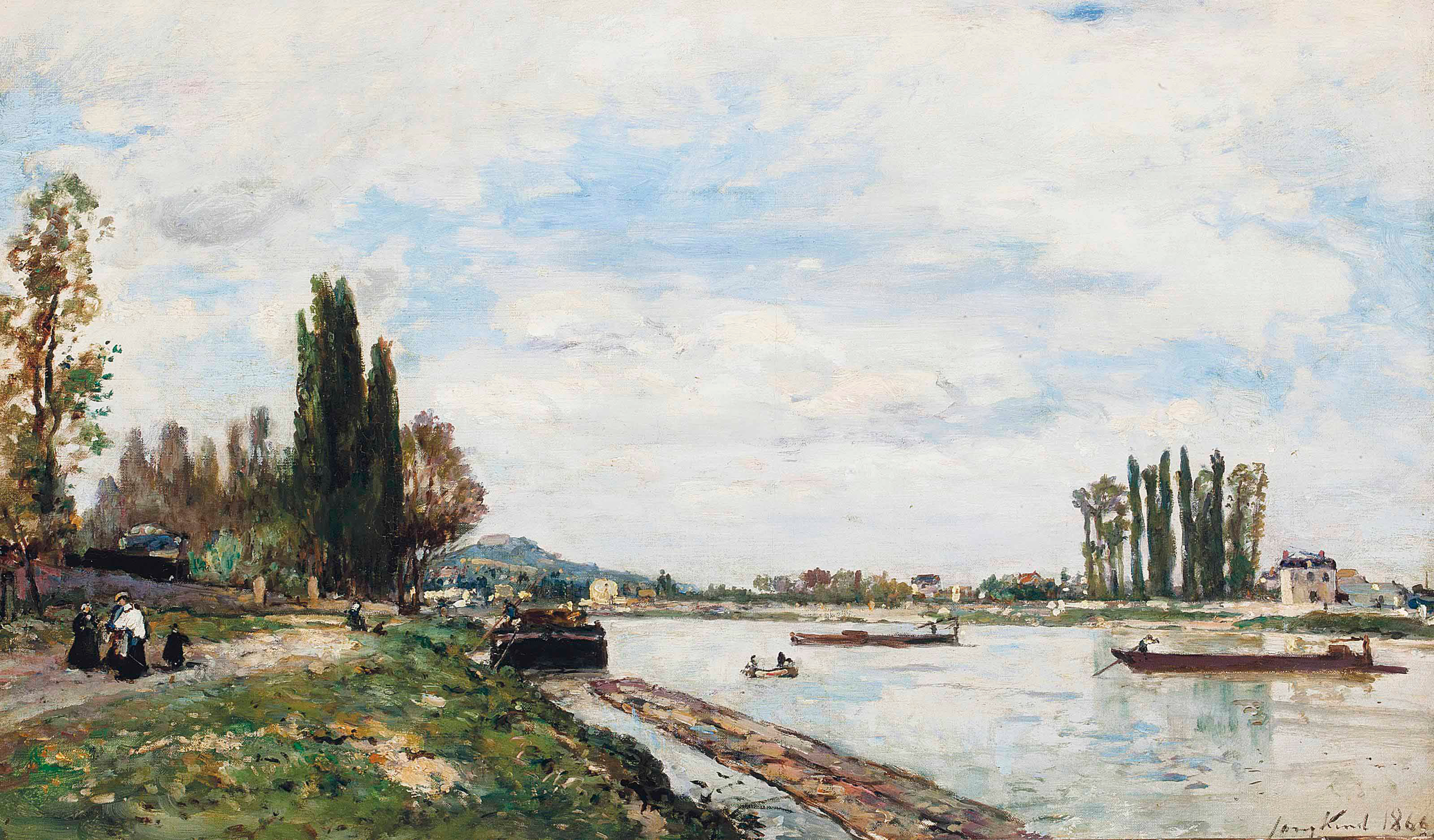
Johan Jongkind, vue de Meudon du Pont de Sèvres, 1866, olieverf op doek
Ford Madox Brown (1821-93) was a historical and moral Pre-Raphaelite painter. His father, Ford Brown, was a purser in the Royal Navy, who married Caroline Madox in 1818. Due to poverty, they moved back and forth between lodgings in Pas-de-Calais and family in Kent. His father tried to secure him a career in the Navy. In 1835, they moved to Bruges, where Ford could study under Albert Gregory. Brown subsequently moved to Ghent and studied there under Pieter van Hanselaer. Then, in 1837, he went to Antwerp to study with Gustaf Wappers. He continued studying there even after his mother died in 1839. His sister died in 1840, and his father in 1842.
Rossetti loved his early works and asked him to be his tutor. Through Rossetti, Brown came into contact with the other artists who founded the Pre-Raphaelite Brotherhood. Without ever being a member, he adopted the vibrant colors and realistic style of Hunt and Millais. He was also influenced by the work of Holbein, and of Overbeck and Cornelius, whom he met in Rome in 1845-1846. He was unable to sell his work and considered emigrating to the Indies. He is best known for two works. His ‘The Last of England’, 1852-1855, about emigrants, was sold in 1859. It was inspired by a Pre-Raphaelite sculptor who had emigrated to Australia. The man and woman are Brown himself and his second wife, Emma. ‘Work’ (1852-1865) was his most important work, sold in 1859 for 325 guineas (currency in circulation between 1663 and 1814 with about a quarter ounce of gold). The work was shown at his retrospective in 1865. Thomas Plint, one of his patrons, raised a fund to have the work completed, but died himself before it was finished. Each character represents a specific social class and its role in urban life. Other patrons were Rae, Miller, and Leathart. In the late 1950s, he lost patience due to the poor reception at the Royal Academy, stopped exhibiting there, and turned down Millais's offer to become a member. He founded the Hogarth Club in 1958 with Morris, Burne-Jones, and Rossetti. The club reached 80 members, including members of the Royal Academy, but Brown withdrew in 1960 and the club collapsed in 1961. From the 1960s onwards, he also designed furniture and glass and was a founding member of Morris, Marshall, Faulkner & Co., which disbanded in 1974, after which Morris continued independently. He was close friends with the landscape painter Antony. Brown painted the 12 frescoes of the Manchester Town Hall depicting the history of the city and was 72 when they were completed after six years.
His first wife, Bromley, was his cousin; they married at 41, less than a year after his sister's death. The following summer, his disabled father died. Their first child died in 42. Their daughter was born in 43. In 44, they traveled to Rome for his wife's tuberculosis. She died in 46, when they returned to England. Emma Hill became a frequent model for Brown; she became his girlfriend, and they shared a house in London. He did not dare marry her because she was the illegitimate daughter of a bricklayer. In 50, they had a daughter; in 53, they married after all. Their son died young from blood poisoning. His daughters, Lucy and Catherine, became artists. Emma died in 90, and he in 93.
'Cordelia's Portion' is based on Act 1, Scene 1 of Shakespeare's 'King Lear'. Cordelia was disinherited because she honestly expressed her feelings to her father and refused to be a hypocrite. On the left, the two sisters and their husbands seize the crown.
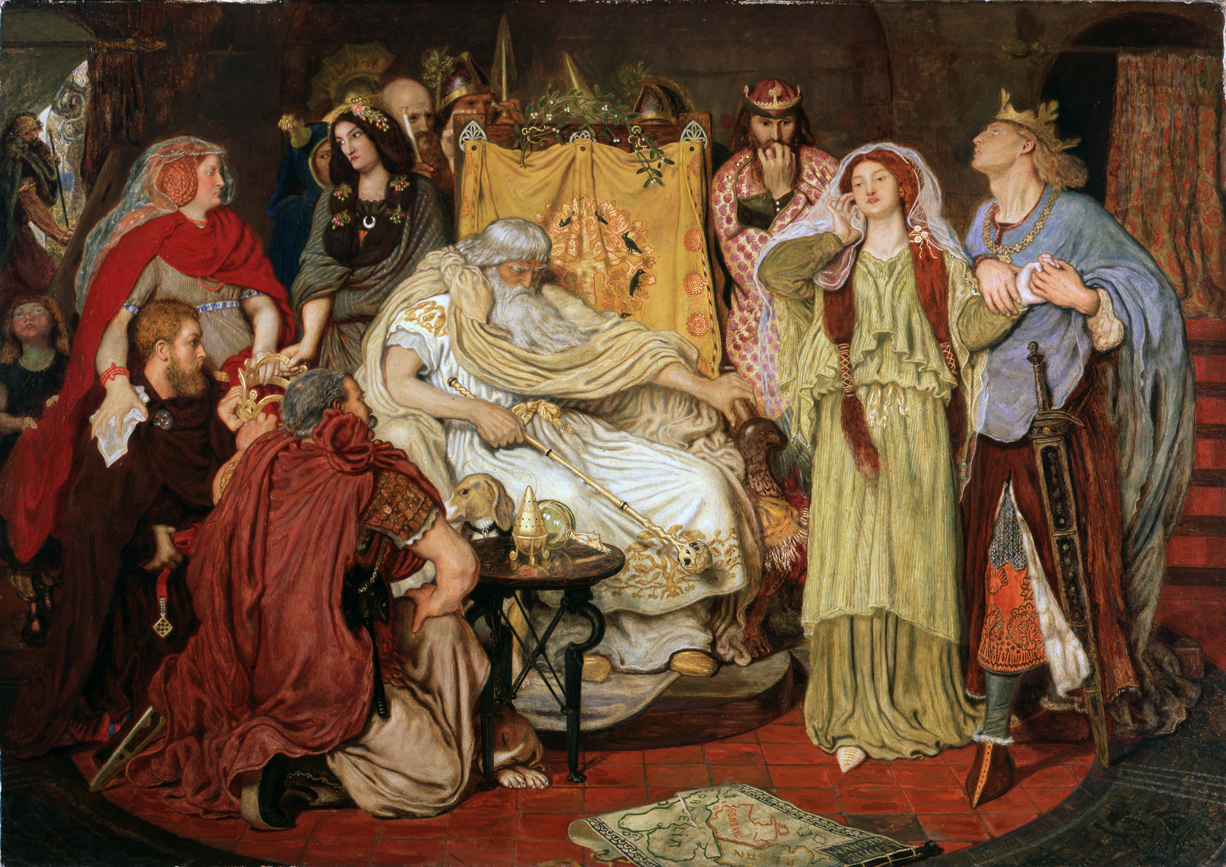
Ford Madox Brown, Cordelia's portion, 1866-72
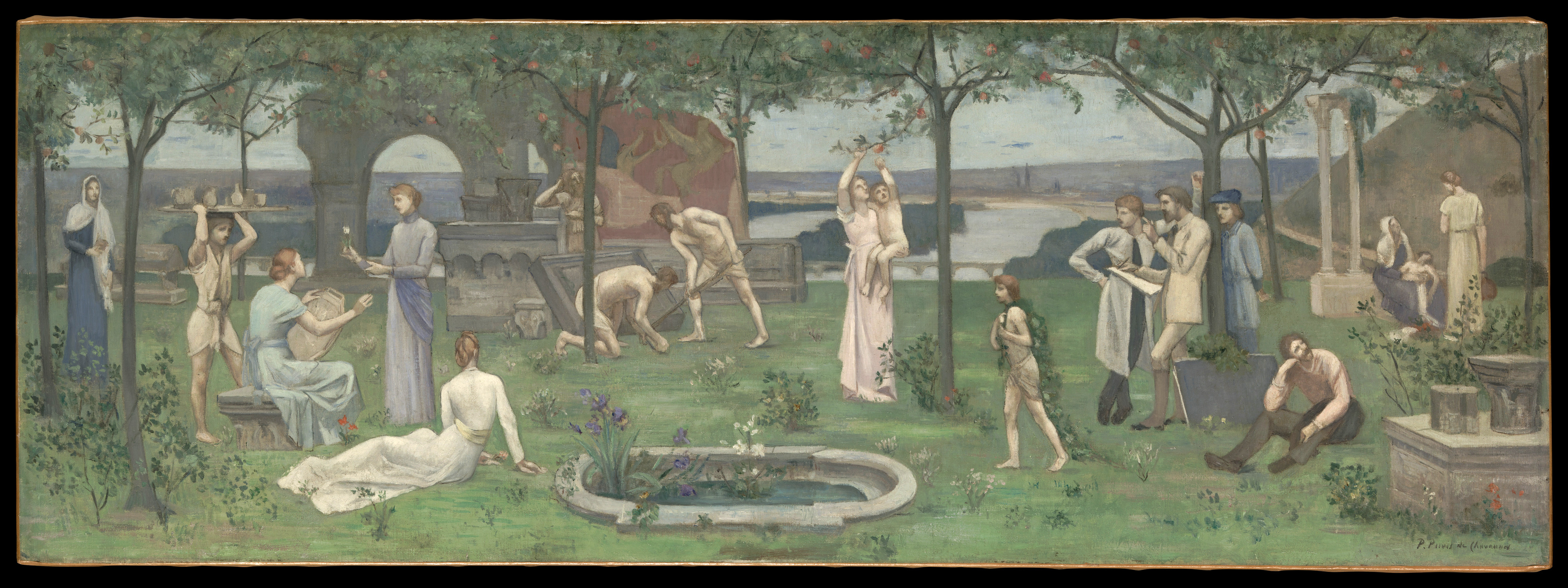
In 1890, Puvis was a co-founder and president of the Société Nationale des Beaux-Arts, the dominant salon of the time. Selection was carried out by a jury composed of officers of the Société. In 1856, Puvis had a relationship with a model, Suzanne Valadon (later a prominent painter), and with a Romanian princess, Cantacuzène. They remained a couple for 40 years and married just before they died. His dreamy landscapes, in which the figures seemed to float, were a true source of inspiration for many later painters, such as Gauguin and Matisse.
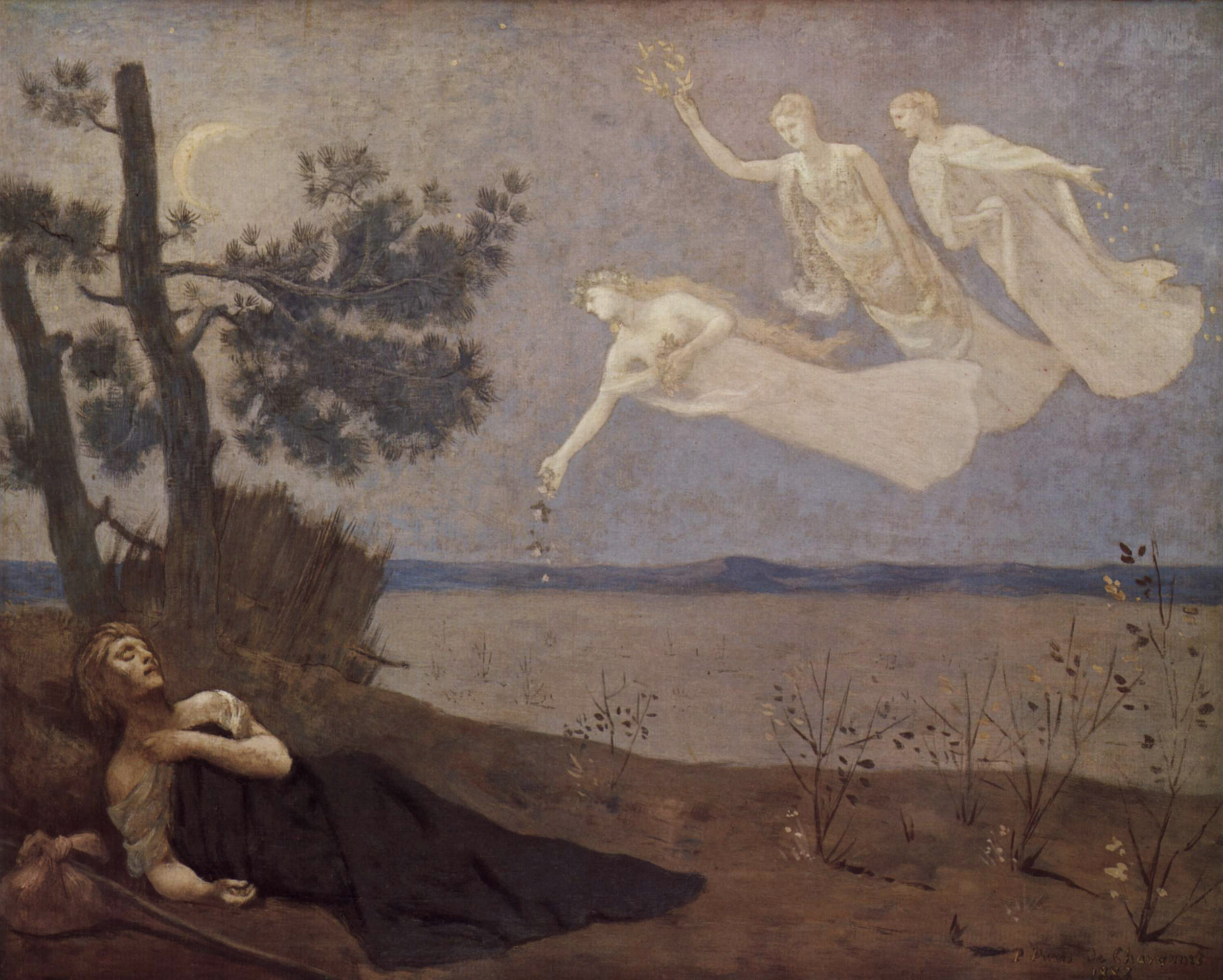
Pierre Puvis de Chavannes, Le rêve, 1883, olieverf op doek
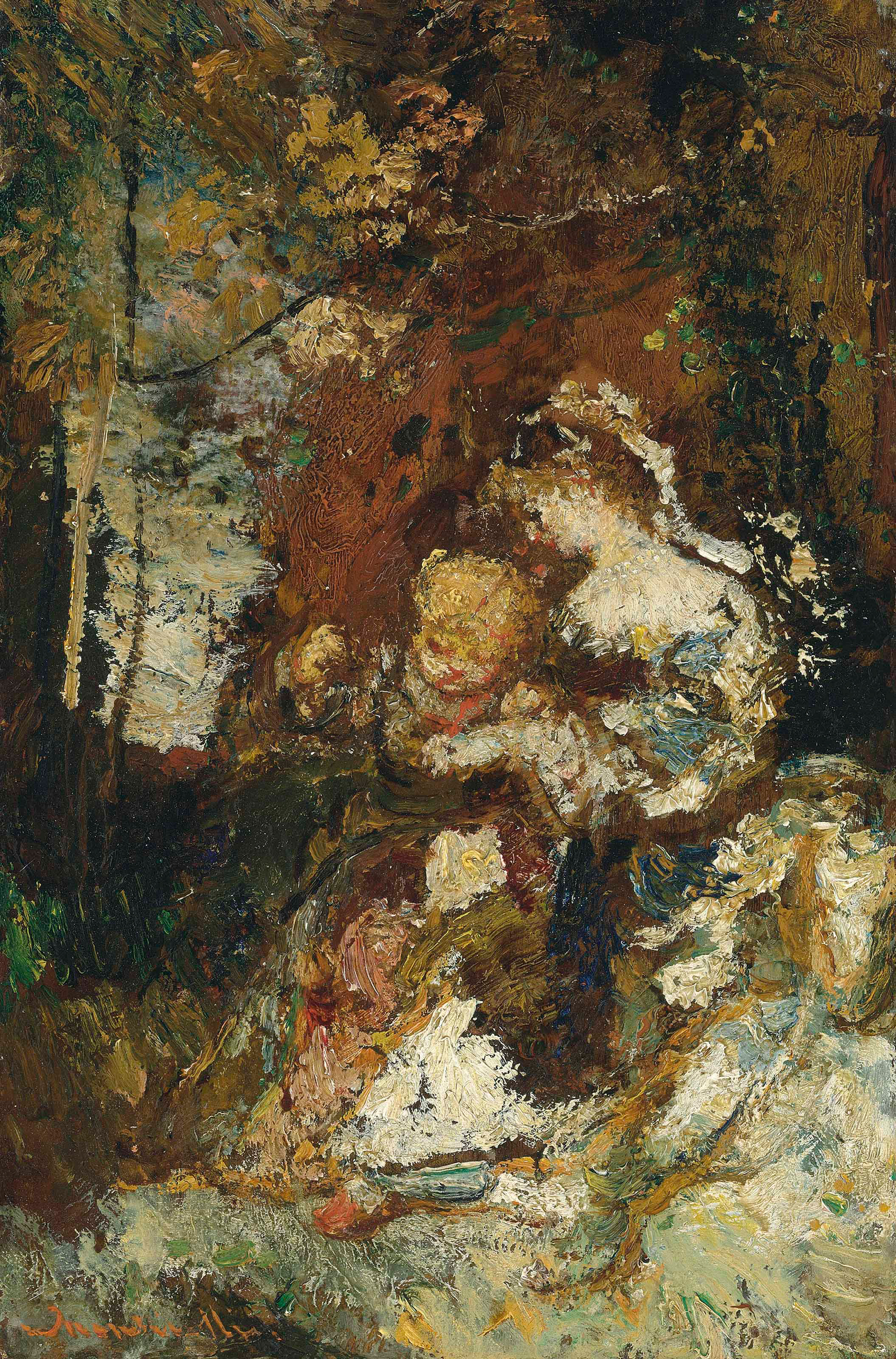
The war of 1870 forced him to flee Paris; he returned to Marseille and lived there in poverty while selling his works at very low prices. He lived solely for painting. In the 1860s, Cézanne became his friend, a period that is recognizable in his work. Between 1878 and 1884, they often painted landscapes together in the region of Aix. Around 1870, he experimented with light like the Impressionists, but it did not satisfy him. In response to criticism of his style, he replied that he was painting for the thirty years yet to come. The peak of his work lay in the last ten years before his death in 1886, when he painted portraits, circus scenes, and many flowers and landscapes.
Vincent Van Gogh and Paul Cézanne greatly admired his work when he arrived in Paris in 1886, the light radiating from the bright colors, deep shadows, and flowing forms. Van Gogh applied brighter colors and bolder brushstrokes in his own work. “Sometimes I think that I am the successor to that man.” In 1890, he collaborated with his brother Theo on a book about Monticelli. After his death, his reputation rose rapidly; Oscar Wilde bought works and was very attached to them, while Clifford, managing director of the National Galleries of Scotland, declared the work “A Garden Fête” to be the worst work in the UK, “garish, hideous art,” his “Fête worst than death.” In the summer of 1886, he died as a result of a stroke suffered the previous year.
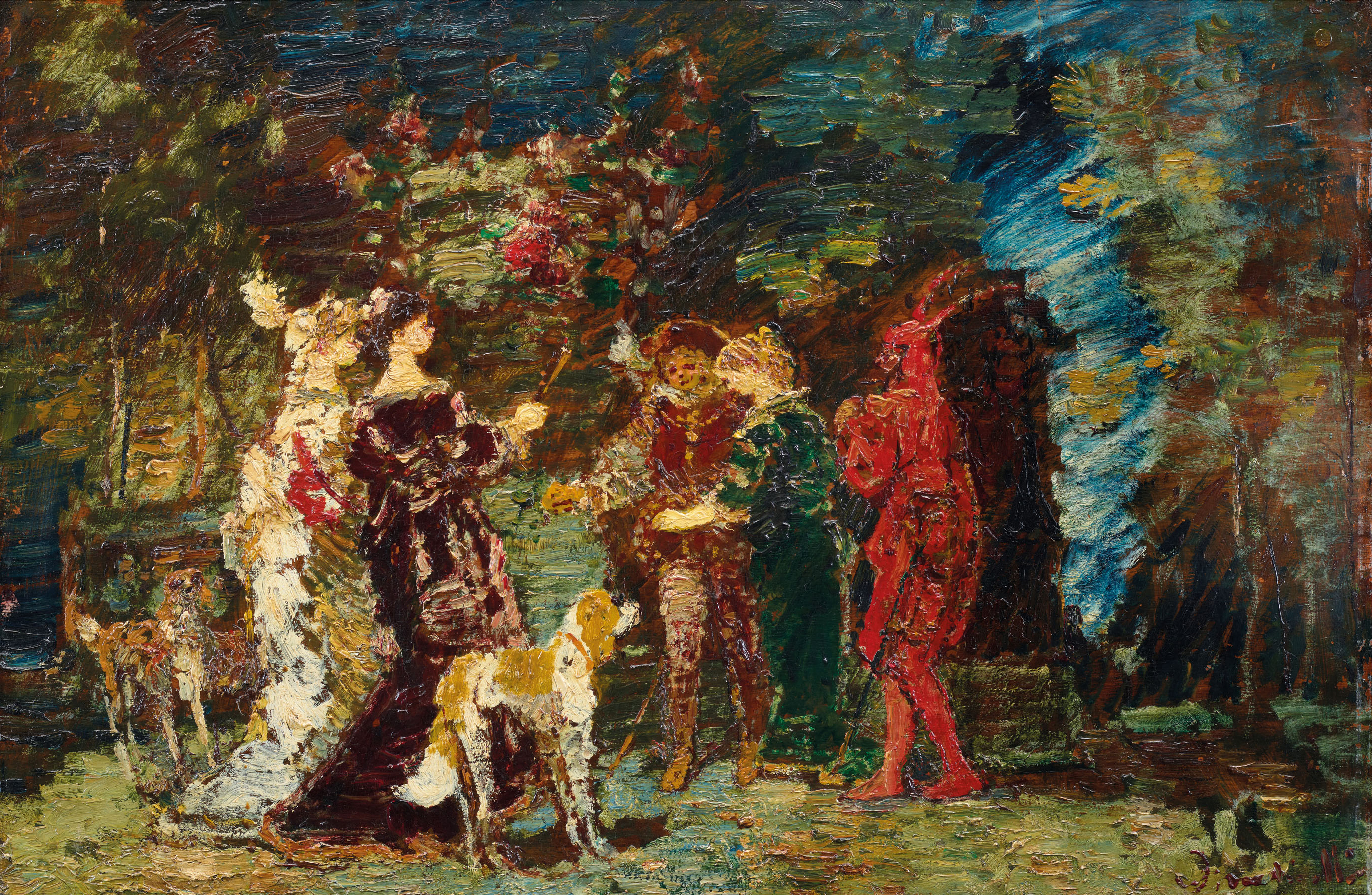
Adolphe Monticelli, Personnages de Faust, ca 1872-73, huile sur panneau
Gustave Moreau was the son of the cultural middle class; his father was an architect, his mother a musician. Moreau had poor health from childhood; he began drawing at the age of eight. He was sent to college but returned home after three years. He learned Greek, Latin, French, and classical literature, learned piano, and was a beautiful tenor. In 1841, he filled sixty pages with drawings while traveling in Italy. Visiting museums and galleries there led him to decide to pursue a career as a painter. After his return, he took drawing lessons in the evenings. In 1844, he began private lessons with Picot, a member of the École des Beaux-arts, who taught aspiring students seeking admission to the school. There, Moreau aimed to win the Grand Prix de Rome; when this failed, he left the École des Beaux-arts prematurely. His style began to diverge increasingly from academic methods and concepts. Moreau continued to copy in the Louvre and began to lean more towards Romanticism. He admired Delacroix and especially Chassériau, with whom he was friends and rented a studio in his vicinity.
In 1853, his father bought a new house and converted the upper floor into a studio for his son. In the 1850s, he exhibited regularly. He received commissions from the city and participated in the Salons starting in 1852. In 1853, he sold ‘Song of Songs’ to the Dijon Museum for 2,000 francs. His ‘Athenians Being Delivered to the Minotaur in the Cretan Labyrinth’ was shown at the 1855 World's Fair and earned him 4,000 francs.
Chassériau died at the age of 37 in 1856; Moreau painted ‘The Young Men and the Dead’ in his memory. Following Chassériau’s death, Moreau began to withdraw from public life and his health deteriorated. At his parents’ request, he undertook a return trip to Italy. There, he copied figures from the walls of the Sistine Chapel, among other things, as well as works by unknown painters. His great interest lay in the complex grouping of figures and the composition of color. He became friends with other Parisian artists studying there, such as Elie Delaunay, Chapu, Lévy, and Bizet. He became a kind of mentor to Edgar Degas. He also painted landscapes in plein-air watercolor. When he returned to Paris in 1859, Degas painted a portrait of him in 1860, which remained in his studio for the rest of his life. They grew apart because Degas came under the influence of Manet and the Impressionists, and chose their subjects.
Moreau never married, and there has been much speculation about his intimate life. Nevertheless, documents have been found pointing to a thirty-year relationship with Alexandrine Dureux after Italy; he made many drawings and watercolors of her. His work ‘Oedipus and the Sphinx’ won a medal at the Salon of 1864 and typifies the style with which he enjoyed success with critics and the public for a decade. In the 1870s, he stopped exhibiting for a time while his style changed; in 1876, he painted ‘Salome Dancing Before Herod’ in the style that became so characteristic of him for the rest of his life.
In his later life, he withdrew increasingly. He withdrew from the Salon and refused exhibitions, with the occasional exception, such as the 1889 World's Fair in Paris. He painted more and more and lived modestly despite his fame. He also avoided visits to his studio. He read a great deal and owned many books. Degas maintained occasional contact with him and described him as ‘a hermit who knows what time the trains leave’.
In 1884, his mother died; he was desperate, and he left her room like a sealed shrine that he never entered again. Six months later, Alexandrine also died, another blow. When he was elected professor at the École des Beaux-arts in 1888, he refused to teach. But when Élie Delaunay asked him on his deathbed to succeed him, he accepted temporarily, and in 1892 he did become professor and studio director. Over 100 students attended his classes, including famous figures such as Camoin, Evenepoel, Flandrin, Grüber, Guérin, Matisse, Marquet, Manguin, and Rouault. He proved to be an excellent teacher who appealed particularly to the more progressive and adventurous students, and encouraged them to further develop their own style. He acted as their friend, not their superior. When Matisse was not admitted to the school, Moreau allowed him to attend classes anyway. Matisse became the central figure of those students who opted for what was later called Fauvism. “Nature is nothing in itself. It merely offers the artist an opportunity to express himself. Art is the unceasing striving of plastic forms of expression and inner feeling.” After Delauney’s death in 1891, he began to worry about what would happen to his work after his death. He redecorated his house and left it to the state to become a museum. He died of stomach cancer in 1898. He wanted a modest funeral, no public announcement of his death, and no flowers on his grave. The government was reluctant regarding the donation; a private museum would be the first in France. His assistant, Henri Rupp, managed to persuade the state.
Moreau created more than 15,000 works during his lifetime. Because he was not interested in selling, he bequeathed 1,200 paintings—in oil, pastel, or watercolor—and 10,000 drawings to the state. Moreau was also a member of Freemasonry and various occult circles. He had a great influence on the emerging Symbolists, such as Redon, Delville, and Khnopff. His work was praised by many poets and writers, particularly the Symbolists. The later leader of the Surrealist group, André Breton, bombarded his museum and called him a major precursor of Surrealism, alongside De Chirico and Picasso. Salvador Dalí also admired his work and was so delighted with his personal museum that he wanted to establish one for himself.
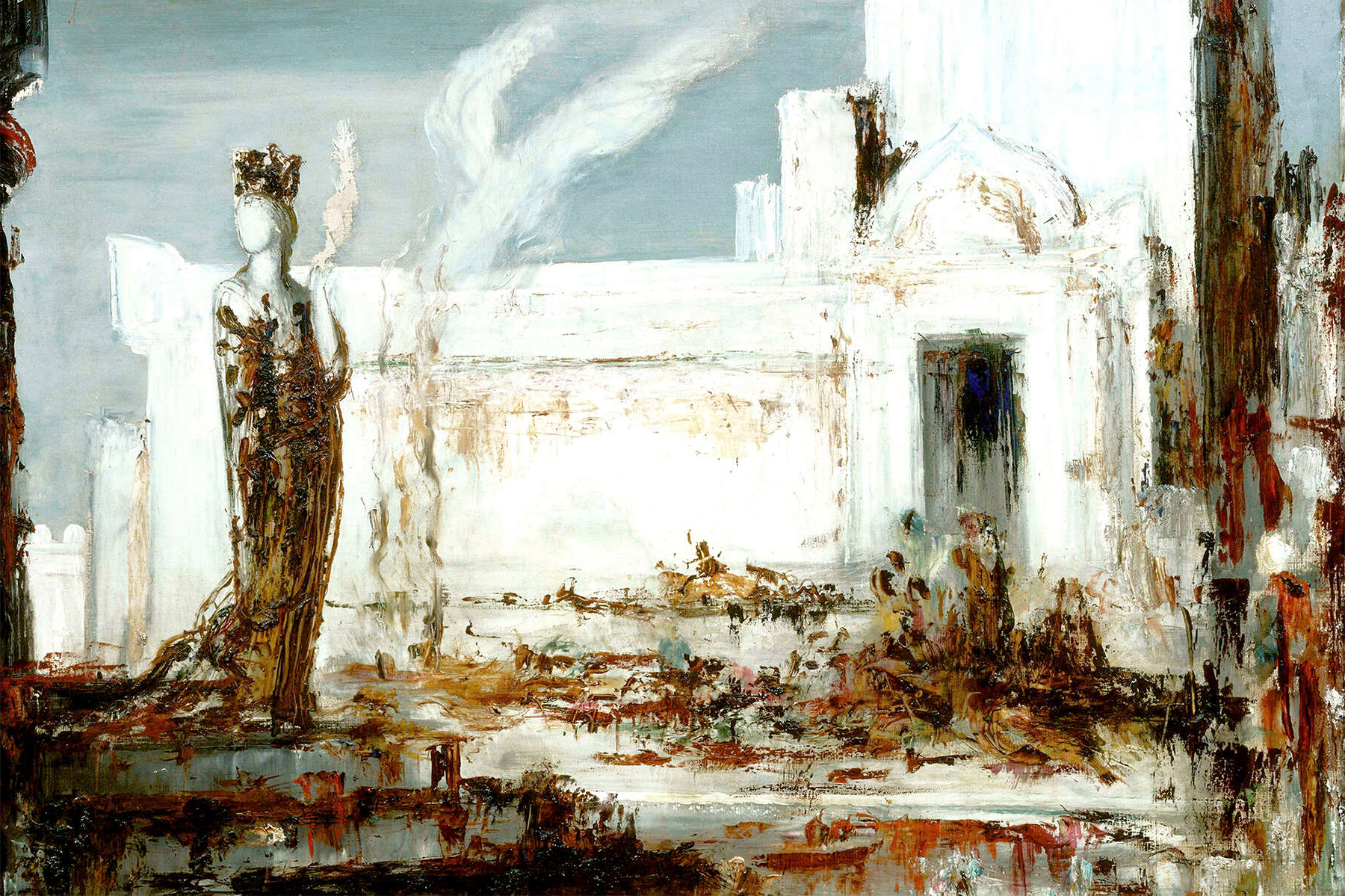
Gustave Moreau, Hélène à la porte Scée, ca. 1880
Böcklin was one of the most important Symbolist painters, alongside Hodler, Klinger, and Lovis Corint, who broke with academism and naturalism. He had a great influence on later painters, including De Chirico, Dali, and Ernst. A quote attributed to him was: "Portrait painting is the most miserable genre within painting, because it is the genre in which the artist is most restricted." He made five variations of his “Villa by the Sea.” From 1888 to 1890, he was a member of the Swiss Federal Art Commission, and from 1890, of the supervisory board of the Gottfried Keller Foundation. In his second variant of the Island of the Dead, a commission for a “painting to dream by,” there was not yet a chest with a white figure. He added it slightly later to the first two versions. The third was for art dealer Fritz Gurlitt (purchased by Hitler in 1936). The fourth was bought by an art collector and hung in a bank branch (destroyed in World War II). The fifth was commissioned by the Museum of Fine Arts in Leipzig, where it still hangs. The work was a way for the painter to process his grief; he had lost eight of his fourteen children, and his father died in 1880. In 1888, he painted “The Island of Life”. The sixth version of the Isle of the Dead was painted by his son Carlo.

Arnold Böcklin, Die Toteninsel III, 1883, oil on panel
Around 1860, Rossetti returned to oil paint, without the dense medieval compositions, stylized close-up portraits of women in a flat arrangement, and intense colors. This period had a major influence on European Symbolism. They were idealized, in a sensual direction or as a goddess. Less aligned with the Italian Renaissance, more with Titian and Veronese. He became a co-founder of ‘Decorative Arts’, together with Morris, Marshall, Faulkner, Burne-Jones, Brown, and Webb, and he created designs for stained glass windows.
In 1862, Elisabeth Siddall committed suicide following the death of a child. Rossetti buried his poems in her grave. He fell into a depression. He moved into a large rented house in Chelsea where he would remain for 20 years, surrounded by extravagant furniture and a retinue of exotic birds and other animals. For instance, he kept wombats; they were allowed to sleep at the dining table during dinner. He trained a llama to walk laps around the dining table. He made many portraits of his new passion, Fanny Cornforth. From 1865 onwards, this was a dressmaker and occasional actress, Alexa Veronese, who began working for him full-time as a model. Jane Morris also posed for him, having done so since as early as 1857. According to Todd, ‘she consumed him in painting, poetry, and in life’. He also painted her through Parsons’ photography. From 1869, he rented Kelmscott Manor as a summer residence. There, he had a long and complex liaison with Jane Morris. In 1871 and 1873, Morris's children stayed there, while he himself remained in Iceland.
In 1870, he published ‘Poems by D. G. Rossetti’, after having the poems retrieved from his wife’s grave. They were criticized as the ‘fleshy school of poetry’ because of one poem in the sonnet ‘The House of Life’, a series of poems about the physical and spiritual development of an intimate relationship, his highest literary achievement. The collection also included a translation by François Villon. In 1881, he published a sequel. As a result of the venomous criticism, he suffered a breakdown in 1872; although he moved into Kelmscott with Jane Morris, he kept himself in a daze of ‘chlorine and whisky’. He recovered the following summer and made several dreamy portraits of the models Wilding and Morris. In 1874, William Morris reorganized the ‘Decorative Arts’ and expelled Rossetti, preventing him and Jane from staying at Kelmscott. Rossetti left the house abruptly and permanently. He gradually deteriorated as a result of chlorine addiction, both physically and mentally. His final years were spent in a vault in Cheyne Walk. In 1882, he died of chronic nephritis while staying with a friend in a futile attempt to recover.
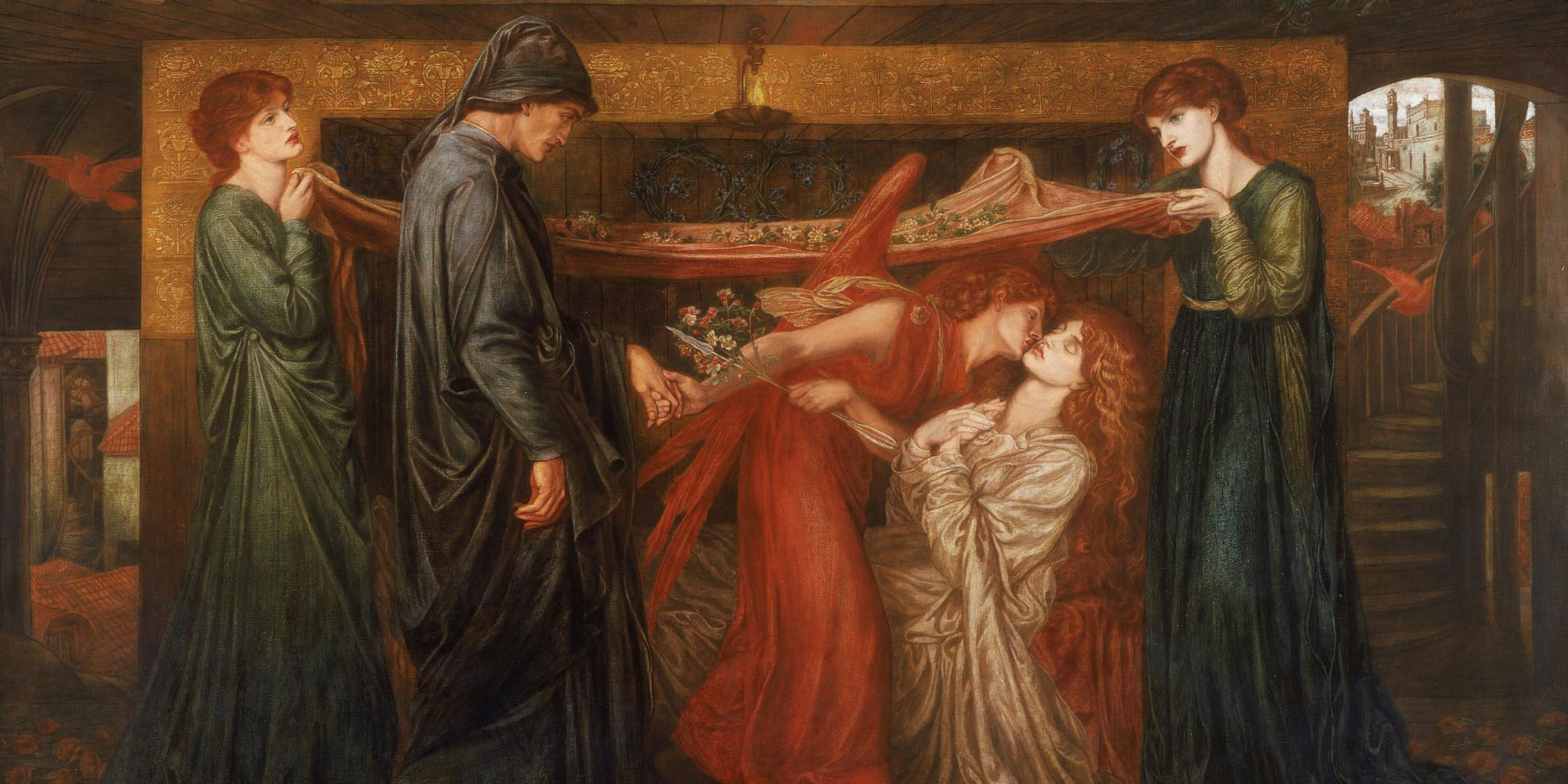
Gabriel Dante Rossetti, Dante's dream, 1969-71
He married twice. After a failed engagement to a model in an on-and-off relationship, he married Fanny Waugh, who later also modeled for ‘Isabella’. When she died of childbirth in late 1866, he sculpted a tomb for her. His second wife was her youngest sister. That was illegitimate in Great Britain at the time, so they married in Switzerland. His works were initially unsuccessful, described in the art press as clumsy and ugly. Real fame only came with his religious work ‘The Light of the World’ (1851-53). Because his work was believed to align more closely with the real life of Christ, he traveled to the ‘Holy Land’ himself. There he painted ‘The Scapegoat’, ‘The Finding of the Saviour in the Temple’, and ‘The Shadow of Death’, alongside many landscapes of the region. He also created many works based on poems, such as ‘Isabella’ and ‘The Lady of Shalott’. He built his own house in Jerusalem.
Due to increasing eye failure, he abandoned painting. His last major works, such as a second version of ‘The Light of the World’, which now hangs in St Paul’s, were painted with the help of his assistant Edward Robert Hughes, a cousin of the Pre-Raphaelite Hughes. From 1903 onwards, he lived in London and also had his studio there. Towards the end of his life, he lived in a village on the Thames.
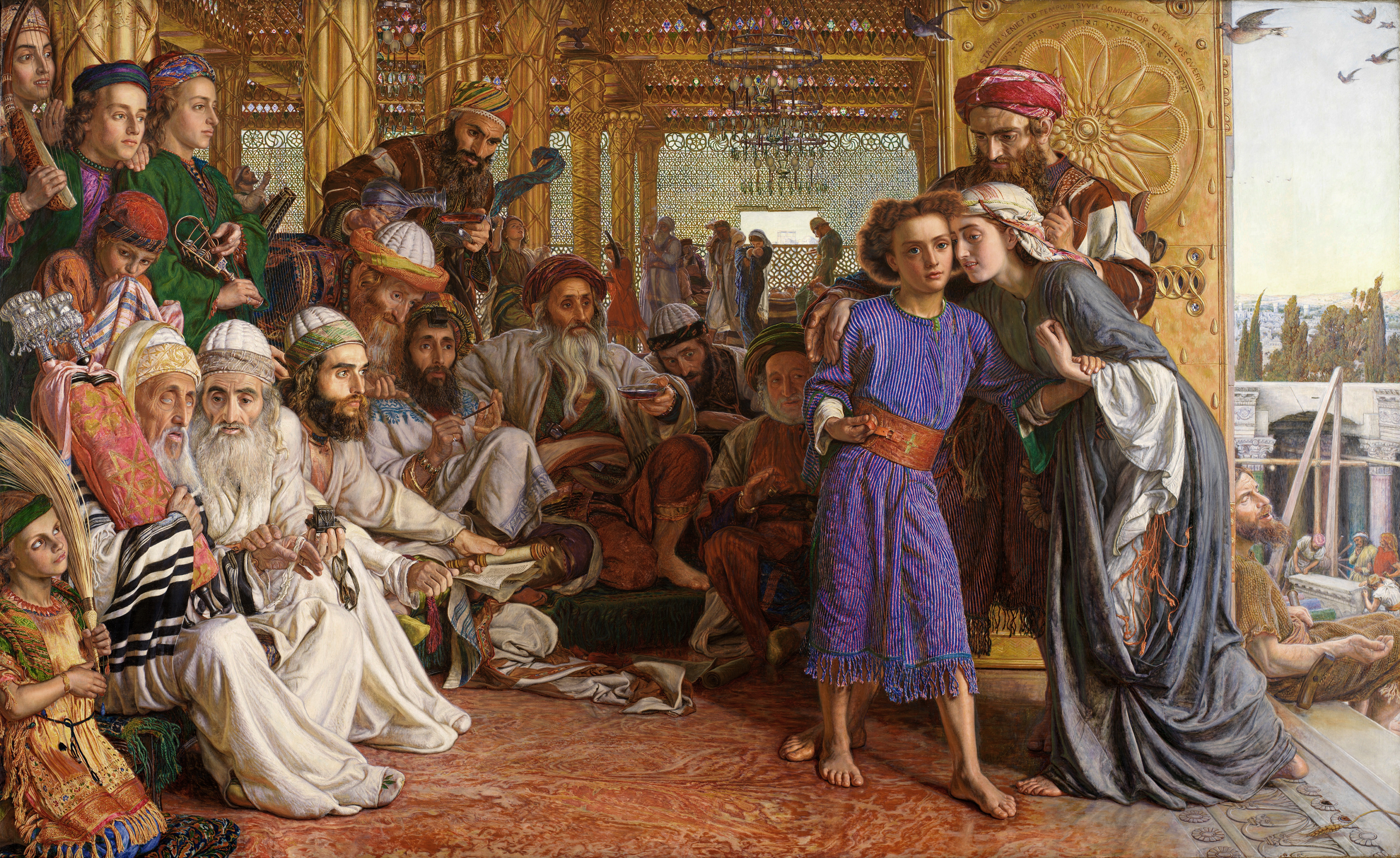
Holman Hunt, The finding of the Saviour in the temple, 1851-53
In the 1950s, he moved away from the Pre-Raphaelite style and developed a new form of realism. His later work was very successful and made him one of the wealthiest painters. Ruskin called it a catastrophe, and he sold himself to William Morris. His admirers pointed to his connections with Whistler and Albert Moore. He himself pointed to Velázquez and Rembrandt as examples. In ‘The Eve of St. Agnes’ and ‘The Sommonambulist’, links to Whistler are evident. His works in the 1950s and 1960s aligned with the emerging Aestheticism, which proclaimed that work should simply be beautiful, not didactic or referential, art for art’s sake. From the 1970s onwards, he produced many works on historical themes, following Reynolds, such as ‘The Two Princes Edward and Richard in the Tower’ (1878), pointing to the history and expansion of Great Britain. He also gained great popularity with his paintings of children. ‘Bubbles’ (1886) was used in a soap advertisement. His final project was ‘The Last Trek’, based on an illustration in his son’s book (1896).
His landscapes are difficult to categorize, such as ‘Chill October’ (1870), and earlier, in the 1950s, ‘Autumn Leaves’ and ‘The Vale of Rest’, devoid of symbolism or reference. He enjoyed painting landscapes in Perthshire, Dunkeld, and Birnham, where he went hunting and fishing until late autumn. In 1885, Queen Victoria made him a baron. After Leighton’s death in 1896, he was elected president of the Royal Academy. In that same year, he died of throat cancer.
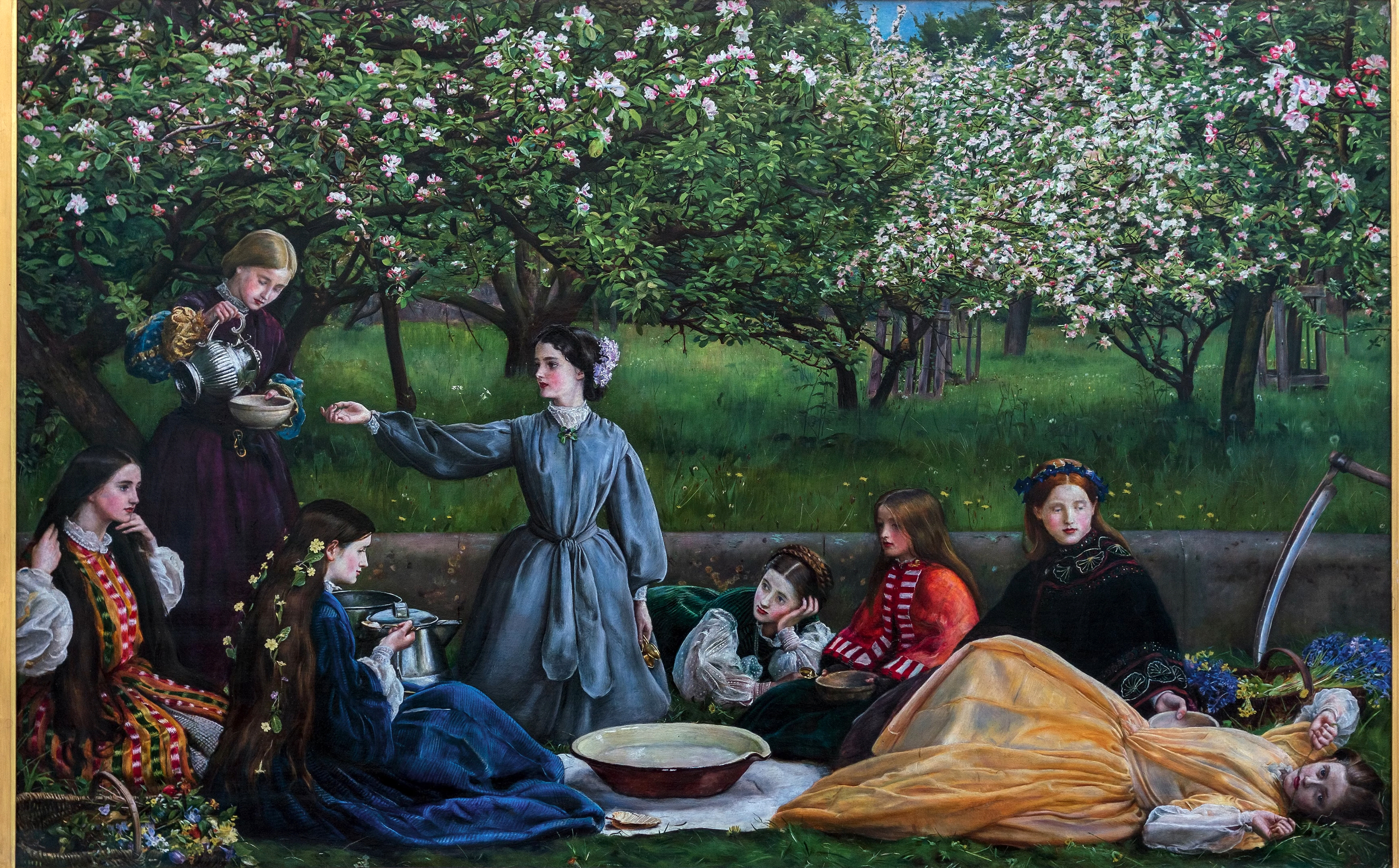
John Everett Millais, Apple Blossoms (Spring), 1858-59, olieverf op doek
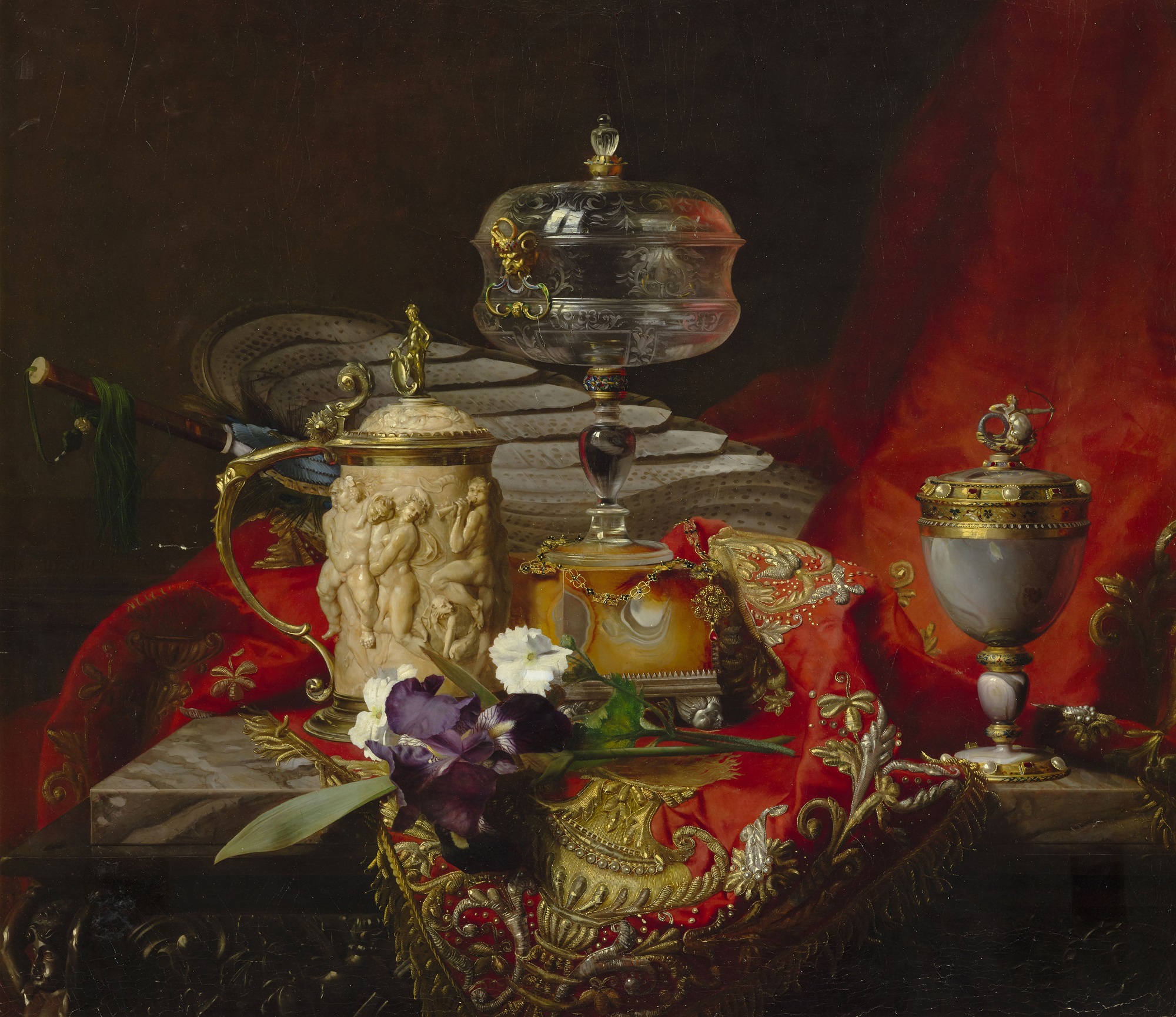
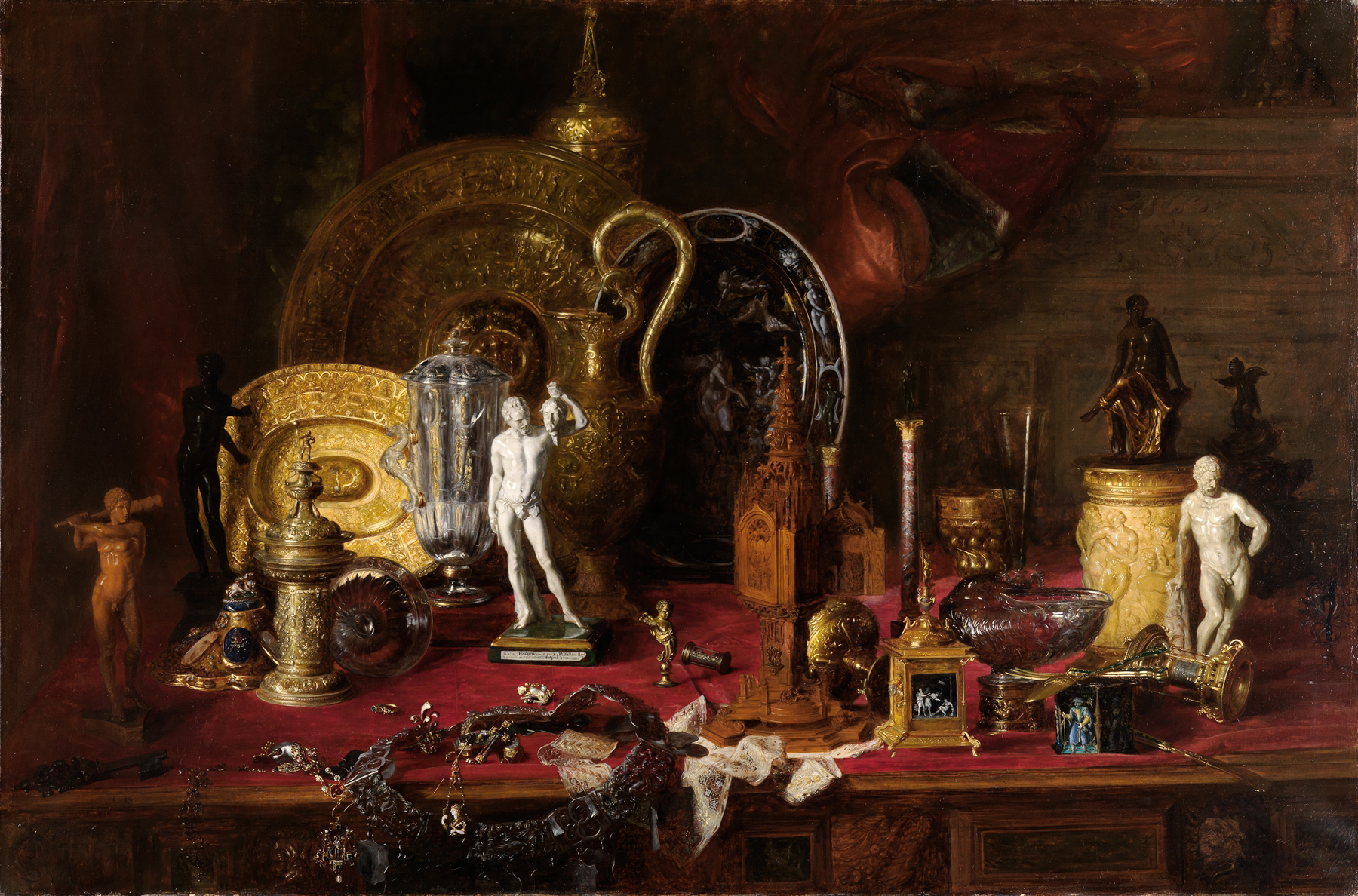
Blaise Desgoffe, Nature morte aux objets d'art du Louvre disposés sur la table à écrirede la reine Marie-Antoinette, ca1890, olieverf op karton
Pissarro was a convinced anarchist and believed in equality. He could not participate in the Franco-Prussian War (1870-71) because he held Danish nationality. The family moved to Norwood, on the outskirts of London, where he met the salesman Durand-Ruel, who helped him with sales for the rest of his life and who introduced him to Monet there. The two painters went to see the work of Constable and Turner together, realizing how only plein air painting could capture the right light and atmosphere. His work also began to become more spontaneous, using loose brushstrokes and areas of impasto to add depth. A major work from that period is ‘L’Avenue, Sydenham’.
Back in France, he lived in Pontoise from 1872 to 1884, and moved back to England in 1890 and 1897. The development of the steamboat provided a regular and faster connection, and the local train network expanded, bringing more area within reach for plein-air painting of man and nature in harmony. On the other hand, cities were expanding rapidly. When he returned to his home after the war, where he had been forced to leave his work behind, only 40 works remained out of the more than 1,500 Impressionist pieces. The rest had been damaged or destroyed by soldiers, often used in the mud as doormats. He restored his friendships with Cézanne, Monet, Manet, Renoir, and Degas. In 1873, he helped establish an alternative Salon, the "Société Anonyme des Artistes, Peintres, Sculpteurs et Graveurs," featuring the work of 15 painters. He became the first promoter and kept the group together. In 1874, the group held its “Premier Exposition Impressioniste,” receiving much criticism for the absence of religious, historical, or mythological scenes, banal to vulgar subjects, the sketchy style of painting, the visible expressive brushstrokes, and the speed with which they were made—wet-on-wet, often in a single day rather than over months. The American painter Mary Cassat joined the Impressionist group and made exhibitions possible for them in the US. Cassat and Pissarro were considered foreigners by the Salon. Cézanne also produced lithography, woodcuts, polycolor etching, and monotypes.
In 1885, he met Seurat and Signac, who used dots of pure color to blend colors and reveal shadow when viewed from a sufficient distance—a technique known as Pointillism. Pissarro taught himself this time-consuming and laborious technique from 1885 to 1888. Together with Seurat, Signac, and his son Lucien, he exhibited at the Impressionist exhibition of 1886 in a separate section. Pissarro considered it the logical new step after Impressionism, but the others did not follow him. After four years, he turned away from Neo-Impressionism; he found it too artificial, too far from nature, lacking in effects, and too impersonal. His work became more subtle, his colors refined, with stronger detail. His Impressionist colleagues considered this proof of his integrity; they often sought advice from ‘Père Pissarro’. In his old age, he could only work plein air on warm summer days. He then traveled around Northern France and worked from hotels in Rouen, Paris, Le Havre, and Dieppe.
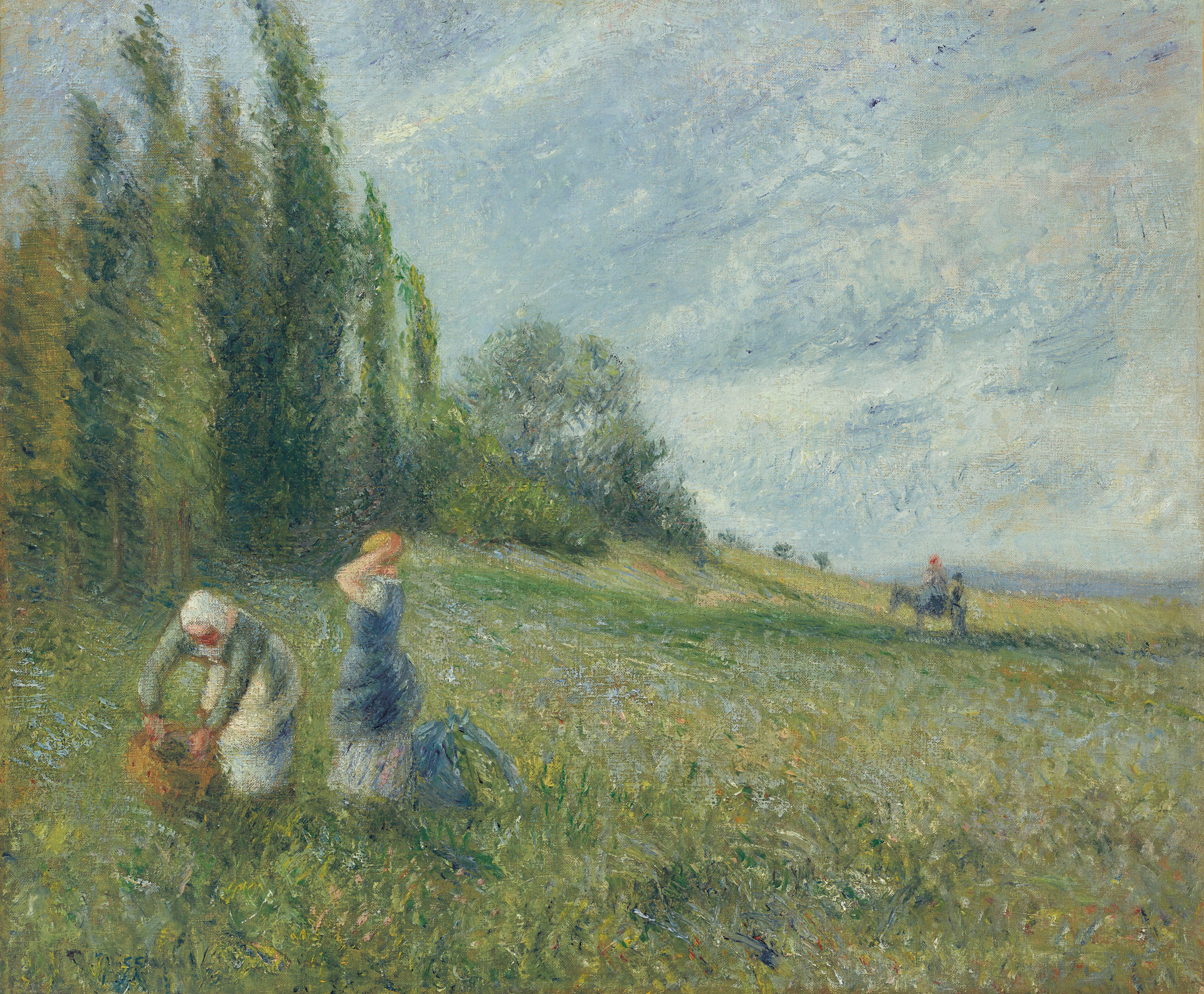
Camille Pissarro, Paysannes dans les champs, Pontoise, 1880, olieverf op doek
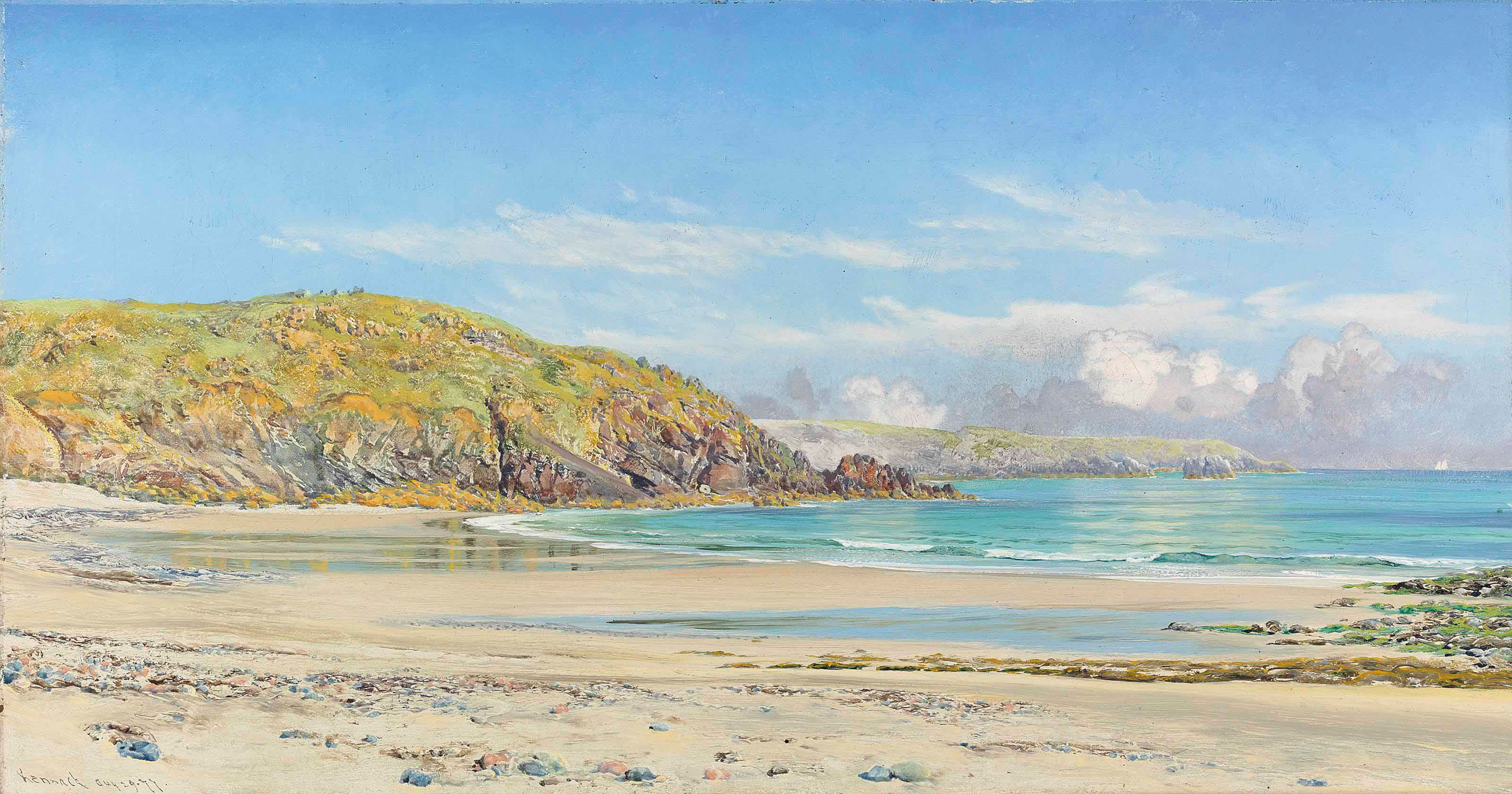
John Brett, Kennack, 1877, oil on canvas
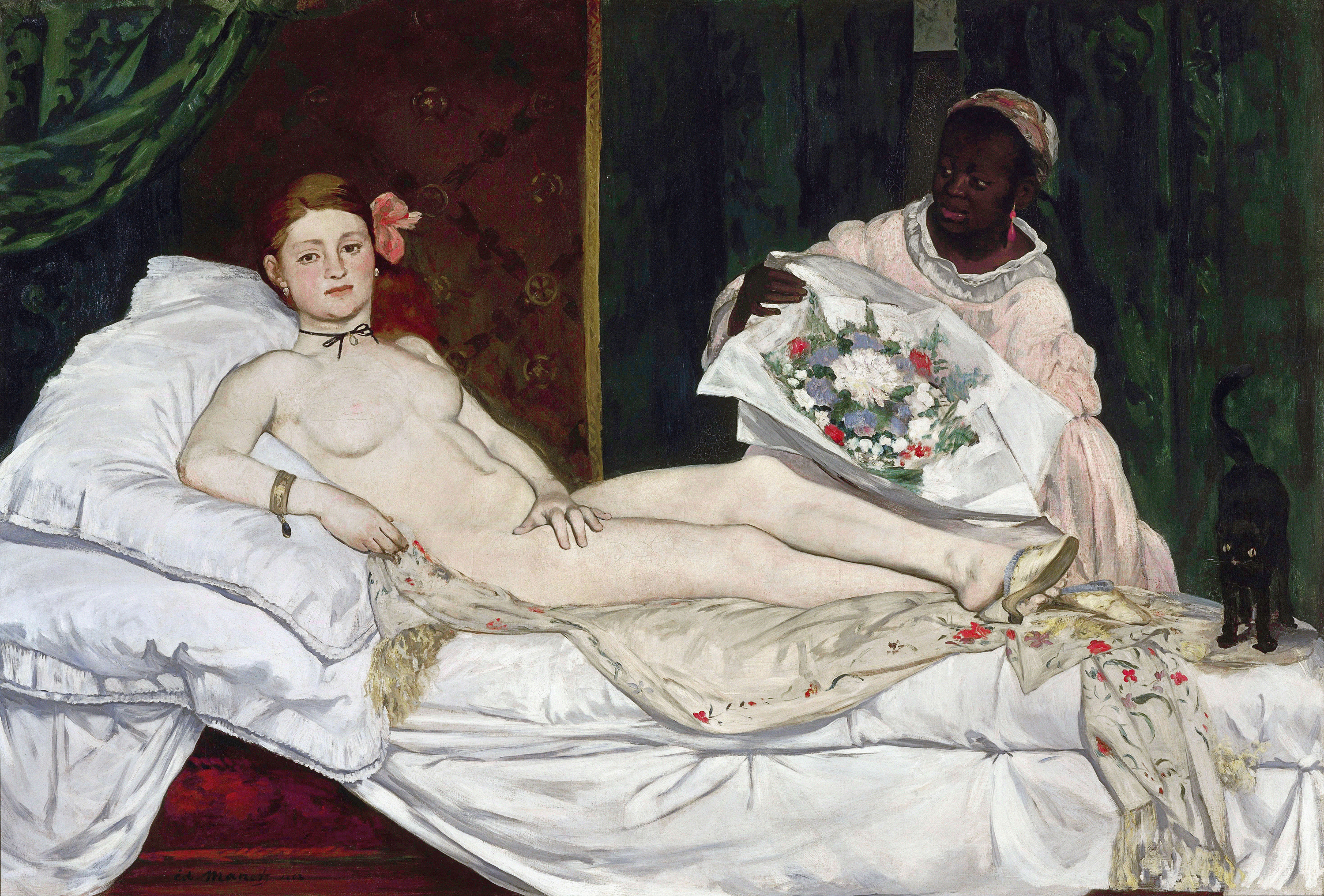
His ‘Olympia’ from 1863-65, referencing Titian and Goya, became a scandal at the Salon of 1865, primarily due to her orchid, the black cat, the bouquet of flowers, and the fact that the black woman was clothed. For Manet, the flatness of her body was meant to make her more human, inspired by Japanese woodcuts. The courtesan looks without shame. The work was the subject of many caricatures but was praised by Courbet, Cézanne, and Monet. In 1862, he married his piano teacher. Through Berthe Morisot, he became friends with Degas, Monet, Renoir, Sisley, Cézanne, and Pissarro. She persuaded him to paint en plein air, a technique she had learned from Corot. Manet adopted certain techniques from Morisot, who became his sister-in-law in 1874.
Manet preferred to show his work at the Salon, but when he was rejected in 1867, he organized his own exhibition. This was very costly; his mother feared he was squandering his inheritance. He received few reviews, but there he met Degas and the future Impressionists. Nevertheless, Manet never wanted to participate in Impressionist exhibitions; he did not wish to identify with them. Yet he was influenced, particularly by Morisot and Monet; he began using lighter colors and limited himself to black. His fans included Zola, Mallarmé, and Baudelaire. He painted in a single coat, alla prima, with opaque paint on a light background, in contrast to the teachings of Couture, who painted multiple layers on a dark background.
In the 1970s, he developed physical problems and pain in his legs, a side effect of syphilis, and rheumatism. ‘Un bar aux Folies-Bergère’, 1882, is his last major work. After that, he painted on a small scale, the last of which features flowers in a glass vase. In 1883, he painted the very last one, two months before his death. A foot was amputated due to gangrene; eleven days later, he died. His oeuvre comprises 430 oil paintings, 89 pastels, and 400 works on paper.
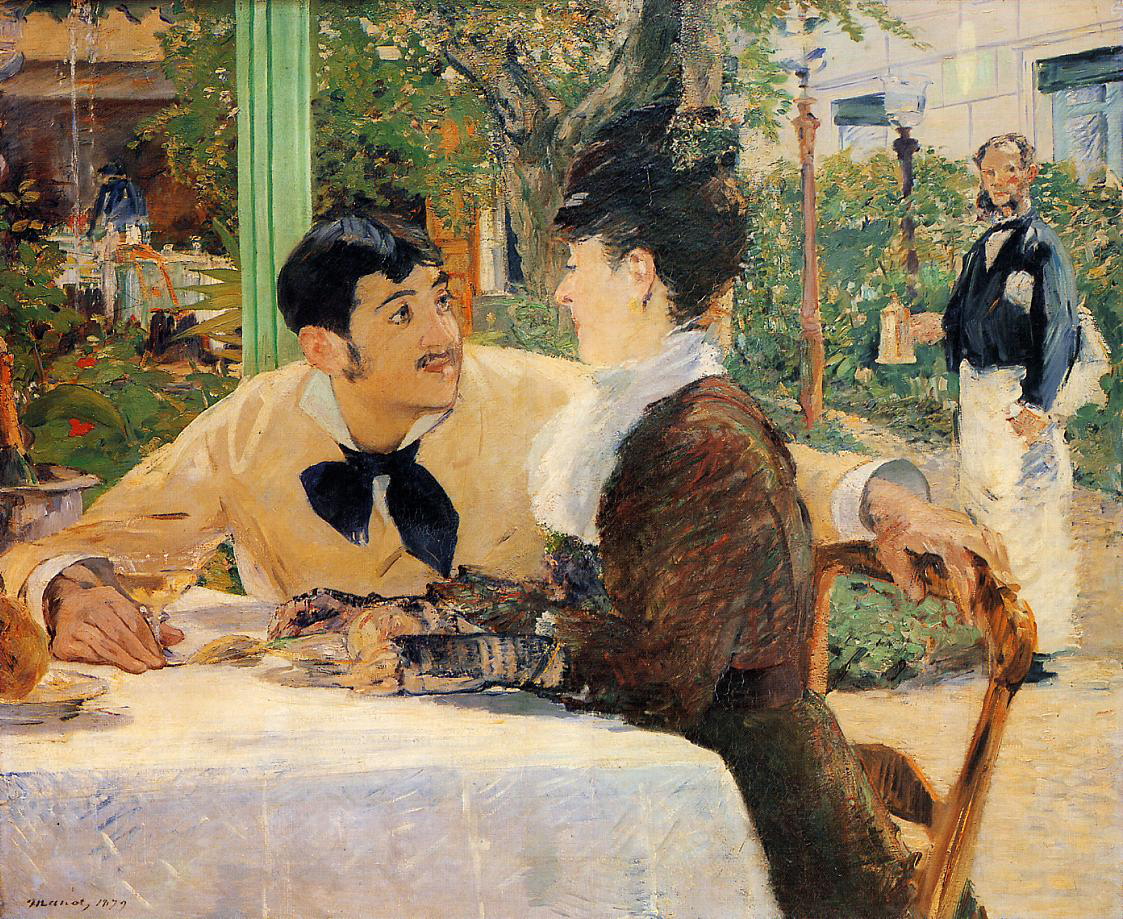
Éduard Manet, Chez le père Lathuille, 1879, olieverf op doek
His most famous works are ‘April Love’, which Morris bought, and ‘The Long Engagement’. He painted ‘The Eve of Saint Agnes’, based on a poem by Keats, in a triptych, just like scenes from Shakespeare’s ‘As You Like It’. Most of his later works were never well received. Home from Sea depicts a boy looking desolate at his mother’s grave. Later, he changed the background and added his sister, posed by Tryphena. The pathos is heightened by cobwebs, dewdrops, and floral symbolism. In the background is a lamb severed from its mother by a tombstone.
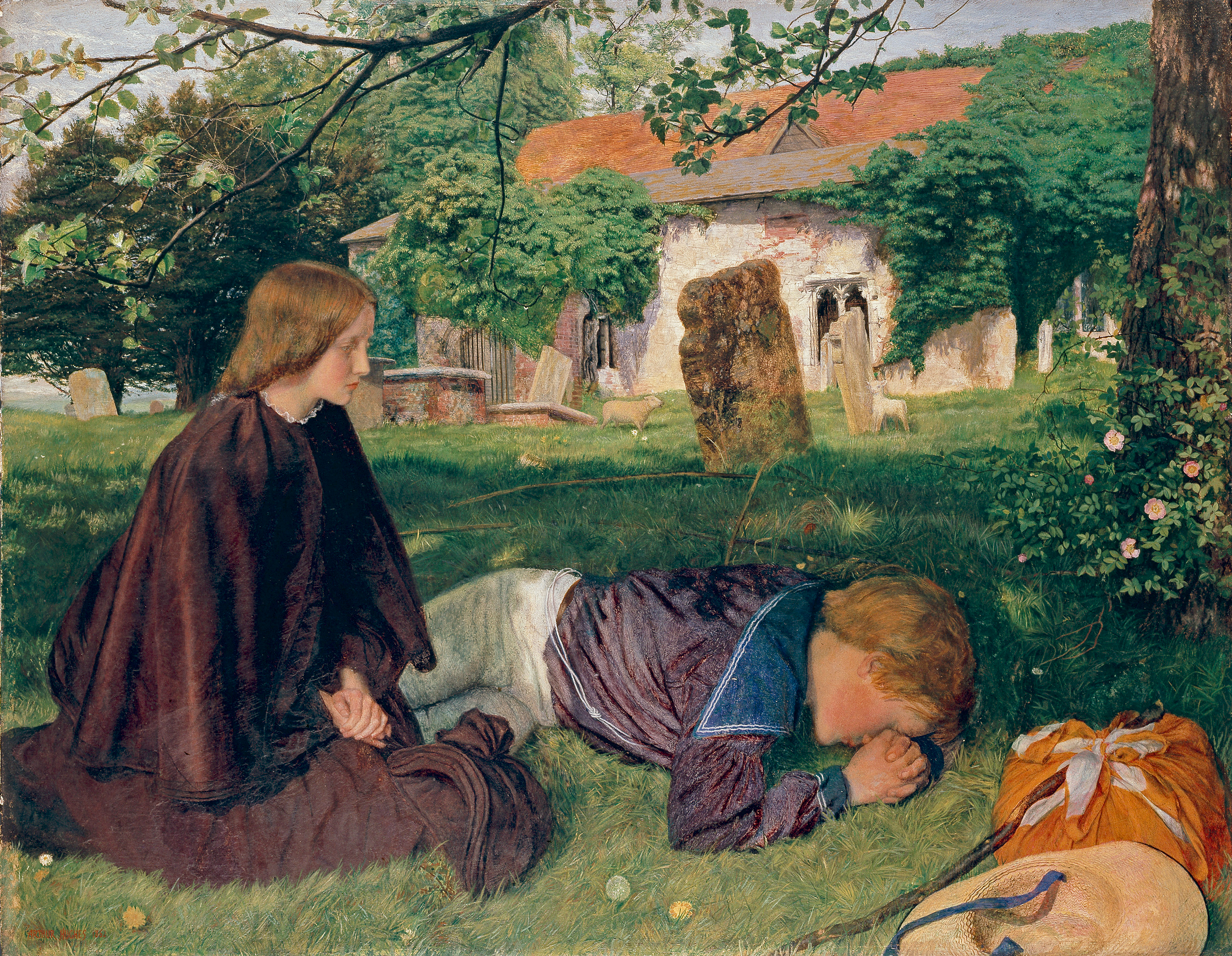
Arthur Hughes, Home from sea (The mother's grave), 1862, olieverf op paneel
In the mid-1960s, the Merovingians were his favorite subject, but they did not garner worldwide interest. He switched to Ancient Egypt, which was more popular. In 1962, he left Leys's studio and began his own career. In 1963, his disabled mother died, and he married the daughter of a French journalist near Brussels in Antwerp City Hall. After Pauline's death in 1969, he never spoke of her again. There are only three portraits of her, but she appears in numerous paintings. They had three children, the son of whom died young. His daughter Anna also painted.
His honeymoon was his first visit to Italy, to Florence, Rome, Naples, and Pompeii, where the ruins captivated and inspired him. Discanno repainted the exposed frescoes before they faded. Lawrence consulted Discanno several times until the latter's death in 1907 regarding the accuracy of his Greco-Roman scenes. In 1964, he met publisher and art dealer Gambart; he received a commission for 24 weeks, and Gambart managed to exhibit three of his works in London. In 1965, he settled in Brussels and was knighted in the Order of Leopold. After Pauline's death, Tadema suffered from depression and did not paint for four months. A medical problem arose, and Gambart advised him to go to London for it.
There he visited Ford Maddox Brown and instantly fell in love with the seventeen-year-old Laura Theresa Epps. Because of this, and also due to the Franco-Prussian War, he settled in London in 71, together with his young daughters and his sister who cared for them. He gave painting lessons to Laura there and married her in 71. She featured frequently in his works and also became an artist herself. In England, he changed his name from Lourens to Lawrence. He added ‘Alma’ to his surname so that he would always appear at the front of a catalogue. Also in 71, he became friends with most of the Pre-Raphaelite painters, and under their influence, his colors brightened, he varied his tones more, and adopted a lighter brushstroke. From 72 onwards, he began numbering his works, including older ones, to prevent forgery. In 72, he traveled with Laura to Brussels, Germany, and Italy. He visited the same ruins again, took photographs there, and began a photo archive for later paintings. In 76 he rented a studio in Rome; afterwards they visited the Paris Salon and moved back to London, where he regularly met the painter-sculptor Emil Fuchs.
He became one of the most famous and best-paid painters there. In 1879 he was appointed a Royal Academician; in 1882 he had a retrospective at the Grosvenor Gallery in London, featuring 185 works. In 1883 he traveled to the ruins of Pompeii for the third time. For his painting ‘The Roses of Heliogabalus’ (1888), depicting an orgy of the Roman Emperor Heliogabalus, he received rose petals sent to him from the French Riviera for four months. He even had flowers sent from Africa to quickly incorporate into his painting before they wilted. Besides works on the Ancients, he also painted portraits, landscapes, watercolors, and made etchings. Outside of painting, he also enjoyed wine, women, and parties, and was an excellent businessman. He received a medal at the Paris Exposition Universelle of 1889 and a gold medal at the International Exhibition in Brussels in 1897. He was knighted in England in 1999. He helped with the British selection for the Exposition Universelle in Paris in 1900 and the Saint Louis World’s Fair of 1904. At the same time, he was active in theater and designed many costumes. He designed furniture, textiles, frames, and illustrations. Until 1903, he often painted women on marble terraces with sea views. Even between 1903 and his death, he continued to create grand works.
Laura died in 1909, and the grief contributed to his own death three years later. In 1912, he was treated for stomach ulcers at a spa in Wiesbaden but died in 1912.
Alma-Tadema had a major influence on other painters, such as Khnopff, who also incorporated classical motifs, as well as his abrupt cropping of a scene at the edge. Lawrence disliked the new styles of Post-Impressionism, Fauvism, Cubism, and Futurism. Just as he had been very popular, Modernism made it very common to reject his style. Ruskin declared him the ‘worst painter of the 19th century’. Many films set in the ancient world (from Ben Hur to Narnia) were based on his research and works. Partly as a result of this, a revival of interest in his work occurred.
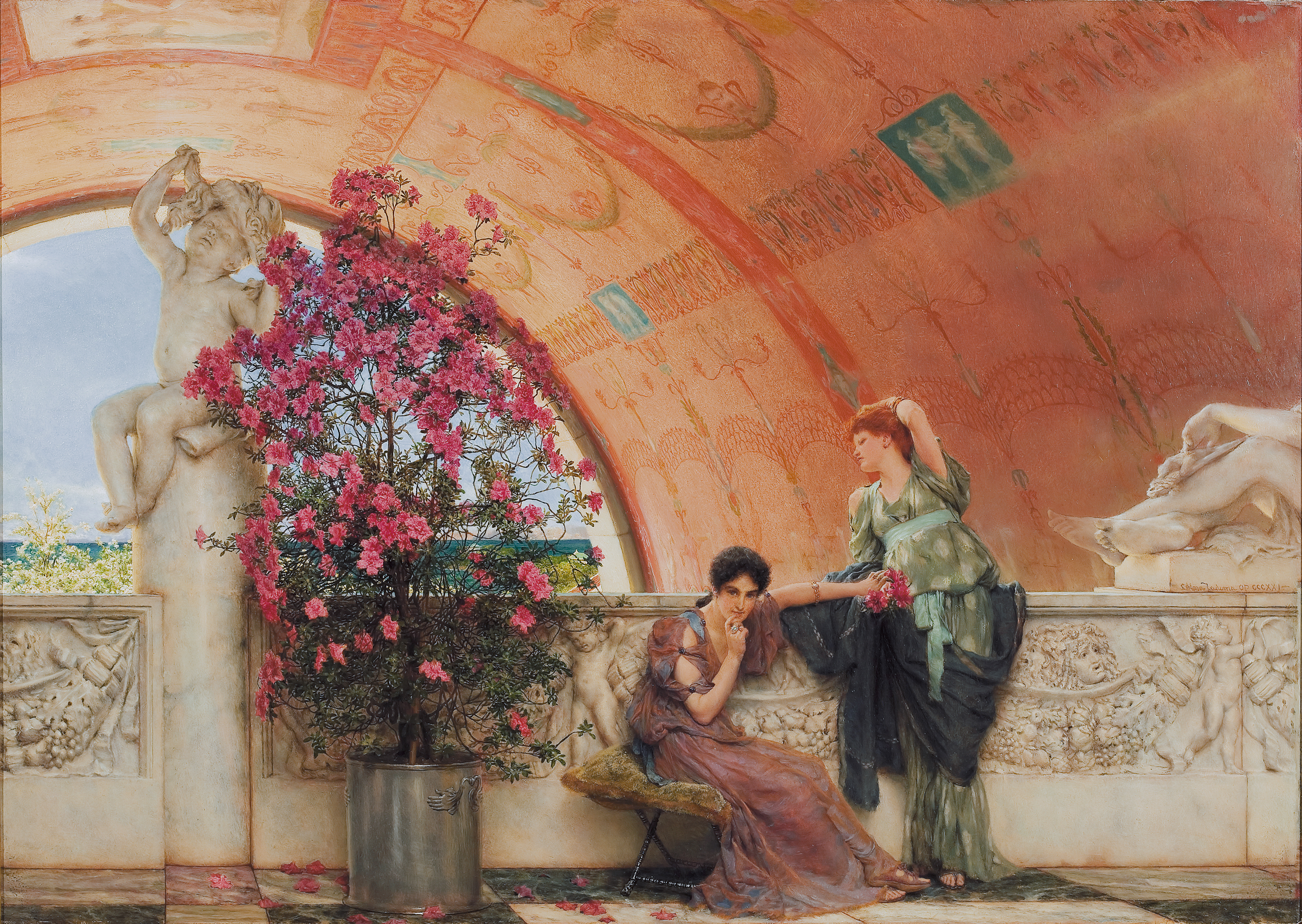
Lawrence Alma-Tadema, Onbewuste rivalen, 1893, olieverf op doek
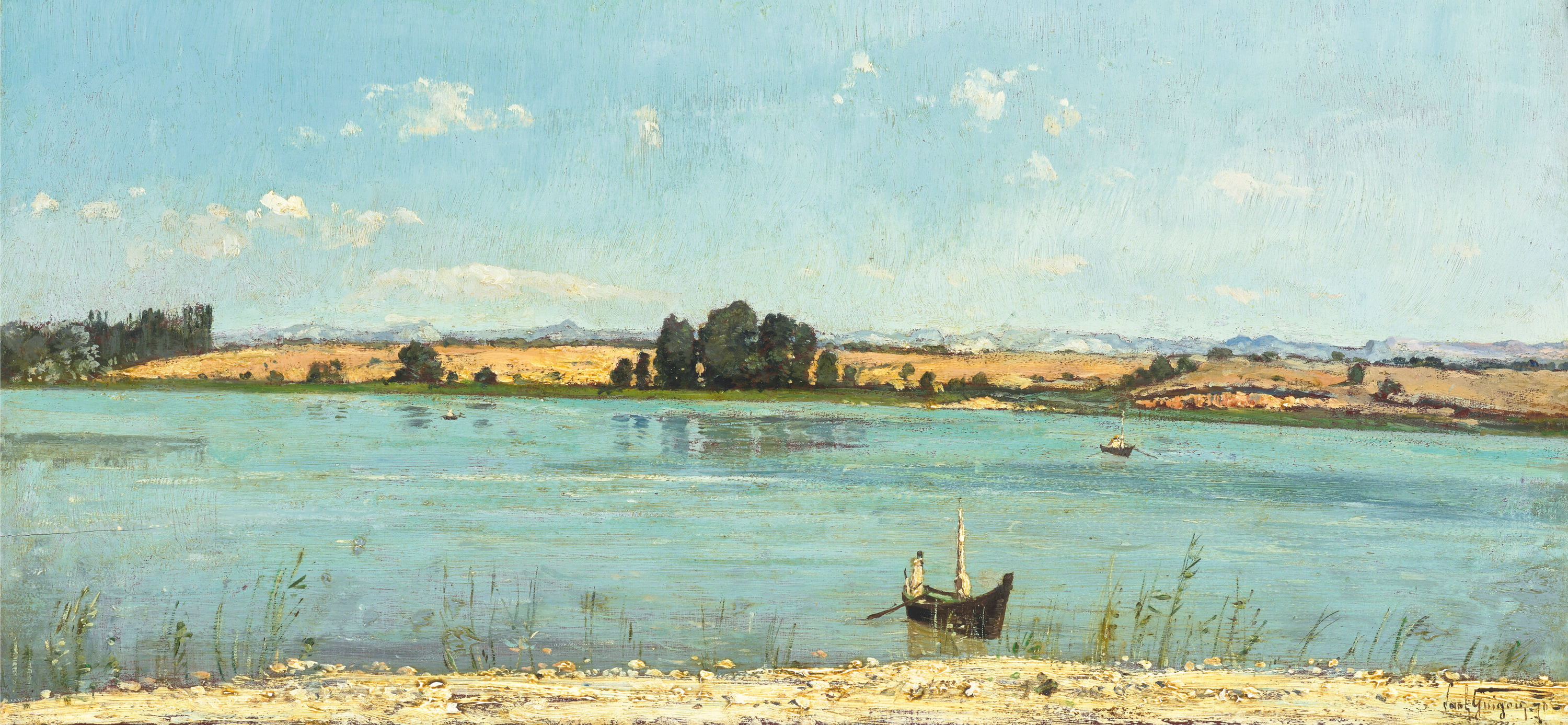
Paul Camille Guigou, Barques sur la Durance, 1870, olieverf op paneel
For a few months, he lived in Baltimore with a wealthy friend, Tom Winans, who provided Whistler with a studio and some pocket money. The young artist made a number of valuable contacts in the art community and also sold several paintings to Winans. Whistler rejected his mother's suggestions for other, more practical careers and told her that he planned to continue his art education in Paris with money from Winans. He never returned to the United States.
Whistler arrived in Paris in 1855, rented a studio in the Latin Quarter, and soon adopted the life of a bohemian artist. He briefly studied traditional art methods at the École Impériale and with Charles Gleyre, a great proponent of the work of Ingres, who considered line more important than color and believed that black was the fundamental color of tonal harmony. While letters from home reported his mother's efforts to be frugal, Whistler spent lavishly, sold little or nothing in his first year in Paris, and was in debt. To alleviate the situation, he sold copies of works in the Louvre and moved to cheaper accommodations. The arrival in Paris of George Lucas, another wealthy friend, stabilized Whistler's finances for a while. Despite this respite, the winter of 1857 was a difficult one for Whistler, with poor health exacerbated by excessive smoking and drinking. In the summer of 1858, Whistler recovered and traveled through France and the Rhineland with fellow artist Ernest Delannoy. Later, he produced a group of etchings known as ‘The French Set’. He met Henri Fantin-Latour at the Louvre and became friends. Through him, Whistler was introduced to the circle of Gustave Courbet, which also included Carolus-Duran, Alphonse Legros, Édouard Manet, and Charles Baudelaire.
Following the example of French Realism, Whistler painted his first exhibited work, ‘La Mère Gérard’, in 1858. Subsequently, in 1859, he lived in London, which he considered his home, while also regularly visiting friends in France. The following year he exhibited at the Royal Academy, and many exhibitions followed. After a year in London, in 1860, he produced a series of etchings called ‘Thames Set’, as a counterpart to his French set from 1858, as well as some early Impressionist work, including ‘The Thames in Ice’. At this stage, he began developing his technique based on a limited palette.
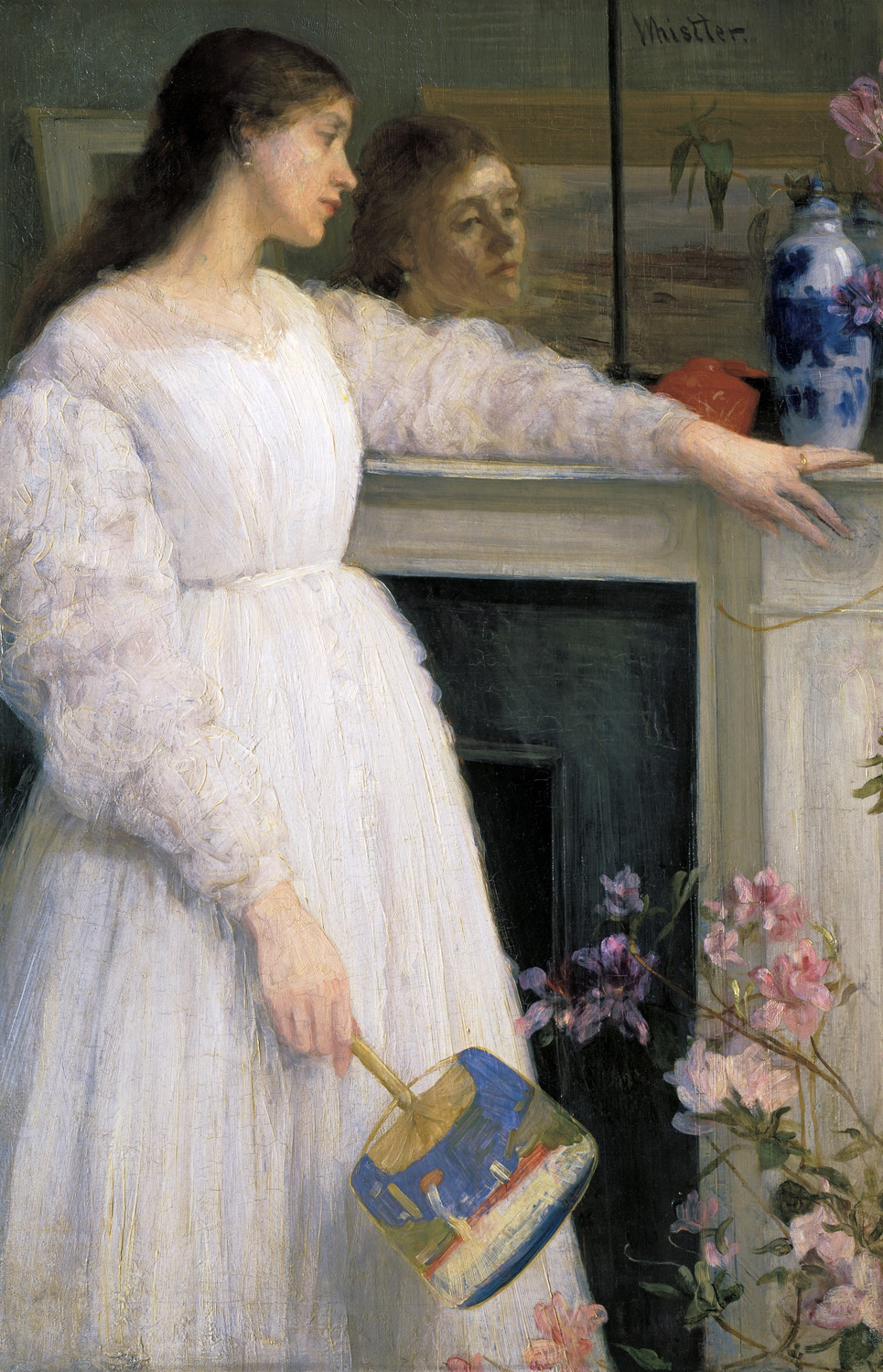
In Paris, Whistler was friends with members of the Symbolist circle of artists, writers, and poets, including Stéphane Mallarmé and Marcel Schwob. Whistler was friends with many French artists, including Henri Fantin-Latour, Alphonse Legros, and Gustave Courbet. He also knew Édouard Manet and the Impressionists, particularly Claude Monet and Edgar Degas. As a young artist, he was a close friend of Dante Gabriel Rossetti, a member of the Pre-Raphaelites. His close friendships with Monet and poet Stéphane Mallarmé, who translated the Ten O'Clock lecture into French, helped strengthen respect for Whistler among the French public. Whistler was friends with his fellow students in Gleyre's studio. In 1861, after having returned to Paris for a while, Whistler painted his first famous work, ‘Symphony in White, No. 1: The White Girl’. The portrait of his mistress and business manager Joanna Hiffernan was regarded by some Englishmen as a painting in the Pre-Raphaelite style. In the painting, Hiffernan holds a lily in her left hand and stands on a wolfskin rug, interpreted by some as a symbol of masculinity and lust, with the head of the wolf staring menacingly at the viewer. The portrait was rejected for exhibition at the Royal Academy but was exhibited in a private gallery under the title ‘The Woman in White’. In 1863, it was exhibited at the Salon des Refusés in Paris. The Little White Girl, Lady of the Land, Lijsen, and The Golden Screen once again portray Hiffernan in even more emphatic Asian clothing and surroundings.
During this period, Whistler became friends with Gustave Courbet, the early leader of the French realist school, but his relationship with Hiffernan broke down when Hiffernan posed nude for Courbet. From 1866, Whistler settled in Chelsea, London. In 1866, Whistler decided to visit Chile for political reasons, where he painted three night scenes of the harbor. Back in London, he painted several more nocturnes over the next ten years, many of the River Thames and of Cremorne Gardens, an amusement park known for its frequent fireworks displays. Some of the paintings of the Thames also show compositional and thematic similarities to the Japanese prints of Hiroshige. Whistler began re-titleing many of his earlier works using terms related to music, such as a ‘nocturne’, ‘symphony’, ‘harmony’, ‘study’, or ‘arrangement’. His submission of various nocturnes to art dealer Paul Durand-Ruel after the Franco-Prussian War gave Whistler the opportunity to explain his evolving ‘theory in art’ to artists, buyers, and critics in France. When Edgar Degas invited Whistler to exhibit at the first Impressionist show in 1874, Whistler declined the invitation, as did Manet, and some attributed this partly to the reactionary Fantin-Latour, who had no liking for Impressionism.
During the 1870s and much of the 1880s, Whistler lived with his model and mistress, Maud Franklin. Her ability to endure long, repetitive sittings helped Whistler develop his portrait skills. Not only did he create several excellent portraits of her, but she also served as a useful stand-in for other models. Whistler had two daughters with Maud Franklin. (Whistler had several illegitimate children.) Whistler was disappointed by the inconsistent acceptance of his works for the Royal Academy exhibitions and the poor hanging and placement of his paintings. In response, Whistler organized his first solo exhibition in 1874. The exhibition was remarkable, however, and stood out due to Whistler's design and decoration of the hall, which harmonized well with the paintings, in accordance with his art theories. Whistler was not as successful a portrait painter as John Singer Sargent. He also worked very slowly and demanded extraordinarily long sessions. Whistler acquired an enormous reputation as an etcher. He devoted great care to the printing of his etchings and the choice of paper.
The ‘Peacock Room’ (1876-1877) is Whistler’s masterpiece of decorative wall painting, a high-quality example of the Anglo-Japanese style. The purpose of Leyland’s room was to display his porcelain collection. Whistler repainted the original panel room designed by Thomas Jeckyll (1827-1881) in a uniform palette of brilliant blue-greens with overglaze and metallic gold leaf. He painted entirely over a 16th-century Cordoba leather wall covering that had been brought to Great Britain for the first time by Catherine of Aragon and for which Leyland had paid £1,000. After his ‘The Princess from the Land of Porcelain’ was deemed the masterpiece, the American industrialist Charles Lang Freer bought the entire room from Leyland’s heirs in 1904 and had the contents of the Peacock Room installed in his mansion in Detroit.
In 1877, Whistler sued the critic John Ruskin for condemning his painting ‘Nocturne in Black and Gold: The Falling Rocket’ (1874). Whistler exhibited the work at the Grosvenor Gallery, an alternative to the Royal Academy exhibition, alongside works by Edward Burne-Jones and other artists. Ruskin wrote that Sir Coutts should not have admitted Lindsay Whistler “in which the ill-educated conceit of the artist came so close to the aspect of deliberate deceit. I have seen and heard much of Cockney’s brutality before; but never expected that a slut would ask two hundred guineas for throwing a pot of paint in the face of the public.” Whistler, seeing the attack in the newspaper, replied to his friend George Boughton: “It is the most despicable form of criticism I have received up to now.” He then went to his lawyer and drafted a summons for libel. Whistler hoped to claim £1,000 plus the costs of the lawsuit. The case came before the court the following year after delays caused by Ruskin's bouts of mental illness, while Whistler's financial situation continued to deteriorate. The jury ruled in Whistler's favour but awarded only meager damages, and the legal costs were shared. The costs of the case, together with the enormous debts he had incurred from the construction of his home, caused him to go bankrupt in May 1879, resulting in an auction of his work, collections, and house. Whistler's great hope that the publicity from the trial would save his career was dashed when he lost popularity among patrons rather than gained it. Among his creditors was Leyland, who oversaw the sale of Whistler's assets. Whistler always blamed Leyland for his financial ruin.
After the trial, Whistler received a commission to make twelve etchings in Venice. He accepted the commission with enthusiasm and arrived in the city with his girlfriend Maud Franklin, where they took rooms in a dilapidated palazzo that they shared with other artists, including John Singer Sargent. Although he was homesick for London, he adapted to Venice and went in search of its character. He did his best despite the impending sale of all his goods at Sotheby's. He was a regular guest at parties at the American consulate. During this period, Whistler successfully completed more than fifty etchings, several nocturnes, a few watercolors, and over 100 pastels. He was also actively engaged in exhibiting his other work, but with limited success. In January 1881, his mother Anna Whistler died.
Whistler published his first book, ‘Ten O'Clock Lecture’, in 1885, a significant expression of his belief in ‘art for art’s sake’. Moreover, he believed that “Nature is very rarely right,” and must be improved by the artist with his own vision. His book was praised by Oscar Wilde. However, Whistler felt that he was being mocked by Oscar Wilde, and from that moment on, a public skirmish ensued that led to a complete break in their friendship. Whistler joined the Society of British Artists in 1884 and was elected president on June 1, 1886. The following year, during Queen Victoria’s Golden Jubilee, Whistler presented an extensive album to the Queen on behalf of the Society. Queen Victoria admired “the beautiful and artistic illumination” so much that she decided the Society would henceforth be called Royal. This achievement was widely appreciated by the members but was soon overshadowed by the dispute that inevitably arose with the Royal Academy of Arts. Whistler proposed that members of the Royal Society withdraw from the Royal Academy. This ignited a feud among the members. Whistler and 25 followers resigned.
When his relationship with Maud Franklin fell apart, Whistler suddenly proposed to Beatrice Godwin (also known as Beatrix or Trixie), a former student and the widow of his late friend. The wedding ceremony was quickly arranged. Whistler's reputation in London and Paris rose, and he received positive reviews from critics and new commissions. In 1890, he met Charles Lang Freer, who became a valuable patron in America and eventually his most important collector. Around this time, alongside portraits, Whistler experimented with early color photography and lithography, creating a series featuring London architecture and the human figure, primarily female nudes. He and Trixie moved to Paris in 1892 and lived with his studio at the top of Montparnasse. He felt welcome among his old Parisian friends Monet, Auguste Rodin, Henri de Toulouse-Lautrec, and Stéphane Mallarmé, and he established a large studio for himself. He was at the height of his career when it was discovered that his wife Trixie had cancer. They returned to London in February 1896 and took rooms at the Savoy Hotel while she underwent medical treatment. She died a few months later.
Canfield, his new patron and owner of fashionable gambling dens in New York, returned to Europe to pose for Whistler every day during the New Year in 1903. Whistler was ill and weak at the time, and the work was his last completed portrait. In the final seven years of his life, Whistler created a number of minimalist seascapes in watercolor and a final self-portrait in oil. He corresponded with his many friends and colleagues. Whistler founded an art academy in 1898, but his poor health and irregular appearances led to its closure in 1901. He died in 1903, six days after his 69th birthday.
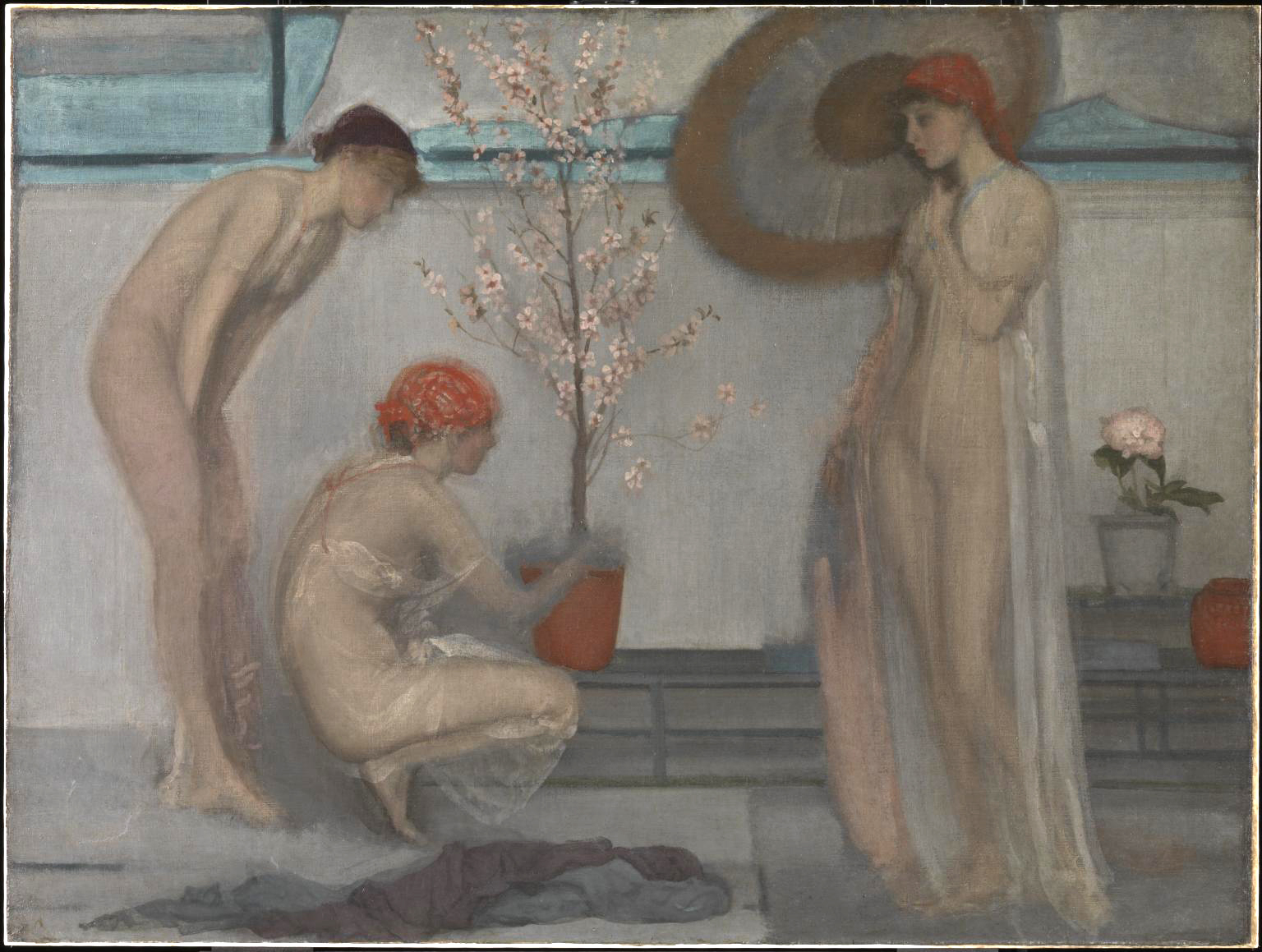
James Abbott Whistler, Pink and grey: three figures, 1879, oil on canvas
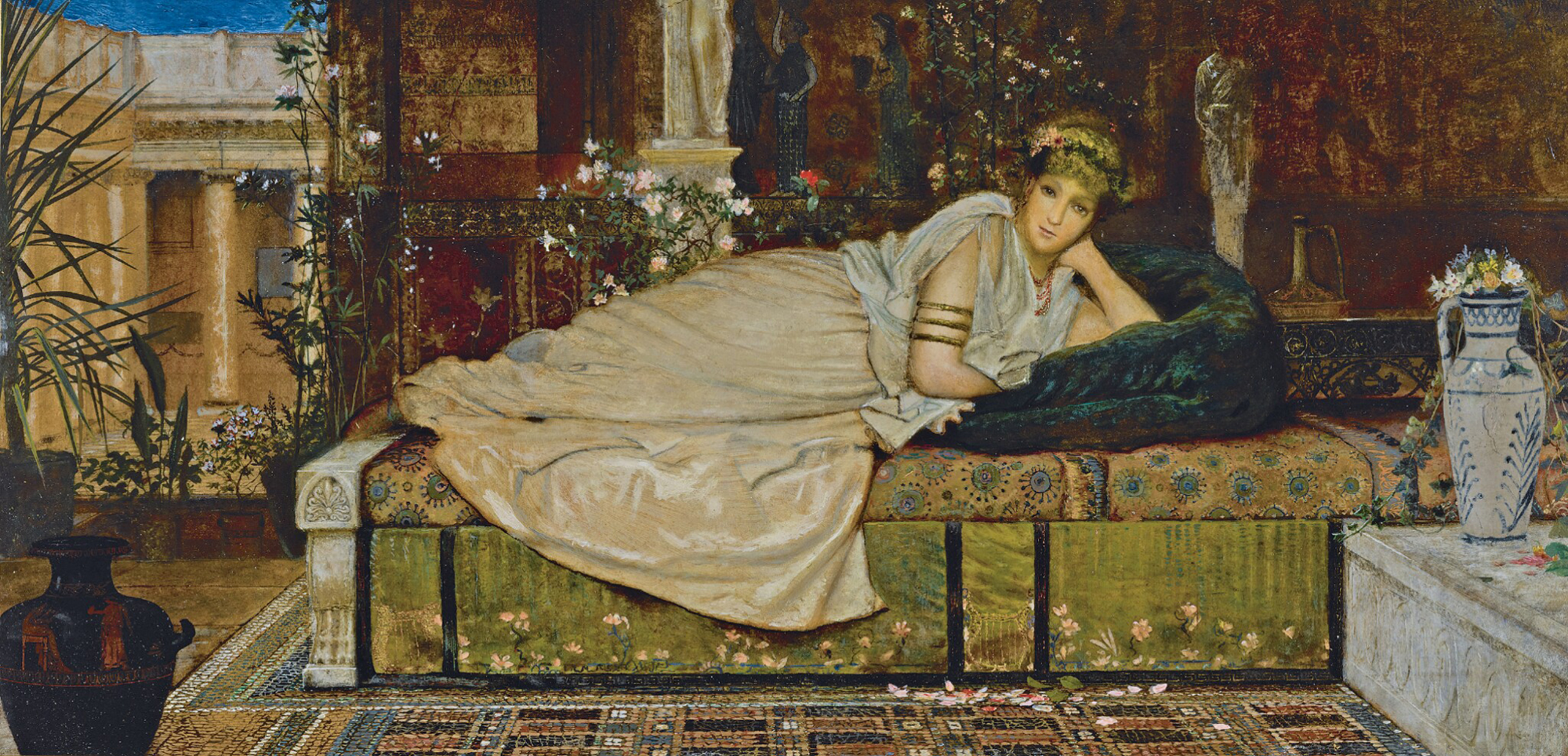
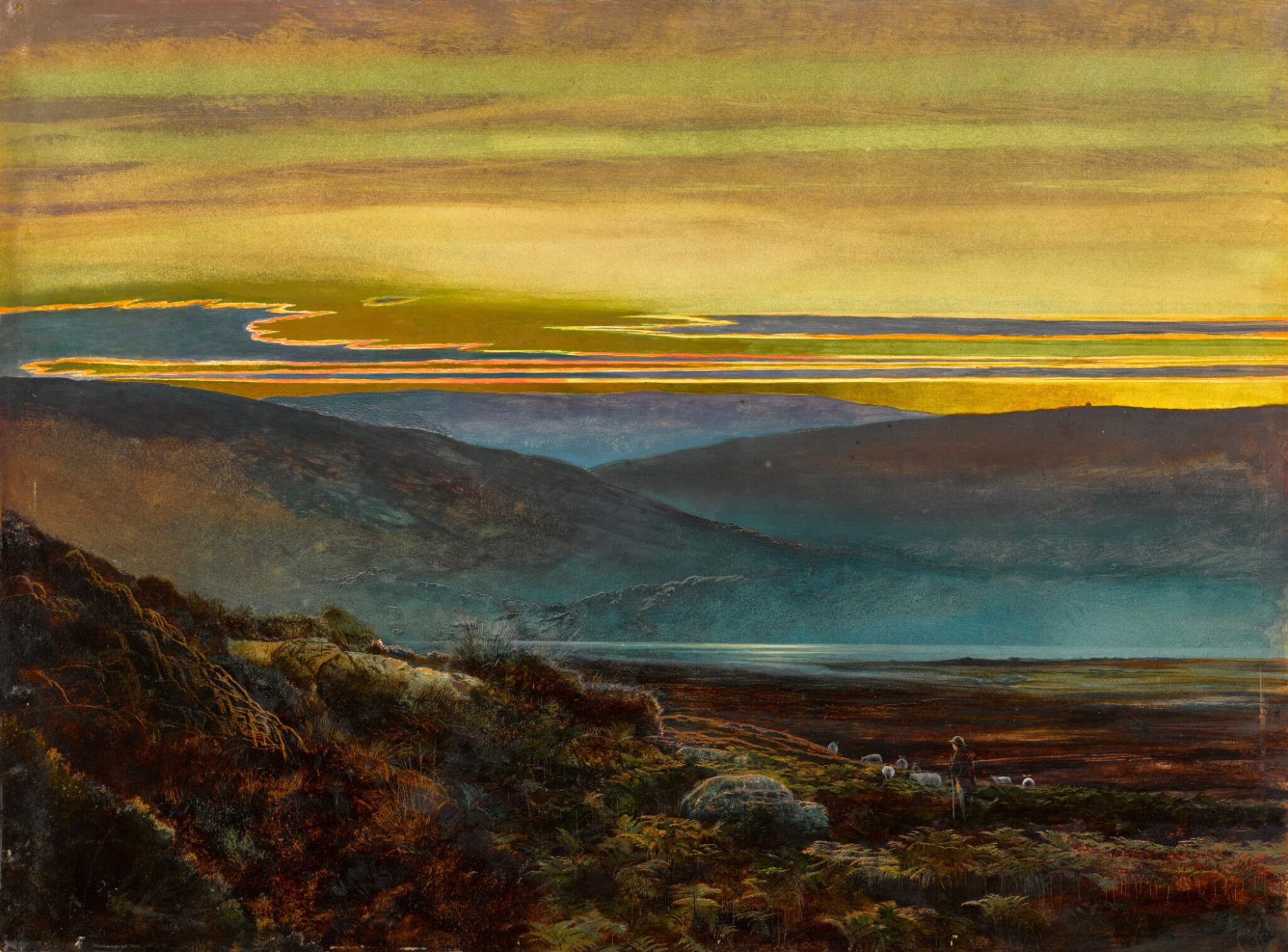
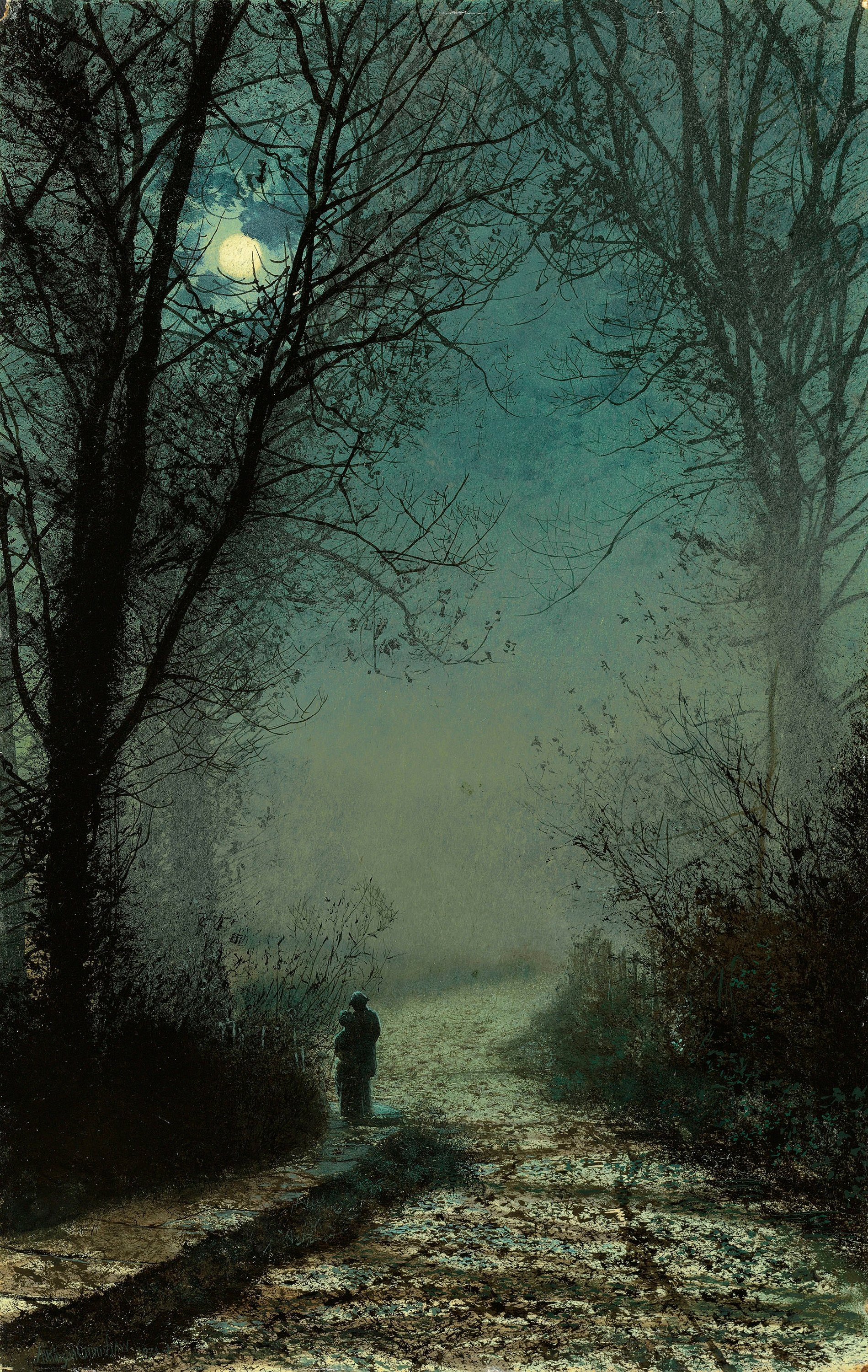
The greatest influence came from the Pre-Raphaelites, in terms of color and lighting, and this remained the case. He often painted moonlit urban or suburban streets and docks, frequently in London, Hull, Glasgow, and Liverpool. In the 1970s, he also painted interior scenes, influenced by Tissot and the ‘aesthetic movement’ (art for art’s sake). In his later work, alongside cityscapes at twilight or yellow streetlights, he painted imagined scenes from the Greek and Roman empires, as well as literary subjects by Longfellow and Tennyson; he named his children after characters from poems by Tennyson.
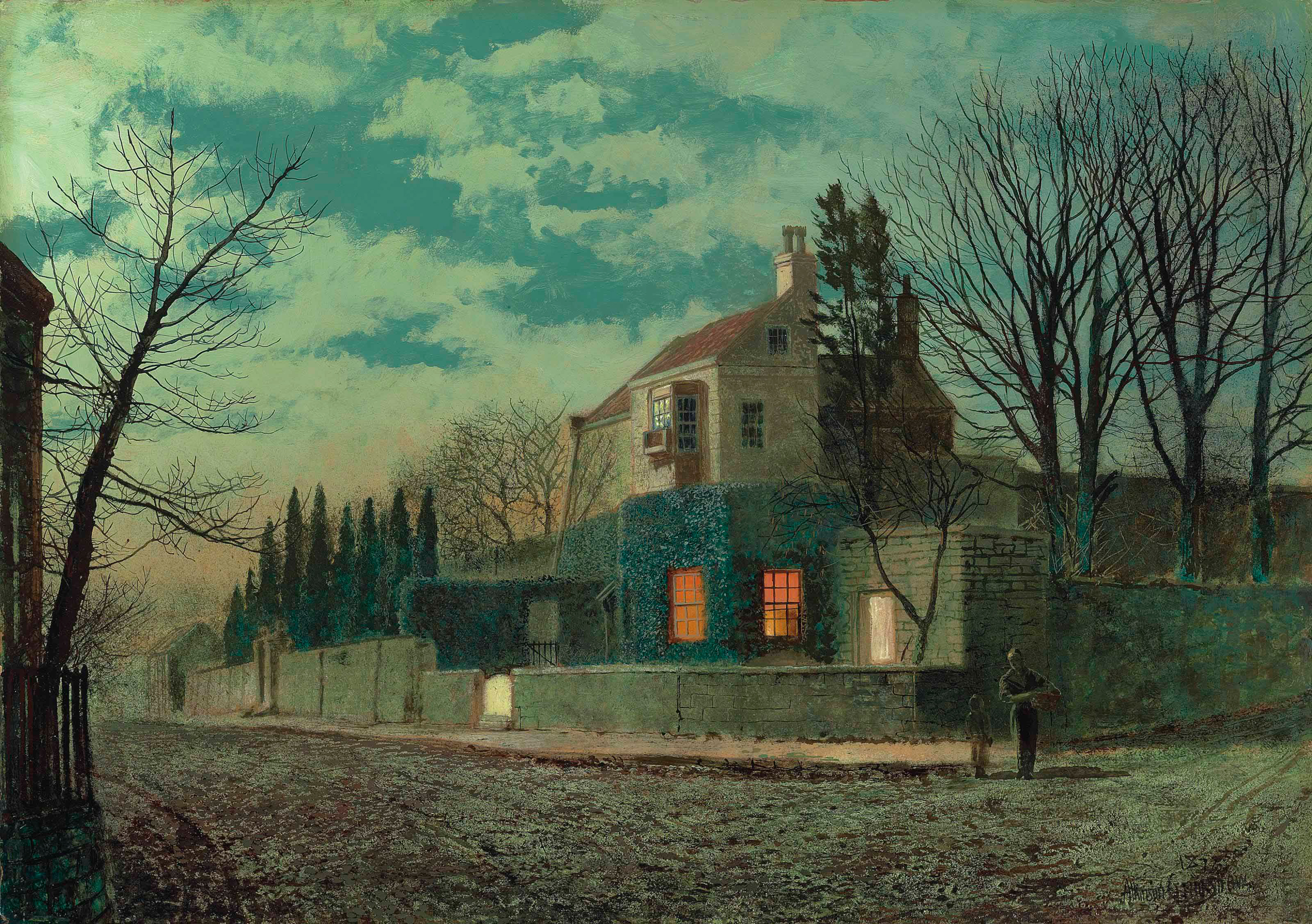
Atkinson Grimshaw, Yew Court, Scalby, 1877, olie op karton
For his studies, he moved to Paris in 61, against his father's wishes, and attended the free ‘Académie Suisse’ there. There he met Pissarro and Emperaire. In the Louvre, he copied Michelangelo, Rubens, and Titian. In September, he returned to Aix and worked with his father; in 62, he moved back to Paris. He resumed the realism of the Académie Suisse, where he now met Monet, Renoir, and Sisley. He was greatly influenced by the artistic innovations of Delacroix and Courbet. Courbet's followers called themselves realists and adhered to the principle “Il faut encanaillerl’art” (one must defile art), already formulated in 49: art had to become a matter of daily life once again.
Cézanne’s paintings were exhibited in 1963 at the Salon des Refusées, established by Napoleon III to appease tensions following the numerous rejections by the Salons. He continued to be rejected until his friend Guillemet joined the jury in 1982. Each juror was allowed to submit a work by one of their students, and that is how Cézanne gained entry. It was likely the painting of his father, created in 1966. The work hung at the very top and was dimly lit. It remained the only work for the Salons.
In 65, he returned to Aix. In 66, he painted a series of works with a palette knife, mainly still lifes and portraits. In early 69, he met Marie-Hortence Fiquet at the Académie Suisse. He lived with her in L’Estaque during the Franco-Prussian War. He refused military service and went into hiding there. After the suppression of the Paris Commune, the couple returned to Paris in 71; a son was born in 72. He received a monthly allowance of one hundred francs from his father, which is why he had never told him about his girlfriend. Also in 72, he took Emperaire into his family, which was financially destitute and abandoned. They also met Doctor Paul Gachet (who later became Van Gogh's doctor). He made his studio available to Cézanne. In 72, he began painting with Pissarro in Pontoise; Pissarro became his mentor there and persuaded Cézanne to omit dark colors and use mainly primary ones, and not to paint contours but to create form through tonal differences.
They joined Monet to have their own exhibition outside the Salons in 1967 and held the first exhibition of the Société anonyme des artistes, peintres, sculpteurs et graveurs. Pissarro pushed Cézanne through despite objections from other painters that his work would detract from the exhibition, and because of his character—rough, shy, angry, and prone to depression. Manet withdrew, remarking that Cézanne was a mason who painted with a trowel. He indeed aroused indignation and ridicule among critics with ‘Paysage près d’Auvers’ and ‘Olympia moderne’. The latter work referred to Manet’s Olympia, which was already so reviled. To the prostitute and the servant, he added the suitor, perhaps a self-portrait. The exhibition was a disappointment; every participant had to pay an additional 180 francs. One work by Cézanne was sold, ‘The Hanged Man’s House’, for 300 francs. In 75, he sold three weeks to art collector Chocquet; he became his most important buyer, and that brought some financial relief. He did not participate in the second exhibition but supplied 16 works for the third in 77, which again drew much criticism. Another patron was Père Tanguy, who supplied canvases and paint in exchange for their works.
In 1978, his father learned of his relationship with Hortence and the existence of his son. He halved the allowance and asked Zola for help, but later his father gave him 400 francs for the family anyway. He stopped commuting between Paris and Aix when he obtained a studio in his father's house in the 1980s. He painted with Renoir. In Pontoise, he painted with Gauguin and Pissarro. In 1985, he stayed in Gardanne; the works, with their faceted forms, already showed a form of Cubism. He broke with Zola, who was enjoying great success and consequently living very luxuriously; he considered Cézanne a failure, and he alluded to this in his novel ‘L'Œuvre’. Nevertheless, some contact always remained. In 1986, he married Hortence for the sake of their son's rights. Between 1980 and 1983, he painted the mountains from l’Estaque, and from 1985 to 1988 in the Gardanne. He made 26 portraits of Hortense. His father died in 86, and this made his situation more favorable through an inheritance. He lived increasingly away from his family in Paris or Aix, and spent two months in Switzerland for diabetes. Hortense and his son went to live in Paris; even when they returned, they no longer lived together. He moved in with his mother and sister. In 1891, he exhibited three works at Les XX in Brussels (founded in 83 by Khnopff, van Rysselberghe, Ensor, Anna, and Eugène Boch). In 1895, Vollard opened Cézanne’s first solo exhibition, showing 50 of the 150 available works. When Tanguy died, Vollard was able to buy works by Cézanne, Gauguin, and van Gogh. His very first buyer was Monet, followed by Degas, Renoir, and Pissarro. Vollard benefited from the amplification of Cézanne’s works. When his mother died, he moved to a small apartment in Aix and hired a housekeeper. At the auction of the Chocquet collection, they where sold four to five thousand francs.
In 1903, he moved to the studio he had built in Aix. Zola died; depression and diabetes caused him to decline. He was successful at the time, but there was still much opposition. As a result of criticism regarding the auction of Zola’s works, locals stood at his door asking if he would leave Aix. In his will, he left everything to Paul and excluded Hortense. In 1903, he exhibited at the Paris Salon d’Automne; in 1904, Bernard visited him for a month and wrote about him. In 2005, he exhibited in London. As a result of an unexpected storm while painting, he contracted severe pneumonia. He succumbed while working on his final piece in the garden. He never recovered and died in 2006.

Paul Cézanne, Dish of apples, 1876-77
When he married Camille in 1870, the Franco-Prussian War broke out. He went into hiding in the Netherlands and in London, where he saw Pissarro again and met Whistler, as well as his future patron, Durand-Ruel. There, he admired the work of Turner and Constable. In 1871, his works were rejected by the Royal Academy on suspicion of revolutionary activities. His father died. That year, he moved to his rented house in Argenteuil. There, he made 15 paintings of his garden. They also occupied a large villa in Saint-Denis for three years. Through his inheritance plus the sale of his works, they also had two servants and a gardener.
When the patronage of Durand-Ruel waned, Mondet, Morisot, Cézanne, Degas, Renoir, Sisley, and Pissarro exhibited themselves under the name ‘Anonymous Society of Painters, Sculptors, and Engravers’, led by Monet, with a first exhibition in 1874. The work ‘Impressions, Solieil levée’, from 1872, prompted a comment by the journalist Leroy that the painters were not painting reality, but their impression of it. Intended ironically, it nevertheless became the term for what they had in common. The second exhibition was in 1876, again as a counterweight to the Salon. Monet showed 18 works there, including La plage à Sainte-Adresse. In 1877, he sold seven of the twelve works he painted of the ‘Gare Saint-Lazère’, which received good reviews, particularly for their depiction of departing and arriving trains. His last participation was in 1882. In 1876, Camille became seriously ill after the birth of their second son. In 1878, she died of cancer. Her death and renewed financial problems broke his career. Their patron, Hoschedé, went bankrupt.
In 1880, one of the two weeks he had submitted was accepted. He began to abandon Impressionist techniques. He moved with Alice Hoschedé and her children to Poissy, which they soon had to leave due to flooding. In 1883, he moved to Etretat again; in 1892, he married Alice, a year after the death of her husband. In 1829, his final move was to Giverny, with Alice. He traveled to Italy with Renoir for a short painting trip. Later, he would return to the Italian town of Bodighera and stay there for three months, without Renoir's knowledge, painting 38 works. He wrote letters to Alice while there. In 1884, Durand-Ruel informed him that works had been sold, a relief from his financial problems. In 1884, he traveled to Bodighera and the Netherlands again to paint tulips. He also sold works in America. He preferred to paint somewhere alone, far from tourism or the city. In 1890, he bought the rental house in Giverny where he had already lived. He remained the architect of his garden, even when he already had seven gardeners. Ordinary white water lilies were cultivated alongside those from Egypt and South America. He had yellow, blue, and white ones that turned pink. He expanded his pond, enlarged the Japanese bridge, and had easels placed all around. He now painted differently from the Impressionists and achieved success. In 1889, he exhibited 61 of his works in the ‘Petit Palais’. From 1899 onwards, he would paint water lilies for 20 years, more than 250 in total. In 1908, he made his last trip, together with Alice to Italy. In the mid-1910s, his lilies became almost abstract. His house was a meeting place for artists, writers, intellectuals, and politicians. In 1887, he met Sargent.
In 1911, Alice died, as did his eldest son. His daughter-in-law Blanche cared for him. Monet was depressed and his eye problems began, possibly cataracts. In London, he received new glasses; he refused surgery. Afterwards, his color vision deteriorated, his brushstrokes became broader, and his paintings darker. His work declined, although he painted on commission for the government from 1914 to 1918. In 1923, he underwent surgery after all. In 1925, his vision improved again. In 1926, he died of lung cancer.
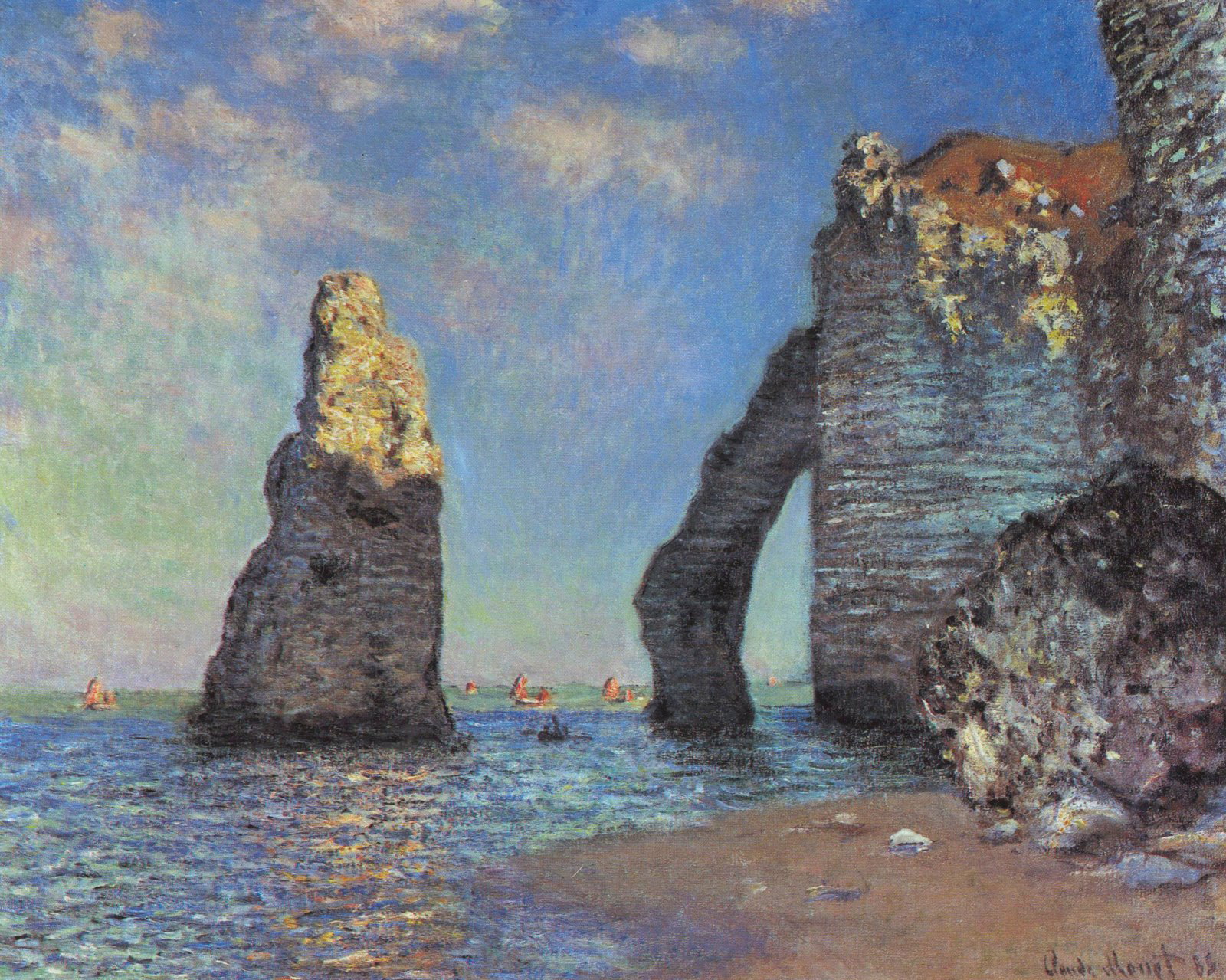
Claude Monet, The cliffs at Étretat, 1885, olieverf op doek
In 1864, two of Morisot's works were accepted at the Salon; from 1874 onwards, she exhibited with the Impressionists. She married Eugène, the brother of Éduard Manet. In 1878, she had a daughter. Her career began when Durand-Ruel purchased 22 of her works. At times, critics considered her the best of the entire exhibition. In 1895, she died of pneumonia while keeping vigil over her daughter, who had the same disease.
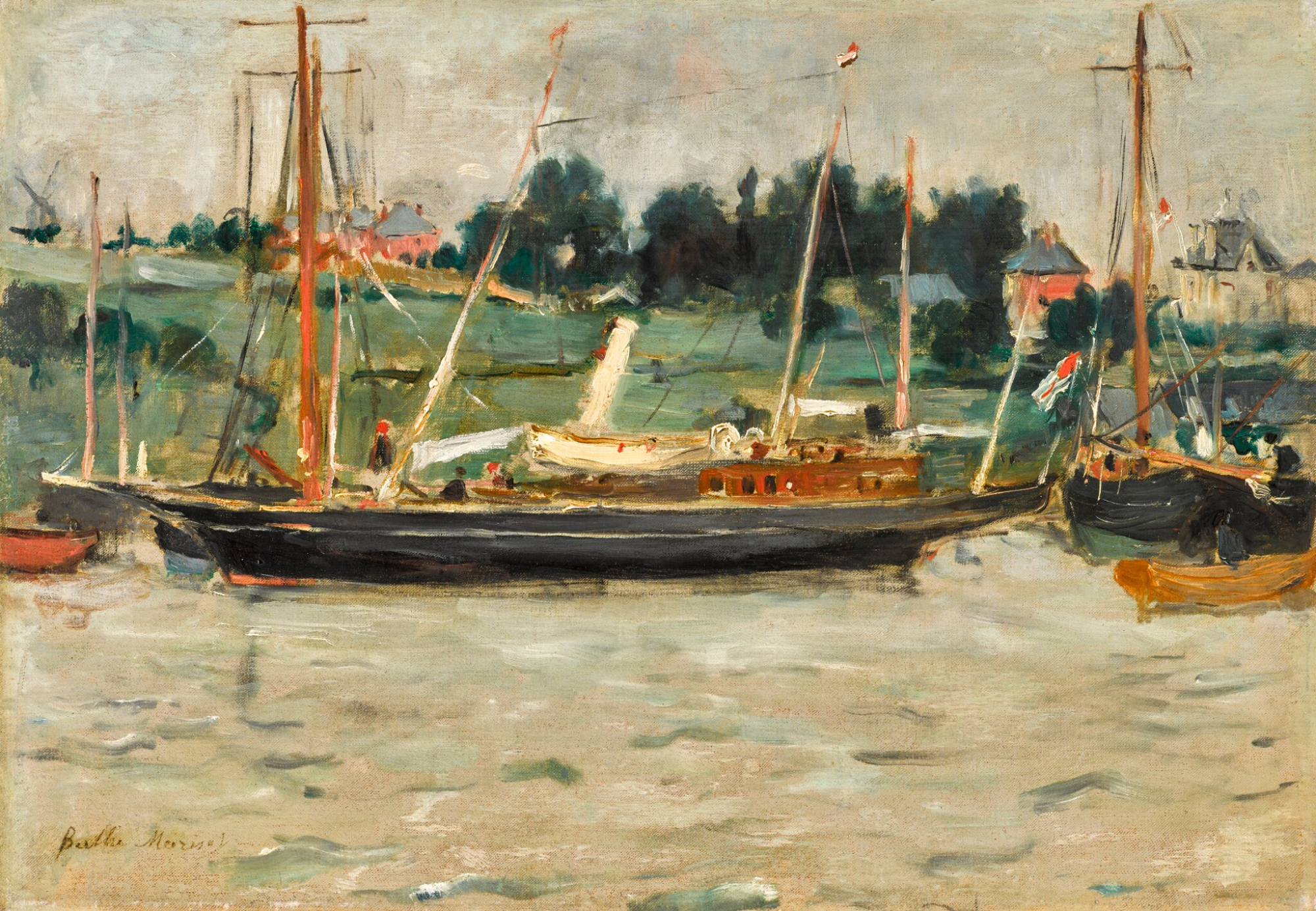
Berthe Morisot, Le bateau à vapeur, 1875, oil on canvas
Back in Paris in 1859, he moved into a studio and painted historical works. He exhibited for the first time at the Salon in 1865 with the work ‘Scène de guerre au Moyen Âge’, which garnered little interest. He continued to exhibit there for five years; starting with ‘Scene from the Steeplechase: The Fallen Jockey’ (1866), he no longer worked historically, partly under the influence of Manet, whom he had met in 1864. He enlisted in the Franco-Prussian War and was deployed for the defense of Paris. During marksmanship training, it was discovered that his eyesight was impaired; he suffered from it for the rest of his life.
In 1872, he stayed in New Orleans with a Creole uncle. ‘Le Bureau de coton à La Nouvelle-Orléans’, which he painted there in 1873, aroused interest in France. A year later, his father died, and it turned out that his brother had enormous debts. Degas sold his house and his inherited art collection to pay off his debt. 1874 marked the beginning of his most productive period, as he was now dependent on the proceeds from his paintings. His ballet scenes, in particular, sold very well. He had transitioned from dark works to lively ones with explicit brushstrokes. His bright colors were partly inspired by Japanese woodcuts, as well as by producing many pastels. In the 1870s, he also resumed etching and made lithographs and monotypes.
Disillusioned with the Salons, he joined a group of young painters who exhibited independently, the later Impressionists. Degas played a leading role in organizing their eight exhibitions, despite the conflicts. He saw little affinity with Monet and other landscape painters. He also insisted that non-Impressionist painters, such as Forain and Raffaelli, be included. Due to these conflicts, the group disbanded in 1886.
Through the sale of his work, Degas was able to once again collect works by masters he admired: El Greco, Manet, Cassatt, Pissarro, Cézanne, Gauguin, Van Gogh, Brandon, Ingres, Delacroix, and Daumier. In the late 1880s, he also developed a passion for photography. He took portraits of friends and also photographed dancers and nudes for his paintings. He created a considerable number of bronze sculptures but exhibited only one of them. Degas increasingly isolated himself. Due to the Dreyfus affair, he broke with all his Jewish friends. Renoir complained that all his friends had to leave him, himself being the last. Degas never married. After 1890, his eyesight deteriorated. He continued working in pastel until 1910, stopping work in 1912. In his final years, he was nearly blind, wandering restlessly through the streets of Paris until his death in 1917.
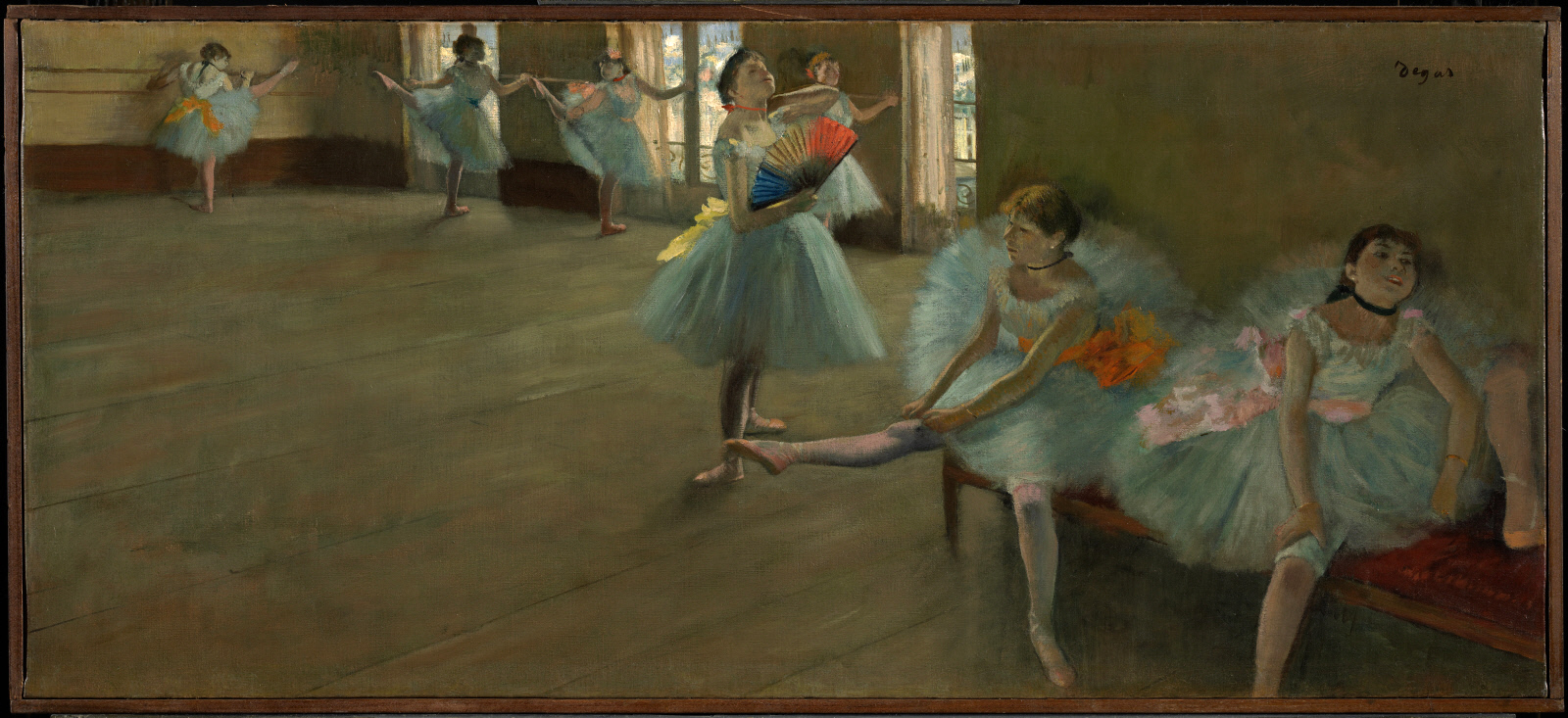
Edgar Degas, Dancers in the classroom, ca 1880, oil on canvas
In 1870, the Franco-Prussian War began, causing his father's business to collapse. From then on, he had to live off the proceeds of his paintings. He lived in poverty until his death; his works only brought in money after his passing. He was supported by patrons now and then, the first in 1874, following the first independent Impressionist exhibition. A stay of a few months southwest of London produced some twenty works of the Thames and Hampton Court Bridge.
Sisley subsequently lived and worked in the countryside west of Paris until 1880. He preferred the soft landscapes with their changing light near Fontainebleau to the sea and coast. In 1897, he and his girlfriend moved to England and married in Wales. In Penarth, he painted six oil paintings of the sea and cliffs, followed by at least eleven more in Langland Bay and Rotherslade. Sislay made two attempts to become French nationals, but these were unsuccessful; he remained British until his death. He died of throat cancer in 1899, a few months after the death of his wife.
His early works were somber, with dark browns, greens, and faint blues; he changed his style under the influence of Courbet and Corot in France, and Constable and Turner in England, as well as the style and subjects of Pissarro and Manet. He resembled Monet somewhat in style, being more restrained, with a strong sense of atmosphere and impressive skies. He painted approximately 900 oil paintings, 100 pastels, and many drawings. Quite a few Sisley forgeries have also been discovered.
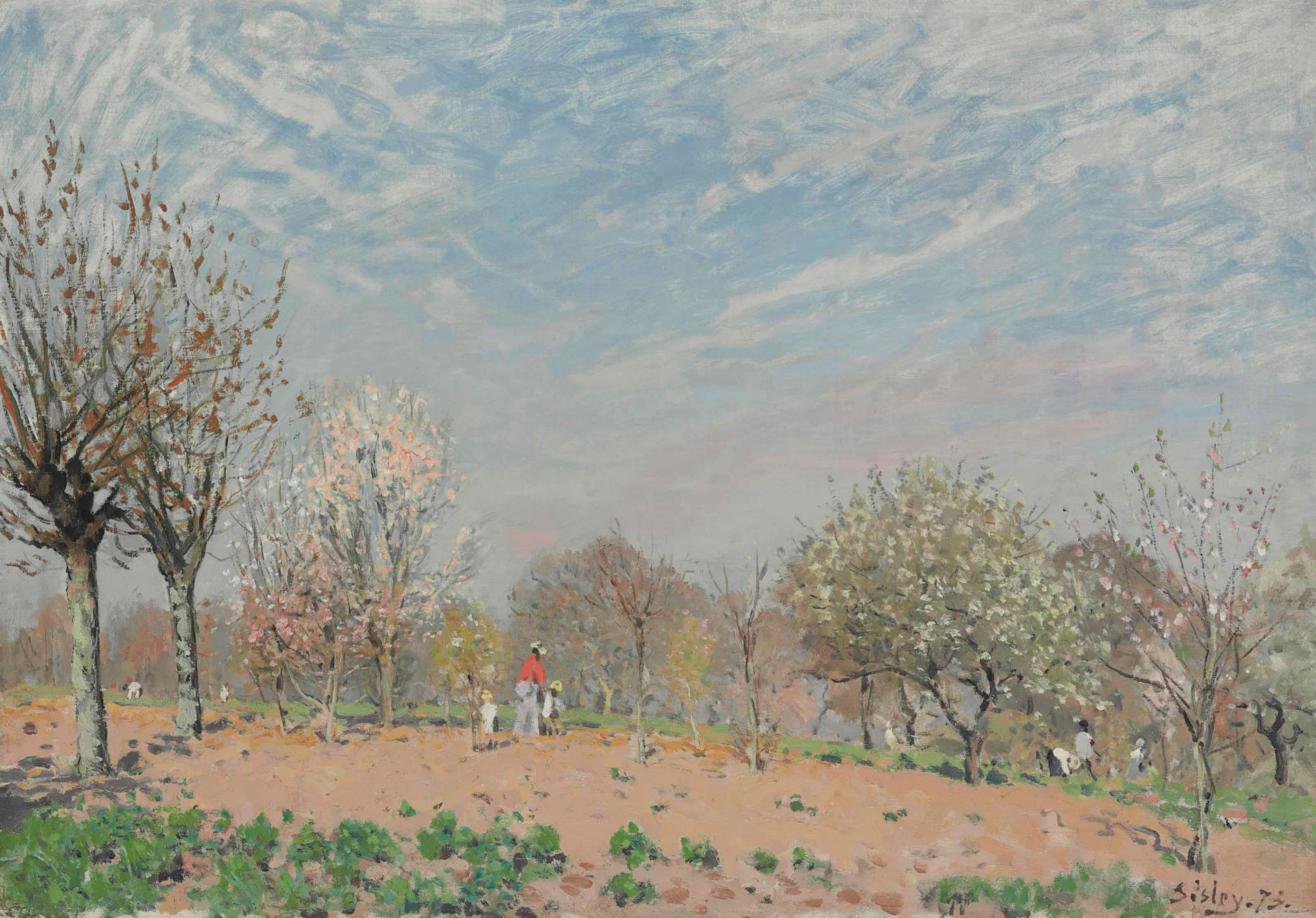
Alfred Sisley, Pommiers en fleurs Louveciennes, 1873, olieverf op doek
In 1874, he participated in the exhibition of the Impressionists, then still under the name ‘Société anonyme des artistes peintres, sculpteurs et graveurs’, followed by those of 77, 80, 81, 82, and 86. In the 90s, he strongly emphasized his use of color and became a Fauvist, ten years before all the others. In 1886, he became a friend of Van Gogh. His brother Theo bought a number of works by Guillaumin. In the 80s, his studio was a meeting place for painters, including Gauguin, Signac, and Seurat. Because he won 100,000 francs in the lottery in 1891, he was able to devote himself full-time to painting and quit his job with the government. In 1895, he had an extensive solo exhibition at Durand-Ruel, followed by three more at other galleries in the subsequent years. In 1873, he obtained a room in Auvers-sur-Oise. A year later, he occupied a house where Cézanne had lived previously, and in 1875, he rented Daubigny's former studio.
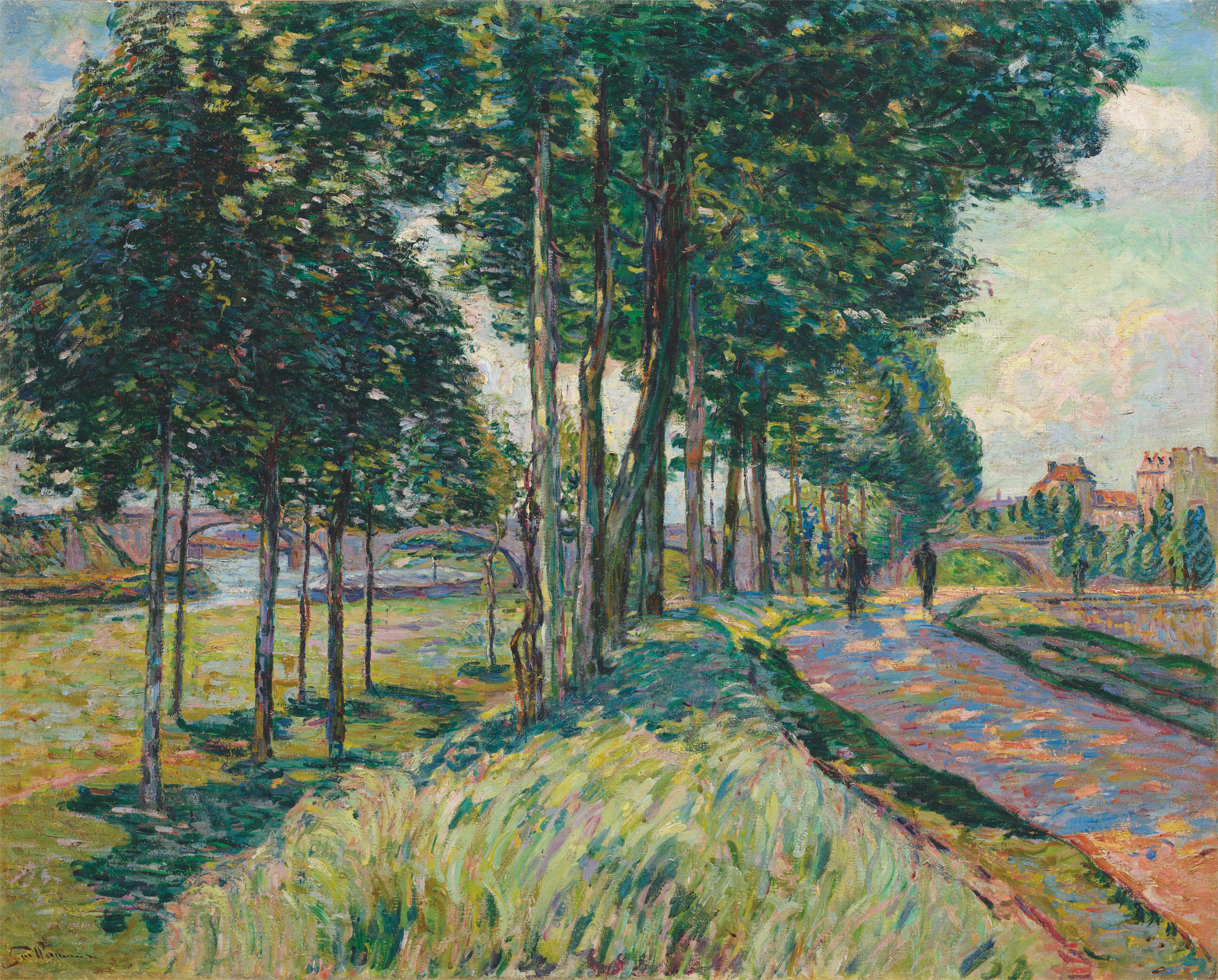
Armand Guillaumin, La Seine à Charenton, ca 1880, oil on canvas
In 1871, the Paris Commune seized power in Paris during the Franco-Prussian War, when France was defeated. They were progressive, anti-religious, and practiced their own form of socialism, advocating for the separation of church and state, the abolition of child labor, workers taking over businesses from their owners, and were feminist. When Renoir was painting by the Seine, he was mistaken for a spy and they wanted to throw him into the water; fortunately, he was recognized by one of their leaders as someone who had once helped him. After two months of rule, they were dealt with during the ‘sanglant week’; thousands fled, 15,000 to 20,000 were massacred, and the remainder were imprisoned. They themselves had executed about a hundred hostages: an archbishop, several priests, and gendarmes. Renoir had the support of Jules Le Cœur; the friendship ended in 1874, causing him to lose a residence in Fontainebleau as well, which influenced his subjects.
After several rejections at the Salon, he joined Monet, Sisley, and Pissarro at the first Impressionist exhibition of the Société Anonyme in the studio of the famous photographer Nadar in 1974, with six works. Compared to others, his work was received quite well. Also in 1974, two of his works hung at Durand-Ruel in London. At the second exhibition in 1976, he showed mainly portraits, as he hoped to earn a living with them. At the fourth and fifth exhibitions, he no longer participated in the Impressionist exhibition, but returned to the Salon. By the late 1970s, partly thanks to the work ‘Madame Charpentier and her children’ at the Salon of 1979, he had become a successful painter and was in fashion. He also once again had an important patron, Paul Bérard, who regularly invited him to his ‘Château de Wargemont’ to paint the coasts of Normandy. In 1881, he traveled to Algeria, Madrid, and then Italy. In 1882, he painted a portrait of Wagner in 35 minutes. That year, he also spent six weeks in Algeria with pneumonia. In 1883, he spent the summer in Guernsey and created 15 works there. In Montmartre, he engaged Suzanne Valadon as a model, who herself became a well-known painter.
In 1890, he married Aline Charigot, a dressmaker, who was twenty at the time. He painted scenes with his wife, children, and their au pair, a cousin of Aline's. They had three sons; two became famous in the film world, and the third became a ceramist. In 1892, he moved to Provence as a result of arthritis. Due to deformity in his hands and right shoulder, he had to change his technique. It worsened, and while he later still used his hand, he needed an assistant to hold the brush in his hand. For larger works, he used a moving canvas. In 1919, he visited the Louvre to see his works hanging alongside the Old Masters; he died that same year.
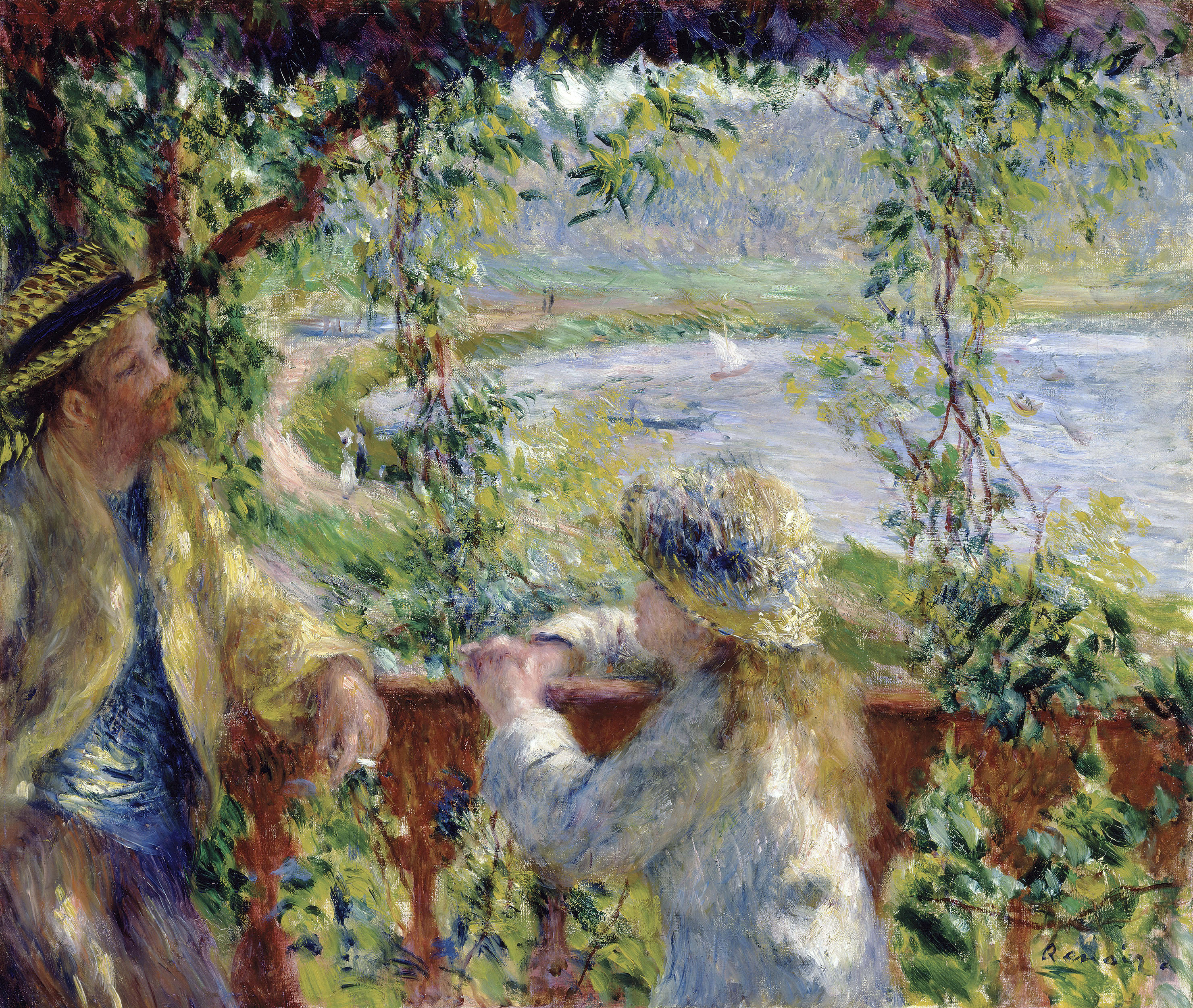
Pierre-Auguste Renoir, By the water or near the lake, ca 1880, oil on canvas
In 1870, Bazille joined the army for the Franco-Prussian War. This war between Bismarck and Napoleon III concerned independent German states that wanted to unite with Prussia. The French were defeated and Napoleon III was taken prisoner. A 'Government of the Defense of the National' was established in Paris, and the war continued until the Prussians had conquered Paris. This was followed by the unification of all German-speaking states under King Wilhelm I and Bismarck, with the exception of Austria and the German-speaking part of Switzerland. The French paid a heavy price and also lost Alsace and Lorraine in the Treaty of Frankfurt. From then on, France became definitively republican.
Bazille had to take command from a wounded officer; during a failed attack, he was struck twice and died at the age of twenty-nine. He left behind seventy works, including four self-portraits. ‘Les remparts à Aigue-morte’ (1867) was completed in a single session, one of the three he painted there during a month-long stay in the medieval town.
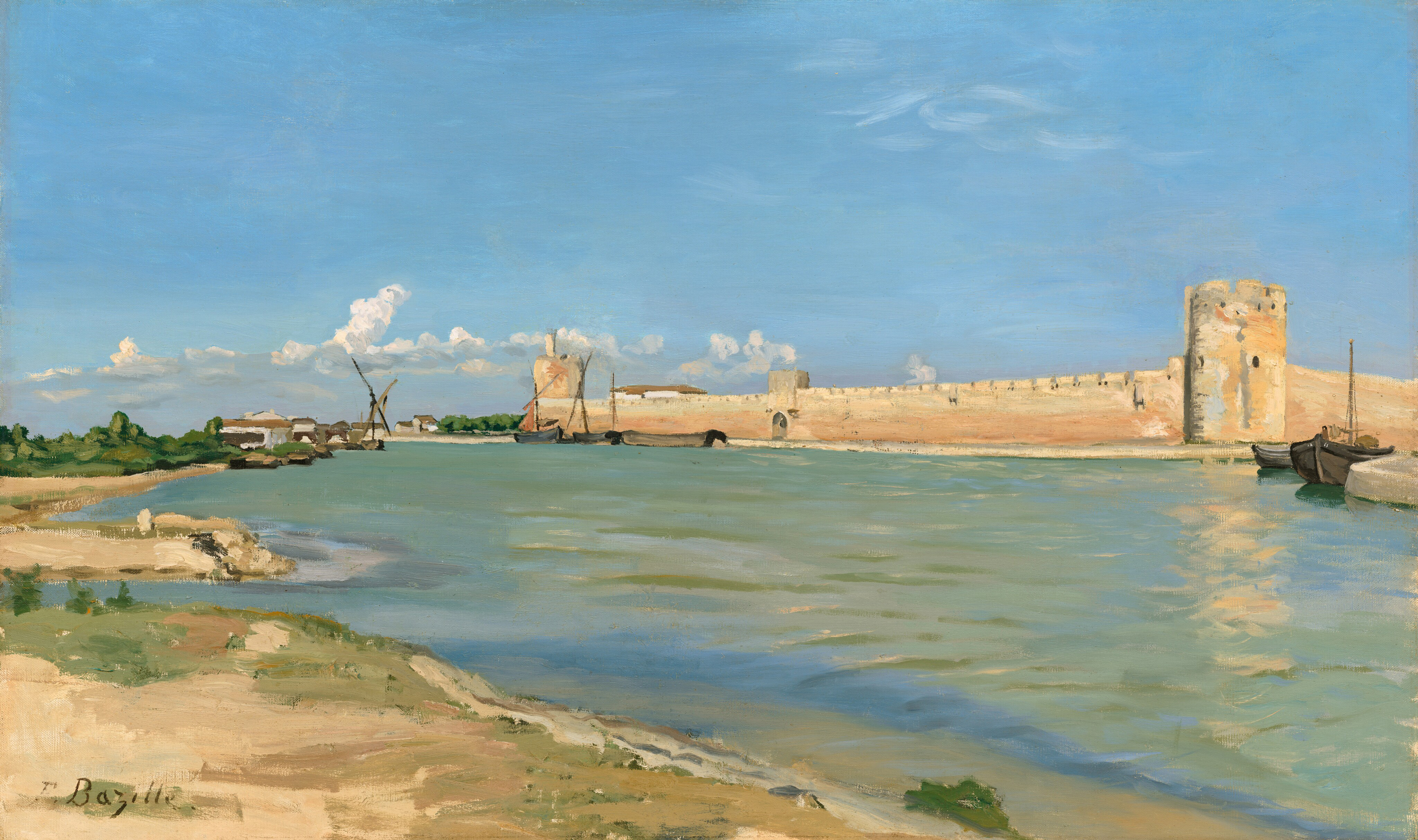
Frédéric Bazille, The Western ramparts at Aigues-Mortes, 1867
In 1874, he departed for an extensive two-year tour of the Himalayas in British India, Mongolia, and Tibet, returning to Paris in 1876. Before the Second Russo-Turkish War, he left Paris and enlisted in the Imperial Russian Army. His brother died in the fighting, and he was severely wounded. After the war, he settled in Munich and exhibited in London, Berlin, Dresden, Vienna, and other cities. The sensational nature of his works—peace contrasted with the horrors of war—attracted large audiences, including those who do not usually visit art galleries. He also painted scenes in British India, such as the work ‘The State Procession of the Prince of Wales into Jaipur in 1876’, measuring 274 by 196 cm, and returned to India in 1882-1883. Three works caused quite a stir: ‘The Crucifixion by the Romans’ (1887), ‘Suppression of the Indian Revolt by the English’, and ‘Nihilists’. Criticism of the second was that something similar only took place during the uprising of 1857 and not in the 1880s as depicted in the painting; due to his choice of color and precision, it came across as a photograph. In 1872, it turned out that the order for such an execution had indeed been given for a group of Sikhs. The Execution of the Nihilism in Saint Petersburg concerns a philosophical, cultural, and revolutionary movement, disillusioned with earlier social reforms and the growing divide between the aristocracy and the intelligentsia. Opposed to all forms of tyranny, hypocrisy, and artificiality, and in favor of individual freedom. The word nihilism derives from them. The paintings of his journey through Syria and Palestine concerning Jesus in the New Testament shocked with their realism. His series on Napoleon’s Russian campaign was painted in Moscow in 1893 and inspired Tolstoy for his ‘War and Peace’.
Vereshchagin was in the Far East during the First Sino-Japanese War of 1894-95, with Russian troops in Manchuria during the Boxer Rebellion of 1900, in 1901 he visited the Philippines, in 1902 the US, and in 1903 Japan. During the Russo-Japanese War, he was on a battleship at the invitation of Admiral Makarov; both were killed along with a large part of the crew when the ship was struck by two mines. His final work, concerning a court-martial led by the admiral, was recovered almost undamaged.
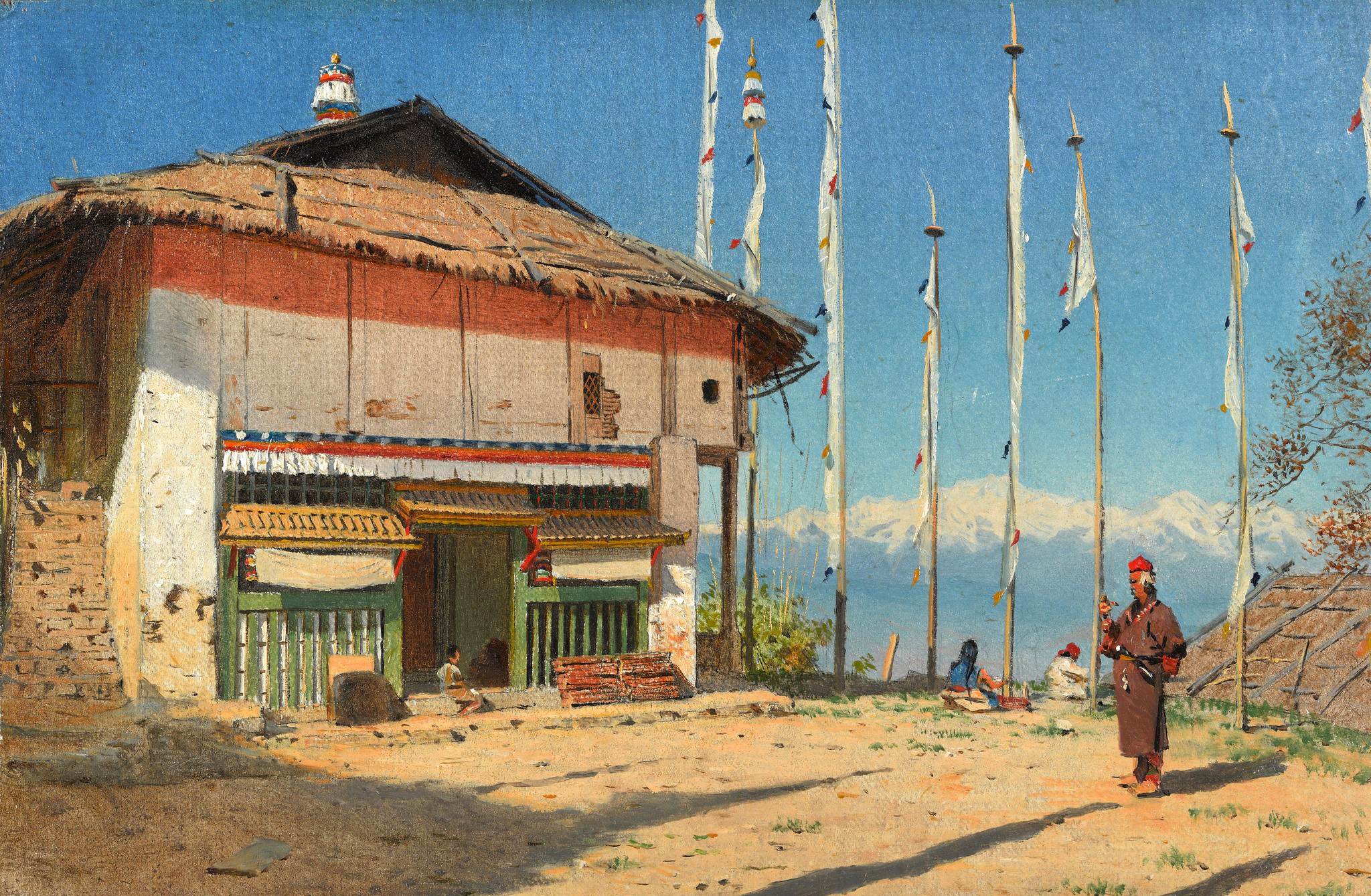
Vasily Vereshchagin, Buddhist temple in Darjiling, Sikkim, 1874, oil on canvas
In 1870, the Franco-Prussian War broke out, and she withdrew to the US; the family settled in Altoona. Unable to earn a living from it, she gave up her studio and painting until she could return to Europe. Cassatt tried to sell in Chicago but lost some early works in the fire of 1871. In August, she returned to Europe; her ‘Two Women Throwing Flowers During Carnival’ was accepted at the Salon of 72. Commissioned by a Catholic bishop, she painted two copies of Correggio, after which she traveled to Spain. In 74, she returned to France, where she shared an apartment with her sister and opened a studio. She criticized the Salon jury, which rejected a work in 75 and accepted it in 76 because she had made the background somewhat darker.
When not a single work was accepted at the Salon in 77, Degas invited her to exhibit with the ‘Independents’, the Impressionists, who allowed for many differences in style among them, although the major trend was towards plein air, with vibrant colors in separate strokes, without pre-mixing. Cassatt exhibited at half of the later exhibitions and became friends with Morisot. It was Degas’s pastels that had convinced her so much.
After 79, her style changed. In 77, her father and mother came to visit her in Paris; she had decided that marriage was incompatible with her career. In 78, she painted ‘Portrait of the Artist’, ‘Little Girl in a Blue Armchair’, and ‘Reading Le Figaro’. Like Degas, she experimented with oil paintings, as well as tempera and metallic paints. She made many pastels and collaborated with Degas. The Impressionist exhibition of 1979 was the most successful, mainly due to the efforts of Caillebotte, and despite the absence of Renoir, Sisley, Manet, and Cézanne, who opted to return to the Salon. Cassatt exhibited 11 works there. She used part of her sales to buy a work by Degas and one by Monet. In 1986, she submitted two works for Durand-Ruel's first Impressionist exhibition in the US. Her friend married Havemeyer; they collected Impressionist works. After 1986, she experimented with various techniques.
Cassatt primarily painted the everyday life of women and household chores. In 1991, she exhibited a series of colored aquatints and drypoint prints, inspired by Japanese works she had seen at a Paris exhibition in 1990. Also in 1991, she was asked to create a mural about the modern woman for the World’s Columbian Exposition in Chicago in 1993. It became a triptych (which disappeared after 1918). After 1900, she worked as an advisor to major art collectors; in 1904, she received the Légion d’Honneur. Her Impressionist colleagues died, and she herself was hostile towards Post-Impressionism, Fauvism, and Cubism. Two of her works appeared in the Armory Show (International Exhibition of Modern Art, organized by the Association of American Painters and Sculptors) of 1913 in New York. In 1910, she traveled to Egypt; the journey exhausted her. In 1911 she had diabetes, rheumatism, neuralgia, and cataracts; in 1914 she was forced to stop painting due to near blindness. She died in 1926.
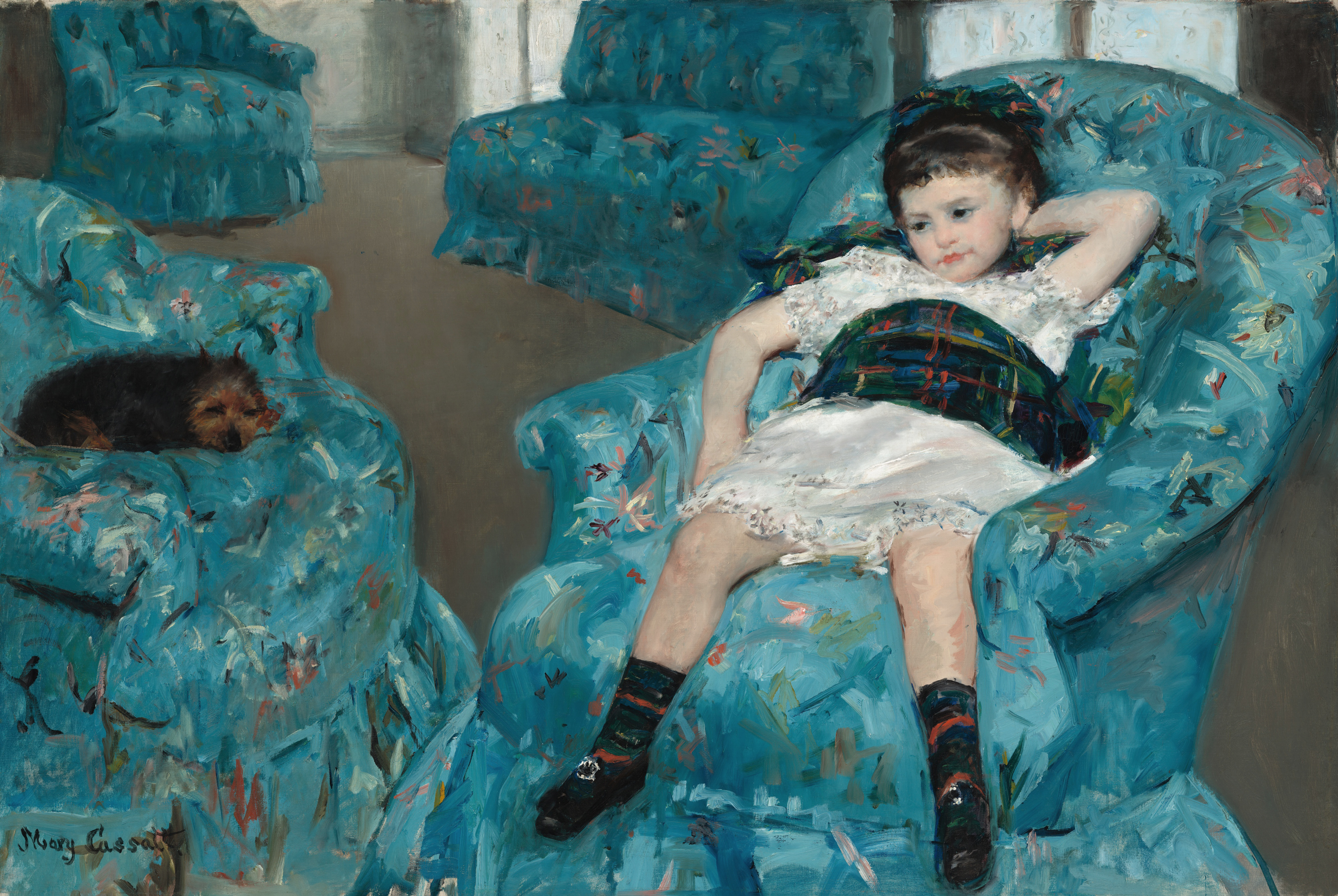
Mary Cassatt, Little girl in a blue armchair, 1878, oil on canvas
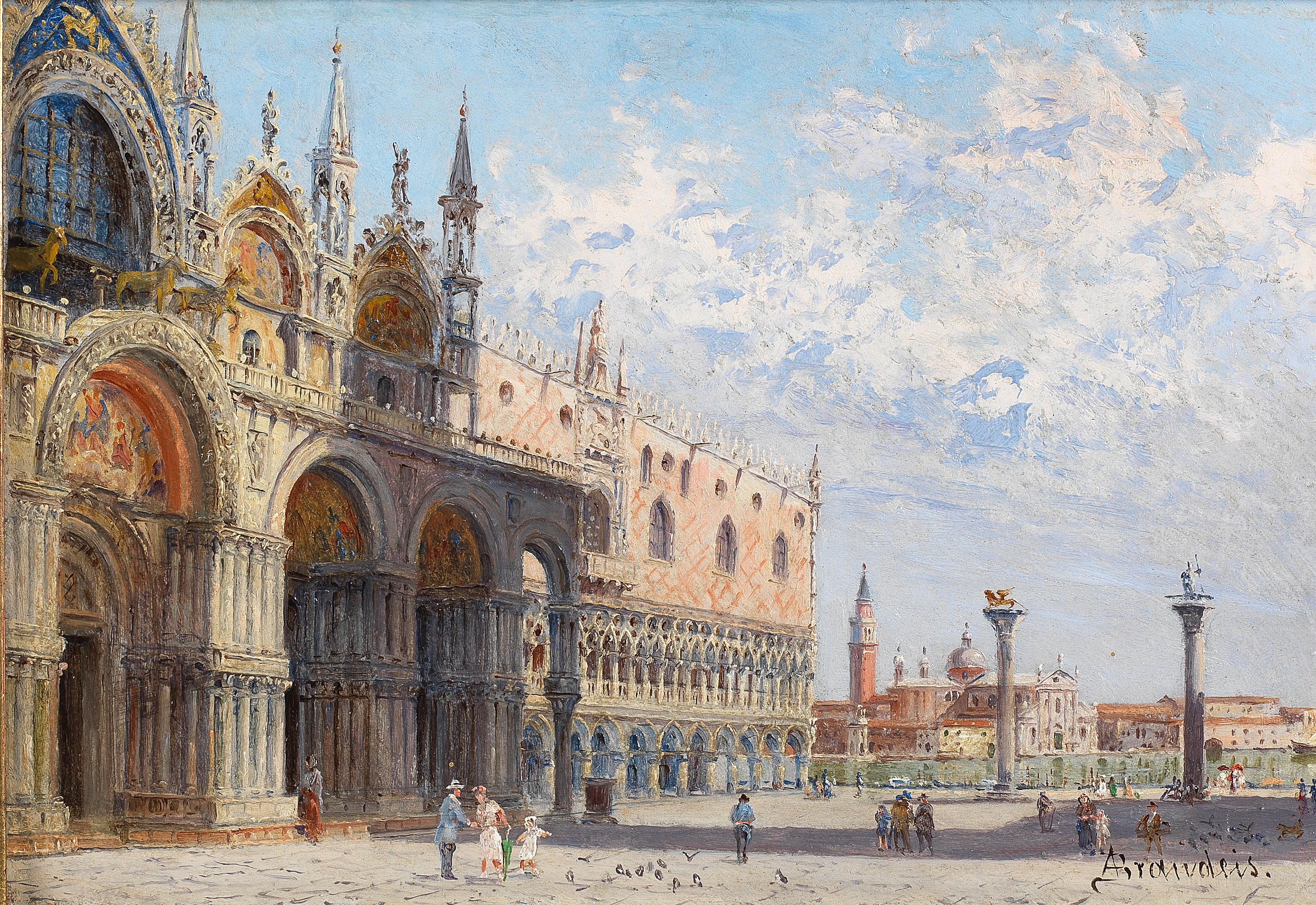
Antonietta Brandeis, Sint-Marcuskerk, Venetië, olieverf op karton